






Allergies: The Body’s Misguided Defense
Origins, Causes, Vulnerabilities, and the Path to Relief
4/12/2026
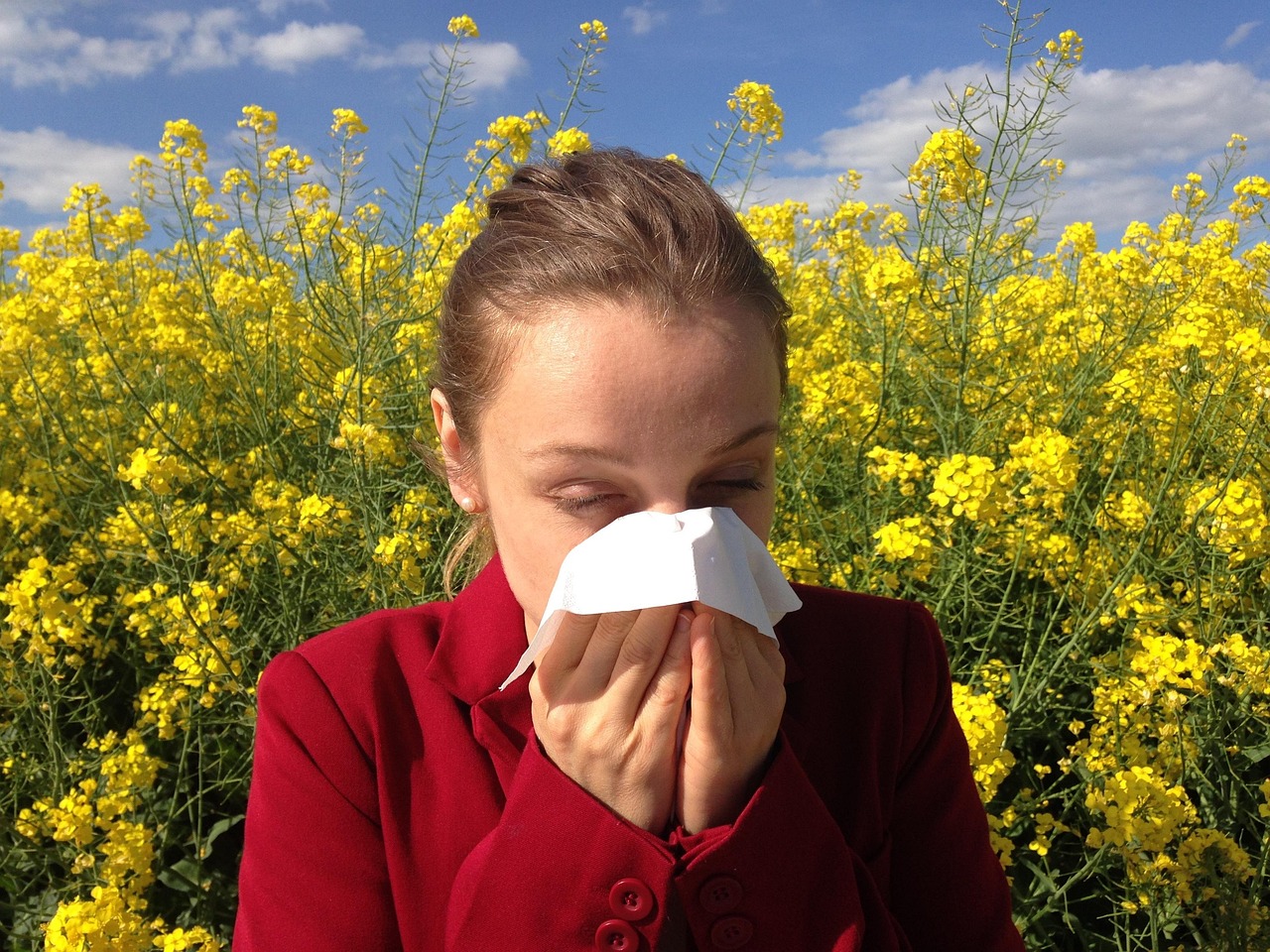
Allergies—commonly searched as allergy symptoms, allergy causes, allergic reactions, and allergy treatment—represent one of the most paradoxical conditions in modern medicine. In essence, an overactive immune system misidentifies harmless substances such as pollen, dust, foods, or pet dander as threats, triggering inflammation, histamine release, and immune response reactions that lead to discomfort, disruption, and at times serious health risk. Affecting hundreds of millions worldwide, allergies range from seasonal allergies (hay fever) and mild sensitivities to chronic allergies and severe allergic reactions, including potentially life-threatening conditions. At their core, allergies are not diseases in the traditional sense, but rather misguided immune responses—a form of immune dysfunction that can significantly impact respiratory health, skin conditions, daily productivity, and overall quality of life. Increasing in prevalence across all age groups, allergies are now widely recognized as a growing global health concern, often underestimated despite their profound and far-reaching effects.
The Origins of Allergies: A Modern Phenomenon?
Historically, allergic conditions were far less common. References to allergic reactions date back centuries, but the dramatic rise in allergies is largely a modern phenomenon, particularly in industrialized nations. Researchers often point to the “hygiene hypothesis”—a theory suggesting that as societies have become cleaner, more urbanized, and less exposed to microbes, the immune system has had fewer “training opportunities.” As a result, it may become hypersensitive, reacting aggressively to benign substances like pollen, dust, or certain foods.
Other contributing factors include:
- Increased pollution and environmental toxins
- Changes in diet and food processing
- Reduced exposure to natural environments
- Greater use of antibiotics, especially in early childhood
In essence, the immune system—once honed by constant exposure to pathogens—may now be overreacting out of boredom or misdirection.
What Causes Allergies: The Biological Mechanism
An allergic reaction begins when the immune system identifies a harmless substance—called an allergen—as a threat.
Common allergens include:
- Pollen (trees, grasses, weeds)
- Dust mites
- Mold spores
- Pet dander
- Foods (nuts, shellfish, dairy, eggs)
- Insect stings
- Medications
When exposed to an allergen, the immune system produces antibodies known as Immunoglobulin E (IgE). These antibodies trigger specialized cells (mast cells and basophils) to release chemicals such as histamine.
Histamine is the key culprit behind allergy symptoms:
- Sneezing
- Itchy eyes
- Runny nose
- Skin rashes
- Swelling
In more severe cases, this cascade can lead to Anaphylaxis, a rapid and potentially fatal reaction involving airway constriction, a drop in blood pressure, and systemic shock.
Who Is Most Vulnerable: Genetics and Environment
Not everyone develops allergies. Susceptibility is influenced by a combination of genetics and environmental exposure.
Genetic Predisposition
If one or both parents have allergies, the likelihood increases significantly that their children will as well. This inherited tendency is referred to as atopy—a genetic inclination to develop allergic diseases.
Environmental Triggers
Urban living, pollution, and indoor lifestyles all contribute to higher allergy rates. Ironically, children raised in rural environments, particularly on farms, often show lower rates of allergies, likely due to early exposure to diverse microbes.
Occupational Risks
Certain professions—such as healthcare workers, hairdressers, and construction workers—face repeated exposure to irritants and allergens, increasing their vulnerability.
Age Groups Most Affected
Allergies can develop at any age, but certain patterns are well established:
Infants and Young Children
- Most commonly affected by food allergies (milk, eggs, peanuts)
- Skin conditions like eczema often appear early
- Some allergies may be outgrown
School-Aged Children and Adolescents
- Increase in respiratory allergies such as hay fever
- Asthma often develops or worsens during this period
Adults
- May develop new allergies unexpectedly
- Occupational and environmental exposures play a larger role
Older Adults
- Immune responses may weaken, sometimes reducing allergic sensitivity
- However, medication interactions and chronic conditions complicate treatment
Types of Allergies and Their Manifestations
Allergies present in several forms, each affecting different parts of the body:
Respiratory Allergies
Often triggered by pollen or dust, leading to:
- Allergic rhinitis (hay fever)
- Sinus congestion
- Asthma symptoms
Skin Allergies
Include conditions such as:
- Eczema
- Hives (urticaria)
- Contact dermatitis
Food Allergies
These can be particularly dangerous, causing:
- Gastrointestinal distress
- Swelling of lips and throat
- Severe systemic reactions
Insect and Drug Allergies
- Bee or wasp stings
- Reactions to medications such as antibiotics
How Allergies Can Become Debilitating
For many, allergies are more than an inconvenience—they can be deeply disruptive.
Chronic allergies may lead to:
- Persistent fatigue due to poor sleep
- Difficulty concentrating (often called “brain fog”)
- Reduced productivity in work or school
- Social limitations (avoiding environments, foods, or travel)
Severe allergies can cause constant anxiety, particularly in individuals at risk of Anaphylaxis, where even accidental exposure can have life-threatening consequences.
Asthma linked to allergies can further compound the issue, restricting physical activity and requiring ongoing medical management.
Prevention and Avoidance: The First Line of Defense
While not all allergies can be prevented, many can be managed or minimized through proactive measures.
Environmental Control
- Use air purifiers and HEPA filters
- Keep windows closed during high pollen seasons
- Regular cleaning to reduce dust mites
- Wash bedding frequently in hot water
Dietary Awareness
- Carefully read food labels
- Avoid known allergens
- Introduce foods cautiously in infants
Lifestyle Adjustments
- Shower after outdoor exposure to remove pollen
- Limit outdoor activity during peak allergy times
- Maintain proper indoor humidity levels
Treatments: From Relief to Long-Term Solutions
Modern medicine offers a wide range of treatments to control allergy symptoms and improve quality of life.
Over-the-Counter Medications
- Antihistamines to block histamine effects
- Decongestants for nasal relief
- Nasal corticosteroids to reduce inflammation
Prescription Treatments
- Stronger antihistamines
- Leukotriene inhibitors
- Biologic therapies for severe asthma and allergies
Emergency Treatment
For severe reactions, epinephrine auto-injectors are essential and life-saving in cases of Anaphylaxis.
Immunotherapy (Allergy Shots or Tablets)
This long-term treatment gradually desensitizes the immune system to specific allergens, offering potential lasting relief rather than temporary symptom control.
The Future of Allergy Research
Advances in science are reshaping our understanding of allergies. Emerging areas of research include:
- The role of the gut microbiome in immune regulation
- Personalized medicine tailored to genetic profiles
- New biologic drugs targeting specific immune pathways
There is growing optimism that allergies may one day be prevented at their source, rather than simply managed.
Living with and Beyond Allergies
Allergies are a complex interplay of biology, environment, and modern lifestyle. While their prevalence continues to rise, so too does our ability to understand and manage them.
For some, allergies remain a minor seasonal nuisance. For others, they represent a daily challenge requiring vigilance and care. Yet with proper awareness, prevention strategies, and medical support, most individuals can lead full, active, and rewarding lives.
In the end, allergies serve as a reminder of the delicate balance within the human body—a system designed to protect, but one that occasionally needs guidance to do so wisely.