






Anxiety: when the mind won't release its grip
Its effect and the most effective paths to relief—holistic and clinical.
2/15/2026
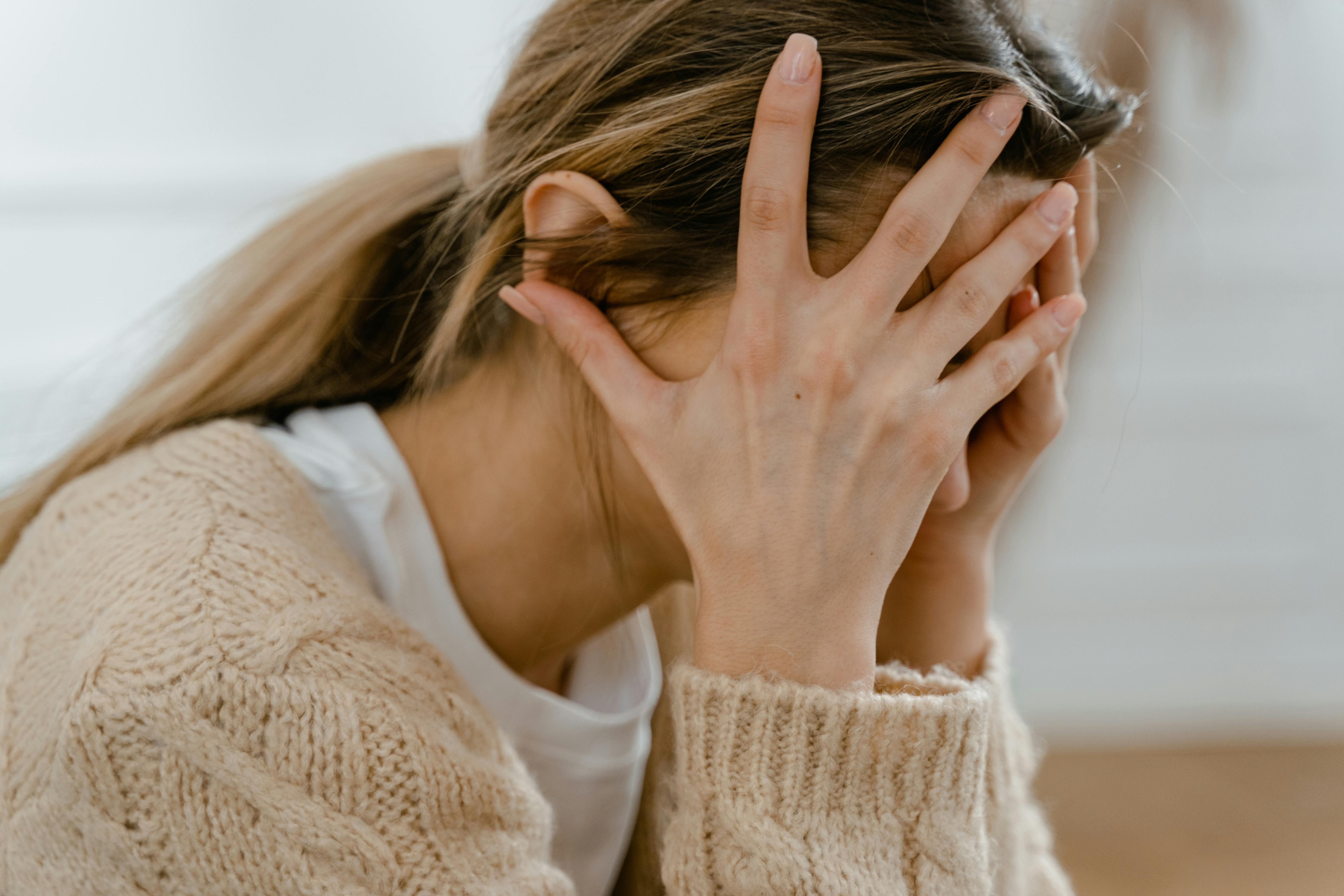
Anxiety is a built-in human alarm system. In small doses, it helps us prepare, focus, and respond to danger. But when worry becomes constant, disproportionate, or detached from real threat—and begins to disrupt sleep, relationships, work, health, or daily functioning—it may cross into an anxiety disorder.
The World Health Organization describes anxiety disorders as conditions characterized by excessive fear and worry with behavioral disturbances, significant distress, and impaired functioning. Anxiety disorders aren’t rare or fringe. They are among the most common mental disorders worldwide.
“Anxiety” is an umbrella term. The experience differs by person and by diagnosis, but the most common forms include:
-
Generalized Anxiety Disorder (GAD): persistent worry about multiple areas of life
-
Panic Disorder: sudden surges of intense fear (panic attacks), often with physical symptoms
-
Social Anxiety Disorder: fear of judgment, embarrassment, or scrutiny
-
Specific Phobias: intense fear of particular objects or situations
-
Separation Anxiety: not just in children—can affect adults too
Many people also experience health anxiety, performance anxiety, or anxiety symptoms that accompany depression, trauma, medical illness, or substance use.
Anxiety is rarely caused by one thing. It tends to emerge when several forces converge—biology, environment, personality, and life circumstances.
Anxiety often runs in families. That does not mean it’s “destined,” but it suggests an inherited vulnerability involving brain chemistry, stress reactivity, and temperament.
Key biological contributors can include:
-
Neurotransmitters: serotonin, norepinephrine, GABA, glutamate
-
Stress system activation: an overactive “fight-or-flight” response (sympathetic nervous system)
-
Amygdala sensitivity: the brain’s threat detector can become over-responsive
-
Hormonal influences: thyroid imbalance, reproductive hormone shifts, cortisol dysregulation
Anxiety can be learned. The brain remembers what hurt—and tries to prevent it from happening again.
Common experiential triggers:
-
Childhood adversity, instability, or loss
-
Bullying, social rejection, humiliation
-
Trauma (including accidents, assault, natural disasters, war)
-
Ongoing stress (caregiving, financial strain, chronic conflict)
Some people naturally skew toward:
-
Perfectionism
-
High sensitivity to uncertainty
-
People-pleasing and fear of conflict
-
Over-responsibility (“If I don’t prevent it, it will happen”)
-
Rumination (replaying the past) and catastrophizing (predicting the worst)
Even without clinical disorder, many people live in conditions that keep the nervous system “on.”
-
Sleep deprivation
-
Excess caffeine / stimulants
-
Constant news exposure
-
Social media comparison and “always available” culture
-
Lack of movement, daylight, and recovery time
Anxiety is not only mental. It is whole-body physiology.
When anxiety activates the fight-or-flight response, the body releases stress hormones and ramps up key systems:
-
Heart rate increases
-
Breathing changes (often shallow)
-
Muscles tense
-
Digestion shifts or slows
-
Attention narrows to perceived threat
This is useful in true danger—but exhausting when it runs daily.
-
Chest tightness, palpitations
-
Shortness of breath, sighing, dizziness
-
Stomach upset, nausea, diarrhea, appetite changes
-
Headaches, jaw clenching, muscle pain
-
Sweating, trembling, hot flashes
-
Insomnia or non-restorative sleep
Persistent anxiety can be associated with reduced quality of life and higher rates of other health problems. A CDC/NCHS report notes strong links between mental and physical health and reduced health-related quality of life when mental health symptoms are present.
It can also worsen:
-
Chronic pain conditions
-
Gastrointestinal conditions (e.g., IBS)
-
Cardiometabolic risk (partly through sleep loss, stress behaviors, inflammation pathways)
-
Immune functioning and susceptibility (complex and individual)
Anxiety can also lead to avoidance behaviors—skipping appointments, isolating from social contact, avoiding exercise, delaying important decisions—creating a loop where life shrinks and fear grows.
Anxiety can begin at any age, but large global burden analyses show higher impact in younger age groups, with patterns often intensifying in adolescence and early adulthood. Recent global research also points to rising burden among youth and young adults in recent decades.
In practical terms, clinicians commonly see peaks around:
-
Early adolescence (identity, school pressure, social dynamics)
-
Late teens/early 20s (transition, independence, finances, relationships)
-
Postpartum period (for some women)
-
Midlife stress years (career + caregiving “sandwich” pressures)
-
Older adulthood when health issues or isolation increase vulnerability (though prevalence patterns vary)
Across major datasets, females are more likely than males to meet criteria for anxiety disorders.
For example, U.S. diagnostic interview data summarized by NIMH show past-year prevalence higher for females than males.
Global burden studies also report higher burden in females.
Why might this be? Likely a combination of:
-
Hormonal influences and reproductive transitions
-
Higher exposure to some forms of trauma and interpersonal threat
-
Cultural differences in help-seeking and symptom reporting
-
Chronic stress load and social roles
That said, men are often underdiagnosed because anxiety may show up as irritability, overwork, risk-taking, substance use, or “shut down” rather than verbal worry.
If we’re talking about functional impact and disability burden, many analyses emphasize adolescents and young adults as heavily affected groups. If we’re talking about raw number of people, it can be substantial across adulthood—because adulthood spans decades and stressors accumulate.
Anxiety is universal—humans everywhere have threat systems—but rates, expression, and treatment access vary widely by region, culture, conflict exposure, and health system capacity. The WHO estimates anxiety disorders affect a meaningful share of the global population and identifies them as the most common mental disorders.
For country-level comparisons, the Institute for Health Metrics and Evaluation (IHME) Global Burden of Disease data—presented in accessible form by Our World in Data—shows national prevalence varies and can be mapped over time.
Why differences show up by country:
-
Exposure to violence, displacement, instability, and poverty
-
Urban stress and social fragmentation
-
Cultural norms around emotional expression
-
Access to mental health care and diagnosis
-
Stigma (which can suppress reporting and treatment)
A major finding in global analyses is that anxiety and depression burdens can shift during major societal disruptions, including pandemics.
Anxiety becomes debilitating when it:
-
Dominates attention (constant mental scanning for threat)
-
Hijacks the body (panic, nausea, dizziness, insomnia)
-
Shrinks life through avoidance (stopping travel, social life, work advancement, dating, driving, even grocery shopping)
-
Erodes confidence (“I can’t handle it” becomes a belief)
-
Creates dependence on reassurance, rituals, or safety behaviors
-
Co-exists with depression, substance misuse, or burnout
Panic attacks can be particularly terrifying because symptoms mimic medical emergencies (chest pain, shortness of breath, dizziness). Even when harmless, the fear of another attack can lead to agoraphobia—avoiding places where escape feels difficult.
The most effective approach is often layered: lifestyle foundations + therapy skills + (when needed) medication.
A. The gold-standard psychological treatmentsCognitive Behavioral Therapy (CBT) is among the best-supported therapies for many anxiety disorders. It targets:
-
unhelpful thought patterns
-
avoidance behaviors
-
body-based fear loops
Key CBT tools include:
-
Cognitive restructuring (challenging distorted predictions)
-
Exposure therapy (gradually facing feared situations so the brain relearns safety)
-
Interoceptive exposure (for panic—learning that bodily sensations aren’t dangerous)
-
Behavioral activation (reducing avoidance, increasing confidence)
Other evidence-based options include:
-
ACT (Acceptance and Commitment Therapy): building psychological flexibility
-
Mindfulness-based therapies: changing the relationship to thoughts and sensations
-
Trauma-focused therapy (when anxiety is rooted in traumatic experience)
Medication does not “erase” your story, but it can quiet the nervous system enough to make therapy and life changes possible.
Common medication classes used clinically include:
-
SSRIs (selective serotonin reuptake inhibitors)
-
SNRIs (serotonin-norepinephrine reuptake inhibitors)
These are often first-line for many anxiety disorders.
Other options sometimes used:
-
Buspirone (often for generalized anxiety)
-
Beta-blockers (situational performance anxiety—tremor/heart rate)
-
Benzodiazepines (fast relief, but typically for short-term use due to dependence risk and other concerns)
Medication choice depends on diagnosis, symptom profile, side-effect tolerance, medical history, other medications, and whether depression or trauma is also present. A qualified clinician should guide this.
C. Holistic and lifestyle approaches that genuinely help“Holistic” doesn’t have to mean vague. The nervous system responds to consistent inputs.
Most impactful non-drug supports:
-
Sleep repair
-
consistent wake time
-
reduce late caffeine/alcohol
-
limit nighttime doom-scrolling
-
-
Daily movement
-
walking, strength training, yoga, or anything sustainable
-
-
Breath training / nervous system regulation
-
slow exhale breathing (longer exhale than inhale)
-
paced breathing for panic cycles
-
-
Reduce stimulants
-
caffeine, nicotine, certain supplements
-
-
Nutrition basics
-
stable blood sugar; adequate protein; hydration
-
-
Mindfulness (done practically)
-
short daily practice beats occasional long sessions
-
-
Social connection
-
anxiety improves when the body repeatedly experiences safe connection
-
-
Structured worry time
-
paradoxically reduces all-day rumination
-
Important: Lifestyle helps most when it is routine, not occasional.
Many people want a cure. The more accurate—and more empowering—goal is:
Recovery = lowering baseline arousal + retraining the brain’s fear learning + restoring functioningThat is how anxiety loosens its grip.
For many people, the most effective “formula” looks like:
-
CBT (especially exposure-based work) + lifestyle foundations
-
Add medication when symptoms are moderate-to-severe, persistent, or disabling—or when therapy isn’t possible immediately.
The earlier anxiety is treated, the less time it has to build avoidance patterns and secondary complications.
Consider professional evaluation if anxiety:
-
persists most days for weeks/months
-
disrupts sleep, work, relationships, or health
-
causes panic attacks or frequent physical symptoms
-
leads to avoidance (life getting smaller)
-
is paired with depression, substance use, or hopelessness
Urgent help is warranted if you have thoughts of self-harm, feel unable to stay safe, or are experiencing severe agitation or inability to function.
Anxiety feels like it’s predicting reality, but it’s often predicting possibility—and treating it means teaching the mind and body the difference.
It is a deeply human condition, widely experienced across countries and cultures. WHO estimates hundreds of millions live with anxiety disorders globally. And despite its intensity, anxiety responds well to targeted therapy, consistent lifestyle supports, and—when needed—appropriate medication.