






Apple Butter - America's Slow-Simmered Tradition
A Sweet Spread with a Rich History
7/18/2026
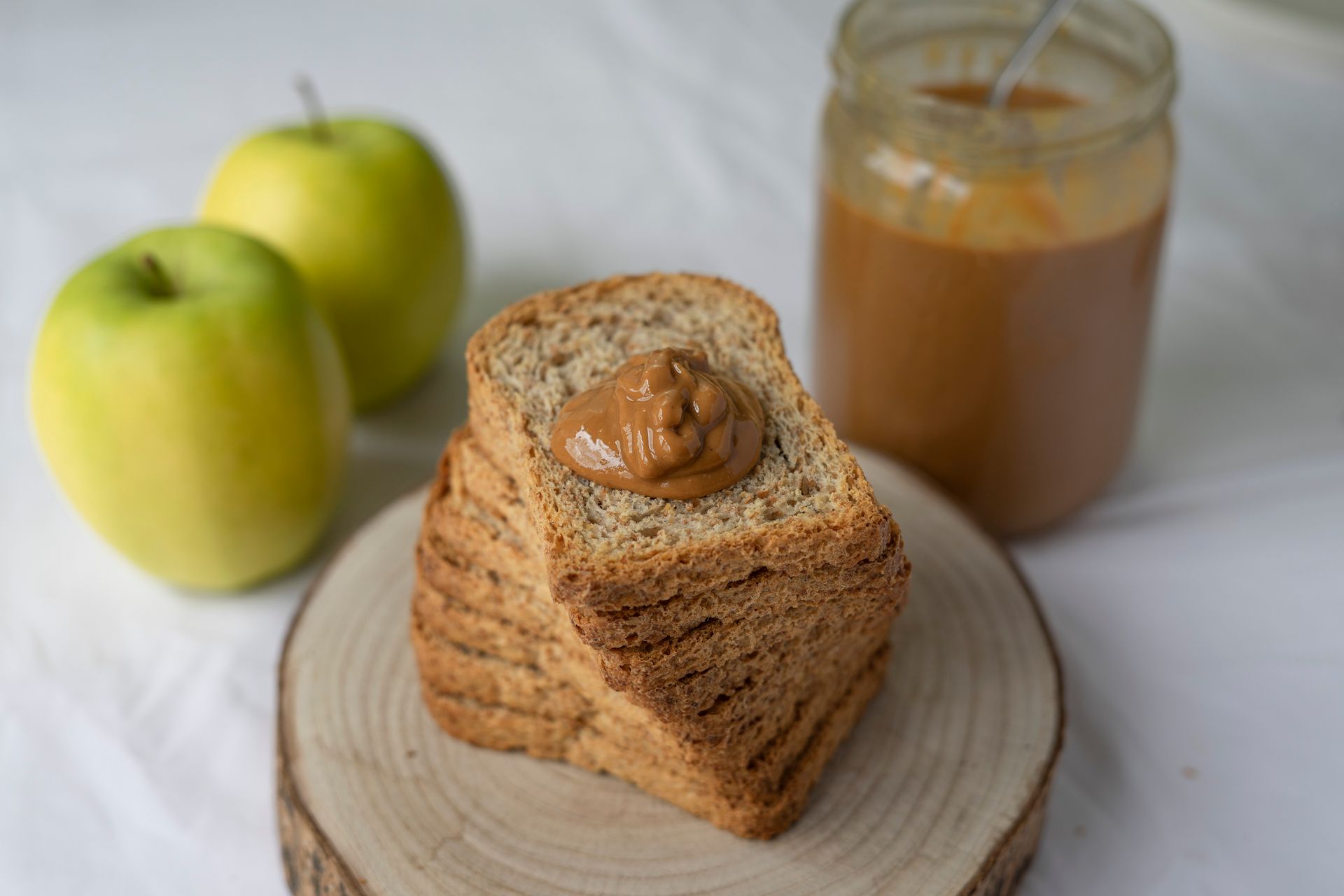
Long before refrigeration, canning, or modern food preservation, people sought practical ways to make their harvests last through long winters. Among the most enduring creations to emerge from this necessity is apple butter—a thick, dark, richly flavored spread that has become a beloved staple in many American homes.
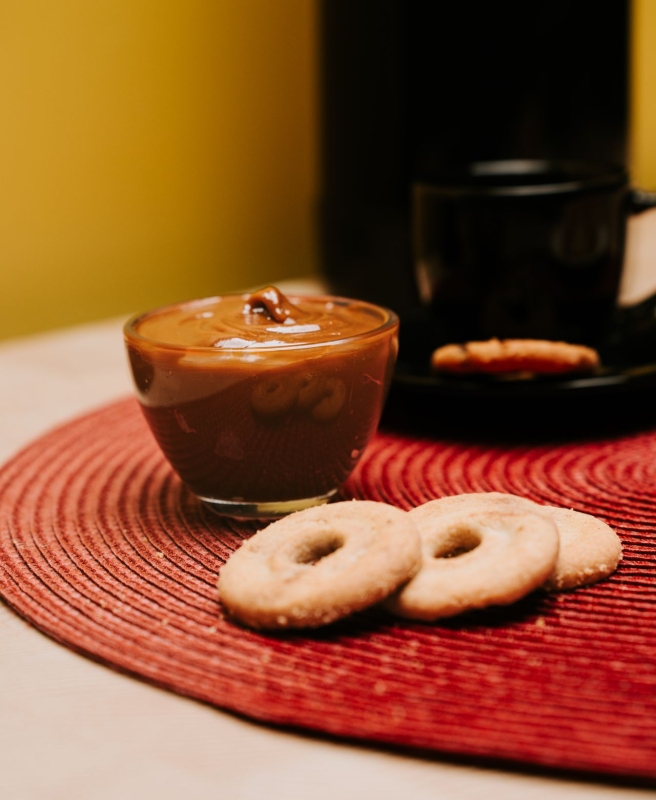
Despite its name, apple butter contains no dairy butter whatsoever. The "butter" refers only to its smooth, creamy consistency and the ease with which it spreads over bread, biscuits, pancakes, and pastries.
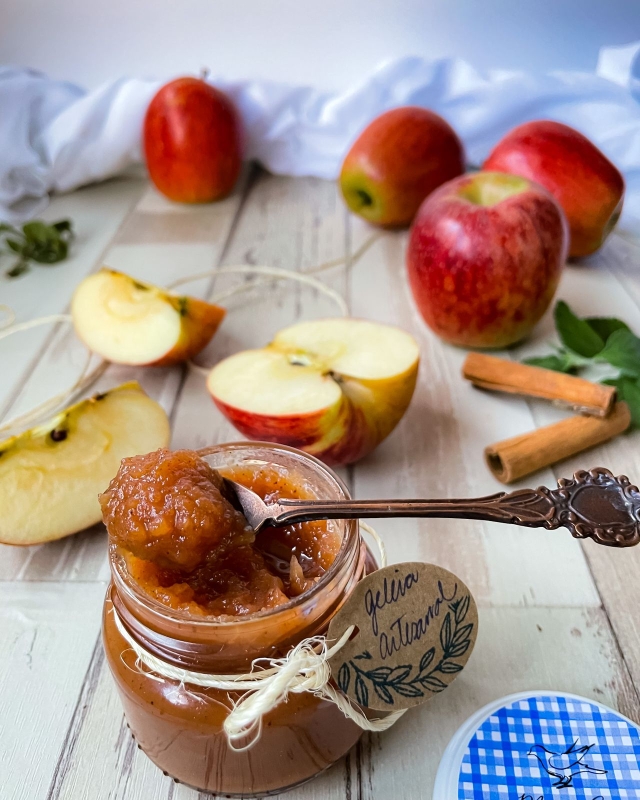
Apple butter traces its origins to medieval Europe, particularly the regions that are now Germany, Belgium, Luxembourg, and the Netherlands. During the Middle Ages, monasteries and rural villages produced large quantities of apples each autumn. Since fresh fruit spoiled quickly, families slowly cooked apples for many hours over open fires until the water evaporated, leaving behind a concentrated fruit preserve that could be stored for months.
German immigrants brought these recipes to North America during the 17th and 18th centuries, especially settling throughout Pennsylvania, Virginia, Ohio, and Appalachia. Their traditions became woven into early American culture.
Today, apple butter remains one of the country's oldest continuously produced fruit preserves.
A Community Tradition
For generations, making apple butter was not simply cooking—it was an annual community celebration.
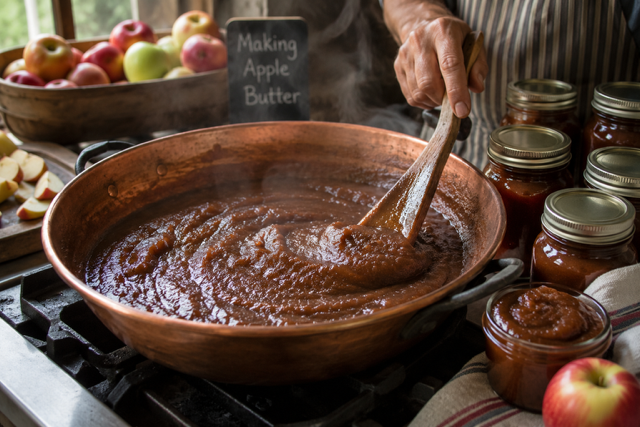
Entire families gathered around enormous copper kettles suspended above wood fires. Hundreds of pounds of apples were peeled, cored, sliced, and stirred continuously for eight to twelve hours using long wooden paddles.
Children took turns stirring while grandparents supervised the cooking, ensuring the mixture never burned. These "apple butter stirrings" became cherished autumn festivals throughout rural America.
Many communities still celebrate these traditions each fall with festivals featuring:
- Giant copper kettles
- Horse-drawn stirring mechanisms
- Live music
- Homemade baked goods
- Local crafts
- Fresh cider
- Historic demonstrations
The aroma of slowly caramelizing apples drifting through crisp autumn air remains unforgettable for anyone fortunate enough to attend.
How Apple Butter Is Made
Unlike applesauce, apple butter undergoes a much longer cooking process.
The basic ingredients are surprisingly simple:
- Apples
- Cinnamon
- Nutmeg
- Cloves
- Allspice
- Optional sugar
- Occasionally cider or apple juice
The apples are first cooked until soft.
They are then pureed before being returned to the kettle where they simmer for several additional hours. As water evaporates, the natural fruit sugars become increasingly concentrated. The apples gradually darken from pale yellow to deep mahogany brown as natural caramelization develops.
Unlike jams or jellies, apple butter contains no added pectin. The thick consistency comes entirely from slow evaporation. The finished product spreads easily yet holds its shape without being runny.
Why Is It Called Butter?
Many people assume butter must contain dairy. In reality, the name originated because early cooks noticed the finished spread resembled softened butter in both texture and spreadability. It became the fruit equivalent of butter for bread. The name simply endured.
The Secret Is Time
Quality apple butter cannot be rushed. Traditional recipes require anywhere from six to twelve hours of slow cooking.
Premium artisan producers still avoid high-temperature commercial processing because slower cooking develops:
- Richer caramel notes
- Deeper apple flavor
- Natural sweetness
- Smooth texture
- Complex spice character
The finest apple butters rarely taste overly sweet. Instead, they deliver layers of cooked apple flavor balanced by subtle spices.
Is Apple Butter Healthy?
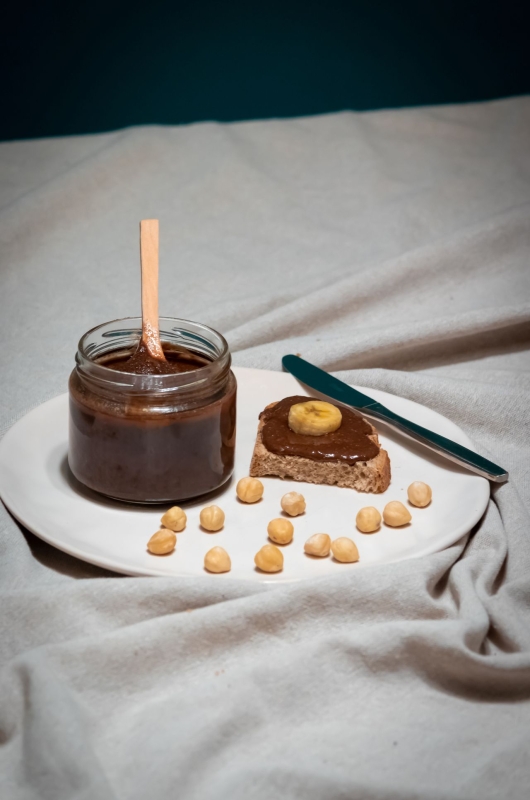
The answer depends largely on how it is made. Fresh apples are among nature's healthiest fruits.
They provide:
- Fiber
- Vitamin C
- Potassium
- Plant antioxidants
- Polyphenols
Unfortunately, much of the fiber is reduced during processing because the fruit becomes pureed. More importantly, many commercial brands add significant amounts of refined sugar. While the apples themselves already contain natural fructose, manufacturers often add cane sugar, brown sugar, corn syrup, or concentrated sweeteners to satisfy consumers accustomed to sweeter spreads.
The Sugar Question
This is where apple butter becomes more controversial.
One tablespoon of commercial apple butter may contain approximately:
- 12–15 calories
- 3–5 grams of sugar
While this may appear modest, most people spread far more than one tablespoon on toast or biscuits. A generous serving can easily deliver 15 to 20 grams of sugar. Some brands derive nearly half of their calories from added sugar. Others rely almost entirely on the apples' own natural sweetness. Reading ingredient labels becomes especially important.
Can It Be Unhealthy?
Apple butter itself is not inherently unhealthy.
The concern arises when:
- Large amounts of sugar are added
- It is eaten frequently
- It replaces fresh fruit
- Portion sizes become excessive
People with diabetes or those monitoring carbohydrate intake should be particularly mindful. Because the apples are concentrated, their natural sugars become more concentrated as well. Even unsweetened apple butter contains naturally occurring fruit sugars. Moderation remains the key.
Are There Health Benefits?
When prepared traditionally with little or no added sugar, apple butter still offers several nutritional advantages.
Antioxidants
Apples contain polyphenols that may help reduce oxidative stress.
Potassium
Important for healthy muscle and nerve function.
Natural Plant Compounds
Some beneficial compounds survive the cooking process.
Lower Fat Alternative
Unlike peanut butter, cream cheese, or dairy butter, apple butter contains virtually no fat or cholesterol.
Flavor Without Heavy Calories
Used sparingly, apple butter can add considerable flavor with relatively few calories.
Choosing the Highest-Quality Apple Butter
Not all apple butter is created equally. Experts generally recommend looking for products with:
Short Ingredient Lists
The fewer ingredients, the better.
Ideally:
- Apples
- Apple cider
- Cinnamon
- Spices
Nothing more.
No High-Fructose Corn Syrup
Many premium producers avoid artificial sweeteners altogether.
No Artificial Preservatives
Traditional apple butter naturally stores well after proper canning.
Locally Produced
Small orchards often produce exceptional apple butter using heirloom apples rather than inexpensive commercial varieties.
Deep Brown Color
Dark coloration generally reflects long, slow cooking rather than artificial coloring.
Thick Consistency
Good apple butter should stay on a knife instead of dripping.
The Best Apples
Many producers blend several apple varieties to achieve complexity.
Popular choices include:
- Jonathan
- Winesap
- Rome Beauty
- Fuji
- Gala
- Golden Delicious
- Granny Smith (for acidity)
A blend usually produces better flavor than a single variety.
Where Is Apple Butter Most Popular?
Although available throughout North America, apple butter enjoys its greatest popularity in several regions.
Pennsylvania
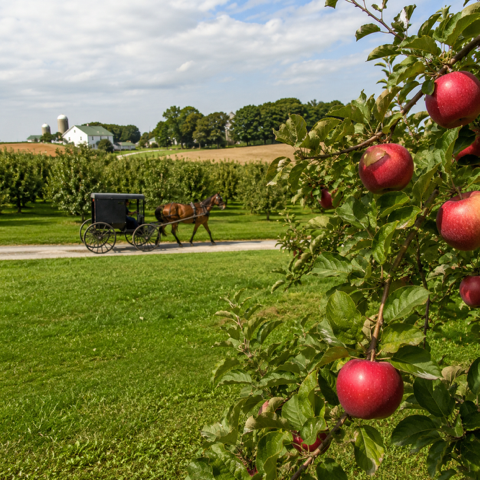
Perhaps nowhere embraces apple butter more than Pennsylvania Dutch Country. Generations of Amish and Mennonite families continue making apple butter using centuries-old recipes. Many roadside markets sell homemade versions each autumn.
Virginia
The Shenandoah Valley has long been known for apple orchards and traditional apple butter festivals.
West Virginia
Apple butter festivals remain major annual events throughout the state. Berkeley Springs hosts one of America's best-known celebrations.
Ohio
Many German-American communities continue preserving old-world recipes.
Tennessee and Kentucky
Apple butter remains closely associated with Appalachian cooking.
Missouri
The state hosts numerous apple festivals where fresh apple butter remains a featured attraction.
Is There an Apple Butter Capital?
Several communities proudly claim the title informally, but Berkeley Springs, West Virginia, is perhaps best known nationally because of its long-running Apple Butter Festival, where visitors watch enormous copper kettles of apple butter being stirred over open fires using traditional methods.
Pennsylvania Dutch Country is equally renowned for preserving centuries-old recipes through Amish and Mennonite communities.
Homemade Versus Commercial
Homemade apple butter often has advantages.
It typically contains:
- Less sugar
- Fewer preservatives
- Better apples
- Richer spices
- Longer cooking times
Commercial brands vary enormously.
Some premium artisan companies closely follow traditional methods, while mass-market versions often rely on added sugars and shorter cooking processes to reduce production costs.
Creative Ways to Enjoy Apple Butter
Although toast remains the classic choice, apple butter pairs wonderfully with many foods.
It complements:
- Warm biscuits
- English muffins
- Pancakes
- Waffles
- Oatmeal
- Yogurt
- Pork loin
- Ham
- Roast turkey
- Sharp cheddar cheese
- Brie
- Cottage cheese
Some chefs even incorporate apple butter into barbecue sauces, marinades, and salad dressings for a subtle sweet-tart depth.
The Bottom Line
Apple butter remains one of America's oldest and most cherished fruit traditions, connecting modern kitchens to centuries of resourceful harvest preservation. Its deep, caramelized flavor is the result of patience rather than complexity—a reminder that simple ingredients can produce extraordinary results when given enough time.
Nutritionally, apple butter occupies a middle ground. Compared with sugary frostings or chocolate spreads, it can be a lighter choice, especially when made without added sweeteners. Yet because both natural and added sugars become concentrated during its long cooking process, it is best enjoyed as a flavorful condiment rather than a health food.