






Arthritis
Origins, Vulnerabilities, Prevention, Treatment, and the Role of Diet
11/18/2025
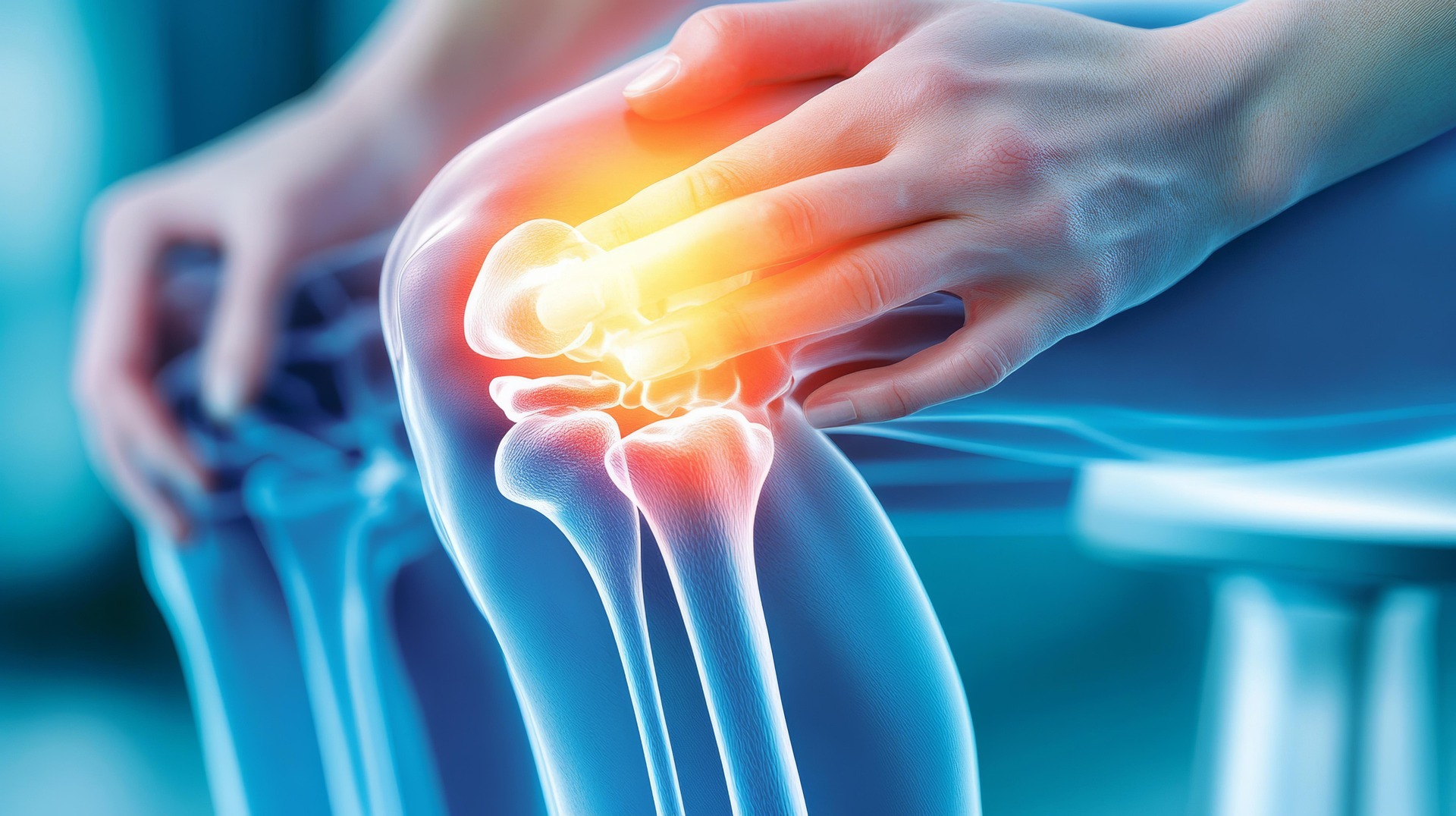
Arthritis—one of the world’s most common chronic health conditions—touches lives across every culture, age group, and socioeconomic background. Characterized by pain, stiffness, inflammation, and gradual erosion of joint integrity, it remains a leading cause of disability worldwide. Yet behind the umbrella term lies a complex spectrum of diseases, each with its own origins, triggers, and long-term implications. Understanding arthritis is not only essential for managing symptoms but also for preventing its progression, minimizing disability, and improving overall quality of life.
This article offers a deep, multi-layered look at arthritis: which parts of the body are most vulnerable, who is most at risk, how strong the genetic component truly is, and the most effective ways—scientific and lifestyle-based—to prevent and treat it. We also examine whether diet affects men and women differently and how nutritional choices can be a powerful tool in managing joint health.
Arthritis is not a single disease; it is an umbrella term for over 100 joint-related disorders. The two most common are:
Often referred to as “wear-and-tear arthritis,” OA occurs when cartilage—the cushioning material between bones—breaks down over time. This leads to bone-on-bone contact, pain, stiffness, and reduced mobility. It accounts for more than 80% of all arthritis cases.
A chronic inflammatory autoimmune disorder in which the body’s immune system mistakenly attacks joint tissues. Unlike OA, which is mechanical, RA is systemic—meaning it can affect organs, blood vessels, and the eyes.
Other forms include:
-
Gout
-
Psoriatic arthritis
-
Ankylosing spondylitis
-
Lupus-related arthritis
Yet all share a common theme: inflammation, structural breakdown, and impaired movement.
Arthritis can affect virtually any joint, but certain areas endure greater stress, repetitive motion, or genetic predisposition. The joints most commonly affected include:
The knee is the most frequently affected joint in osteoarthritis due to its weight-bearing function. Every step exerts pressure equal to 1.5 times body weight, making it highly susceptible to cartilage breakdown.
Small joints in the fingers (especially the distal joints near the fingertips) are extremely vulnerable. Both OA and RA commonly attack them, often leading to:
-
Knobby enlargements (Heberden’s and Bouchard’s nodes)
-
Reduced dexterity
-
Visible joint deformities
Another major weight-bearing joint, the hip is commonly affected by osteoarthritis and can lead to pain radiating down the thigh or groin.
Degenerative changes in the cervical and lumbar vertebrae are extremely common, especially with age. Arthritis in the spine can compress nerves, triggering numbness, tingling, or sciatica.
5. ShouldersAlthough less weight-bearing, the shoulder is prone to arthritis due to repetitive rotational movement and prior injuries.
These joints bear pressure equal to 2–3 times body weight when walking or running. Arthritis here can significantly interfere with mobility.
Arthritis is often perceived as an older person’s disease, but it affects all ages.
An autoimmune version affects children as young as age 1.
Arthritis at this age is often linked to:
-
Sports injuries
-
Obesity
-
Overuse
-
Genetic autoimmune disorders
The incidence of osteoarthritis rises sharply here. Cartilage naturally begins to thin, especially in the knees, hips, and spine.
Seniors (60+)The majority of seniors experience some degree of arthritis, though severity varies dramatically. Risk increases with:
-
Age-related cartilage wear
-
Hormonal changes
-
Declining muscle strength
-
Long-term injuries
-
Before age 50: Men tend to have more gout and injury-related arthritis.
-
After age 50: Women significantly surpass men, especially in osteoarthritis and rheumatoid arthritis.
Hormonal decline—particularly estrogen—plays a major role in this shift.
Yes—genetics play a major role, though not the only role.
If a parent or grandparent had significant OA, the likelihood increases. Inherited traits often involve:
-
Joint shape abnormalities
-
Cartilage composition
-
Tendencies toward ligament laxity
RA has a stronger genetic link than OA. Genes involved in the immune system—especially HLA-DR4 and related markers—raise susceptibility. However:
-
Most people with the gene never develop RA
-
Environment and lifestyle still play massive roles
-
Obesity
-
Injury
-
Smoking (a major RA risk factor)
-
Hormonal changes
-
Viral or bacterial infections
So while genetics opens the door, environment generally walks through it.
Preventing arthritis—especially osteoarthritis—is extremely achievable with lifestyle choices. While genetics can’t be changed, risk can be dramatically reduced.
Every pound lost relieves:
-
4 pounds of pressure off the knees
-
6 pounds off the hips
This is the single most effective way to prevent OA.
Strong muscles absorb shock, stabilizing and protecting joints.
Best strengthening exercises:
-
Pilates (excellent for core and spine)
-
Resistance training
-
Body-weight exercises
-
Swimming and water aerobics
-
Yoga
Repetitive joint pounding leads to premature wear:
-
Long-distance running on concrete
-
High-impact aerobics
-
Excessive kneeling or squatting
-
Heavy lifting without proper form
Balance impact sports with low-impact cross-training.
Torn ligaments or cartilage dramatically increase OA risk years later.
Chronic systemic inflammation increases risk for most types of arthritis.
Reduce inflammation with:
-
Omega-3–rich foods
-
Regular exercise
-
Adequate sleep
-
Limiting alcohol
-
Avoiding smoking
Often the most effective—and safest—long-term treatments.
Exercise
Movement is medicine for the joints. Low-impact exercise reduces pain and improves mobility:
-
Swimming
-
Cycling
-
Walking
-
Tai chi
-
Pilates
Heat & Ice
-
Heat relaxes stiff muscles
-
Ice reduces inflammation after activity
Weight Management
Sustained weight loss often reduces knee pain by up to 50%.
For Osteoarthritis
-
Acetaminophen
-
NSAIDs (ibuprofen, naproxen)
-
Topical diclofenac
-
In some cases, duloxetine for chronic pain
For Rheumatoid Arthritis
-
DMARDs (methotrexate, leflunomide)
-
Biologics (Humira, Enbrel)
-
JAK inhibitors
These can significantly slow or halt progression.
-
Cortisone for short-term inflammation relief
-
Hyaluronic acid (viscosupplementation) for lubrication in the knee
-
Platelet-rich plasma (PRP) to stimulate healing in select cases
These are not cures but may improve comfort:
-
Acupuncture
-
Massage therapy
-
Tumeric/curcumin
-
Omega-3 supplements
-
Glucosamine + chondroitin
When joint damage is severe:
-
Joint replacement (hip, knee, shoulder)
-
Arthroscopy for mechanical issues
-
Joint fusion for small joints
Modern joint replacements have success rates above 95%, often lasting 20–30 years.
Diet directly affects inflammation, cartilage health, and body weight—all key factors in arthritis.
Foods that reduce arthritis risk:
-
Salmon, sardines, and other fatty fish
-
Leafy greens
-
Ginger, turmeric
-
Berries
-
Olive oil
-
Nuts
Foods that increase inflammation:
-
Processed meats
-
Refined sugars
-
Excess alcohol
-
Trans fats
-
Ultra-processed packaged foods
Hormones, metabolism, and body composition differ, which means diet can affect arthritis differently:
For Women-
Women tend to experience more inflammatory arthritis (RA)
-
Estrogen influences cartilage health; after menopause, dietary estrogen-like compounds (soy, flaxseed) may help
-
Women often experience stronger inflammatory reactions to sugar spikes
-
Men are more prone to gout, driven by purines in red meat, shellfish, and alcohol (especially beer)
-
Men often carry more visceral fat, a major source of inflammatory cytokines
-
Reducing alcohol and red meat has a more dramatic benefit for men
Both sexes benefit significantly from a Mediterranean-style anti-inflammatory diet.
Arthritis is not merely a disease of aging; it is a progressive condition influenced by lifestyle, genetics, injury, and inflammation. While some risk factors cannot be changed, many can be dramatically reduced through proactive choices.
The most promising strategy blends:
-
Weight management
-
Consistent low-impact exercise
-
A targeted anti-inflammatory diet
-
Early treatment of injuries
-
Medication or injections when appropriate
-
Avoiding smoking and excessive alcohol
While there is no outright cure, a thoughtful, disciplined approach can significantly minimize pain, preserve mobility, and enable a full, active life well into the senior years.