






Arugula: Its Origins, and Nutritional Benefits
How to enjoy this peppery green, and can it cause discomfort
9/20/2026

Arugula brings a distinctive personality to a meal. Its tender leaves have a peppery bite that can brighten a salad, balance a rich pizza, or add freshness to a bowl of pasta. Known as rocket in many English-speaking countries and rucola in Italy, it is both a familiar Mediterranean ingredient and an easy addition to everyday cooking.
For most people, arugula fits comfortably into a varied, nutritious diet. It supplies vitamins and minerals with very few calories, and its flavor makes it useful in both raw and cooked dishes. Some people, however, may experience bloating or discomfort after eating it, especially as part of a large raw salad. Understanding portions, preparation, and individual tolerance helps make sense of these different experiences.
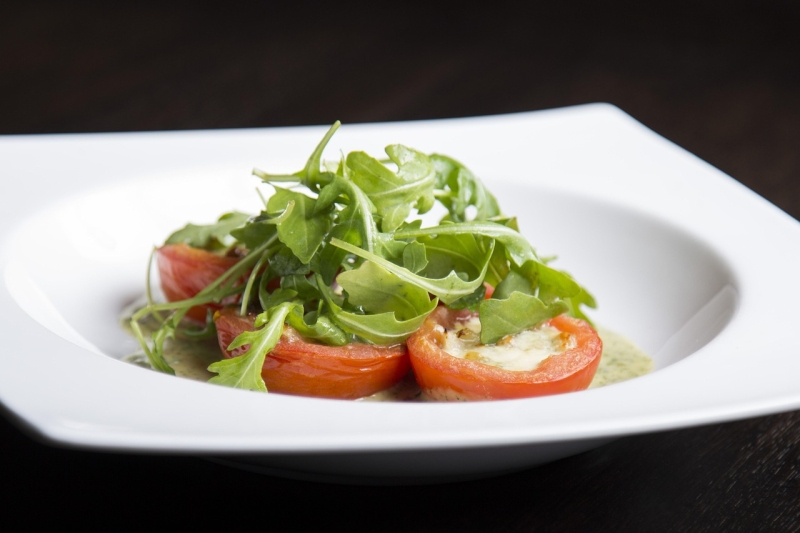
Arugula has roots in the Mediterranean region and neighboring parts of Asia. According to the University of Wisconsin–Madison Extension, it has been cultivated since at least Roman times. Its long association with Italian cooking helps explain why it appears so naturally alongside olive oil, pasta, tomatoes, and cheese.
Historical uses extended beyond the salad bowl: its seeds once appeared in preparations believed to have aphrodisiac qualities. That is a detail of culinary and cultural history, rather than evidence of a proven medical benefit. Although arugula is an ancient crop, its broader popularity in the United States developed much more recently, particularly during the 1990s.
Despite its resemblance to lettuce, arugula belongs to the mustard family, Brassicaceae, which also includes cabbage, broccoli, and radishes. Cultivated arugula is commonly identified as Eruca sativa or Eruca vesicaria subsp. sativa. Another plant sold as wild arugula, Diplotaxis tenuifolia, is a related but distinct species.
Arugula grows best as a cool-season crop. Young leaves are generally the most appealing for fresh use; older leaves can become tougher and more bitter. Its flowers, seeds, and young seed pods are also edible, although the leaves are what most shoppers encounter.
Arugula offers useful nutrients without adding much energy to a meal. A 100-gram portion of raw arugula contains approximately 25 calories, 2.6 grams of protein, and 1.6 grams of fiber. It also supplies vitamin K, vitamin C, calcium, magnesium, and potassium.
Portion size matters when interpreting those numbers. A light scattering over a sandwich weighs much less than 100 grams and therefore supplies much smaller amounts. Arugula contributes to overall nutrition, but a garnish cannot replace substantial sources of protein, calcium, or fiber. Its fiber contribution, in particular, is modest compared with foods such as beans or whole grains.
Vitamin K is one of its notable nutrients. The body uses this vitamin in normal blood clotting and bone health. Eating vitamin K–containing vegetables can help meet nutritional needs, although that does not mean arugula alone prevents fractures or treats osteoporosis.
There is also a practical benefit to a vegetable that tastes interesting. For someone who finds plain greens unappealing, arugula can make a vegetable-rich meal more enjoyable. A handful added to eggs, grains, or a sandwich creates another opportunity to include vegetables during the day.

Like other cruciferous vegetables, arugula contains glucosinolates, sulfur-containing compounds associated with the family’s pungent flavors. Cutting, chewing, and digestion help transform these substances into other biologically active compounds.
Researchers have studied some of these compounds for potential effects on processes involved in cancer development. Laboratory and animal findings have provided reasons for further investigation, but studies in people have produced mixed results. It would therefore be misleading to describe arugula as a food that prevents or treats cancer.
The evidence supports including a variety of vegetables in a healthy eating pattern. It does not establish a special dose of arugula that protects against disease. Claims that it “detoxes” the body or cures digestive disorders go beyond what the cited research demonstrates.
Arugula is especially useful when a dish needs freshness and a little sharpness. The following ideas offer different ways to use it without letting its flavor dominate.
Build a balanced salad. Combine arugula with a milder green if its pepperiness is unfamiliar. Add cucumber, roasted carrots, or sliced pear, then finish with a little olive oil and a dressing you enjoy. Beans, chicken, fish, or tofu can turn the salad into a more substantial meal.
Finish a pizza or flatbread. Scatter a small handful over the surface after baking. The contrast between the warm base and fresh leaves is part of the appeal. Start sparingly so the greens complement the other ingredients.
Fold it into pasta. Toss arugula with freshly cooked pasta just before serving. Residual heat softens the leaves. Olive oil and a little grated cheese make a simple combination; roasted vegetables or white beans add variety.
Use it in sandwiches. A few leaves can add character to an egg sandwich, a turkey sandwich, or a roasted-vegetable wrap. This is also an easy way to try arugula in a small portion before making it the base of a salad.
Make a peppery pesto. Blend arugula with olive oil, nuts or seeds, and Parmesan if desired. Mixing it with basil produces a gentler flavor. Add garlic according to taste and tolerance.
Try it warm. Briefly wilt the leaves in a pan with a little olive oil, or stir them into soup near the end of cooking. Chopped arugula also works in scrambled eggs and omelets. Cooking offers a softer texture for people who do not enjoy raw leaves.
These are flexible kitchen suggestions rather than prescribed recipes. Arugula can play a small supporting role in a meal; there is no need to eat a large bowl to make it worthwhile.

Yes, some people may notice discomfort after eating arugula, but it is not universally difficult to digest. Research specifically examining arugula as a digestive trigger is limited. Much of the practical advice comes from broader knowledge about vegetables, fiber, meal size, and individual food tolerance.
Gas can develop when intestinal bacteria break down carbohydrates that were not fully digested earlier in the digestive tract. The National Institute of Diabetes and Digestive and Kidney Diseases notes that cruciferous vegetables can increase gas in some people. Large amounts of fiber may also cause symptoms.
That does not mean a few arugula leaves will have the same effect as a large serving of another cruciferous vegetable. Foods differ, and so do people. A large salad also contains several possible contributors, making it difficult to blame one ingredient from a single episode.
For someone with irritable bowel syndrome, dietary changes may require more care. Adding fiber too quickly can worsen gas and bloating, and different people respond to different adjustments. Arugula is neither a universal IBS trigger nor a treatment for the condition. If symptoms repeatedly follow meals, a dietitian can help identify patterns without unnecessarily removing many nutritious foods.
Arugula’s peppery taste may lead people to assume that it causes acid reflux. Taste alone does not establish that connection, and arugula is not identified as a universal reflux trigger in the NIDDK guidance.
The rest of the meal deserves attention. A salad may include citrus dressing, tomatoes, or a large amount of fat, all of which can contribute to reflux symptoms in susceptible people. Meal timing can also matter: eating at least three hours before lying down may help people who experience nighttime symptoms.
If heartburn follows an arugula salad, consider the ingredients and timing before deciding that the leaves were responsible. Individual patterns are more useful than a blanket rule that everyone with reflux must avoid this vegetable.
When symptoms are mild and there are no signs of allergy, a reasonable starting point is a smaller portion in an otherwise familiar meal. Record what was eaten and how you felt afterward. Changing one element at a time makes the pattern easier to interpret.
You might also compare raw leaves with a small amount that has been gently wilted. Cooking changes the texture, though it does not guarantee that a food will be tolerated. There is no need to keep eating something that repeatedly causes discomfort simply because it has a healthy reputation.
Persistent symptoms deserve medical attention rather than repeated food experiments. Severe or constant abdominal pain, difficulty swallowing, frequent vomiting, black stools, or unexplained weight loss should be assessed promptly.

A food allergy is different from ordinary gas or bloating. Symptoms such as an itchy mouth, hives, or swelling after eating warrant attention, whether the suspected food is arugula or another ingredient. Sudden swelling of the tongue or throat, breathing difficulty, or faintness can indicate a severe allergic reaction and require emergency help. Do not deliberately retry a food at home after a suspected serious reaction.
People taking warfarin should also pay attention to arugula’s vitamin K content. The usual goal is a consistent vitamin K intake, guided by the prescribing clinician. A sudden move from occasional greens to large daily salads can affect treatment. This concern is a medication interaction, not a digestive side effect
Finally, handle arugula as carefully as other fresh greens. Keep it refrigerated, discard rotten leaves, and follow package preparation instructions. Wash loose, unwashed leaves under running water; do not use soap or household detergent. Keep them separate from raw meat and contaminated utensils. Washing reduces contamination but cannot remove every harmful microorganism.
Arugula earns its place in the kitchen through its versatility: a few leaves can brighten lunch, while a gently wilted handful can finish dinner. Choosing a preparation and portion that you enjoy—and that agrees with your digestion—makes it easier to include this longstanding Mediterranean ingredient in everyday meals.