






Bariloche, Argentina
Lakeside Splendor at the Edge of the Andes
4/22/2025
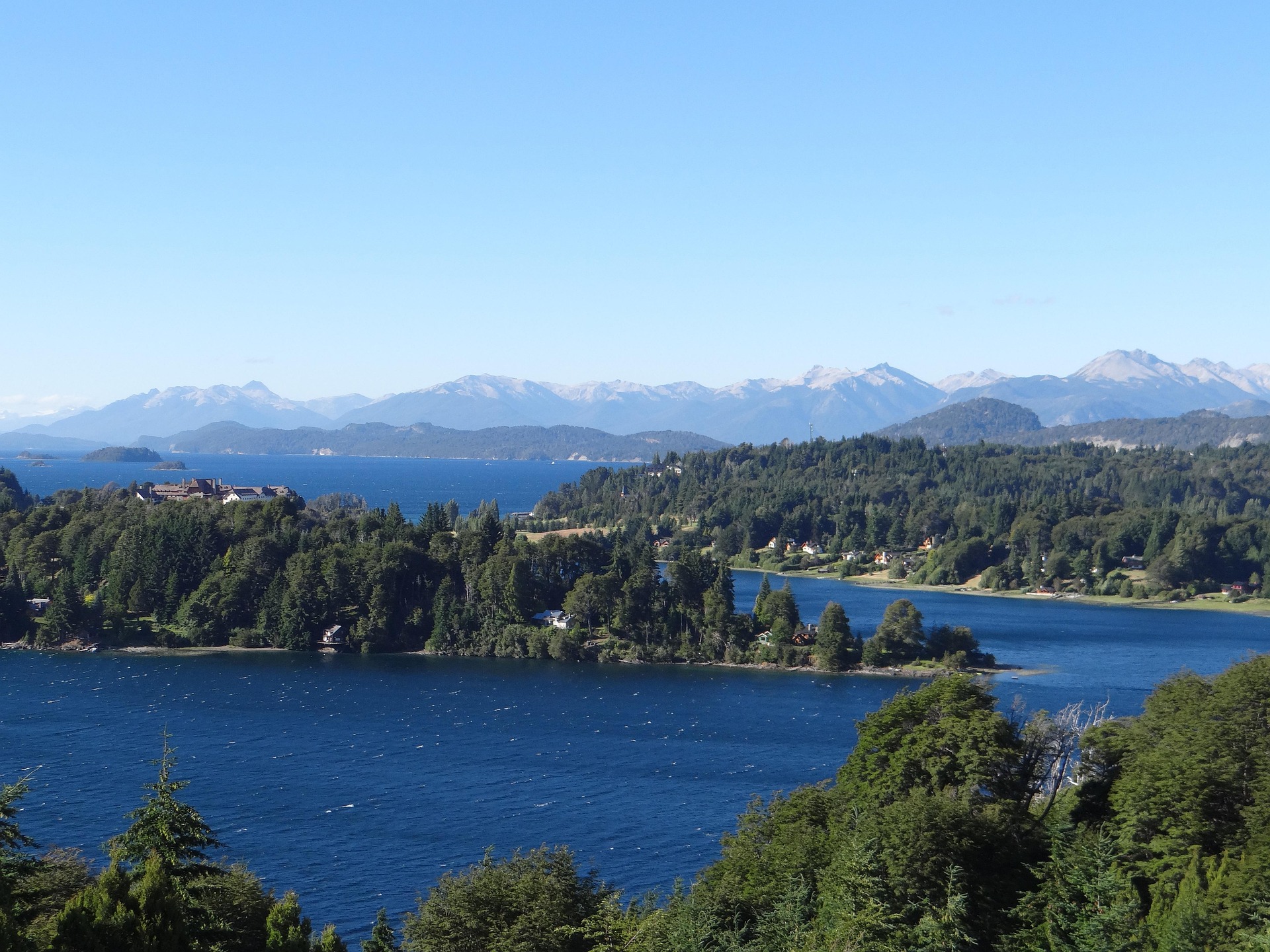
Nestled in the Andean foothills of Patagonia, the city of San Carlos de Bariloche, more commonly known as simply Bariloche, is a breathtaking blend of Alpine charm, glacial lakes, snow-capped peaks, and rich Argentine culture. Situated in the Río Negro province of southern Argentina, Bariloche borders the immense Nahuel Huapi Lake, whose icy blue waters reflect the surrounding mountains and forests. At once an adventure lover’s paradise and a serene retreat for those seeking natural beauty, Bariloche is a year-round destination that has captivated travelers from around the world for decades.
The people of Bariloche reflect the diverse threads that have shaped its history. Indigenous groups such as the Mapuche once dominated this region and still contribute to the cultural tapestry, especially in smaller rural settlements and artisan markets.
In the early 20th century, a wave of European immigrants, primarily from Germany, Switzerland, and Italy, arrived in Bariloche, bringing with them alpine architecture, skiing traditions, and even chocolate-making. This European influence is evident in the city’s architecture, cuisine, and customs. Walking through downtown Bariloche, one might feel momentarily transported to a Bavarian village, complete with wooden chalets, flower boxes, and bustling chocolate shops. Today, the city has around 135,000 residents, many of whom work in tourism, agriculture, and local crafts. The people are known for their warm hospitality and pride in their majestic homeland.
Bariloche lies within the boundaries of Nahuel Huapi National Park, a spectacular expanse of preserved wilderness. The Nahuel Huapi Lake is the region’s crown jewel—deep, glacial, and dotted with islands. It connects through an intricate network of lakes and rivers, many of which stretch westward toward the Chilean border. This area forms part of the "Andean Lakes Crossing" route, a stunning journey through the Andes that combines boat rides and bus transfers, linking Bariloche with Puerto Varas and Puerto Montt in Chile. This historic trail was once used by indigenous peoples and later by Jesuit missionaries and explorers crossing from the Pacific to the Atlantic. Today, it offers a unique way to experience both Argentine and Chilean Patagonia in a single trip, navigating through lakes like Lago Frías, Lago Espejo, and Lago Todos los Santos.
Though tourism is the primary economic driver, Bariloche and its surrounding valleys are rich in natural produce and artisanal goods.
Notable Regional Products:-
Chocolate: Bariloche is often dubbed the “Chocolate Capital of Argentina.” A stroll along Mitre Street unveils countless chocolate shops—such as Rapa Nui, Mamuschka, and Tante Frida—selling handcrafted truffles, chocolate bars, and hot cocoa.
-
Craft Beer: A booming microbrewery scene has emerged, inspired by German brewing traditions. Breweries like Cervecería Patagonia and Manush offer panoramic views and tastings of local ales, IPAs, and stouts.
-
Berries and Jams: The surrounding valleys produce an abundance of blueberries, raspberries, and cherries, often turned into homemade jams and preserves sold at markets and roadside stands.
-
Wood and Leather Craft: The mountainous terrain fosters skilled artisans who work in s, making for meaningful and rustic souvenirs.
-
Lamb and Trout: Local cuisine includes Patagonian lamb, often slow-cooked on a traditional asado (barbecue), and , a delicacy caught in nearby lakes and rivers.
Whether it's skiing the slopes of Cerro Catedral, hiking through lush lenga forests, or kayaking the pristine Lago Moreno, the natural landscape around Bariloche is a wonderland for outdoor enthusiasts.
Few places combine a Swiss alpine atmosphere with a distinctly Argentinian soul. From sipping mate in a log cabin to dancing tango in a lakeside lodge, Bariloche offers a cultural fusion like no other.
Despite its remote feel, Bariloche is surprisingly accessible. It has a well-connected airport (Teniente Luis Candelaria International Airport) and good infrastructure for travelers.
The Circuito Chico and Route of the Seven Lakes offer spectacular drives through forests, lakes, and mountains, ideal for photographers and nature lovers alike.
As mentioned, Bariloche is a strategic launch point for trips into southern Chile, making it a hub for cross-border exploration of the Patagonian Andes.
Bariloche is a four-season destination, with each period offering unique experiences:
Summer (December–February):-
Best for hiking, lake sports, and scenic drives
-
Warm days and cool nights; temperatures around 65–80°F (18–27°C)
-
Ideal for family vacations, swimming, and boating
-
Spectacular foliage in reds, oranges, and golds
-
Fewer crowds; perfect for photographers and romantic getaways
-
Mild temperatures and cozy evenings
-
Ski season at Cerro Catedral, one of South America’s top resorts
-
Snow-capped landscapes and alpine ambiance
-
Great for snow sports, chocolate festivals, and après-ski culture
-
Wildflowers in bloom, baby animals in the wild
-
Lower prices and mild weather
-
Excellent time for hiking and cycling
Bariloche is more than just a pretty mountain town—it’s a destination where converge in stunning harmony. From its lakes to its European heritage, artisan food culture, and adventure tourism, Bariloche offers a Patagonian experience like no other. Whether you come for the powdered slopes of winter, the sunlit trails of summer, or the quiet colors of fall, Bariloche stands ready to enchant.