






Big Sky, Montana
The High-Altitude Renaissance: The Past, Present, and Future of Big Sky, Montana
4/2/2026
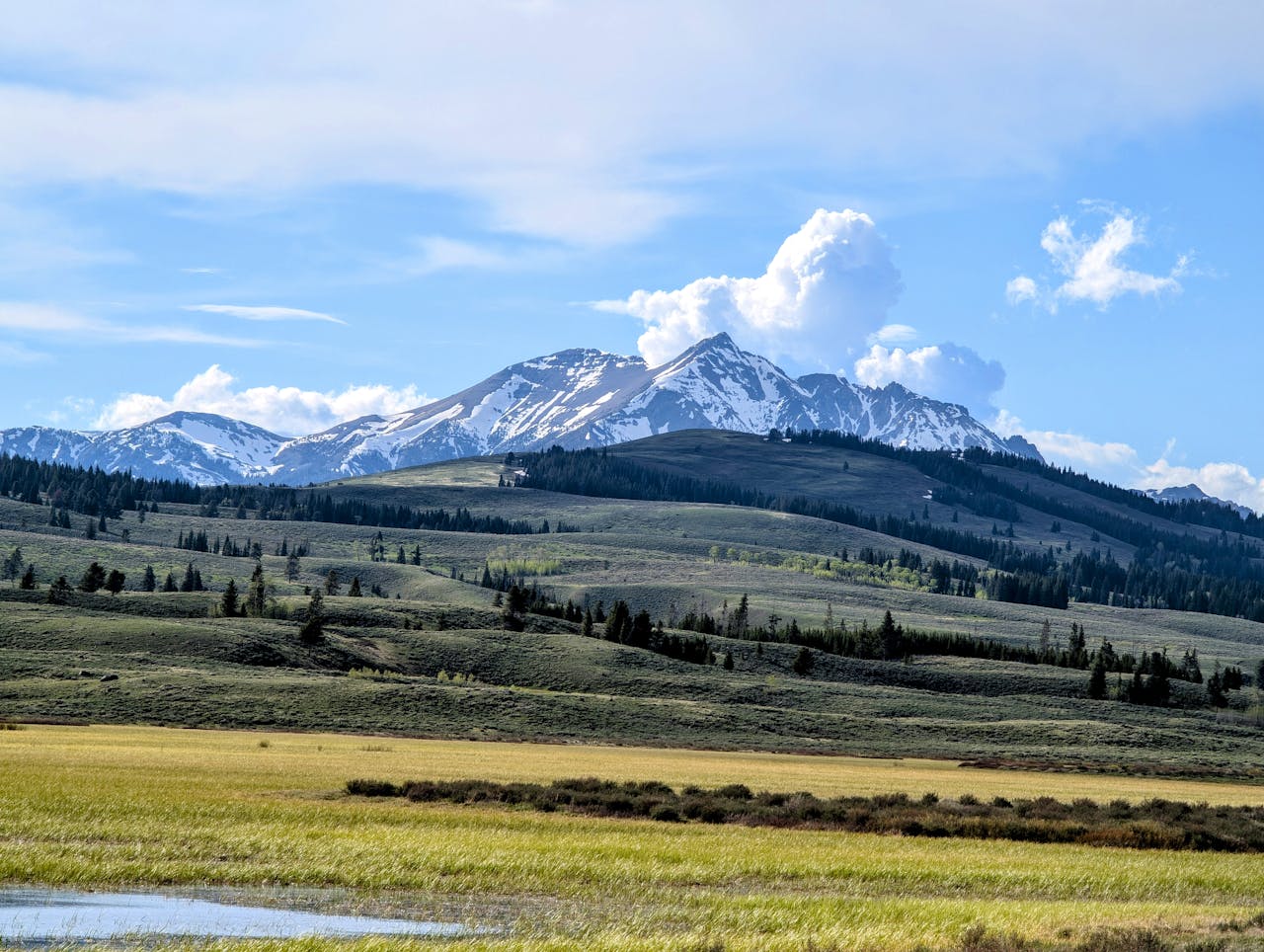
In the modern travel landscape of 2026, few names command as much reverence as Big Sky, Montana. Recently ranked as a top global trending destination, this alpine enclave has seen a nearly 100% surge in interest over the last year. But to understand the allure of Big Sky, one must look beyond the luxury gondolas and Five-Star resorts to the rugged "checkerboard" history that defined its soil long before it became a household name.
The Rugged Roots of the Gallatin Canyon
Long before the first ski lift was bolted into the side of Lone Peak, the Gallatin Canyon was a transient landscape. Native American tribes, including the Shoshone, Nez Perce, Blackfoot, and Sioux, moved through these high meadows for thousands of years, hunting elk and bison in the lush alpine basins. However, the terrain was so formidable and the winters so punishing that permanent settlement was rare.
The mid-1800s brought European explorers and the 1862 Montana Gold Rush. While prospectors found riches in nearby Virginia City, the Gallatin Valley remained largely a corridor for timber and fur trapping. It wasn't until the Homestead Act that the first "permanent" residents arrived. In 1901, Augustus Franklin Crail purchased 160 acres for just $1 per acre, establishing the Crail Ranch. For nearly 70 years, the population of what we now call Big Sky hovered at fewer than 50 souls—hardy ranchers and loggers who braved isolation and sub-zero temperatures.
The Vision of Chet Huntley
The turning point for Big Sky came not from a developer, but from a journalist. Chet Huntley, the legendary NBC news anchor of The Huntley-Brinkley Report, was a native Montanan with a dream of "clean" economic growth for his home state.
Retiring from the news desk in 1970, Huntley returned to the mountains to spearhead the creation of Big Sky Resort. He envisioned a year-round "four-season playground" that would break Montana’s historical cycle of boom-and-bust mining and logging. Though Huntley passed away just three days before the resort’s official dedication in 1974, his legacy is the foundation of the community. Today, landmarks like the Huntley Lodge and "Chet’s Bar" serve as reminders of the man who saw a world-class destination in a quiet sheep-grazing meadow.
Why the World is Moving to Big Sky in 2026
Today, Big Sky has transcended its reputation as just a "ski town" to become a primary residence for those seeking a specific intersection of wilderness and ultra-luxury.
• The "Quiet Luxury" Movement
As travelers and homeowners flee the over-commercialized crowds of traditional mountain hubs, Big Sky offers a "wilder" alternative. The opening of the One&Only Moonlight Basin in late 2025—the brand's first U.S. resort—ushered in a new era of hospitality. With all-glass viewing platforms like Kircliff perched at 11,166 feet, the region caters to a demographic that values silence, space, and sophisticated design.
World-Class Outdoor Access
- Winter: With over 5,800 acres of skiable terrain, Big Sky Resort is one of the largest in North America. The "Biggest Skiing in America" isn't just a marketing slogan; it refers to the massive vertical drop and the absence of lift lines compared to Colorado or Utah.
- Summer: Being only an hour from the West Entrance of Yellowstone National Park, Big Sky serves as a basecamp for the world's first national park. Locally, the Gallatin River offers some of the finest blue-ribbon fly fishing on the planet.
- The Lifestyle Shift: For those looking to move, the state’s appeal lies in its "healthspan" benefits. Montana consistently ranks high for air quality and outdoor activity levels. The recent surge in remote work has allowed professionals to trade smog for "Bluebird" days.
Part IV: Considerations for the Move
Moving to Big Sky is a pursuit of a higher quality of life, but it comes with the realities of high-altitude living:
- The Real Estate Landscape: The market is competitive, with a mix of custom mountain estates, modern condos in the Mountain Village, and gated communities in Moonlight Basin.
- Infrastructure & Climate: New residents must adapt to "mountain time" and mountain logistics. Services like specialized healthcare and major shopping often require a trip to Bozeman, which is about an hour’s drive through the scenic but winding Gallatin Canyon.
- Sustainability: As of 2026, the community is heavily focused on "Smart Travel" and sustainable management to protect the very wilderness that draws people there.
Big Sky is no longer Montana’s best-kept secret. It is a testament to the power of a singular vision—Chet Huntley’s dream of a place where the grandeur of the landscape is preserved even as it is shared with the world. Whether you are visiting for the thrill of the Lone Peak Tram or moving to wake up under the "Big Sky" every morning, the region offers a rare commodity in the modern world: a sense of true, unbridled scale.