






bone-on-bone knee ailment
Knowing When Knee Replacement May Be the Right Choice
5/9/2026
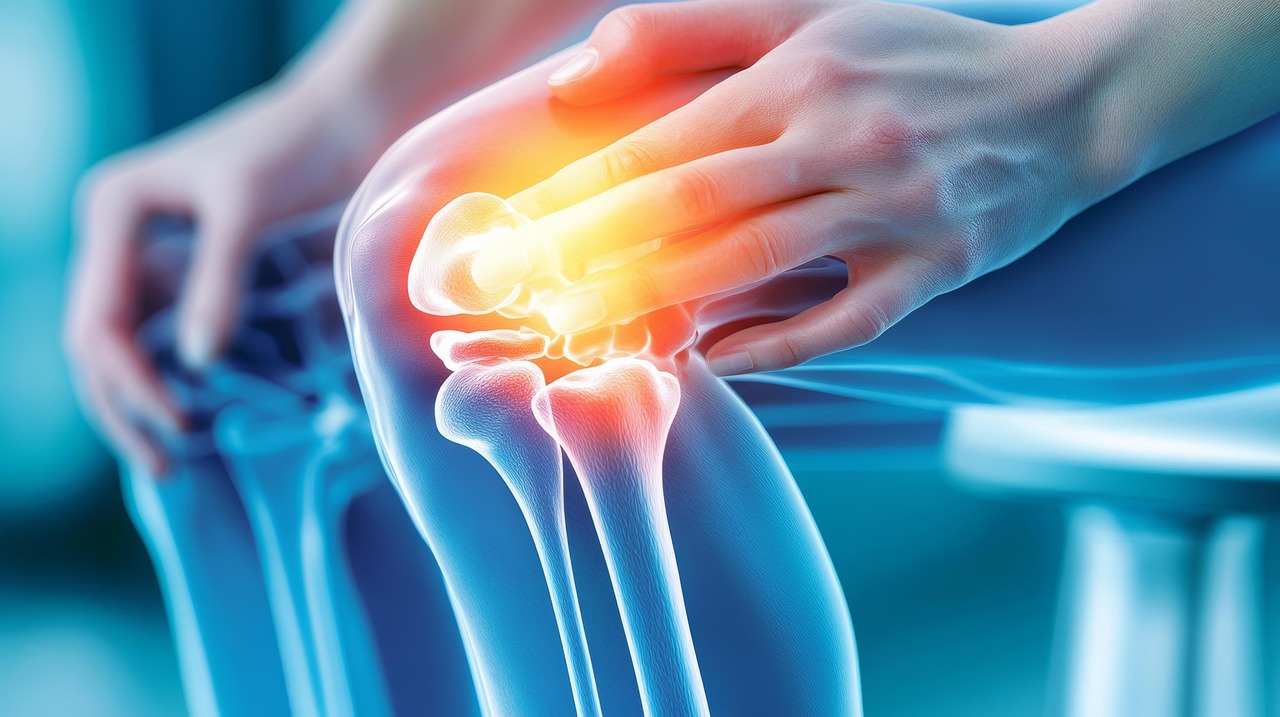
A diagnosis of “bone-on-bone” knee degeneration is one of the more frustrating and painful conditions many adults eventually face. Whether caused by aging, years of athletic activity, previous injury, excess body weight, genetics, or inflammatory disease, the condition can slowly transform a once-active life into one limited by discomfort, stiffness, swelling, and reduced mobility.
For some individuals, the pain arrives gradually over years. For others, it seems to appear almost overnight after a twisting injury, a fall, or the worsening of long-term arthritis. The phrase “bone-on-bone” itself sounds severe — and often it is — but modern medicine now offers a broad spectrum of treatments that can dramatically improve quality of life long before knee replacement surgery becomes necessary.
Understanding what the condition truly means, and how to approach treatment wisely, can make a tremendous difference in both pain management and long-term mobility.
What Does “Bone-on-Bone” Actually Mean?
Inside a healthy knee joint is a layer of smooth cartilage that cushions the bones and allows them to glide effortlessly during movement. This cartilage acts almost like a shock absorber.
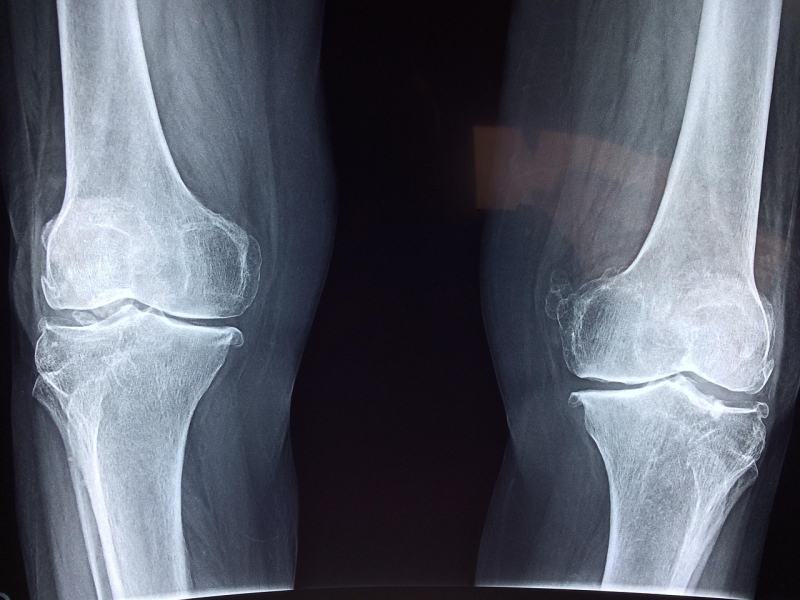
Over time, however, that protective cartilage can begin to wear away. When the cartilage becomes thin or disappears entirely, the bones of the knee joint begin rubbing directly against one another. This is what physicians commonly refer to as “bone-on-bone.”
The condition is usually associated with advanced osteoarthritis, although traumatic injury and inflammatory conditions can also contribute.
The knee may then develop:
- Chronic inflammation
- Grinding sensations
- Stiffness
- Swelling
- Reduced flexibility
- Weakness
- Deformity such as bow-leggedness or knock-knees
- Sharp pain during walking or stair climbing
Many patients describe the feeling as though the knee is “crunching,” “locking,” or “catching” during movement.
Why the Knee Is So Vulnerable
The knee is one of the most heavily stressed joints in the human body. Every step places significant force through the joint. Activities such as climbing stairs, kneeling, tennis, golf, skiing, hiking, and running place even greater pressure on the cartilage.
Common causes of bone-on-bone deterioration include:
Aging
Cartilage naturally loses elasticity and hydration with age.
Previous Injury
Old sports injuries, ligament tears, or meniscus damage can accelerate arthritis dramatically.
Genetics
Some individuals are genetically predisposed to cartilage deterioration.
Excess Body Weight
Even modest weight gain increases pressure across the knee joint significantly.
Repetitive Motion
Construction workers, athletes, dancers, and individuals with physically demanding jobs often develop accelerated wear.
Inflammatory Conditions
Diseases such as rheumatoid arthritis can destroy joint cartilage much faster than ordinary aging.
Symptoms That Often Signal Advanced Knee Degeneration
Individuals suffering from severe knee arthritis often experience:
- Morning stiffness
- Pain when rising from a chair
- Difficulty climbing stairs
- Swelling after activity
- Audible cracking or popping
- Reduced walking endurance
- Sleep disruption from pain
- Difficulty kneeling
- Loss of confidence in balance
- Joint instability
In more advanced cases, the knee may visibly enlarge or become misshapen.
Can Bone-on-Bone Knees Heal Naturally?
Unfortunately, fully worn cartilage does not regenerate easily. Unlike skin or muscle tissue, cartilage has very limited blood supply, which severely limits its healing capacity.
However, this does not mean all hope is lost.
Many individuals successfully delay knee replacement for years — sometimes even decades — through a combination of intelligent therapies, exercise, injections, weight management, and lifestyle modifications.
The key is often reducing inflammation while strengthening the muscles surrounding the joint.
The Importance of Exercise
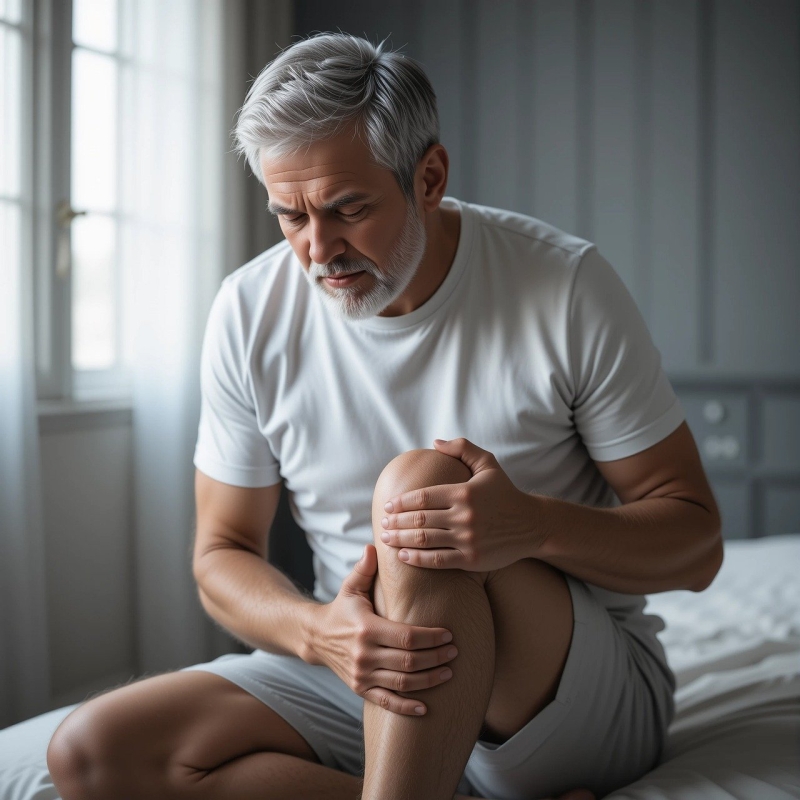
One of the greatest misconceptions is that exercise worsens bone-on-bone knees. In reality, properly selected exercise is often one of the best treatments available.
Weak muscles place additional stress on the knee. Strengthening the muscles surrounding the joint helps absorb shock and stabilize movement.
Helpful exercises often include:
Walking
Moderate walking helps maintain circulation and mobility.
Stationary Cycling
Cycling is excellent because it improves motion without excessive joint impact.
Swimming
Water reduces body weight pressure on the knees while allowing muscles to strengthen.
Pilates
Controlled movements can improve flexibility, posture, and balance.
Leg Strengthening
Exercises targeting the quadriceps, hamstrings, calves, and glutes often reduce knee stress significantly.
Stretching
Gentle stretching can improve range of motion and decrease stiffness.
Exercises That May Aggravate the Condition
Certain activities may worsen severe arthritis:
- High-impact running
- Jumping exercises
- Deep squats
- Repetitive kneeling
- Heavy leg presses
- Aggressive sports involving twisting
Each individual differs, however, and activity modification is usually more beneficial than complete inactivity.
Weight Loss: One of the Most Effective Treatments
Even losing 10 to 15 pounds can dramatically reduce knee pain.
Research has shown that every pound of body weight may place roughly four pounds of pressure across the knee joint during walking.
This means a 20-pound weight loss may reduce approximately 80 pounds of stress on the knees with each step.
For many patients, weight reduction alone noticeably improves mobility and delays surgery.
Anti-Inflammatory Diets and Nutrition
Certain dietary approaches may help decrease inflammation within the body.
Many physicians and nutritionists encourage:
- Omega-3 rich fish
- Leafy green vegetables
- Berries
- Olive oil
- Turmeric
- Ginger
- Nuts
- Reduced processed sugar
- Reduced excessive alcohol intake
Some individuals also find benefit from limiting highly processed foods and inflammatory oils.
Creams, Gels, and Topical Remedies
Topical treatments can provide meaningful temporary relief for some individuals.
Popular options include:
Diclofenac Gel
A prescription or over-the-counter anti-inflammatory gel commonly used for arthritis pain.
Capsaicin Cream
Derived from chili peppers, capsaicin may reduce nerve pain signals.
CBD Creams
Some patients report relief using CBD-based topical products, although research continues regarding long-term effectiveness.
Menthol-Based Creams
Cooling creams can temporarily soothe discomfort and stiffness.
These remedies do not rebuild cartilage but may improve daily comfort.
Oral Medications
Physicians commonly recommend:
- Acetaminophen
- Ibuprofen
- Naproxen
- Prescription anti-inflammatory medications
While helpful, long-term use can sometimes affect the stomach, kidneys, liver, or cardiovascular system.
Medical supervision is important, especially in older adults.
Knee Braces and Support Devices
Modern braces can redistribute pressure away from damaged portions of the knee.
Some braces are specifically designed for:
- Inner knee arthritis
- Outer knee arthritis
- Stability enhancement
- Shock reduction
A properly fitted brace may improve walking ability significantly.
Canes and walking poles can also reduce joint stress.
Cortisone Injections
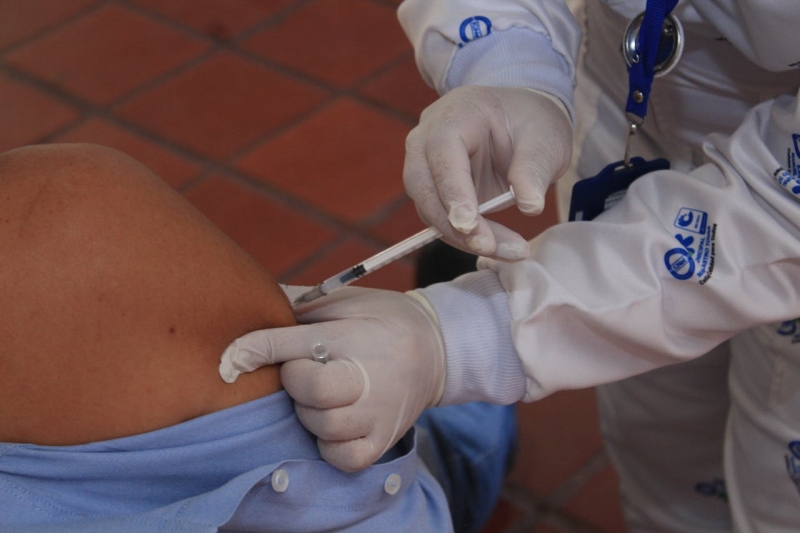
Cortisone injections are among the most common treatments for advanced knee arthritis.
These injections help reduce inflammation and swelling inside the joint.
Benefits may include:
- Reduced pain
- Improved mobility
- Temporary symptom relief
However, relief duration varies dramatically.
Some patients experience relief for:
- A few weeks
- Several months
- Occasionally longer
Repeated cortisone injections too frequently may potentially weaken tissues over time, so physicians generally limit how often they are administered.
Hyaluronic Acid Injections (“Gel Injections”)
These injections attempt to supplement the lubricating fluid within the knee.
Popularly known as “gel shots,” they may:
- Improve cushioning
- Reduce friction
- Improve movement
- Delay surgery for some patients
Results vary considerably.
Some individuals experience substantial relief, while others notice minimal improvement.
These injections often work better in moderate arthritis than in extremely advanced bone-on-bone deterioration.
PRP and Regenerative Therapies
Platelet-Rich Plasma (PRP) injections use components from the patient’s own blood in an attempt to stimulate healing.
Stem cell therapies are also being explored.
These treatments remain somewhat controversial because results are inconsistent and insurance coverage is often limited.
Some patients report meaningful improvement, while others experience little change.
Research continues to evolve rapidly in this field.
The Emotional Toll of Chronic Knee Pain
Bone-on-bone arthritis affects far more than the joint itself.
Many individuals experience:
- Depression
- Reduced social activity
- Loss of independence
- Sleep disruption
- Weight gain from inactivity
- Frustration and anxiety
The inability to enjoy travel, sports, dancing, gardening, or simply walking comfortably can become emotionally draining.
For this reason, treating the entire person — not just the knee — becomes critically important.

When Should Someone Consider Knee Replacement?
This is one of the most important and personal decisions in orthopedic medicine.
There is no universal age or exact timetable.
Some people live with severe arthritis for years without surgery, while others choose replacement sooner to preserve quality of life.
Most orthopedic specialists consider knee replacement appropriate when:
- Pain becomes constant
- Sleep is regularly interrupted
- Walking becomes severely limited
- Daily activities become difficult
- Conservative treatments no longer help
- Quality of life declines significantly
- X-rays confirm advanced degeneration
The decision should focus less on X-ray appearance alone and more on how greatly the condition interferes with life.
Should One Wait Too Long?
Ironically, waiting excessively long can sometimes create additional problems.
Individuals who postpone surgery for years despite severe disability may:
- Lose muscle strength
- Gain weight
- Develop balance problems
- Become less active
- Experience worsening deformity
- Have more difficult rehabilitation afterward
Many surgeons believe patients often wait too long rather than proceeding too early.
The ideal timing is usually when pain and limitations consistently outweigh the benefits of postponing surgery.
Modern Knee Replacement Surgery
Today’s knee replacements are far more advanced than those of previous decades.
Modern improvements include:
- Better implant materials
- Improved surgical precision
- Faster rehabilitation
- Minimally invasive techniques
- Robotic-assisted surgery in some centers
Many patients walk the same day as surgery.
Recovery timelines vary, but many individuals resume:
- Driving within several weeks
- Golf within a few months
- Travel and moderate exercise thereafter
Artificial knees commonly last 15 to 25 years or longer depending on activity level and implant type.
Risks of Knee Replacement
Although generally successful, knee replacement remains major surgery.
Potential risks include:
- Infection
- Blood clots
- Implant loosening
- Stiffness
- Nerve injury
- Persistent pain
- Need for revision surgery years later
Fortunately, most patients experience substantial pain reduction and improved mobility.
Success Rates and Patient Satisfaction
Knee replacement is considered one of the more successful orthopedic procedures.
Many studies suggest approximately 80% to 90% of patients experience meaningful long-term improvement.
However, expectations matter greatly.
An artificial knee may reduce pain dramatically, but it may not fully recreate the feeling of a youthful natural joint.
Life After Knee Replacement
Most individuals eventually return to:
- Walking comfortably
- Traveling
- Moderate hiking
- Golf
- Swimming
- Cycling
- Gardening
- Social activities
Maintaining strength and flexibility after surgery remains extremely important for long-term success.
Final Thoughts
Bone-on-bone knee degeneration can feel overwhelming, painful, and limiting. Yet modern medicine now offers more options than ever before.
For many individuals, intelligent exercise, weight management, injections, physical therapy, braces, and anti-inflammatory approaches can significantly delay surgery while improving quality of life.
For others, knee replacement ultimately becomes the pathway back to mobility, independence, and freedom from constant pain.
The most important consideration is not simply the X-ray itself, but whether the condition is preventing someone from fully living life.
When walking becomes misery, sleep is disrupted nightly, travel is avoided, and daily joy disappears, it may no longer make sense to continue suffering unnecessarily.
The decision should always be individualized, carefully discussed with trusted orthopedic specialists, and approached with realistic expectations and optimism.
Modern treatments continue evolving, and for countless individuals, relief — whether through conservative care or surgical replacement — is now far more achievable than in generations past.