






Botox: Lethal Toxiin to Clinical Miracle
The History & Origins of Botox
10/2/2026
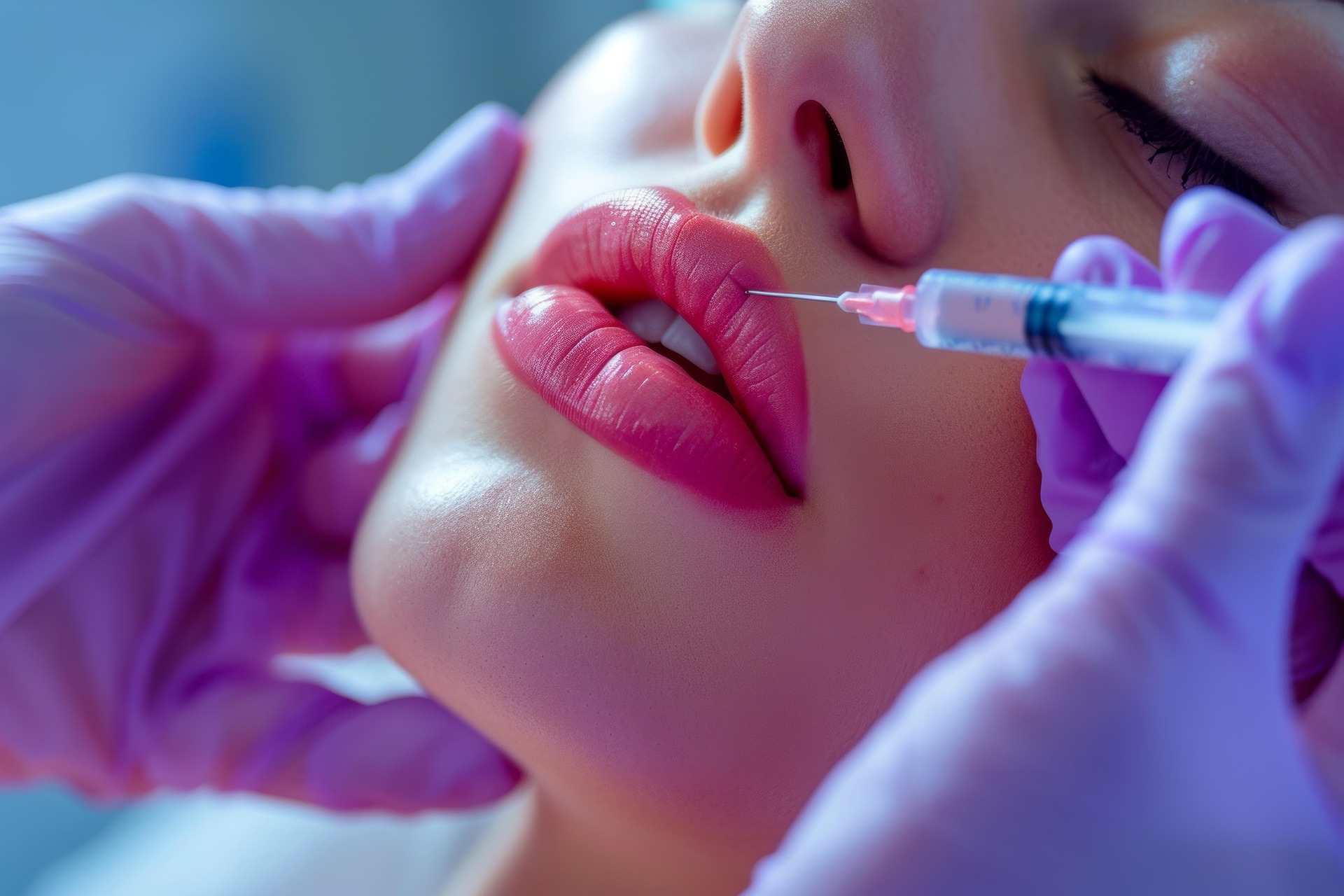
Botox is one of the most recognizable brands in modern medicine. Beyond its association with aesthetic smoothing of facial wrinkles, it represents a remarkable scientific journey: transforming one of the most lethal biological toxins on Earth into a versatile therapeutic agent used across dozens of medical specialties.
The Origins & History of Botox
The Discovery of Botulism
The history of Botox begins with Clostridium botulinum, an anaerobic spore-forming bacterium. In the early 19th century, German physician and poet Justinus Kerner studied a series of fatal food poisoning outbreaks linked to improperly prepared sausages (hence the name botulism, derived from botulus, the Latin word for sausage). Kerner hypothesized that the disease was caused by a biological toxin that disrupted the nervous system and suggested that extremely small doses might one day be used to treat muscular hyperreactivity.
In 1895, Belgian microbiologist Émile Pierre van Ermengem officially isolated the bacterium Clostridium botulinum following a lethal botulism outbreak at a funeral dinner.
Isolation and Early Scientific Breakthroughs
During World War II, scientific interest shifted toward understanding the protein structure and mechanism of botulinum toxin. In 1946, Dr. Edward J. Schantz successfully isolated and purified botulinum toxin type A into a stable crystalline form, laying the groundwork for clinical research.
In 1953, physiologist Dr. Vernon Brooks discovered that injecting minute amounts of botulinum toxin type A blocked the release of acetylcholine from motor nerve endings, causing localized, temporary muscle paralysis without permanent tissue damage.
The Medical Pioneer: Dr. Alan B. Scott
In the late 1960s and 1970s, Dr. Alan B. Scott, an ophthalmologist at the Smith-Kettlewell Eye Research Institute in San Francisco, sought a non-surgical alternative for treating strabismus (crossed eyes). Collaborating with Dr. Schantz, Dr. Scott conducted trials on primates and later humans.
Dr. Scott formed a company named Oculinum Inc. to manufacture the drug. In 1989, the U.S. Food and Drug Administration (FDA) approved Oculinum for treating strabismus and blepharospasm (uncontrolled eyelid twitching). In 1991, pharmaceutical company Allergan acquired Oculinum Inc. and rebranded the medication as Botox.
1895: Bacterium Isolated (van Ermengem)
1946: Toxin Purified (Dr. Edward Schantz)
1970s: Strabismus Experiments (Dr. Alan Scott)
1989: FDA Approval for Eye Muscle Disorders (Oculinum)
1992: Aesthetic Discovery (Drs. Jean & Alastair Carruthers)
2002: FDA Approval for Cosmetic Use (Glabellar Lines)
The Serendipitous Cosmetic Revolution
The pivot to cosmetic usage occurred by accident. In the late 1980s, Dr. Jean Carruthers, a Canadian ophthalmologist, noticed that patients receiving Botox injections for blepharospasm were experiencing a noticeable smoothing of dynamic frown lines between their eyebrows. She shared this observation with her husband, Dr. Alastair Carruthers, a dermatologist.
Together, they conducted clinical trials demonstrating the safety and efficacy of botulinum toxin for softening facial wrinkles. In 2002, the FDA officially approved Botox Cosmetic for the temporary improvement of moderate to severe glabellar lines (frown lines between the brows).
2. Chemical Composition and Active Ingredients
Botox is a biological formulation containing active proteins, stabilizers, and salts.
Active Biological Agent
- OnabotulinumtoxinA: A purified 150 kDa neurotoxic protein complex derived from the fermentation of Clostridium botulinum (Hall strain). The protein consists of a heavy chain (100 kDa) connected by a disulfide bond to a light chain (50 kDa).
Inactive Ingredients / Excipients
- Human Serum Albumin (HSA): Serves as a protein stabilizer to prevent the toxin molecules from adhering to the glass vial walls or degrading during storage.
- Sodium Chloride: Provides isotonicity to match human physiological fluids, minimizing discomfort upon injection.
Biological Mechanism of Action
Botox acts at the neuromuscular junction (the interface where nerve cells communicate with muscle fibers).
- Binding: The heavy chain of the botulinum toxin molecule selectively binds to high-affinity receptors on the presynaptic membrane of cholinergic nerve terminals.
- Internalization: The nerve cell internalizes the toxin molecule via receptor-mediated endocytosis.
- Cleavage (SNARE Protein Disruption): The light chain enters the nerve terminal cytoplasm and acts as a zinc-dependent endopeptidase. It specifically cleaves SNAP-25, a essential component of the SNARE protein complex.
- Inhibition of Acetylcholine: Without intact SNAP-25 proteins, synaptic vesicles cannot fuse with the presynaptic membrane. This halts the release of acetylcholine (the neurotransmitter responsible for triggering muscle contraction).
- Reversible Paralysis: The muscle loses the signal to contract and relaxes. Over a period of 3 to 6 months, the nerve terminal sprouts new axon terminals to restore neurotransmission gradually.
3. Risks, Side Effects, and Potential Harm
When administered by a qualified, licensed medical professional using standardized clinical dosages, Botox has a established safety record. However, as a potent neurotoxin, improper technique or dosage carries risks.
Common Localized Side Effects
- Injection site pain, localized swelling, bruising, or redness.
- Mild transient headaches or flu-like symptoms following treatment.
- Mild dry mouth or dry eyes.
Adverse Effects from Diffusion (Improper Placement)
If the toxin migrates or diffuses into adjacent muscle groups beyond the intended injection site, localized weakness can occur:
- Eyelid Ptosis (Drooping): Occurs if toxin diffuses into the levator palpebrae superioris muscle.
- Facial Asymmetry or Crooked Smile: Caused by unintended weakening of zygomaticus or risorius muscles.
- Dysphagia (Difficulty Swallowing): Can occur during treatments for cervical dystonia if toxin diffuses into neck muscles involved in swallowing.
Severe Warnings: Distant Spread of Toxin Effect
In rare cases, the effects of botulinum toxin may spread beyond the site of injection, producing symptoms consistent with botulism. The FDA mandates a Boxed Warning across all botulinum toxin products regarding this potential risk:
- Generalized muscle weakness.
- Diplopia (double vision) or blurred vision.
- Dysphonia (hoarseness or loss of voice).
- Dysarthria (slurred speech) or difficulty breathing.
Note: Respiratory compromise or severe dysphagia can be life-threatening and requires immediate emergency medical evaluation.
Absolute Contraindications
Botox should not be administered to individuals with:
- Known hypersensitivity or allergy to botulinum toxin type A or human serum albumin.
- Active infection at the proposed injection site.
- Underlying neuromuscular disorders (e.g., Myasthenia Gravis, Amyotrophic Lateral Sclerosis [ALS], Lambert-Eaton syndrome).
- Pregnancy or current breastfeeding (due to limited clinical safety data).
Summary Overview
From its discovery as an agent of sausage-borne illness to its role in modern therapeutics and aesthetics, Botox exemplifies how targeted biological research can repurpose potent toxic substances into controlled clinical treatments. Proper administration relies on a clear understanding of facial and neuromuscular anatomy, accurate dosing, and adherence to safety guidelines.