






Chocolate - the truth about dark chocolate
It's origins, varieties, and health effects
5/21/2026

Few foods in the world inspire as much passion, comfort, temptation, and debate as chocolate. It is woven into celebrations, romance, holidays, desserts, beverages, and even medicine throughout history. From elegant European truffles to spicy Mexican cacao drinks and luxurious Swiss bars, chocolate has evolved from a sacred ancient beverage into one of the world’s most beloved indulgences.
Yet behind its creamy sweetness lies a surprisingly complex story involving ancient civilizations, tropical agriculture, global trade, chemistry, nutrition, and health science. Questions continue to surround chocolate today:
- Where did chocolate originate?
- Which countries produce the most cocoa?
- Why do chocolates taste so different?
- How much sugar is too much?
- Is dark chocolate truly healthy or merely clever marketing?
- What role does chocolate play in mood, energy, and even heart health?
The answers reveal that chocolate is both a pleasure and a science — capable of offering health benefits when consumed wisely, yet capable of becoming unhealthy when overloaded with sugar and additives.
The Ancient Origins of Chocolate
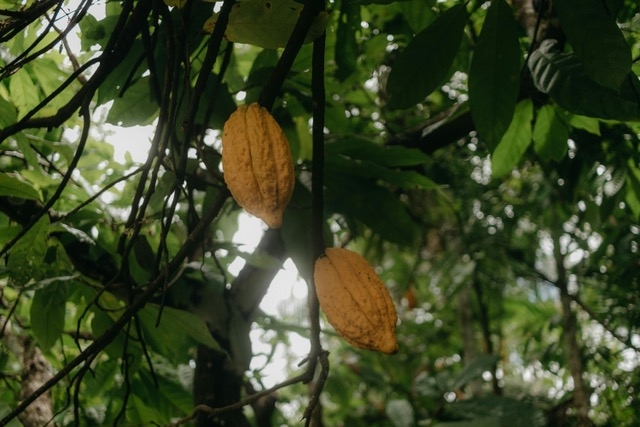
Chocolate begins with the cacao tree, scientifically known as Theobroma cacao. Interestingly, the name Theobroma means “food of the gods.”
The cacao tree is believed to have originated thousands of years ago in the tropical rainforests of Central and South America, particularly within regions now belonging to Ecuador, Peru, Colombia, and parts of the Amazon Basin.
Archaeological evidence suggests cacao use dates back more than 5,000 years.
The Olmecs
The earliest known civilization to use cacao was the Olmec civilization of southern Mexico around 1500 BCE. Historians believe they consumed cacao as a ceremonial beverage.
The Maya
The Maya elevated cacao into a sacred and royal drink. They believed cacao was a divine gift from the gods. Wealthy Mayans consumed bitter cacao beverages flavored with chili peppers, vanilla, herbs, and spices.
Cacao beans were so valuable they were often used as currency.
The Aztecs
The Aztecs later embraced cacao with enormous enthusiasm. Their emperor, Montezuma II, reportedly consumed large quantities daily, believing it enhanced strength and vitality.
The Aztecs prepared cacao as a frothy bitter drink called xocolatl, from which the modern word “chocolate” evolved.
Unlike modern chocolate, ancient cacao beverages contained no sugar. They were bitter, earthy, spicy, and intense.
Chocolate Arrives in Europe
When Spanish explorers arrived in the Americas during the 1500s, they encountered cacao and brought it back to Europe.
At first, Europeans found the bitter drink unpleasant. However, once sugar, cinnamon, and milk were added, chocolate rapidly became fashionable among aristocrats and royal courts.
By the 17th century:
- Chocolate houses emerged throughout Europe
- Wealthy citizens drank chocolate socially
- Chocolate became associated with luxury and sophistication
The Industrial Revolution later transformed chocolate into a mass-market product.
Innovations such as:
- cocoa powder,
- milk chocolate,
- chocolate bars,
- and modern refining techniques
made chocolate accessible to ordinary consumers worldwide.
Where Cocoa Is Mostly Grown Today
Cacao trees require specific conditions:
- warm tropical temperatures,
- heavy rainfall,
- humidity,
- and protection from direct sun.
For this reason, cacao grows mainly within 20 degrees north and south of the equator — often called the “Cacao Belt.”
Major Cocoa-Producing Countries
Côte d’Ivoire (Ivory Coast)
Côte d’Ivoire is the world’s largest cocoa producer, supplying roughly 40% of global cocoa production.
Its economy heavily depends upon cocoa exports.
Ghana
Ghana produces some of the world’s most respected cocoa beans, known for balanced flavor and quality consistency.
Ghanaian cocoa is highly prized in premium chocolate manufacturing.
Ecuador
Ecuador is famous for “Arriba” cacao beans, known for floral and fruity notes.
Ecuador is considered one of the finest sources for luxury dark chocolate.
Indonesia
Indonesia is a major Asian cocoa producer, though quality varies significantly depending upon region and farming practices.
Nigeria and Cameroon
Nigeria and Cameroon are also important cocoa-growing nations contributing significantly to world supply.
Brazil
Brazil once dominated cocoa production and still remains a notable producer with growing specialty cacao industries.
Types of Cocoa Beans
Not all cocoa tastes alike. Just as wine grapes differ by region and variety, cacao beans vary enormously.
Criollo
Criollo beans are rare and highly prized.
Characteristics:
- delicate,
- less bitter,
- complex,
- fruity and floral.
They represent only a small percentage of world production.
Forastero
Forastero beans dominate global production.
Characteristics:
- stronger,
- earthier,
- more bitter,
- higher yielding,
- more disease resistant.
Most commercial chocolate uses Forastero beans.
Trinitario
Trinitario is a hybrid of Criollo and Forastero.
Characteristics:
- balanced flavor,
- aromatic complexity,
- improved durability.
Many premium chocolates use Trinitario cacao.
How Chocolate Is Made
Chocolate production is surprisingly intricate.
Harvesting
Cacao pods grow directly from the tree trunk and branches. Workers harvest them by hand.
Each pod contains 20–50 cacao beans surrounded by sweet pulp.
Fermentation
Fermentation is one of the most important stages.
Beans are fermented for several days, developing:
- aroma,
- flavor,
- and color.
Without fermentation, chocolate would taste flat and unpleasant.
Drying
Beans are dried in the sun to reduce moisture.
Roasting
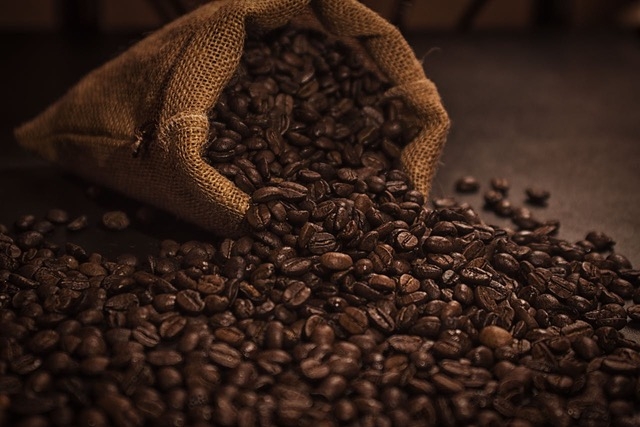
Roasting develops the recognizable chocolate flavor.
Different roasting temperatures create different flavor profiles.
Grinding
Roasted beans are ground into chocolate liquor — a thick paste containing cocoa solids and cocoa butter.
Refining and Conching
Chocolate is refined and conched to create smooth texture and balanced flavor.
This stage can last hours or even days in premium chocolate production.
The Different Types of Chocolate
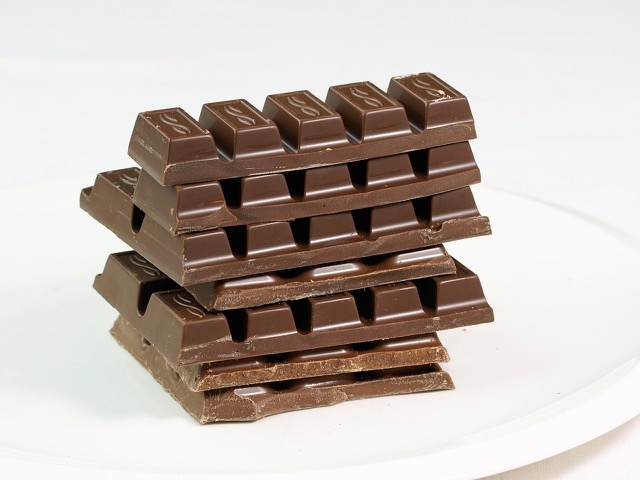
Dark Chocolate
Dark chocolate contains:
- cocoa solids,
- cocoa butter,
- sugar,
- and little or no milk.
Higher cocoa percentages usually mean:
- stronger flavor,
- less sweetness,
- more antioxidants.
Milk Chocolate
Milk chocolate contains:
- cocoa,
- milk solids,
- sugar,
- cocoa butter.
It is sweeter and creamier but usually contains less cocoa.
White Chocolate
Technically, white chocolate contains no cocoa solids.
It is made from:
- cocoa butter,
- milk,
- sugar,
- vanilla.
Because it lacks cocoa solids, many purists do not consider it “true” chocolate.
Sugar Content in Chocolate
One of the biggest concerns surrounding chocolate today is sugar.
Many commercial chocolates contain surprisingly high amounts.
Typical Sugar Levels
Milk Chocolate
Often contains:
- 40–60% sugar.
White Chocolate
Can contain:
- 50% or more sugar.
Dark Chocolate
Sugar levels vary greatly:
- 70% dark chocolate usually contains less sugar,
- 85–90% dark chocolate contains very little.
However, “dark chocolate” is not automatically healthy. Some dark chocolates still contain substantial sugar and additives.
Reading labels matters greatly.
Is Dark Chocolate Actually Healthy?
This remains one of the most debated questions in nutrition.
The answer is:
Yes — in moderation and in the proper form.
But not all dark chocolate is equally healthy.
Why Dark Chocolate May Offer Health Benefits
Rich in Antioxidants
Dark chocolate contains compounds called flavonoids and polyphenols.
These antioxidants may help:
- reduce inflammation,
- protect cells from damage,
- improve circulation.
In some studies, cocoa has shown antioxidant activity comparable to certain berries and teas.
Heart Health
Research suggests moderate dark chocolate consumption may:
- improve blood vessel function,
- reduce blood pressure slightly,
- increase circulation,
- possibly reduce cardiovascular risk.
The flavanols in cocoa appear responsible for many of these effects.
Brain Function
Some studies suggest cocoa flavonoids may:
- improve blood flow to the brain,
- support concentration,
- enhance mood temporarily.
Chocolate also stimulates release of:
- serotonin,
- dopamine,
- endorphins.
These chemicals contribute to pleasure and emotional comfort.
Mineral Content
Dark chocolate contains useful minerals including:
- magnesium,
- iron,
- copper,
- manganese,
- potassium.
Higher cocoa percentages generally contain more minerals.
The Concerns About Chocolate
Despite potential benefits, chocolate is not automatically a health food.
Sugar
Excess sugar contributes to:
- obesity,
- diabetes,
- inflammation,
- tooth decay.
Many chocolate products contain more sugar than cocoa.
Calories and Fat
Chocolate is calorie-dense.
Even dark chocolate contains significant fat and calories.
Overconsumption can lead to weight gain.
Heavy Metals
Some studies have found traces of:
- lead,
- cadmium
in certain dark chocolate products.
This varies by region and manufacturing process.
Consumers should choose reputable brands and consume chocolate moderately.
Additives and Processing
Highly processed chocolate may contain:
- artificial flavors,
- emulsifiers,
- excessive sugar,
- hydrogenated fats.
These reduce potential health value.
Does Higher Cocoa Percentage Mean Better?
Generally, yes — but not always.
70% Dark Chocolate
Often considered a balanced point between:
- flavor,
- bitterness,
- health benefits.
85–90% Dark Chocolate
Contains:
- less sugar,
- stronger cocoa flavor,
- more antioxidants.
However, some people find it intensely bitter.
100% Chocolate
Contains virtually no sugar.
Very bitter and usually used for baking or specialized diets.
Chocolate and Mood
Chocolate’s emotional power is real.
It stimulates:
- pleasure centers,
- comfort responses,
- emotional associations.
This occurs through:
- sugar,
- fat,
- aroma,
- texture,
- and natural brain chemicals.
For many people, chocolate becomes associated with:
- celebration,
- romance,
- childhood,
- comfort,
- holidays.
Its psychological effect may be nearly as important as its nutritional effect.

The Rise of Artisan Chocolate
In recent years, bean-to-bar chocolate makers have transformed chocolate into an artisanal craft similar to wine or coffee.
Premium chocolate makers now emphasize:
- origin-specific cacao,
- ethical sourcing,
- small-batch production,
- unique flavor notes.
Chocolate tasting has become increasingly sophisticated.
Flavor notes may include:
- berry,
- citrus,
- floral,
- earthy,
- nutty,
- smoky,
- caramel,
- spice.
Ethical Concerns in Cocoa Production
The cocoa industry faces serious ethical challenges.
These include:
- child labor,
- poverty among farmers,
- deforestation,
- unfair wages.
Organizations promoting:
- Fair Trade,
- Rainforest Alliance,
- direct trade sourcing
attempt to improve sustainability and worker conditions.
Consumers increasingly seek ethically sourced chocolate.
Can Chocolate Be Part of a Healthy Diet?
Yes — when consumed intelligently.
Nutrition experts often recommend:
- small portions,
- higher cocoa percentages,
- minimal added sugar.
A small square of quality dark chocolate may provide satisfaction with fewer health drawbacks than heavily processed sweets.
Moderation remains essential.
Chocolate Around the World
Different cultures enjoy chocolate differently.
Switzerland
Switzerland is famous for creamy milk chocolate and luxury chocolate craftsmanship.
Belgium
Belgium is renowned for pralines, truffles, and refined confectionery traditions.
Mexico
Mexico preserves ancient cacao traditions with spiced hot chocolate and traditional cacao beverages.
France
France emphasizes elegant dark chocolate artistry and pastry integration.
United States
United States combines mass-market chocolate production with a rapidly growing artisan chocolate movement.
Chocolate’s journey from sacred ancient cacao beverage to worldwide luxury treat is one of humanity’s most fascinating culinary stories.
Born in the tropical rainforests of the Americas and cultivated across Africa, Asia, and South America, chocolate today represents:
- agriculture,
- chemistry,
- artistry,
- commerce,
- comfort,
- and indulgence.
While many commercial chocolates contain excessive sugar and additives, quality dark chocolate — especially with higher cocoa content and moderate consumption — may indeed offer genuine health benefits through antioxidants, minerals, and cardiovascular support.
Yet chocolate remains best enjoyed thoughtfully.
Its greatest power may not lie solely in nutrition, but in the joy, comfort, culture, celebration, and shared human experience it has brought to civilizations for thousands of years.