






Climate Change
Origins, Impact, and Global Response
8/3/2025
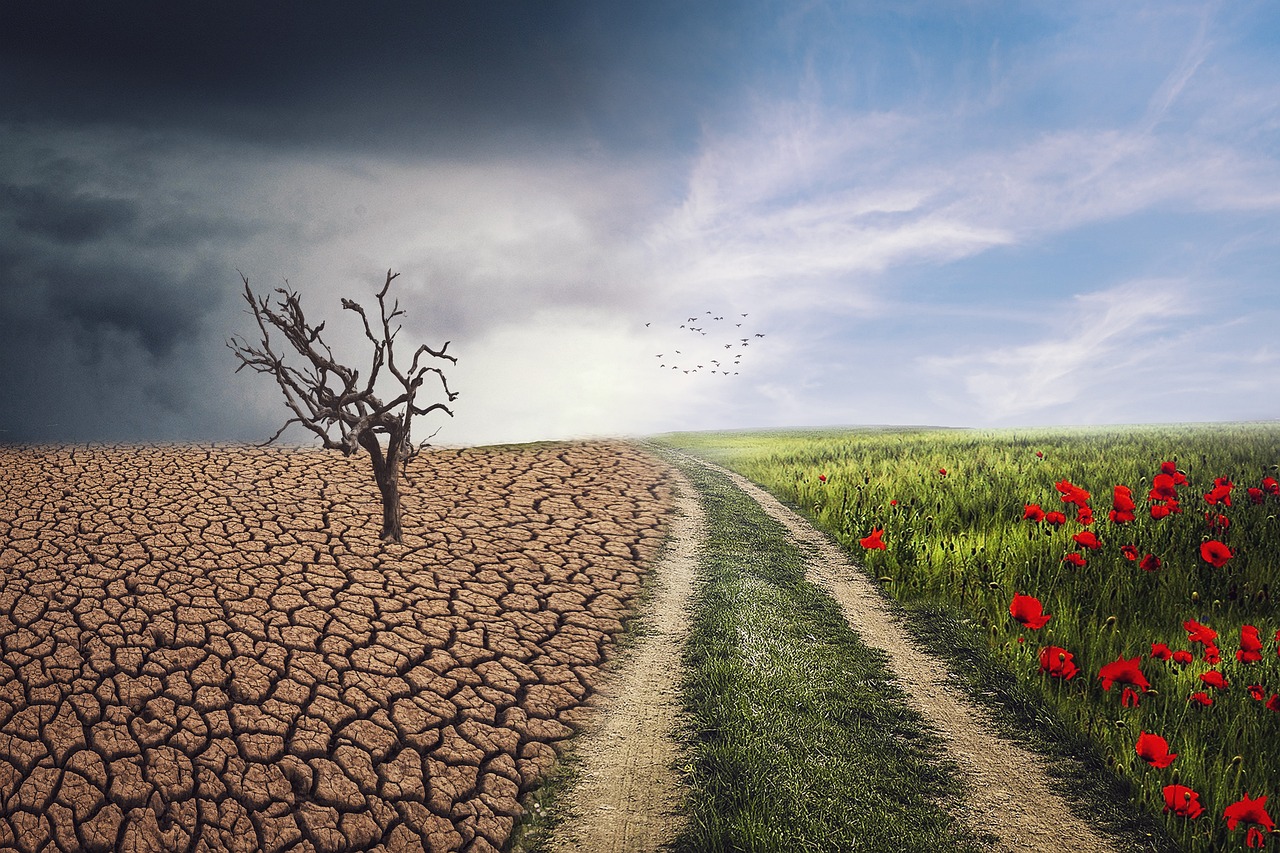
Climate change is no longer a future concern but a present reality, affecting ecosystems, economies, and societies across the globe. While the science is robust, public opinion remains divided in some corners, often politicized and influenced by misinformation. This article delves into the veracity of climate change, its origins, consequences for our world, and the debate surrounding global responsibility and action.
The Veracity and Origins of Climate Change
The scientific consensus affirms that climate change is real and primarily driven by human activities. Since the Industrial Revolution, the burning of fossil fuels such as coal, oil, and natural gas has dramatically increased atmospheric concentrations of greenhouse gases, particularly carbon dioxide (CO2) and methane (CH4). These gases trap heat in the atmosphere, creating what is known as the greenhouse effect, leading to a gradual warming of the planet.
Ice core data and paleoclimate studies indicate that while the Earth's climate has changed naturally over millennia, the current pace of change is unprecedented in human history. According to NASA and the Intergovernmental Panel on Climate Change (IPCC), global surface temperatures have risen by approximately 1.1°C (1.98°F) since the late 19th century, with most of the warming occurring in the past four decades.
Global Effects on Our Lives and Economies
Climate change affects nearly every aspect of human life. Rising temperatures contribute to more frequent and severe weather events: hurricanes, floods, droughts, and wildfires. These in turn displace populations, destroy infrastructure, and strain emergency response systems. Economically, the damage is staggering. The World Bank estimates that climate-related disasters cost the global economy hundreds of billions annually. Agriculture suffers due to shifting weather patterns, jeopardizing food security, especially in already vulnerable regions. Insurance premiums rise, energy grids are stressed, and water resources are under threat, all of which impact productivity and economic stability. In cities, the heat island effect amplifies warming, increasing the risk of heatstroke and related illnesses. Rising sea levels threaten coastal infrastructure, endangering millions who live in low-lying areas.
Impact on the Planet and Oceans
Earth's ecosystems are finely balanced, and climate change is tipping that balance. Glacial retreat, polar ice melt, and the thawing of permafrost release even more greenhouse gases, creating a feedback loop that accelerates warming.
The oceans, which absorb over 90% of the excess heat from greenhouse gas emissions, are experiencing warming, acidification, and deoxygenation. Coral reefs, the rainforests of the sea, are bleaching and dying. Marine life migrates to cooler waters, disrupting fishing industries and marine biodiversity. Sea level rise, estimated at about 3.3 mm per year, threatens to submerge small island nations and alter coastlines permanently. Additionally, disrupted ocean currents may change weather systems globally, further destabilizing the climate.
The Effect on Animal Life
Animals are struggling to adapt to rapid climate shifts. Many species face extinction as their habitats disappear or change faster than they can evolve or migrate. Polar bears, reliant on sea ice, find their hunting grounds shrinking. Insects and birds that rely on seasonal cues for migration or breeding find their cycles misaligned with food availability. Biodiversity loss due to climate change diminishes ecosystem resilience, weakening nature’s ability to respond to other stresses such as pollution and habitat destruction.
Scientific Consensus and Dissent
The overwhelming majority of climate scientists agree on the reality and human-driven causes of climate change. Institutions like the IPCC, NASA, NOAA, and the National Academy of Sciences have issued strong statements supporting this consensus. However, a minority of scientists and commentators question the extent of human influence or the severity of future projections. Their arguments often focus on uncertainties in climate modeling, historical climate variability, or alleged biases in data collection. While skepticism is a healthy part of scientific discourse, the evidence supporting climate change continues to grow stronger and more detailed.
Major Polluters and Leading Environmental Stewards
In terms of absolute emissions, China is the world’s largest polluter, followed by the United States, India, and the European Union. However, when measured per capita, developed nations like the U.S., Canada, and Australia rank among the highest.
Countries leading in environmental reform include:
Sweden: Pioneering carbon taxes and renewable energy.
Denmark: Heavily invested in wind energy.
Costa Rica: Runs on nearly 100% renewable energy.
Germany: Ambitious transition to renewable power through its "Energiewende" initiative.
Even China, while a major polluter, is also investing more in renewable energy than any other country.
Why the United States Withdrew from the Climate Accords
In 2017, under the administration of President Donald Trump, the United States announced its intent to withdraw from the Paris Agreement, citing economic concerns and a desire to prioritize American energy independence. Critics of the withdrawal argued that it was a setback in global cooperation and compromised the U.S.'s position as a leader in environmental policy.
The decision was reversed by President Joe Biden, who re-entered the agreement in 2021, reaffirming U.S. commitment to global climate goals.
Controlling and Mitigating Climate Change
Mitigating climate change requires a multi-pronged approach:
Decarbonizing the Energy Sector: Transitioning from fossil fuels to renewable sources like wind, solar, and hydro.
Improving Energy Efficiency: In homes, vehicles, and industries.
Reforestation and Conservation: Trees absorb CO2, and protecting forests helps stabilize ecosystems.
Carbon Pricing: Taxes or cap-and-trade systems to make emissions more costly.
Sustainable Agriculture: Reducing methane emissions from livestock and using climate-smart farming techniques.
International Agreements: Strengthening and expanding global climate accords.
Public awareness and political will are key. Individual actions (reducing meat consumption, using public transport, voting for eco-conscious policies) collectively make a difference.
A Global Call to Action
Climate change is not just an environmental issue—it’s an economic, humanitarian, and existential one. Its effects ripple across borders, affecting the most vulnerable the hardest. While debate remains, the data overwhelmingly supports immediate action to limit warming and build resilience.
The future depends not just on governments and corporations, but on individual responsibility and collective resolve. In a warming world, doing nothing is no longer an option.