





Comic-Con International
Comic Book Fans Became a Global Pop Culture Phenomenon
7/23/2026
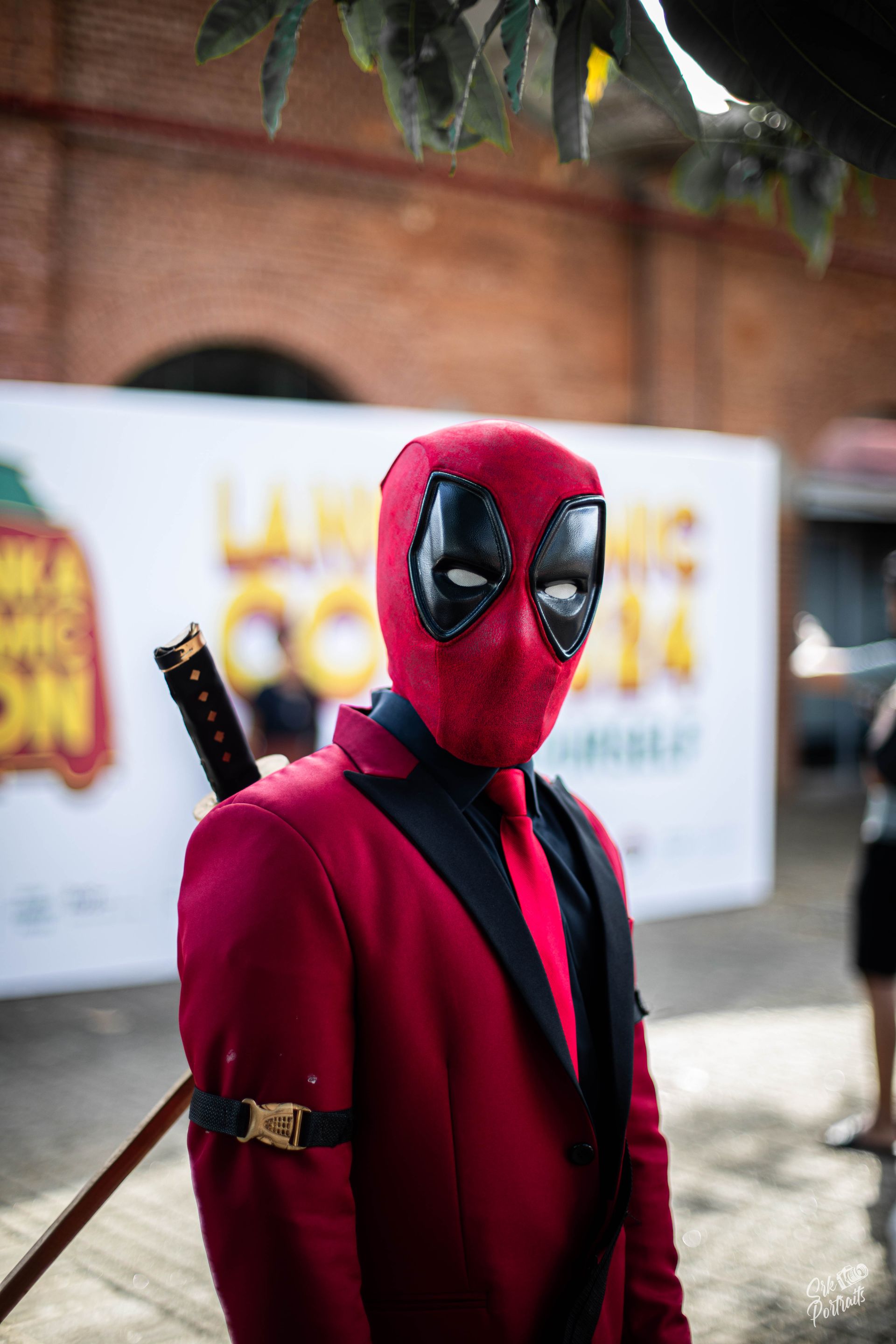
Every summer, San Diego transforms into the center of the entertainment universe. Streets fill with superheroes, movie icons, anime characters, fantasy creatures, and thousands of costumed fans from nearly every corner of the globe. Hotels become extensions of the convention, restaurants host themed events, and celebrities casually walk through crowds that include everyone from comic book collectors to Academy Award-winning actors. This annual celebration is Comic-Con International—an event that has grown from humble beginnings into one of the world's most recognized celebrations of popular culture.
A Remarkably Humble Beginning
Comic-Con's story began in 1970 when a small group of enthusiastic comic book fans—including Shel Dorf, Richard Alf, Ken Krueger, Mike Towry, and Barry Alfonso—organized what was then called the Golden State Comic-Minicon. The one-day event was held in the basement of San Diego's U.S. Grant Hotel and attracted roughly 100 attendees. Later that year, a larger three-day convention welcomed approximately 300 fans, establishing the foundation for what would eventually become Comic-Con International.
The founders envisioned something different from traditional comic book gatherings. They believed comics deserved recognition as an art form while also embracing science fiction, fantasy literature, illustration, filmmaking, television, and emerging creative media. That broad vision would become the convention's defining characteristic.
As attendance steadily increased throughout the 1970s, Comic-Con moved to the historic El Cortez Hotel before relocating in 1979 to San Diego's Convention and Performing Arts Center. When the new San Diego Convention Center opened in 1991, Comic-Con found its permanent home along San Diego Bay—a venue that has become synonymous with the event itself.
From Comic Books to Popular Culture
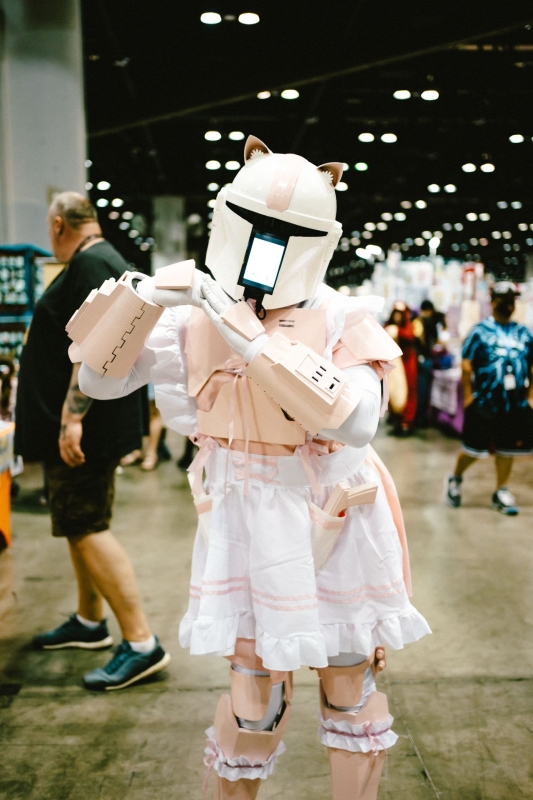
Although comic books remain at its heart, Comic-Con has evolved into a celebration of virtually every aspect of popular entertainment.
Today, attendees experience:
• Comic book publishers and creators
• Hollywood film studios
• Television networks and streaming platforms
• Animation and anime
• Science fiction and fantasy
• Gaming and esports
• Toys and collectibles
• Graphic novels and independent artists
• Podcasts and digital creators
• Literature and publishing
Major entertainment companies frequently choose Comic-Con to unveil trailers, announce new productions, debut exclusive footage, and introduce upcoming projects before audiences anywhere else.
What began as a comic book convention has become one of the entertainment industry's most influential marketing platforms.

Hall H: The Most Famous Room in Entertainment
Perhaps no location at Comic-Con is more legendary than Hall H. Capable of seating more than 6,000 fans, Hall H hosts the convention's largest presentations from major studios including Marvel Studios, DC Studios, Disney, Warner Bros., Universal, Netflix, Amazon MGM Studios, Paramount, HBO, and many others.
Fans often camp overnight to secure seats for presentations where world premieres, exclusive trailers, surprise celebrity appearances, and major entertainment announcements are revealed.
For many attendees, simply experiencing Hall H once is considered a lifelong memory.
Celebrity Participation
Comic-Con has become one of the few places where fans regularly interact with the people who create the world's most beloved entertainment.
Among those who have appeared over the decades are:
• Stan Lee
• George Lucas
• Steven Spielberg
• J.J. Abrams
• Kevin Feige
• Guillermo del Toro
• Chris Evans
• Robert Downey Jr.
• Scarlett Johansson
• Tom Hiddleston
• Chris Hemsworth
• Patrick Stewart
• William Shatner
• Mark Hamill
• Harrison Ford
• Keanu Reeves
• John Cena
• Hundreds of actors, directors, writers, producers, and artists from every corner of the entertainment industry.
Unlike formal award shows, Comic-Con offers audiences an opportunity to hear celebrities discuss creative processes, answer audience questions, and often share genuine enthusiasm for the projects they love.
The Incredible World of Cosplay
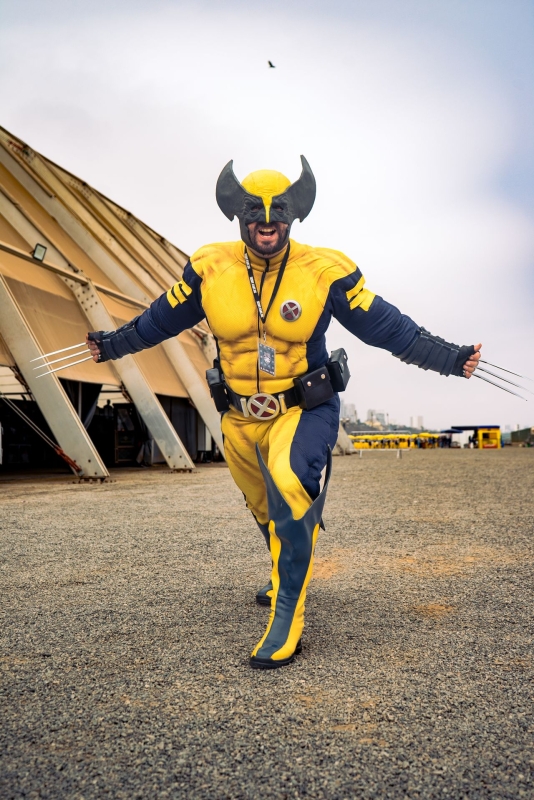
Perhaps the most visible symbol of Comic-Con is cosplay—the art of dressing as fictional characters.
Months, and often years, are invested in creating elaborate costumes inspired by:
• Marvel superheroes
• DC Comics characters
• Star Wars
• Harry Potter
• Anime and manga
• Disney classics
• Video games
• Science fiction films
• Fantasy novels
• Original creations
Many costumes rival Hollywood productions in craftsmanship, incorporating sophisticated electronics, robotics, lighting systems, animatronics, and hand-crafted armor.
For thousands of participants, cosplay represents creativity, artistry, engineering, and community rather than simple costume design.
Artists Alley
Long before Hollywood dominated Comic-Con, artists formed its foundation.
Artists Alley remains one of the convention's most cherished destinations, allowing visitors to meet:
• Comic book illustrators
• Graphic novel creators
• Independent publishers
• Writers
• Cover artists
• Digital illustrators
• Character designers
Attendees frequently purchase original artwork, obtain sketches, commission personalized illustrations, and meet the creators responsible for their favorite stories.
Exclusive Merchandise
Collectors travel from around the world searching for limited-edition items available only during Comic-Con.
These include:
• Action figures
• Collectible statues
• Limited comic books
• Movie memorabilia
• Designer toys
• Exclusive apparel
• Artist prints
• Signed collectibles
Many items become highly sought after, with certain exclusives increasing substantially in value after the convention concludes.

Beyond the Convention Center
Comic-Con now extends far beyond the walls of the San Diego Convention Center.
Downtown San Diego becomes an immersive entertainment experience featuring:
• Interactive movie installations
• Outdoor gaming experiences
• Live performances
• Pop-up museums
• Brand activations
• Fan festivals
• Product demonstrations
• Outdoor screenings
Many attractions are open to the public—even without a Comic-Con badge—allowing local residents and visitors to participate in the excitement.
Economic Impact on San Diego
Comic-Con is one of San Diego's most significant annual economic events.
During convention week:
• Nearly every downtown hotel reaches capacity.
• Restaurants operate at full capacity.
• Retail businesses enjoy dramatic increases in traffic.
• Transportation services experience record demand.
• Tourism flourishes throughout the county.
The event generates hundreds of millions of dollars in regional economic activity while showcasing San Diego to an international audience.
More Than Entertainment
Comic-Con also serves educational and professional purposes.
Hundreds of panels explore topics including:
• Writing
• Illustration
• Film production
• Television development
• Artificial intelligence in entertainment
• Visual effects
• Animation
• Publishing
• Diversity in media
• Education
• Scientific discovery
Professionals frequently network, launch careers, announce collaborations, and discover new talent during the convention.
The Eisner Awards
Often called the "Oscars of the comic book industry," the Will Eisner Comic Industry Awards are presented annually during Comic-Con.
Named after legendary cartoonist Will Eisner, these prestigious awards recognize excellence in writing, illustration, coloring, publishing, graphic novels, and comic storytelling.
Winning an Eisner Award is considered one of the industry's highest honors.
Comic-Con's Lasting Legacy
Comic-Con has influenced entertainment far beyond San Diego.
Hollywood studios increasingly schedule major announcements around the convention calendar. Streaming platforms debut highly anticipated series. Independent creators gain international exposure. Comic books have become mainstream entertainment, with many blockbuster films tracing their origins to graphic novels first celebrated by Comic-Con audiences.
The convention has helped redefine comics—not merely as children's entertainment, but as an influential artistic medium capable of inspiring award-winning films, television series, literature, gaming, and visual arts.
Looking Toward the Future
More than five decades after its modest beginning, Comic-Con continues to evolve while remaining faithful to the vision of its founders: celebrating imagination, creativity, and storytelling in all forms. Recent agreements ensure the event will remain in San Diego through at least 2030, reinforcing its place as one of the city's defining cultural traditions.
Whether someone arrives wearing handcrafted superhero armor, searching for a rare comic book, hoping to meet a favorite actor, or simply curious about the remarkable energy that fills downtown each July, Comic-Con offers something unique—a place where imagination becomes reality and where every visitor, regardless of age, is invited to celebrate the limitless power of creativity.
Today, Comic-Con is far more than a convention. It is an international cultural institution, a showcase of innovation, and one of San Diego's greatest contributions to the world of entertainment.