






Coronado, California
an island of elegance, history, and enduring california charm
6/28/2026
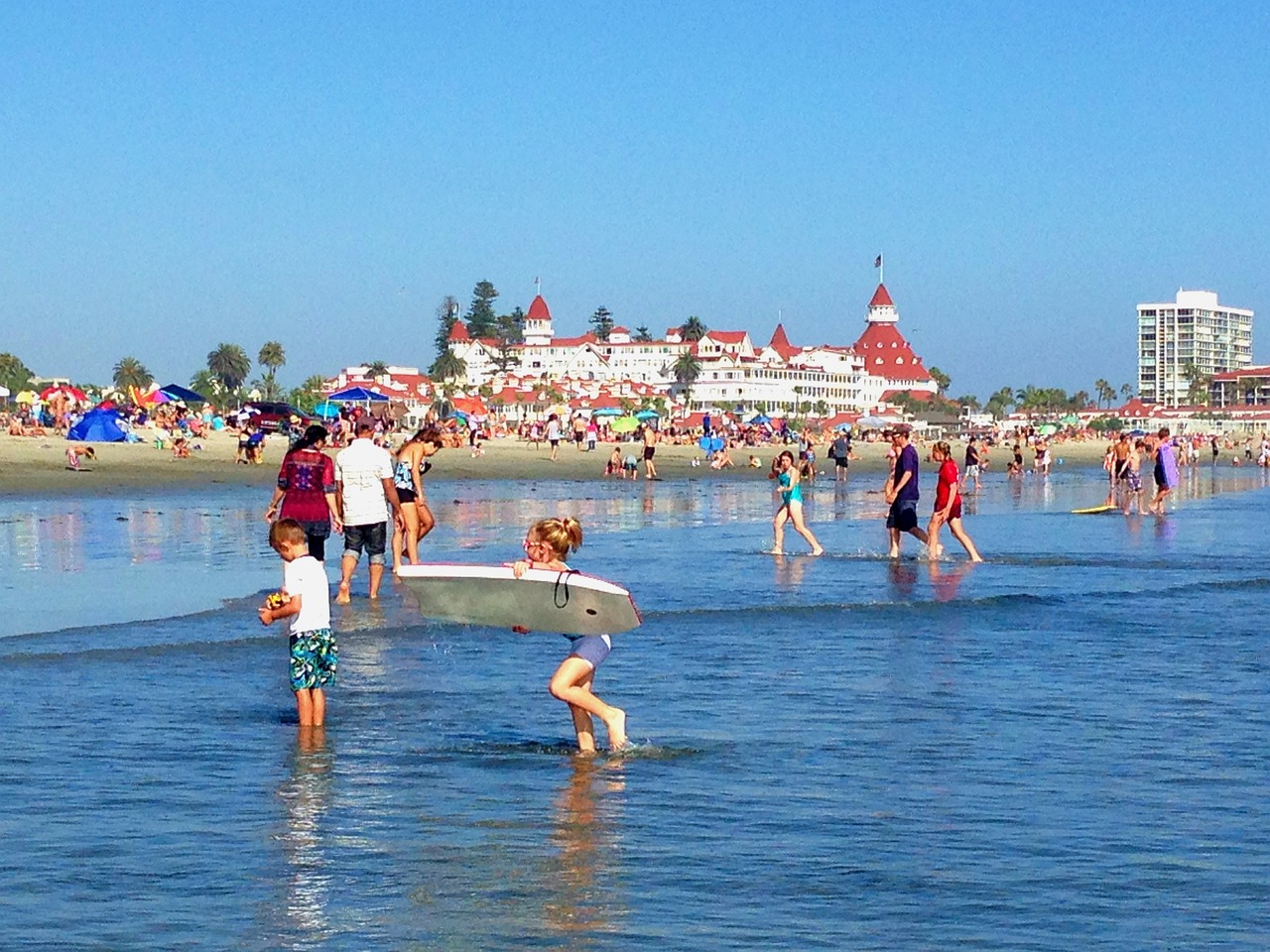
There are few places in America where Victorian architecture, pristine beaches, world-class resorts, naval aviation, and multimillion-dollar homes exist together with such effortless harmony. Across the shimmering waters of San Diego Bay lies Coronado—a community whose story is woven from visionary ambition, military service, architectural grandeur, and a lifestyle envied throughout the world.
Although often referred to as an island, Coronado is technically a tied island, connected to the mainland by the narrow Silver Strand while linked to downtown San Diego by the graceful San Diego–Coronado Bridge. Yet despite its proximity to one of America's largest cities, Coronado has managed to preserve a distinctly different identity—one defined by tree-lined streets, timeless neighborhoods, and a relaxed sophistication that has attracted presidents, celebrities, entrepreneurs, military leaders, and generations of families seeking an exceptional quality of life.
Today, Coronado is internationally recognized as one of Southern California's most treasured destinations, but its remarkable story began long before luxury hotels and waterfront estates appeared along its shores.
From Untouched Peninsula to Visionary Dream
For centuries before European exploration, the Kumeyaay people lived throughout the San Diego region, relying upon the rich coastal environment for food, trade, and community.
In 1542, Portuguese explorer Juan Rodríguez Cabrillo became the first European known to enter San Diego Bay while sailing under the Spanish flag. His expedition introduced Europeans to one of the finest natural harbors on the Pacific Coast, although Coronado itself remained largely undeveloped for centuries.
Spanish explorers later named the peninsula "Las Yslas Coronadas," meaning "The Crowned Islands," inspired by a group of offshore islands visible from the coast whose silhouettes resembled royal crowns. Eventually the shortened name—Coronado—became associated with the peninsula itself.
Throughout much of the Spanish and Mexican eras, the area remained little more than dunes, marshes, and coastal vegetation. The land's transformation would not begin until the late nineteenth century when visionary developers recognized its extraordinary potential.
Building a Resort Unlike Any Other
During the booming years of Southern California development in the 1880s, entrepreneurs Elisha Spurr Babcock Jr. and Hampton L. Story envisioned creating an elegant seaside resort community unlike anything on the West Coast.
Rather than simply subdividing property, they imagined an entire destination complete with landscaped streets, grand homes, recreational facilities, and an extraordinary hotel that would rival the finest resorts of Europe.
Construction began on what would become the legendary Hotel del Coronado.
When the hotel opened in 1888, it was immediately celebrated as an engineering and architectural marvel. Built primarily of wood and crowned by its distinctive red conical turrets, it quickly became one of America's most recognizable resort hotels.
The Del—as it is affectionately known today—introduced luxury travel to Southern California decades before tourism became a major industry. Visitors arrived by train and ferry, enjoying seaside promenades, elegant dining rooms, formal dances, and one of the most sophisticated resort experiences in the nation.
The hotel's guest registry would eventually include U.S. presidents, royalty, Hollywood legends, authors, athletes, and countless dignitaries from around the world.
A Hollywood Icon
Coronado's beauty naturally attracted the film industry.
Perhaps no production is more closely associated with the city than the 1959 classic Some Like It Hot, starring Marilyn Monroe, Tony Curtis, and Jack Lemmon.
Although the story takes place in Florida, the exterior scenes were filmed almost entirely at the Hotel del Coronado, forever cementing its place in Hollywood history.
Since then, Coronado has appeared in numerous television productions, documentaries, commercials, and feature films, its timeless architecture providing an ideal backdrop for stories requiring elegance and coastal beauty.
Walking through the hotel's historic corridors today is much like stepping into a living museum where guests can appreciate nearly 140 years of California history while enjoying modern luxury.
The Military Legacy That Shaped a Community
While Coronado is celebrated for its beaches and resorts, its identity has been equally shaped by military service.
The United States Navy established a significant presence during the early twentieth century, forever changing both Coronado and the entire San Diego region.
Today, Naval Air Station North Island occupies much of the northern portion of Coronado and is often referred to as "The Birthplace of Naval Aviation."
Beginning in 1911, pioneering aviators used the expansive shoreline and favorable weather to develop early military aviation techniques. Over the decades, North Island became one of the Navy's most important aviation facilities, supporting both World Wars, the Cold War, and modern military operations.
Aircraft carriers regularly berth nearby while squadrons deploy around the globe from Coronado's runways.
Equally well known is the Naval Amphibious Base Coronado, home to many of America's elite special warfare units, including the Navy SEALs. The demanding training conducted along Coronado's beaches has become legendary, particularly the rigorous Basic Underwater Demolition/SEAL (BUD/S) program.
Residents have long embraced this military heritage, creating a community where uniforms are a familiar sight and support for service members runs deep. It is not uncommon for retired admirals, active-duty personnel, entrepreneurs, and longtime residents to live side by side, contributing to Coronado's uniquely patriotic character.
A Community Defined by Architecture
Unlike many Southern California communities that experienced rapid redevelopment during the postwar years, Coronado has carefully preserved much of its historic character.
Elegant Victorian homes stand alongside Craftsman residences, Spanish Colonial Revival estates, Cape Cod-inspired beach homes, and thoughtfully designed contemporary architecture. The city's residential neighborhoods are remarkably walkable, with tree-lined avenues, manicured gardens, white picket fences, and parks that encourage an active outdoor lifestyle.
Orange Avenue serves as Coronado's charming downtown corridor, lined with boutiques, art galleries, cafés, specialty retailers, and locally owned restaurants rather than high-rise commercial development.This deliberate commitment to preserving community character has helped Coronado remain one of California's most desirable residential addresses.
The Evolution of Coronado Real Estate
Real estate in Coronado has become synonymous with exclusivity. Early cottages built during the Victorian era gradually gave way to increasingly sophisticated residences, while strict planning policies helped protect the city's architectural integrity.Today, beachfront estates command some of California's highest property values.Homes overlooking Glorietta Bay, the Pacific Ocean, or the San Diego skyline frequently sell for several million dollars, with premier waterfront properties reaching extraordinary valuations.
Yet the appeal extends beyond luxury alone.Residents value Coronado's exceptional public schools, low crime rates, pedestrian-friendly neighborhoods, recreational amenities, and remarkable sense of community.The limited supply of land—combined with strong demand—has contributed to long-term stability in property values, making Coronado one of Southern California's most resilient housing markets.
America's Finest Beach
No discussion of Coronado would be complete without its beaches. Coronado Central Beach consistently ranks among America's finest stretches of coastline.Its unusually wide shoreline, sparkling mica-infused sand, gentle surf, and family-friendly atmosphere attract visitors year-round.Unlike many Southern California beaches, Coronado maintains an atmosphere of tranquility.
Morning walkers share the shoreline with joggers, military trainees, photographers, surfers, and families building sandcastles beneath the California sun.Sunsets over the Pacific provide a nightly spectacle, while the nearby dunes support sensitive coastal ecosystems carefully protected through conservation efforts. Dog Beach at the northern end of Coronado has also become one of Southern California's most beloved destinations for pet owners, offering an expansive off-leash environment where dogs can enjoy the surf alongside their owners.
Recreation on Every Shore
Water defines life in Coronado. Residents enjoy sailing, paddleboarding, kayaking, rowing, fishing, and yachting throughout San Diego Bay.T he Coronado Yacht Club has become one of the region's premier sailing institutions, while nearby marinas accommodate vessels ranging from small sailboats to luxury yachts. Cyclists frequently explore the Silver Strand Bikeway, a scenic route stretching between Coronado and Imperial Beach, offering breathtaking views of both the Pacific Ocean and San Diego Bay. Golf enthusiasts enjoy the historic Coronado Municipal Golf Course, consistently ranked among America's finest public courses, where nearly every hole offers panoramic waterfront scenery.
Tourism That Never Goes Out of Style
Millions of visitors arrive each year to experience Coronado's distinctive blend of history and luxury. Some come for weekend escapes at the Hotel del Coronado. Others explore Orange Avenue's boutiques and restaurants, stroll Centennial Park for postcard-perfect views of the San Diego skyline, or enjoy concerts, festivals, and seasonal celebrations throughout the year.
Holiday traditions have become especially popular.The Hotel del Coronado's outdoor ice skating rink overlooking the Pacific has become an internationally recognized winter attraction, while summer brings outdoor concerts, beach activities, art festivals, and one of Southern California's most spectacular Fourth of July celebrations.
Visitors often remark that Coronado feels surprisingly peaceful despite its global reputation.Its scale remains comfortably intimate, allowing guests to explore much of the city on foot or by bicycle.
Protecting Paradise
Maintaining Coronado's unique character requires thoughtful stewardship. City leaders have carefully balanced tourism, military operations, residential development, and environmental conservation.
Historic preservation remains a priority, helping safeguard landmark structures while encouraging appropriate architectural design for new construction. Environmental initiatives focus on beach preservation, water quality, coastal habitat restoration, and sustainable planning, ensuring future generations inherit the same remarkable natural beauty enjoyed today.
Looking Toward the Future
Coronado continues to evolve while honoring its remarkable past.
Military innovation remains central to its economy. Tourism continues to flourish. Luxury hospitality is entering a new chapter through the thoughtful restoration and enhancement of the historic Hotel del Coronado. Meanwhile, residents remain committed to preserving the qualities that have defined their community for more than a century.
In an era when many coastal destinations have surrendered their identity to rapid growth, Coronado stands apart. Its carefully maintained neighborhoods, historic architecture, welcoming downtown, and extraordinary waterfront create an experience that feels both timeless and unmistakably Californian.
Whether arriving across the graceful curve of the Coronado Bridge, by ferry across San Diego Bay, or along the scenic Silver Strand, visitors quickly understand why this remarkable community has captivated generations. Coronado is far more than a beautiful beach town. It is a place where history, service, architecture, and coastal elegance converge to create one of America's truly exceptional destinations—a community that continues to wear its crown with quiet confidence and enduring grace.