






Dates - their origin, growth, benefits and selection
the healthful benefits and how to determine which variety to select
4/27/2025
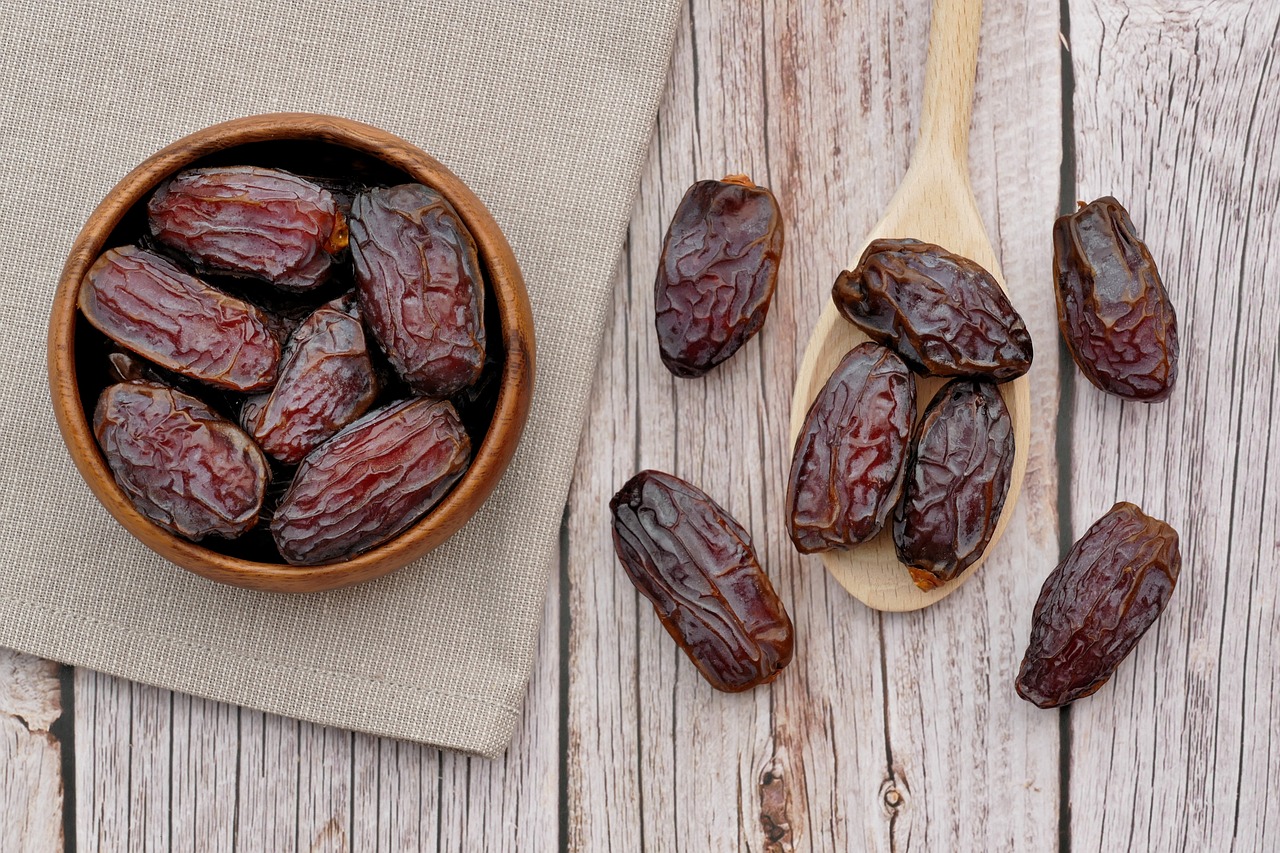
Dates, those sweet, chewy jewels of the desert, are one of the oldest cultivated fruits in human history. Evidence suggests that dates were being harvested more than 6,000 years ago, particularly in the region surrounding the modern-day countries of Iraq and Egypt. Archaeologists have found remnants of date seeds in ancient ruins, indicating their essential role in early human diets.
The date palm tree (Phoenix dactylifera) was revered as the "Tree of Life" in ancient Mesopotamia. It provided not only food but also shelter and materials for weaving and building. Over time, trade routes spread dates across North Africa, the Middle East, and into parts of Asia and Europe.
The cultivation of dates is a labor of love that requires patience, a hot climate, and significant care. Date palms thrive in arid, desert-like conditions with high heat and abundant sunshine. Interestingly, they require a combination of very little rainfall but access to water sources such as underground aquifers.
The growth process includes:
-
Propagation: Most modern cultivation uses offshoots from a mother tree rather than seeds, ensuring the fruit's quality remains consistent.
-
Pollination: Date palms are dioecious, meaning male and female flowers grow on separate plants. Farmers manually pollinate female trees using pollen collected from male trees to maximize yields.
-
Fruit Development: After pollination, small green fruits emerge and mature over months, changing color from green to yellow, red, or brown, depending on the variety.
-
Harvesting: Typically, harvesting happens between late summer and early fall. Workers either climb the tall palms or use mechanical lifts to gather the heavy clusters by hand.
Dates are composed of a rich blend of natural sugars (like glucose, fructose, and sucrose), fiber, vitamins, and minerals. Here's a deeper look:
-
Natural Sugars: Dates can be up to 70% sugar by weight, making them nature’s energy booster.
-
Fiber: They are an excellent source of dietary fiber, promoting digestive health.
-
Vitamins: Primarily rich in B-vitamins like B6, niacin, and riboflavin, dates help support metabolic functions.
-
Minerals: Potassium, magnesium, copper, manganese, and iron are abundant.
-
Antioxidants: Polyphenols, carotenoids, and flavonoids contribute to reducing oxidative stress in the body.
Dates are naturally fat-free, cholesterol-free, and sodium-free, making them a wholesome addition to most diets.
Several countries produce world-renowned varieties of dates, each with its own flavor, texture, and size. The best often come from:
-
Saudi Arabia: Famous for Ajwa dates, prized for their spiritual significance and rich, soft texture.
-
Iran: Known for Mazafati (juicy, soft, almost syrupy) and Zahedi (drier, firmer).
-
United Arab Emirates: Offers Khalas dates, often considered one of the finest for their caramel-like taste.
-
Algeria and Tunisia: Home to Deglet Noor ("Date of Light"), a semi-dry, translucent date with a honeyed flavor.
-
Israel: Produces Medjool dates, often referred to as the "King of Dates" for their large size and luxurious, fudgy texture.
Other notable producers include Egypt (the largest producer by quantity), Morocco, and the United States (particularly California's Coachella Valley).
The regular consumption of dates offers a variety of health benefits:
-
Energy Boost: High in natural sugars, dates provide quick and sustained energy without processed ingredients.
-
Digestive Health: The soluble fiber aids in regular bowel movements and feeds beneficial gut bacteria.
-
Heart Health: Potassium and magnesium support blood pressure control and cardiovascular function.
-
Bone Health: Minerals like calcium, phosphorus, and magnesium help maintain strong bones.
-
Anti-Inflammatory Effects: Antioxidants help combat free radicals, reducing the risk of chronic diseases.
-
Brain Health: Studies suggest dates may lower inflammatory markers in the brain, potentially protecting against neurodegenerative diseases.
-
Natural Labor Induction: Some research indicates that consuming dates in the final weeks of pregnancy may promote easier labor by aiding cervical dilation.
While dates are generally considered highly nutritious, there are a few considerations to keep in mind:
-
High Sugar Content: Despite being natural, the sugar content is significant. People with diabetes or insulin sensitivity should consume them in moderation.
-
Caloric Density: Dates are calorie-rich, and overconsumption can lead to unintended weight gain.
-
Dental Health: Sticky and sugary, dates can contribute to cavities if proper dental hygiene isn’t maintained.
-
Allergies: Rarely, individuals may experience allergic reactions, particularly if the dates were not properly cleaned and still contain dust or mites.
As with many natural foods, moderation and balance are key.
When selecting the best dates, consider the following:
-
Appearance: Good dates look plump and slightly glossy but not overly shiny (which could indicate added sugar syrups).
-
Texture: They should be soft but not mushy unless you're selecting varieties like Mazafati, which are naturally very soft.
-
Color: Depends on the variety. However, uniform coloration without dark moldy spots is ideal.
-
Smell: They should have a sweet, inviting aroma, not sour or fermented.
-
Organic Certification: If possible, opt for organic dates to avoid pesticide residues.
-
Packaging: Airtight packaging helps preserve freshness. Dates sold loose should be checked for dryness or signs of insect damage.
-
Origin: Knowing the source country can guide you toward your preferred flavor profile — for example, Medjool from Israel or Khalas from UAE.
Pro Tip: Soaking slightly dry dates in warm water can rejuvenate them to a tender, delicious consistency.