






Diet for Diabetes
Its Origins, impact on health, and shaping a better future
9/28/2026
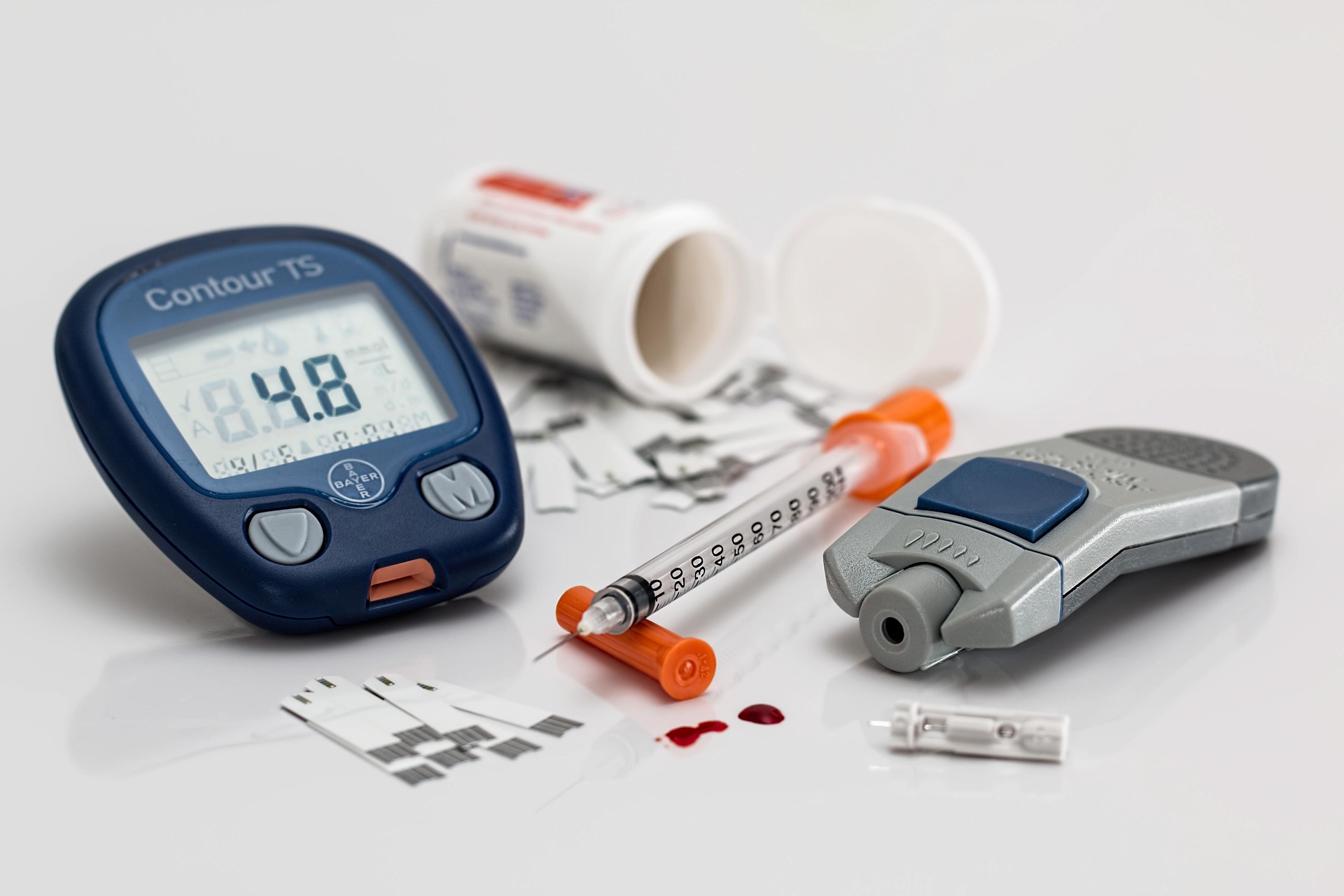
A diagnosis of diabetes often changes the way a person thinks about everyday life. Meals become a source of questions, familiar foods come under scrutiny, and concerns about medication and long-term health can feel overwhelming. Among the first questions many people ask is whether changing their diet can bring the condition under control.
Nutrition can make a substantial difference. A suitable eating plan can help manage blood glucose, support cardiovascular health and, for some people with type 2 diabetes, contribute to remission. However, no diet guarantees improvement for everyone, and food cannot replace the insulin needed to treat type 1 diabetes. Understanding those distinctions is essential to making informed choices.
The scale of the challenge is considerable.
The World Health Organization estimates that the number of people living with diabetes worldwide rose from approximately 200 million in 1990 to 830 million in 2022. Those figures describe a global health problem, but behind them are individual lives: people managing careers, raising families and trying to protect their health while navigating a demanding condition.
Understanding diabetes begins with recognizing that it has several forms, different causes and a range of treatment needs. Its future is also changing, as research expands the possibilities for prevention, management and preservation of the body’s own insulin production.
An ancient disease and a modern turning point
Diabetes existed long before modern convenience foods or sedentary office work. Ancient medical accounts described symptoms resembling diabetes, including excessive urination, thirst and wasting. Physicians could observe its devastating effects centuries before they understood the biological processes involved. These historical descriptions should not be confused with modern diagnoses, but they show that the condition’s roots extend far into the past.
A decisive breakthrough came with the development of insulin treatment. In 1921, research in Toronto involving Frederick Banting, Charles Best, John Macleod and James Collip helped make therapeutic insulin possible. In January 1922, 14-year-old Leonard Thompson became the first person to receive insulin treatment. The discovery transformed the outlook for people with severe insulin deficiency, whose survival had previously depended on restrictive diets that could not correct the underlying problem.
That history still matters. It demonstrates both the importance and the limits of diet. Food choices influence blood glucose, but some forms of diabetes require replacement of a hormone the body can no longer produce adequately.
What happens inside the body
Glucose is an important source of energy. Insulin, a hormone produced by beta cells in the pancreas, helps regulate glucose in the bloodstream and allows it to enter cells for use. Diabetes develops when insulin production, insulin action or both are insufficient to keep blood glucose within a healthy range.
In type 1 diabetes, the immune system attacks the insulin-producing beta cells. Genetic susceptibility and environmental factors are involved, although researchers have not fully explained what triggers the process in each person.
Type 2 diabetes develops through a combination of insulin resistance and inadequate insulin production. Muscle, liver and fat cells respond less effectively to insulin, while the pancreas eventually cannot meet the body’s needs.
Gestational diabetes develops during pregnancy when the body cannot produce enough additional insulin to overcome pregnancy-related insulin resistance. It requires treatment during pregnancy and follow-up afterward because it is associated with a greater future risk of type 2 diabetes. Less common forms can result from certain genetic changes, pancreatic disease or other medical conditions.These differences explain why a single “diabetes diet” or treatment cannot fit everyone.
Who is affected most?
Type 2 is the most common form of diabetes. Its risk increases with age, family history, overweight or obesity, and physical inactivity. A history of gestational diabetes also raises risk. Nevertheless, younger people can develop type 2 diabetes, and body size alone cannot establish or exclude a diagnosis.
The burden is unevenly distributed. In the United States, diabetes prevalence and outcomes differ across racial and ethnic populations, income levels and communities. These patterns must be understood in the context of both individual risk and the conditions in which people live. Access to preventive care, affordable medication, nutritious food and safe places for physical activity all affect the ability to prevent or manage disease.
Food insecurity creates particular difficulties. A person may understand dietary recommendations yet lack reliable access to appropriate meals. Irregular food availability can also complicate the safe use of glucose-lowering medication. Effective care therefore requires practical support alongside nutritional advice.
Globally, the WHO reports that diabetes prevalence has risen faster in low- and middle-income countries than in high-income countries, while treatment coverage remains particularly limited in those settings. The people facing the greatest burden are often those with the fewest resources to manage it.
How diabetes can undermine health
The effects of diabetes extend well beyond an elevated reading on a glucose meter. Over time, persistently high blood glucose can damage blood vessels and nerves, affecting organs throughout the body.
Eye disease can threaten vision. Kidney damage can progress to kidney failure. Nerve damage may cause pain, burning, tingling or loss of sensation, especially in the feet. Reduced sensation can allow an injury to go unnoticed, while circulation problems can complicate healing. Severe foot complications sometimes lead to amputation. Diabetes also increases the importance of managing cardiovascular risk, including blood pressure and cholesterol. Regular eye examinations, kidney tests and foot assessments can identify problems before they become advanced.
Diabetes can also cause acute emergencies. Diabetic ketoacidosis occurs when severe insulin deficiency leads to a dangerous buildup of ketones. Symptoms such as vomiting, abdominal pain, difficulty breathing or fruity-smelling breath require urgent medical attention, particularly in someone with known or suspected diabetes.
The emotional effects deserve equal attention. Repeated decisions about food, medication and glucose readings can become exhausting. Diabetes distress describes the strain of managing the condition and its demands; it is distinct from depression, although both can occur together. Supportive clinical relationships, diabetes education and mental health care can help address this burden.
Complications are serious possibilities, but they are not an inevitable future for every person with diabetes. Treatment and regular monitoring offer meaningful opportunities to prevent or delay them.
Treatment involves more than food
Treatment depends on the type of diabetes, other health conditions and the person’s circumstances. People with type 1 diabetes require insulin. It may be delivered through injections or a pump, with glucose monitoring guiding treatment.
Some people with type 2 diabetes can meet glucose goals through lifestyle changes, while many need medication as well. Treatment may change over time, and needing additional medication does not mean that someone has failed. Gestational diabetes similarly requires an individualized plan, with insulin sometimes needed when nutrition and physical activity are insufficient.
For type 2 diabetes, commonly used medicines include metformin, GLP-1 receptor agonists, dual GIP/GLP-1 receptor agonists and SGLT2 inhibitors. These work through different mechanisms. Some improve insulin-related responses and appetite regulation; others help the kidneys remove glucose through urine. Certain medicines also offer cardiovascular or kidney benefits for appropriate patients, making treatment selection broader than simply lowering blood sugar.
Monitoring helps determine whether the plan is working. A1C provides an estimate of average glucose over roughly the preceding two to three months. Glucose meters and continuous glucose monitors provide more immediate information. Targets should be individualized to balance long-term benefit with the risk of low blood sugar. Blood pressure, cholesterol, smoking status and access to care also belong in the treatment discussion.
Is there a diet that guarantees a reduction?
No particular diet guarantees a reduction in blood glucose, medication needs or complications for every person. Results depend on the type and duration of diabetes, remaining insulin production, medications, overall health and whether the eating pattern can be maintained.
Several dietary approaches can support diabetes management. Mediterranean-style, lower-carbohydrate and appropriately planned vegetarian patterns are among the options. Choosing between them requires attention to food preferences, cultural traditions, budget and other health needs. An eating plan that works in daily life is more useful than an impressive plan that is impossible to sustain.
Lower-carbohydrate diets can improve glucose control for some people with type 2 diabetes, particularly in the short term. However, evidence does not establish a single carbohydrate level as ideal for everyone, and differences between eating patterns often narrow over longer follow-up. Very restrictive approaches also require care: ketogenic eating patterns are discouraged for people taking SGLT2 inhibitors because of ketoacidosis risk.
A major dietary change should therefore be coordinated with the care team. If carbohydrate intake falls substantially while insulin or other medicines that can cause hypoglycemia remain unchanged, blood glucose may drop too low. Better nutrition and appropriate medication adjustment should work together.
What a practical eating plan looks like
Across healthy eating patterns, several principles recur: emphasize nonstarchy vegetables, choose nutritious sources of carbohydrate, include lean or plant-based protein, use healthy fats and reduce added sugar. These principles leave room for enjoyable meals and familiar cuisines.
The diabetes plate method offers a simple starting point. About half the plate contains nonstarchy vegetables, one quarter contains lean protein and one quarter contains carbohydrate foods. Water or an unsweetened beverage accompanies the meal. This approach helps make portions visible without requiring everyone to weigh food or calculate every nutrient.
Carbohydrate quality and quantity both matter. Whole fruit, beans, whole grains and yogurt can fit into a meal plan, but their carbohydrate content still contributes to the total. Fruit juice generally raises glucose more quickly than whole fruit. Combining carbohydrate with protein, fat or fiber changes how quickly it is absorbed.
For example, a meal could include baked fish or tofu, a generous portion of vegetables and a measured serving of brown rice. Breakfast might combine plain yogurt, berries and nuts, with portions adapted to the individual’s needs. These are illustrations, not prescriptions; people with kidney disease, pregnancy-related needs or specific medication schedules may need different arrangements.
Mediterranean-style eating offers one flexible framework, emphasizing vegetables, legumes, whole grains, fish, nuts and olive oil. Its appeal includes attention to cardiovascular health as well as glucose management. Whatever pattern is chosen, food quality matters: reducing carbohydrate does not make unlimited processed meat or saturated fat a healthy strategy.
Weight loss, improvement and remission
For people with type 2 diabetes who have overweight or obesity, sustained weight loss can improve glucose management. Some achieve remission, particularly when substantial weight loss is maintained. However, remission is not assured, and diabetes can return.
An international consensus defines remission as an A1C below 6.5% that persists for at least three months without usual glucose-lowering medication. This is different from a permanent cure. Continued monitoring remains necessary, including checks for complications. Medication should never be stopped simply to see whether someone meets the definition.
The DiRECT study illustrates both the opportunity and the difficulty. Its structured weight-management program showed that some people could remain in remission for years. At five years, 13% of participants who received the program and continued support through the extension study were in remission. Weight regain and loss of remission were common, emphasizing the need for continuing support. The intensive dietary program was medically supervised, not a model for unsupervised crash dieting.
Metabolic surgery can also produce substantial weight loss and improve diabetes in selected people with obesity and type 2 diabetes. Its benefits, risks and long-term nutritional requirements require specialist assessment. Remission is a worthwhile possibility, but improved health remains valuable even when medication is still needed.
Prevention and the habits that support treatment
For people at high risk of type 2 diabetes, the Diabetes Prevention Program provides strong evidence that intervention can help. Over approximately three years, its intensive lifestyle program reduced diabetes incidence by 58% relative to placebo; metformin reduced it by 31%. These were reductions in risk, not guarantees that diabetes would never develop. The lifestyle intervention combined dietary changes, physical activity and weight-management support.
Physical activity also supports treatment after diagnosis. A routine should reflect the person’s abilities, medications and any complications. Consistent sleep, stress management and help with tobacco cessation can complement nutrition and medical treatment. Changes are often easier to maintain when they begin with practical steps and expand gradually.
What the future holds
Diabetes research is progressing along several paths: reducing the daily burden of treatment, protecting insulin-producing cells and replacing cells that have been lost.
Automated insulin delivery systems already combine a continuous glucose monitor, an insulin pump and software that adjusts delivery. They can improve glucose management and ease some of the work involved, including overnight management. These systems still require training and ongoing attention, but they represent a major advance over relying entirely on intermittent measurements and manual decisions.
Immune-directed treatment is another important development. Teplizumab has demonstrated that the progression of type 1 diabetes can be delayed in selected people identified before symptomatic disease develops. In June 2026, the FDA also granted accelerated approval for its use to delay declining insulin production in certain patients aged 8 through 17 with recently diagnosed stage 3 type 1 diabetes. This is a targeted treatment requiring specialist assessment; it does not eliminate the need for insulin management.
Cell replacement offers further hope. A small phase 1–2 study published in 2025 evaluated stem-cell-derived islet cells called zimislecel. Ten of the 12 full-dose participants were no longer using injected insulin at one year. However, participants required immunosuppressive therapy, serious adverse events occurred, and the study was too small and too short to establish a broadly applicable, lasting cure. The results are promising precisely because they show what may be possible while making the remaining challenges clear.
Future progress must also reach people outside research centers. Treatments deliver their full value only when patients can obtain them, afford them and receive the support necessary to use them. Better access to everyday care remains as consequential as scientific discovery.
For someone living with diabetes today, the most useful promise is a realistic one: thoughtful nutrition, appropriate treatment and continuing support can improve health and preserve quality of life. Food is a powerful part of that care. Its greatest value comes from an eating pattern that nourishes the person, fits their circumstances and works alongside the medical treatment they need.
This article provides general health information. Dietary and medication changes should be individualized with a qualified health professional, particularly for people using insulin, those who are pregnant and those with kidney disease.