





Geisha of Japan
The Living Embodiment of Japanese Grace and Tradition
5/2/2025
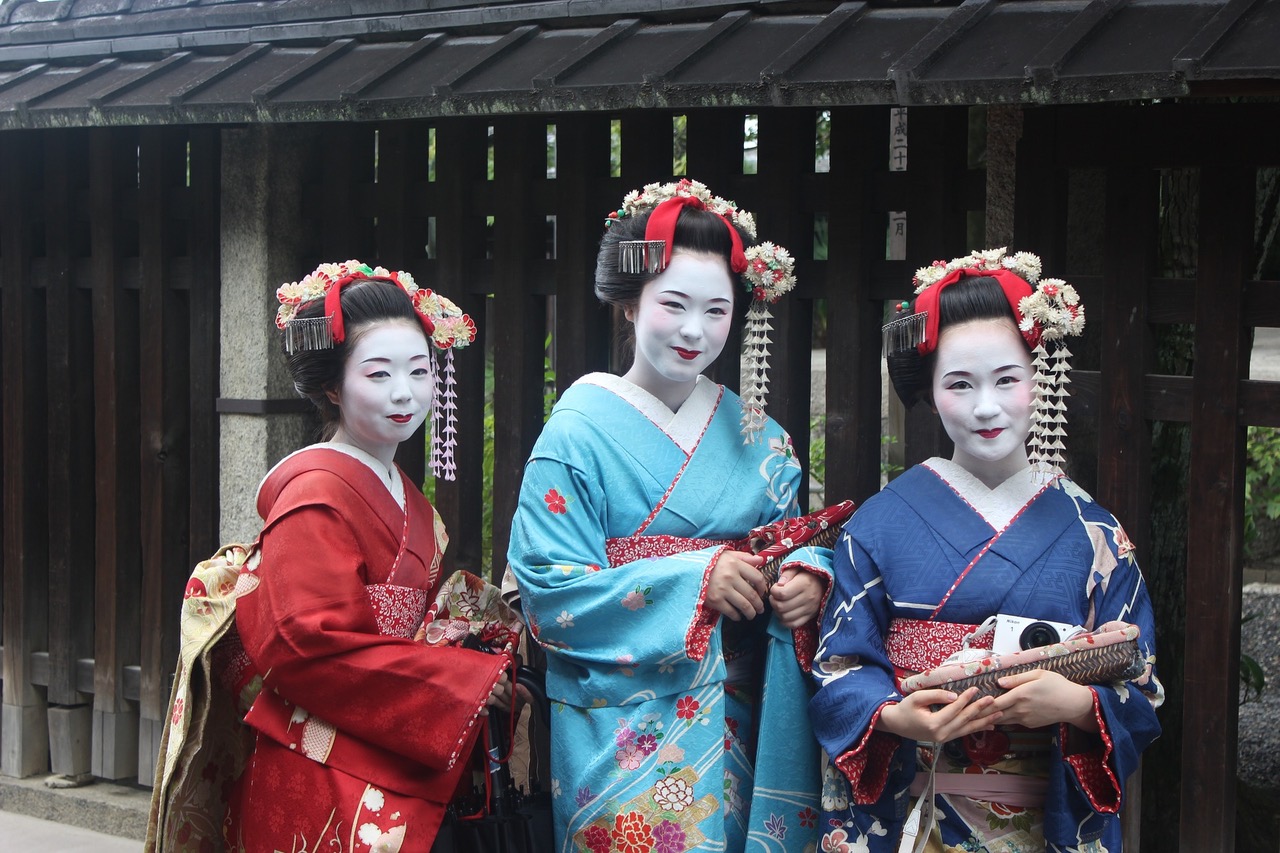
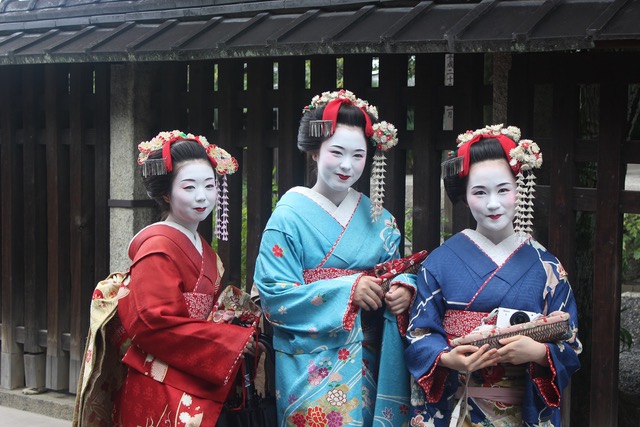
The word geisha (芸者) literally means “person of the arts.” Geisha are female Japanese entertainers who act as hostesses and are trained in various traditional Japanese arts such as classical music, dance, and games. Though they are icons of Japanese femininity and elegance today, the profession’s roots are deeply entwined with theatrical and performance traditions that predate modern conceptions.
Early Beginnings
The earliest entertainers who laid the foundation for the geisha profession were men—called taikomochi or hōkan—who served as jesters and companions to samurai during the feudal period (circa the 13th century). By the 17th century, women began to enter the entertainment industry, particularly in the pleasure quarters (licensed red-light districts such as Yoshiwara in Edo, Shimabara in Kyoto, and Shinmachi in Osaka). These areas were home to courtesans (oiran), who were skilled not only in sex work but also in arts and conversation. Over time, women who focused more on performance than physical intimacy—especially dance and music—gained popularity. By the mid-18th century, female geisha had largely overtaken their male counterparts in demand.
Historical Development of the Geisha Profession
18th to 19th Century – The Rise of the Geisha
By the Edo period (1603–1868), the role of the geisha had become well-defined and distinct from that of courtesans. Laws were even enacted to separate geisha from sex workers. They were not to compete with courtesans, particularly by living and working in the same establishments. This distinction created a cultural niche for geisha as pure entertainers.
e classic image of the geisha—white makeup, elaborate kimono, and artistic poise—was established during this time. Geisha flourished in hanamachi (flower towns), districts where they lived and worked. Their lives were rigidly structured around a demanding apprenticeship system, communal living, and social hierarchy.
Meiji Era to WWII (1868–1945) – Changing Roles
During the Meiji Restoration, Japan’s westernization and modernization began to affect traditional arts. However, geisha remained a cornerstone of refined Japanese culture. They were seen as custodians of tradition amid rapid change.
During World War II, many geisha houses shut down, and the geisha profession went into sharp decline. Geisha were often confused with prostitutes by occupying Allied soldiers, which led to further misunderstanding about their true role in society.
The Path to Becoming a Geisha
Entry and Selection
Young girls typically began training as early as the age of 15. They would move into an okiya (geisha house) under the care of a mother (okā-san), who was responsible for their upbringing, training, and eventual debut. The training could begin even earlier for those destined to become maiko (apprentice geisha).
The Stages of Training
• Shikomi: The initial stage, where the girl performs chores and begins informal learning.
• Minarai: A short phase where she observes senior geisha in public settings.
• Maiko: The apprentice phase, marked by colorful kimono, elaborate hairstyles, and more decorative accessories. Maiko perform music and dance but are not yet full geisha.
• Geisha (or Geiko in Kyoto): The final status, marked by subdued elegance and proficiency in the arts.
The training is rigorous and includes:
• Classical dance (nihon buyo)
• Musical instruments like the shamisen Tea ceremony (sado)
• Calligraphy Poetry Artful conversation and social etiquette
Duties and Services Provided by Geisha
A geisha’s principal role is to entertain guests at ozashiki (banquets), typically held in teahouses (ochaya) or upscale ryōtei (traditional restaurants).
Services include:
• Musical Performance: Playing the shamisen, singing traditional songs, or performing group dances.
• Dance: Elegant, symbolic movements that require years of training.
• Conversation: Witty, engaging, and culturally refined interaction.
• Games: Light, flirtatious party games designed to amuse and relax guests.
• Hosting: Assisting in tea service, pouring drinks, and facilitating a harmonious atmosphere.
Geisha are not sex workers. Their services are purely cultural and entertainment-based. The widespread misconception arose due to misunderstanding during the post-WWII occupation.
Cultural History and Symbolism
Geisha have become iconic symbols of traditional Japan. They represent a blend of restraint, aesthetic beauty, grace, and depth. They serve as guardians of intangible cultural heritage and preserve Japanese customs in their most classical form.
Symbolism in Appearance
• White Face Makeup: Symbolizes purity and also helps facial expressions become visible in candlelit rooms.
• Kimono and Obi: Representing seasonal changes, hierarchy, and status.
• Hair Ornaments (Kanzashi): Indicate rank and season.
• Subtle Elegance: A full geisha’s look is more subdued than a maiko’s, reflecting maturity and skill.
The Modern-Day Geisha
Decline and Adaptation
By the 1970s, the number of geisha had dropped dramatically due to Western influences, alternative careers for women, and a shrinking demand for traditional entertainment. Still, certain hanamachi—especially Kyoto’s Gion—preserve the tradition. Today, there are fewer than 1,000 geisha in Japan, compared to an estimated 80,000 during the early 20th century.
Revival and Tourism
Thanks to cultural preservation efforts, tourism, and global curiosity, geisha have seen a partial revival. Tourists can watch geisha dances (like Miyako Odori in Kyoto), and special experiences can be arranged to attend performances or tea gatherings with geisha.
Some women now choose to enter geisha life later, as adults. There are also modern geisha schools that offer training in a more flexible structure.
Misconceptions and Clarifications
• Geisha Are Not Prostitutes: A persistent myth, largely due to the term "geisha girl" used by American GIs during WWII, has led to confusion.
• Geisha Are Not Courtesans (Oiran): Oiran were high-ranking sex workers of the pleasure quarters, often with artistic training but distinct from geisha.
• Becoming a Geisha Is a Choice: Today’s geisha enter voluntarily and undergo a lengthy, traditional training regimen.
• Male Geisha Exist: Though rare, a few male geisha still perform in Tokyo and other cities.
The Global Influence and Legacy
Geisha have influenced:
• Fashion: The kimono and traditional hair designs have inspired global designers.
• Media: Films like Memoirs of a Geisha (though criticized for inaccuracies) and documentaries have brought awareness.
• Art and Literature: From ukiyo-e woodblock prints to modern poetry and novels. Their mystique continues to draw fascination from scholars, artists, and travelers alike.
The Enduring Spirit of Geisha Geisha are more than entertainers—they are living vessels of Japanese tradition. They balance art, conversation, etiquette, and grace in a way few other cultural icons can. While the world around them has changed dramatically, the essence of the geisha remains a tribute to Japan’s heritage. As modern Japan moves forward, geisha continue to play a vital role in preserving and celebrating the beauty of its past.
First Cabin Travel has crafted luxury-styled itineraries to unique and varied destinations worldwide with the mainstay of booking derived from repeat clientele and their enthusiastic referrals. When selecting a company to assist with your dream holiday, choose wisely - choose FirstCabin.com - Your Passport to Excellence - CA Reg: 2016168-40