






Hair Loss
Causes, treatments cautions
7/31/2025
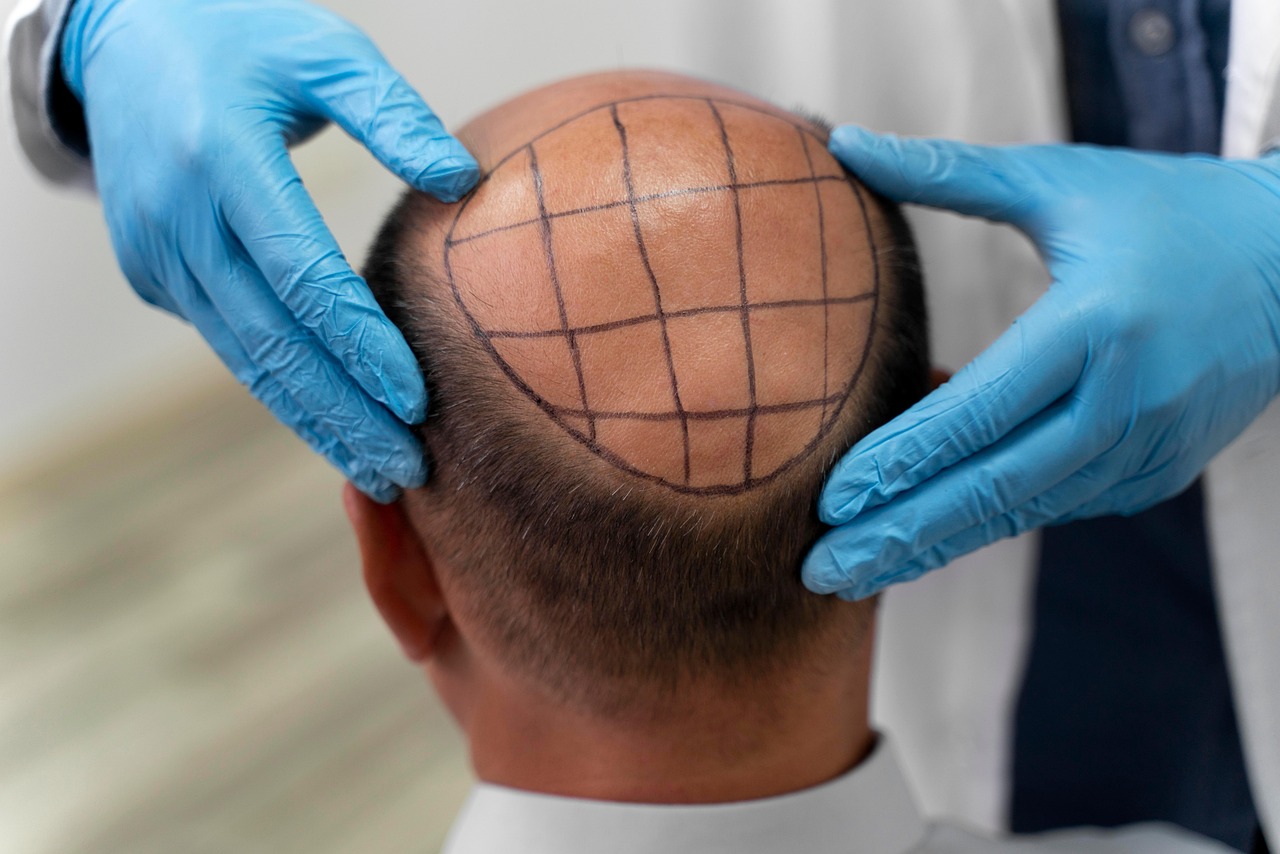
Hair loss, medically referred to as alopecia, is a condition that affects millions of men and women across the globe. It can result from a complex interplay of genetics, hormones, age, lifestyle, and environmental factors. Hair loss might be gradual or sudden, temporary or permanent, and can significantly impact self-image and confidence.
-
Androgenetic Alopecia: The most common form, caused by genetics and hormonal influences. Known as male-pattern or female-pattern baldness.
-
Alopecia Areata: An autoimmune disorder leading to patchy hair loss.
-
Telogen Effluvium: Temporary shedding due to stress, illness, or hormonal fluctuations.
-
Traction Alopecia: Caused by tension from hairstyles pulling on the roots.
-
Scarring Alopecia: Permanent hair loss due to inflammation or skin disorders that destroy follicles.
Genetics plays a central role in androgenetic alopecia, the most widespread form of hair loss. The inherited sensitivity of hair follicles to dihydrotestosterone (DHT), a derivative of testosterone, leads to gradual miniaturization of hair follicles, especially in men.
Is Baldness Inherited from the Mother’s Side?While there is a popular belief that baldness is passed down from the mother’s side, the reality is more complex. Genetic predisposition can be inherited from either parent, with contributions from multiple genes.
Yes. Ethnic background can influence hair loss patterns:
-
Caucasian men show the highest prevalence of androgenetic alopecia.
-
Asian and African populations tend to have lower rates and later onset.
-
Men of Middle Eastern descent may experience early and extensive balding.
-
Male-pattern baldness typically starts at the temples and crown, often leading to a horseshoe-shaped pattern.
-
It's heavily influenced by DHT.
-
Onset can be as early as late teens or early 20s.
-
Female-pattern baldness is more diffuse, typically showing as thinning over the crown with the frontal hairline usually intact.
-
Often begins during peri-menopause or post-menopause.
-
Hormonal changes, especially a drop in estrogen, play a big role.
Hair loss can be emotionally distressing, particularly for women, due to societal norms and aesthetic expectations. Support, counseling, and education are important components of treatment.
Though genetics are powerful, diet and lifestyle significantly influence hair health.
-
Protein: Hair is made of keratin, a protein. Insufficient intake can lead to thinning.
-
Iron: Deficiency is a common cause of diffuse hair loss, especially in women.
-
Zinc and Selenium: Necessary for healthy follicle function.
-
Biotin, Vitamin D, and B12: Deficiencies are linked to shedding.
-
Stress can lead to telogen effluvium.
-
Crash dieting, smoking, and excessive alcohol can impair hair growth.
-
Poor sleep and hormonal imbalances also affect follicular cycles.
Delaying or slowing hair loss often involves a combination of preventive, medical, and lifestyle-based approaches:
-
Minoxidil (Rogaine): Widely used topical agent that stimulates hair growth.
-
Finasteride (Propecia): Oral medication that reduces DHT levels in men.
-
Dutasteride: A more potent DHT-blocker than finasteride but with more side effects.
-
Low-Level Laser Therapy (LLLT): Uses light to stimulate follicles.
-
Platelet-Rich Plasma (PRP): Involves injecting plasma from your blood into the scalp to encourage growth.
-
Scalp massages: May increase blood flow to follicles.
-
Essential oils like rosemary and peppermint show promise in small studies.
-
Ayurvedic and traditional medicine often promote herbs like saw palmetto.
When hair follicles are dead or miniaturized beyond repair, surgical intervention may be the most effective method.
There are two main techniques:
-
FUT (Follicular Unit Transplantation): A strip of scalp is removed from the back of the head, and follicles are harvested.
-
FUE (Follicular Unit Extraction): Individual hair follicles are removed and transplanted. Less scarring, quicker recovery.
Both methods have high success rates when done by qualified surgeons. Results typically start to show within 6–9 months.
Still largely experimental, these aim to regenerate follicles using stem cells or clone healthy follicles. Promising, but not widely available.
Hair restoration is a lucrative industry, and unfortunately, not all providers are ethical. Here’s what to watch for:
Red Flags When Seeking Treatment-
Overpromising results or “guaranteed” regrowth.
-
Unlicensed practitioners or salons offering medical treatments.
-
Non-medical clinics promoting unproven technologies.
-
Cheap overseas options without medical standards or follow-up.
-
Is the clinic board-certified?
-
How many years of experience does the doctor have with transplants?
-
Can they show real, unedited before-and-after photos?
-
What is the plan if the transplant fails?
-
Avoid sun exposure, sweating, and strenuous activity.
-
Follow a doctor’s advice precisely regarding shampooing and medications.
-
Real growth may take 3–12 months, so patience is essential.
Science is steadily advancing, and with it, novel therapies are emerging—from gene editing to 3D-printed follicles. But until then, individuals experiencing hair loss should take a multi-pronged approach:
-
Start early if hair loss runs in your family.
-
Incorporate a healthy lifestyle, reduce stress, and optimize nutrition.
-
Consult a dermatologist or trichologist for proper diagnosis.
-
Be wary of scams and miracle products.
Hair does not define self-worth, and the journey to restoration is deeply personal. For some, embracing baldness is liberating. For others, restoring hair is empowering. Either path deserves respect and careful consideration.