






How To Reduce Belly Fat
Guide to losing abdominal fat and improving long term health
7/13/2026
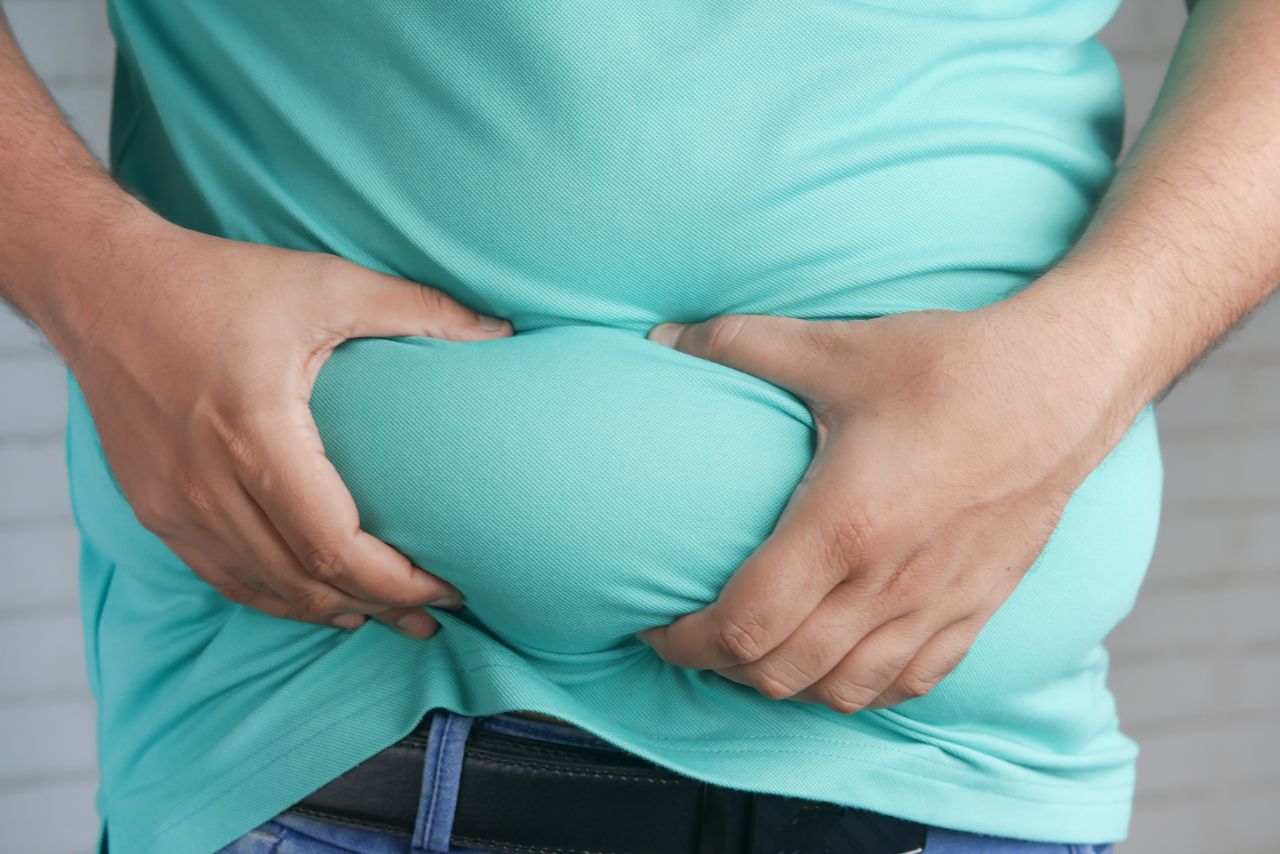
For many people, the most frustrating place to lose weight is around the midsection. Belly fat often seems resistant to even the most determined efforts, leading countless individuals to search for quick fixes, miracle supplements, or the latest diet trends. Yet scientific research consistently shows that reducing belly fat is not about one magical exercise or a single "fat-burning" food. Instead, it is the result of combining healthy eating, regular physical activity, quality sleep, stress management, and long-term consistency.
The encouraging news is that abdominal fat is often one of the first areas to improve when healthy lifestyle changes are maintained. More importantly, reducing excess belly fat can significantly lower the risk of heart disease, type 2 diabetes, high blood pressure, certain cancers, and premature aging.
Not all body fat is the same.
This is the fat located directly beneath the skin. It is the soft layer you can pinch around your waist. While excess amounts are not ideal, subcutaneous fat is generally less harmful than visceral fat.
Visceral fat lies deep inside the abdomen, surrounding vital organs such as the liver, pancreas, and intestines. This type of fat is metabolically active and produces inflammatory substances that can interfere with normal hormone function and increase disease risk.
Excess visceral fat has been linked to:
- Heart disease
- Stroke
- Type 2 diabetes
- Fatty liver disease
- High blood pressure
- Sleep apnea
- Certain cancers
- Alzheimer's disease
For these reasons, reducing belly fat is about far more than appearance—it is an important investment in long-term health.
Many factors contribute to abdominal fat accumulation.
Eating More Calories Than You BurnRegardless of diet style, consuming more calories than your body uses will eventually lead to weight gain.
AgingBeginning around age 40, muscle mass naturally declines while metabolism slows. Without adjustments in diet and exercise, body fat often increases around the abdomen.
Hormonal ChangesChanges in estrogen during menopause and gradual declines in testosterone in men can encourage fat storage around the waist.
StressChronic stress raises cortisol levels. Elevated cortisol encourages the body to store fat around the abdominal organs.
Poor SleepPeople who routinely sleep fewer than seven hours often experience greater hunger, stronger cravings for sugary foods, and slower fat loss.
GeneticsGenes influence where the body stores fat, although lifestyle remains the greatest factor affecting long-term outcomes.
No exercise program can overcome a consistently unhealthy diet.
The most successful eating plans share several characteristics regardless of whether they are Mediterranean, DASH, or lower-carbohydrate approaches.
Protein helps preserve muscle while losing weight and increases feelings of fullness.
Excellent choices include:
- Fish
- Chicken breast
- Turkey
- Eggs
- Greek yogurt
- Cottage cheese
- Beans
- Lentils
- Tofu
Most experts recommend including protein with every meal.
Fiber slows digestion, improves blood sugar control, and keeps you feeling full longer.
Excellent sources include:
- Oats
- Apples
- Berries
- Pears
- Broccoli
- Brussels sprouts
- Carrots
- Beans
- Lentils
- Chia seeds
- Flaxseed
Research consistently shows that individuals consuming more soluble fiber tend to accumulate less visceral fat over time.
Replace refined grains with whole grains whenever possible.
Better options include:
- Brown rice
- Quinoa
- Steel-cut oats
- Whole-grain bread
- Barley
- Farro
These foods provide vitamins, minerals, and fiber while producing steadier blood sugar levels.
Healthy fats actually support weight management by improving satiety.
Excellent sources include:
- Avocados
- Olive oil
- Almonds
- Walnuts
- Pistachios
- Salmon
- Sardines
These fats are associated with lower inflammation and improved heart health.
Sugar is strongly associated with abdominal fat accumulation.
Major sources include:
- Soda
- Sweet tea
- Candy
- Cookies
- Cakes
- Ice cream
- Sweetened cereals
- Many flavored coffee drinks
Even fruit juices can contribute excess calories when consumed in large amounts.
Ultra-processed foods often contain combinations of sugar, refined flour, unhealthy fats, and sodium that promote overeating.
Replacing processed foods with whole foods naturally reduces calorie intake without feeling deprived.
The Best Eating PatternResearch repeatedly ranks the Mediterranean diet among the healthiest eating patterns in the world.
It emphasizes:
- Vegetables
- Fruits
- Fish
- Olive oil
- Nuts
- Whole grains
- Beans
- Herbs
- Moderate dairy
- Limited red meat
Studies consistently show improvements in weight, waist circumference, blood pressure, cholesterol, and longevity.
Healthy foods still contain calories.
Simple strategies include:
- Use smaller plates.
- Eat slowly.
- Avoid eating while watching television.
- Stop eating when comfortably satisfied.
- Wait 20 minutes before taking seconds.
Sometimes thirst is mistaken for hunger.
Drinking water before meals may help reduce calorie intake while supporting metabolism and digestion.
Spot reduction is a myth.
Thousands of sit-ups will strengthen abdominal muscles but will not specifically burn belly fat.
Fat loss occurs throughout the body.
Cardio ExerciseAerobic exercise remains one of the most effective ways to reduce visceral fat.
Excellent choices include:
- Brisk walking
- Swimming
- Cycling
- Rowing
- Hiking
- Dancing
Aim for:
- 150–300 minutes weekly of moderate activity
or
- 75–150 minutes of vigorous exercise
Muscle burns more calories than fat—even while resting.
Resistance training should include:
- Legs
- Chest
- Back
- Shoulders
- Arms
- Core
Two to four sessions per week help preserve muscle while losing body fat.
HIIT alternates short bursts of intense activity with recovery periods.
For example:
30 seconds of fast cycling
followed by
90 seconds of easy cycling
Repeated for 20–30 minutes.
Research suggests HIIT may reduce visceral fat efficiently while improving cardiovascular fitness.
WalkingWalking remains one of the most underestimated exercises.
Benefits include:
- Low injury risk
- Improves blood sugar
- Burns calories
- Lowers stress
- Supports heart health
Even 30–45 minutes daily can produce significant improvements over time.
Adults should generally aim for seven to nine hours of quality sleep.
Poor sleep affects:
- Hunger hormones
- Appetite
- Cravings
- Insulin sensitivity
- Fat storage
Consistent bedtime routines improve both health and weight control.
Stress often leads to emotional eating while increasing cortisol production.
Healthy stress reducers include:
- Walking outdoors
- Meditation
- Deep breathing
- Reading
- Gardening
- Yoga
- Spending time with family and friends
Reducing stress benefits both mental and physical health.
Alcohol contributes calories while reducing self-control around food choices.
Heavy drinking is associated with increased abdominal fat, especially in men.
Reducing alcohol intake often leads to noticeable waist reduction.
While no food melts fat directly, these nutritious options support healthy weight loss:
- Leafy greens
- Berries
- Apples
- Citrus fruits
- Eggs
- Salmon
- Tuna
- Greek yogurt
- Beans
- Lentils
- Oatmeal
- Almonds
- Walnuts
- Olive oil
- Avocados
- Green tea
- Coffee (without excess sugar)
Reducing these foods often produces faster progress:
- Sugary beverages
- White bread
- Pastries
- Candy
- Chips
- Fast food
- Processed meats
- Fried foods
- Excess alcohol
- Large dessert portions
False.
Crunches strengthen muscles but do not selectively burn abdominal fat.
Most supplements have little scientific support.
Healthy lifestyle changes remain far more effective.
Whole-food carbohydrates such as fruits, vegetables, oats, beans, and brown rice are nutritious and support weight loss when eaten in appropriate portions.
Skipping meals often increases hunger later, leading to overeating.
Balanced meals are generally more sustainable.
Rather than relying only on the scale, monitor:
- Waist circumference
- Clothing fit
- Energy levels
- Strength gains
- Blood pressure
- Blood sugar
- Cholesterol
Many health improvements occur before dramatic weight changes become visible.
Greek yogurt with berries, walnuts, and oats.
LunchGrilled chicken over mixed greens with olive oil vinaigrette.
SnackApple with a handful of almonds.
DinnerGrilled salmon, roasted vegetables, and quinoa.
EveningHerbal tea instead of dessert.
Combined with regular walking and strength training, this type of eating pattern supports gradual, sustainable fat loss.
Healthy weight loss generally occurs at a rate of one to two pounds per week.
Visible reductions in waist size often begin after four to eight weeks of consistent healthy habits, although individual results vary.
The goal should not be rapid weight loss but permanent lifestyle improvement.
Reducing belly fat is one of the most valuable investments you can make in your overall health. While advertisements often promise rapid results through miracle diets or supplements, decades of scientific research point to a much simpler formula: eat nutritious whole foods, stay physically active, build and maintain muscle, sleep well, manage stress, and remain consistent.
There are no shortcuts that outperform these proven habits. The good news is that every healthy choice—whether taking a daily walk, choosing a salad instead of fries, drinking water instead of soda, or getting an extra hour of sleep—moves you closer to a healthier waistline and a longer, more active life.
Success is not measured by perfection but by persistence. Small improvements practiced every day can lead to remarkable changes over months and years. By focusing on sustainable habits rather than quick fixes, you can reduce belly fat, improve your energy, lower your disease risk, and enjoy a healthier future.