






Huế: The Imperial Heart of Vietnam
A City Where Time Breathe
4/8/2026
Along the gentle banks of the Perfume River lies Huế, Vietnam, a destination often sought by travelers exploring Vietnam travel, central Vietnam attractions, and historic cities in Vietnam. Here, Hué tourism offers a rare immersion into a city where history is not confined to museums but woven into the very fabric of daily life. Once the imperial capital of Vietnam, Hué is renowned for its UNESCO World Heritage sites, including the iconic Imperial City (Citadel of Hué), and remains a place of quiet grandeur, poetic landscapes, and enduring Vietnamese culture and heritage.
Unlike the bustling energy of Ho Chi Minh City or Hanoi, Hué invites reflection, drawing visitors interested in cultural travel, historical landmarks, and authentic Vietnamese experiences. Here, ancient citadels, royal tombs of the Nguyen Dynasty, and historic temples stand in harmony with nature, while the flowing elegance of the áo dài—Vietnam’s traditional dress—continues to define Vietnamese fashion, tradition, and national identity. Worn gracefully by both young and old, the áo dài remains a living symbol of Vietnamese heritage, elegance, and timeless style, making Hué not only a place to visit, but a place to truly understand the soul of Vietnam.
The Historical Tapestry of Hué
Hué rose to prominence in the early 19th century when Emperor Gia Long established it as the capital of the Nguyễn Dynasty in 1802. Strategically positioned in central Vietnam, the city became the political, cultural, and spiritual nucleus of the nation for over a century.
Under the Nguyễn emperors, Hué flourished. Inspired by Chinese imperial models yet distinctly Vietnamese in spirit, the city was designed with geomantic precision. The Perfume River acted as both a natural defense and a poetic centerpiece, while mountains guarded the horizon.
However, Hué’s serenity was not immune to the tides of history. During the Vietnam War, the city endured profound destruction, particularly during the Battle of Hué in 1968. Yet, like the resilient lotus, Hué has risen from devastation, restoring its monuments and preserving its legacy for future generations.
The Imperial Citadel: A City Within a City
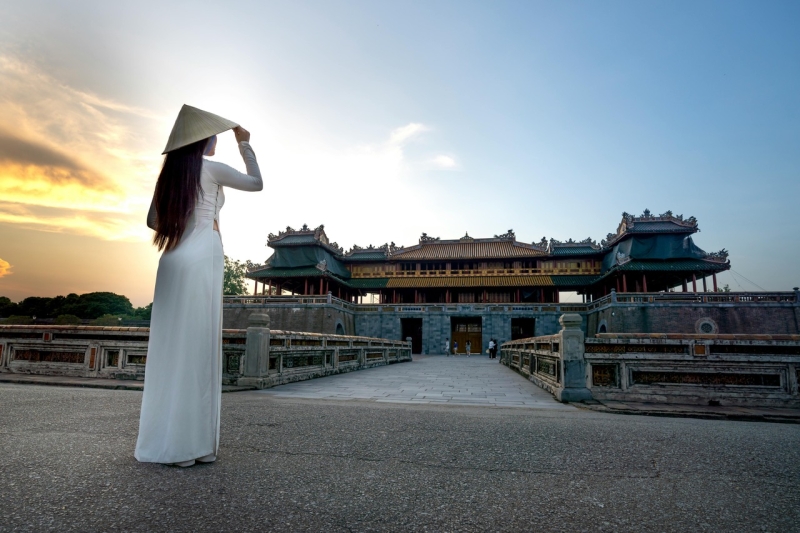
At the heart of Hué stands the magnificent Imperial City of Hué, a vast complex that once housed emperors, mandarins, and royal households. Enclosed by formidable walls and a wide moat, the citadel reflects both authority and elegance.
Modeled in part after Beijing’s Forbidden City, the Imperial City is divided into three main sections: the Outer Citadel, the Imperial City, and the Forbidden Purple City. The latter was reserved exclusively for the emperor and his inner circle.
Within these walls, ornate gates, temples, and palaces unfold in symmetrical harmony. The Noon Gate (Ngọ Môn), with its imposing structure and ceremonial significance, served as the main entrance. Beyond it lies the Thai Hoa Palace, where emperors held court beneath richly lacquered beams and gilded columns.
Though many structures were damaged during wartime, ongoing restoration has revived much of its former splendor, allowing visitors to step into a world of imperial ritual and refined artistry.
The Royal Tombs: Eternal Residences of Emperors
Scattered along the Perfume River and its surrounding hills are the elaborate tombs of Nguyễn emperors—each a masterpiece of architecture, philosophy, and personal expression. The tomb of Minh Mạng is a harmonious blend of symmetry and nature, reflecting Confucian ideals. Its layout unfolds like a poetic narrative, with courtyards, lakes, and pavilions aligned along a central axis.
In contrast, the tomb of Khải Định reveals a striking fusion of Eastern and Western influences. Built with concrete and adorned with intricate mosaics, it stands apart from the traditional aesthetics of earlier tombs, showcasing a period of cultural transition under French colonial influence.
The tomb of Tự Đức is perhaps the most romantic. Designed as a retreat during his lifetime, it features serene lakes, shaded pavilions, and poetic inscriptions—an emperor’s escape into contemplation and art.
Each tomb is not merely a burial site but a reflection of the emperor’s personality, beliefs, and vision of eternity.
Spiritual Landmarks and Sacred Serenity
Hué is also a spiritual center, home to numerous pagodas and temples that offer tranquility and reflection. Among the most iconic is the Thiên Mụ Pagoda, perched gracefully on a hill overlooking the Perfume River.
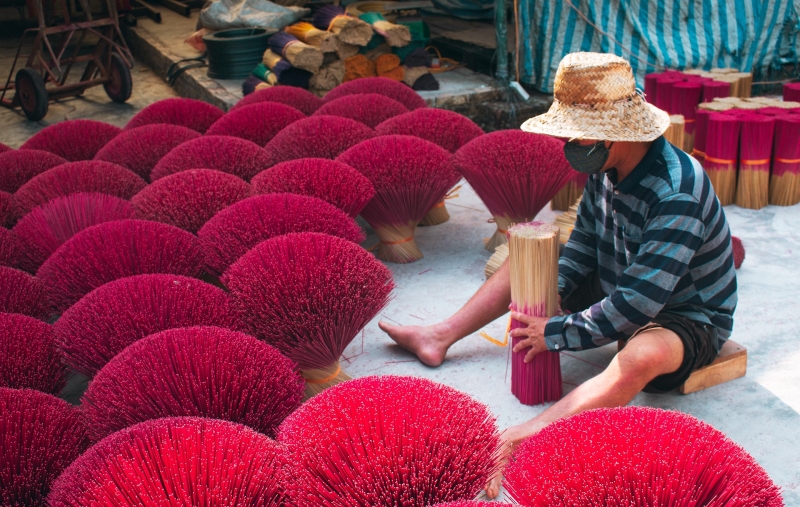
Its seven-story tower, Phước Duyên, has become a symbol of the city. The pagoda’s serene ambiance, punctuated by the sound of temple bells and the scent of incense, provides a counterpoint to the grandeur of imperial architecture.
Throughout Hué, smaller temples and ancestral houses dot the landscape, preserving centuries-old traditions of worship and reverence.
The Perfume River: A Lifeline of Poetry and Culture
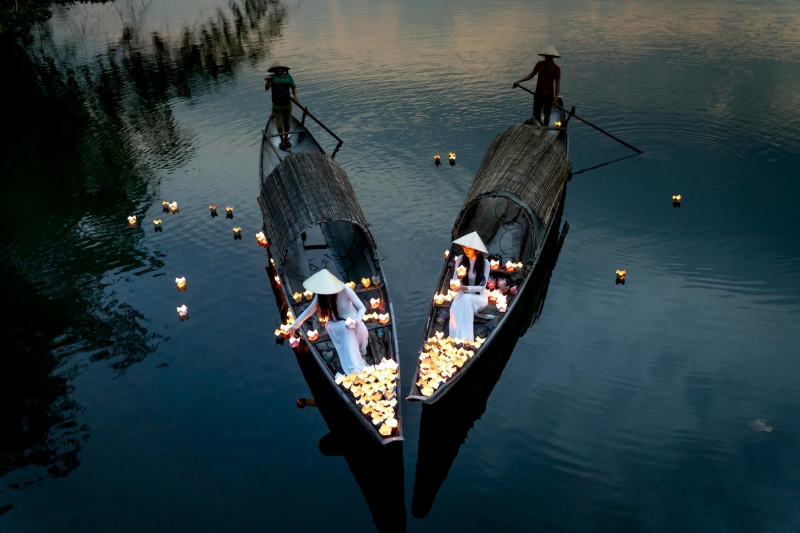
The Perfume River (Sông Hương) flows gently through Hué, shaping both its geography and its soul. Named for the fragrant blossoms that fall into its waters during autumn, the river has inspired poets, musicians, and artists for generations.
Dragon boats glide across its surface, offering leisurely journeys past historic landmarks. At dusk, the river reflects the golden hues of the setting sun, creating a scene of quiet enchantment.
It is along these banks that Hué reveals its most intimate character—where history, nature, and daily life converge in seamless harmony.
The Enduring Elegance of the Áo Dài
The Perfume River (Sông Hương) flows gently through Hué, shaping both its geography and its soul. Named for the fragrant blossoms that fall into its waters during autumn, the river has inspired poets, musicians, and artists for generations.
Dragon boats glide across its surface, offering leisurely journeys past historic landmarks. At dusk, the river reflects the golden hues of the setting sun, creating a scene of quiet enchantment.
It is along these banks that Hué reveals its most intimate character—where history, nature, and daily life converge in seamless harmony.
Culinary Heritage: A Taste of Imperial Refinement
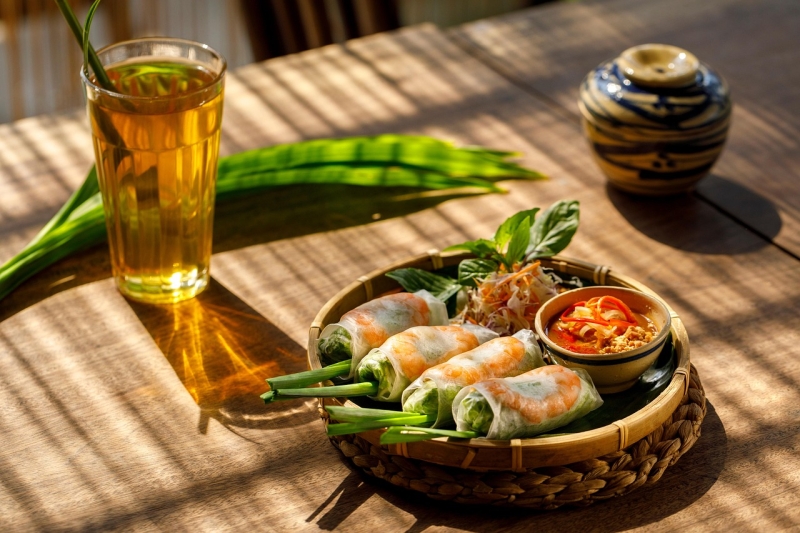
Hué’s cuisine reflects its royal past. Known for its balance, presentation, and complexity, the city’s dishes were once crafted for emperors.
Delicacies such as bún bò Huế (a rich, spicy noodle soup) and delicate rice cakes showcase both bold flavors and artistic presentation. Meals in Hué often resemble a ceremonial experience, with multiple small dishes arranged with care and intention.
Street vendors and refined restaurants alike carry forward these traditions, ensuring that Hué’s culinary legacy remains vibrant and accessible.
Festivals and Cultural Celebrations
Hué comes alive during festivals, most notably the Hué Festival, a biennial event that celebrates Vietnamese heritage through music, dance, and traditional performances. The city’s historic sites become stages for cultural expression, drawing visitors from around the world.
These celebrations reaffirm Hué’s role as a guardian of Vietnamese culture, where ancient traditions are not only preserved but actively celebrated.
Modern Hué: A City of Reflection and Renewal
Today, Hué stands as a bridge between past and present. While modernization has touched its edges, the city has resisted the rush of rapid urbanization seen elsewhere. Its pace remains measured, its atmosphere contemplative.
Efforts to preserve and restore historical sites continue, supported by international recognition and local pride. As a UNESCO World Heritage destination, Hué holds a place of global significance, yet it retains an intimate charm that feels deeply personal.
The Soul of Vietnam
Hué is more than a city—it is a living chronicle of Vietnam’s imperial past, cultural resilience, and artistic spirit. From the grandeur of its citadel to the quiet beauty of its riverbanks, from the solemnity of royal tombs to the graceful movement of the áo dài, Hué offers an experience that transcends time.
To walk its streets is to step into a world where history breathes, tradition endures, and elegance remains eternal.
Since 1989 First Cabin Travel has offered luxury-styled itineraries to unique and varied destinations with the mainstay of bookings derived from repeat clientele and their enthusiastic referrals - First Cabin has come to be known as Your Passport to Excellence. CA Reg 2016168-40