






JAPAN: A LAND OF TIMELESS TRADITIONS AND MODERN MARVELS
An In-Depth Look into the Archipelago of the Rising Sun
6/26/2025
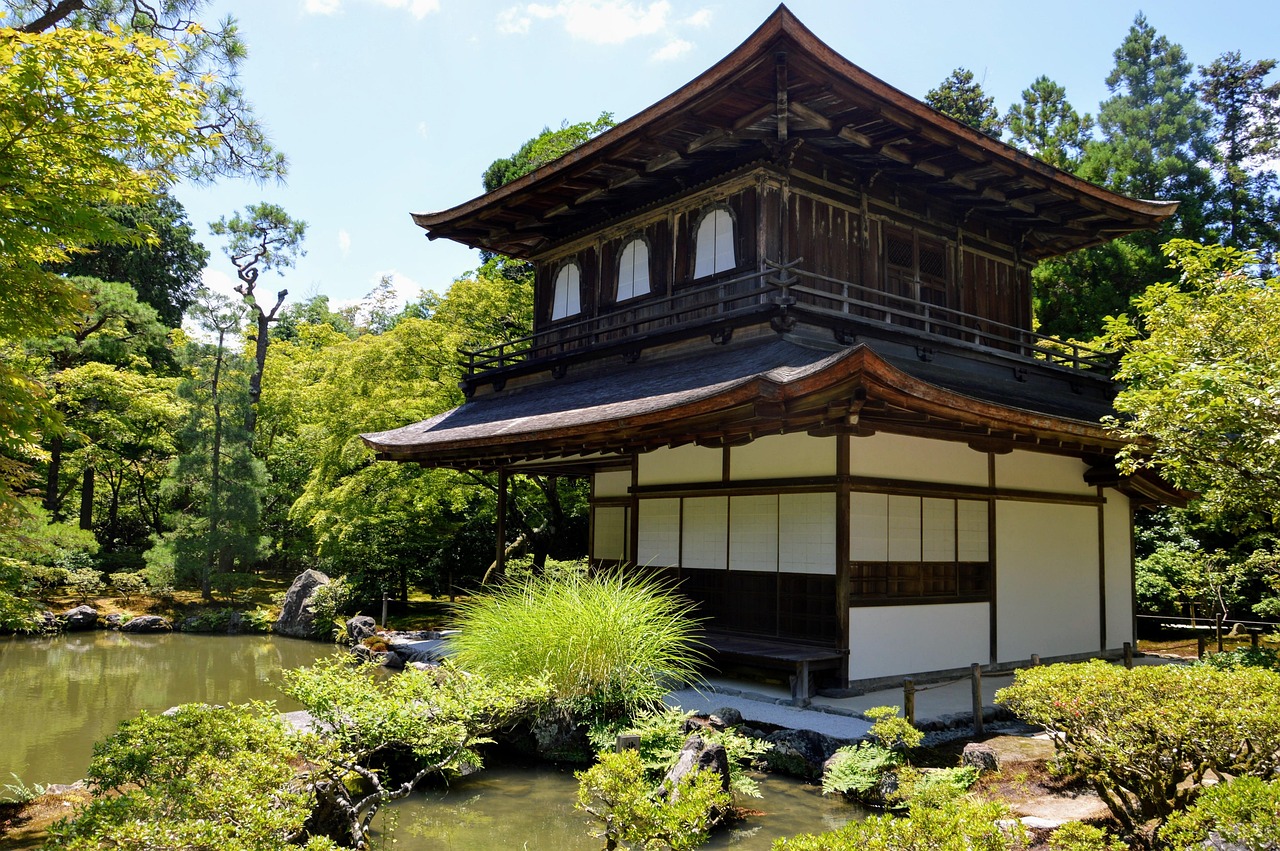
Japan, often referred to as Nihon or Nippon, meaning “origin of the sun,” is an archipelago located in the Pacific Ocean off the eastern coast of Asia. This island nation comprises 6,852 islands, with the four largest—Honshu, Hokkaido, Kyushu, and Shikoku—making up about 97% of its land area. Its terrain is mountainous, dotted with sacred shrines, bustling urban centers, and stunning coastlines. Home to over 125 million people, Japan stands as the 11th most populous country in the world. The Japanese people are globally respected for their sense of discipline, honor, hospitality (omotenashi), and deep-rooted respect for tradition—elements that echo through every temple bell, tea ceremony, and artful bow. Despite its ancient customs, Japan is a leader in cutting-edge technology, fashion, and architecture. This contrast—where age-old traditions intertwine with futuristic progress—makes the country a treasure chest for travelers and scholars alike.
Japan's recorded history stretches back thousands of years. Its mythology speaks of the divine creation of the islands by Shinto deities. Historically, Japan was ruled by emperors who were seen as living gods, a tradition that continues symbolically today. From the Heian Period (794–1185), which saw the flourishing of classical arts and literature, to the Kamakura and Edo periods where samurai culture and shogunate rule dominated, Japan's feudal era lasted well into the 19th century.
The country’s isolationist policy known as sakoku, in place for over 200 years, was broken with the arrival of Commodore Perry in 1853, ushering in modernization through the Meiji Restoration. In the 20th century, Japan's imperial expansion led to catastrophic consequences in World War II. However, following its defeat, Japan rebuilt into one of the world’s leading economies, emerging today as a peaceful democracy and cultural powerhouse.
Japanese culture is deeply influenced by Shintoism and Buddhism, encouraging harmony with nature, mindfulness, and humility. The country’s collective mindset prizes group harmony over individualism, promoting discipline, efficiency, and mutual respect. Concepts such as wabi-sabi (the beauty of imperfection) and mono no aware (a gentle sadness at the transience of things) define Japan's aesthetic and emotional landscape.
Etiquette is paramount—from bowing to gift-giving, from shoe removal to carefully chosen words. Japanese festivals, or matsuri, are vibrant displays of heritage, often celebrating seasonal changes, agricultural cycles, and historical events.
Japan’s capital, Tokyo, is a dazzling fusion of neon-lit skyscrapers, serene temples, and world-class cuisine. Formerly known as Edo, Tokyo became the imperial capital in 1868 and has since grown into a global metropolis.
With over 37 million people in its metropolitan area, Tokyo is the most populous urban area in the world. Iconic districts include:
-
Shibuya, famous for its bustling scramble crossing.
-
Ginza, the luxury shopping mecca.
-
Asakusa, home to the historic Senso-ji Temple.
-
Akihabara, the go-to place for anime, manga, and electronics.
Despite its modernity, Tokyo offers peaceful retreats like the Meiji Shrine and Ueno Park, showcasing Japan’s effortless blending of the old and the new.
Nestled in the Japanese Alps, Takayama preserves the charm of old Japan. Its Sanmachi Suji district is lined with beautifully preserved merchant houses, sake breweries, and traditional inns.
Twice a year, the town hosts the Takayama Festival, considered one of Japan’s most beautiful, with elaborate floats, puppetry, and musicians parading through narrow cobbled streets. Takayama also offers proximity to the Shirakawa-go village, a UNESCO site known for its thatched-roof farmhouses that resemble hands in prayer.
No place embodies traditional Japan quite like Kyoto, the former imperial capital for over a thousand years. With over 1,600 Buddhist temples and 400 Shinto shrines, Kyoto is a sanctuary of spiritual and cultural legacy.
Key sites include:
-
Kinkaku-ji (Golden Pavilion), covered in gold leaf and surrounded by tranquil gardens.
-
Fushimi Inari Shrine, famous for its thousands of vermillion torii gates.
-
Arashiyama Bamboo Grove, a dreamy forest that whispers with the wind.
-
Gion, where geisha culture continues to thrive.
In Kyoto, every street, garden, and tea house feels like a walk through history.
Koyasan is the center of Shingon Buddhism, founded in the 9th century by the monk Kobo Daishi. Located in the forested mountains of Wakayama, it offers visitors a chance to stay in shukubo (temple lodgings), eat vegetarian monk cuisine (shojin ryori), and participate in morning meditations. The Okunoin Cemetery, illuminated by lanterns, is one of Japan’s most sacred and hauntingly beautiful places.
Hakone, not far from Tokyo, is beloved for its onsen (hot springs), art museums, and views of Mt. Fuji. A boat ride across Lake Ashi, with its torii gate rising from the water, offers serene beauty and postcard-perfect scenery.
Rising to 3,776 meters, Mount Fuji is Japan’s highest peak and a UNESCO World Heritage site. It has been revered for centuries in poetry, art, and religion.
Climbing Fuji during the official season (July to early September) is a rite of passage for many. Those less inclined to hike can admire its snow-capped beauty from afar, particularly from Hakone, Lake Kawaguchi, or the Shinkansen bullet train.
The Arashiyama Bamboo Grove, just outside Kyoto, offers one of the most surreal experiences in Japan. Walking beneath the towering stalks, which sway and whisper in the breeze, feels almost otherworldly. This ethereal pathway exemplifies the Japanese reverence for nature and silence—a breathing example of wabi-sabi in real life.
Japanese food is as much a philosophy as a meal. Celebrating seasonality, balance, and presentation, washoku (traditional Japanese cuisine) is recognized by UNESCO as an Intangible Cultural Heritage.
Highlights include:
-
Sushi and sashimi – skillfully sliced raw fish and rice.
-
Ramen – soul-warming noodle soups.
-
Tempura – delicately fried seafood and vegetables.
-
Okonomiyaki – savory pancakes from Osaka and Hiroshima.
-
Kaiseki – an elegant, multi-course meal served with artistic grace.
Even convenience stores offer delicious options, and a visit to any market or izakaya (pub) promises flavorful surprises.
1. Timeless Tradition Meets Technology – Nowhere blends ancient customs and futuristic innovation like Japan. You can visit a centuries-old temple and ride a 200 mph bullet train in the same day.
2. Warm Hospitality (Omotenashi) – The culture of selfless service ensures every traveler is treated with care and respect.
3. Natural Beauty – From cherry blossoms in spring to autumn’s fiery foliage, and from snowy peaks to subtropical beaches, Japan’s landscapes are unforgettable.
4. Clean, Safe, and Efficient – One of the world’s cleanest and safest countries with an incredibly efficient public transportation system.
5. Unique Festivals and Experiences – From sumo tournaments and tea ceremonies to sakura picnics and Gion Matsuri, the calendar is bursting with memorable moments.
Japan is more than a travel destination—it is an experience of contrasts, a sensory journey, a place where the past is not forgotten but folded gracefully into the present. Whether you're walking beneath cherry blossoms in Kyoto, soaking in a Hakone onsen, marveling at Tokyo’s skyline, or savoring matcha and mochi in a traditional tea house, Japan changes you.
It teaches mindfulness. It demands admiration. It offers beauty in the quiet and joy in the details. Let your next journey be to this remarkable country where every corner tells a story, and every moment lingers long after you’ve returned home.
Since 1989, First Cabin Travel has crafted luxury-styled itineraries to unique and varied destinations with the mainstay of bookings derived from repeat clientele and their enthusiastic referrals. CA Reg: 201618-40