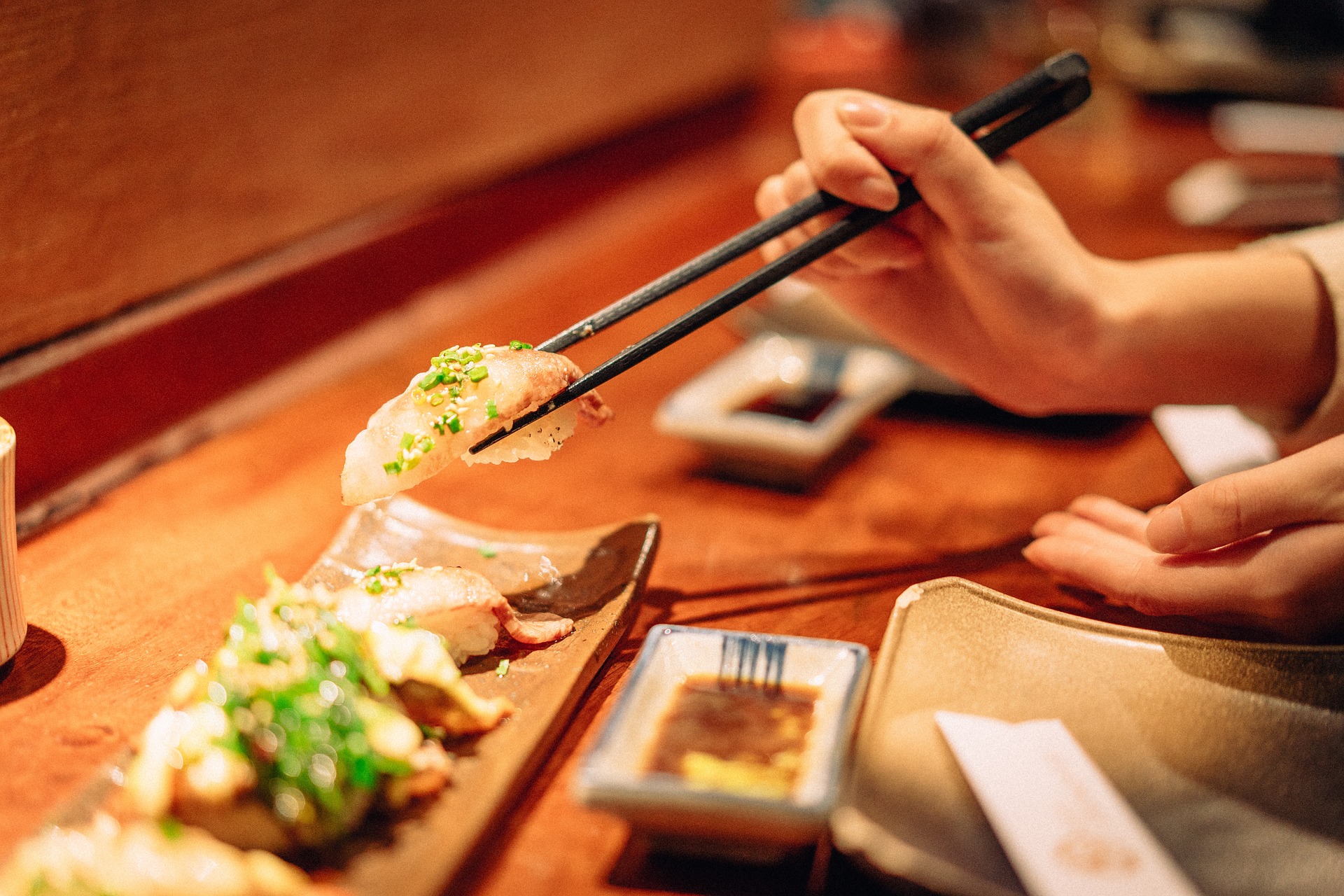
a most poetic journey through flavor, time, and tradition.
10/5/2025
Share
A Kaiseki dinner in Japan is one of the most celebrated and refined forms of dining in the world — a multi-course experience that blends culinary art, seasonal awareness, aesthetic beauty, and deep cultural meaning. Its popularity comes from far more than its taste; it represents the soul of Japanese hospitality and philosophy. A Celebration of the Seasons (Shun) At the heart of Kaiseki is the Japanese reverence for the seasons. Every dish is designed to highlight ingredients at their peak freshness, often sourced locally and prepared in ways that bring out natural flavors rather than conceal them. Cherry blossoms may inspire spring courses, while matsutake mushrooms, chestnuts, and persimmons may define autumn menus. This deep connection to nature is one of the reasons Kaiseki is so admired — it’s dining in harmony with the earth’s rhythm. Artistic Presentation and Aesthetic BeautyEach course is presented like a work of art. The choice of plate, color balance, and even the direction of a garnish follow the principles of wabi-sabi — the appreciation of beauty in simplicity and imperfection. The tableware often changes with the seasons, and dishes may be adorned with edible flowers or leaves to evoke a sense of the moment. Balance of Taste, Texture, and TechniqueA Kaiseki meal progresses through a series of small, delicate courses — typically including an appetizer (sakizuke), clear soup (suimono), sashimi, grilled (yakimono), steamed (mushimono), simmered (nimono), and rice (shokuji) dishes, followed by dessert (mizumono). Each course contrasts and complements the next — balancing color, flavor, temperature, and texture — showing the chef’s mastery of both restraint and creativity. A Deep Cultural ExperienceBeyond food, Kaiseki embodies the Japanese concept of omotenashi — wholehearted hospitality. Every gesture, from the pace of serving to the bow of the host, is an expression of respect for the guest. The entire meal becomes a meditative experience rather than simple dining. Historical and Spiritual RootsKaiseki originated from the Zen Buddhist tea ceremony of the 16th century, where monks served small, mindful meals before drinking tea. Over time, it evolved into an elite culinary art associated with Kyoto’s imperial and aristocratic culture. Today, it remains a symbol of refinement, grace, and Japanese identity. Exclusivity and MasteryKaiseki chefs train for decades, mastering knife skills, dashi preparation, and ingredient knowledge. The experience is personalized — no two menus are ever the same — and the meal is often served in tranquil settings like traditional ryotei restaurants or Kyoto’s centuries-old inns, heightening its aura of exclusivity and calm. In Essence A Kaiseki dinner is popular not because it indulges the appetite, but because it awakens the senses. It is a poetic journey through flavor, time, and tradition — a quiet dialogue between chef and guest, nature and culture. To experience Kaiseki is to taste Japan itself — delicate, disciplined, and deeply beautiful. Since 1989, First Cabin Travel had created custom luxury-travel itineraries to unique and varied destinations with the mainstay of bookings from repeat clientele and their enthusiastic referrals. FirstCabin.com /(858) 3951076 / fc@firstcabin.com CA Reg 2916168-40