






Kanazawa, Japan
A Living Tapestry of Samurai Grace, Contemporary Art, and Gold-Leaf Glamour
10/3/2025
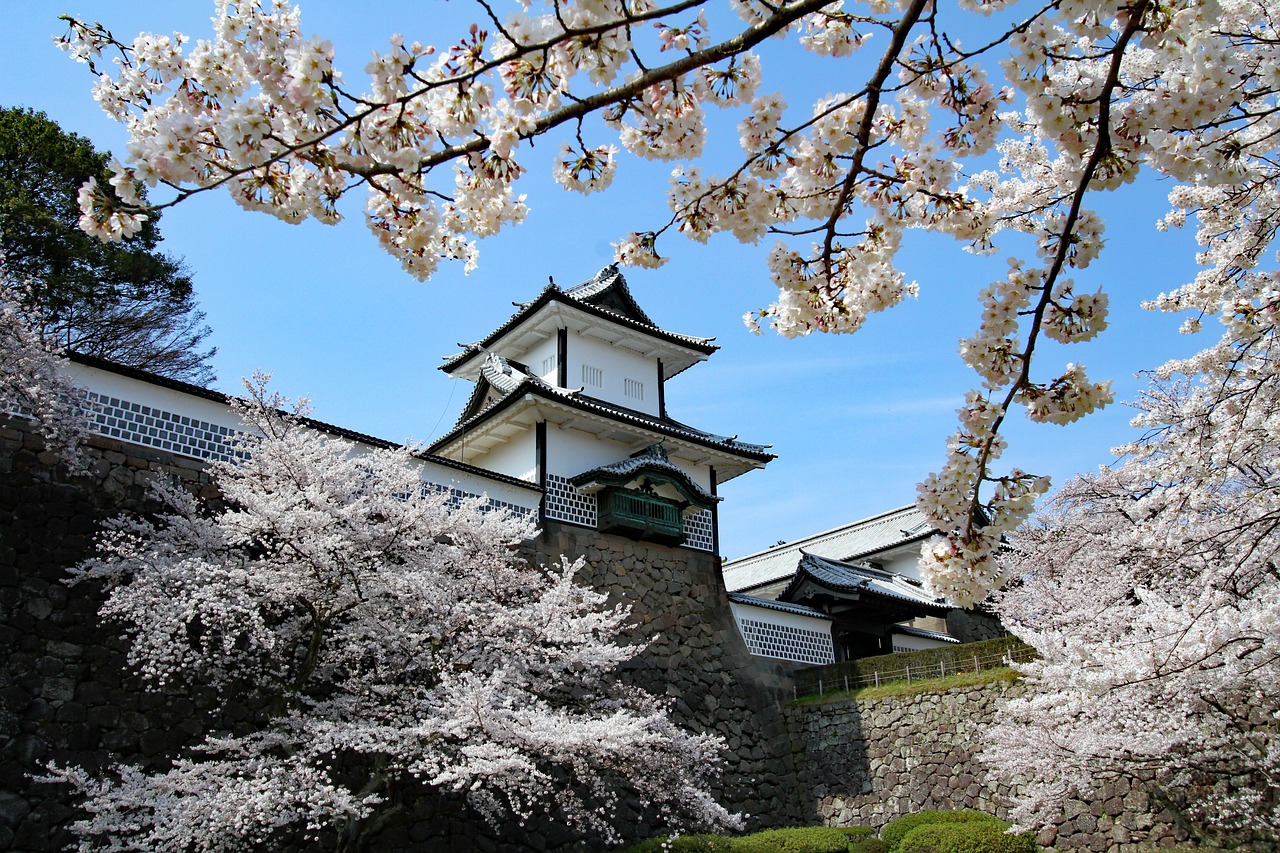
Kanazawa is often described as “Little Kyoto,” but that sells it short. Capital of the powerful Kaga Domain under the Maeda clan, the city accumulated extraordinary wealth and channeled it into gardens, crafts, scholarship, and tea culture. Spared from wartime bombing, its samurai lanes, teahouse quarters, and canal-laced streets remain strikingly intact. Today, Kanazawa blends that heritage with avant-garde architecture, vibrant food markets, and design-forward museums—making it one of Japan’s most rewarding city breaks.
Why go:
-
World-class garden: Kenroku-en is frequently ranked among Japan’s top three landscape gardens.
-
Edo streetscapes intact: Wander preserved samurai and geisha districts without the crowds of larger cities.
-
Craft capital: From gold leaf to Kaga Yuzen silk and Kutani porcelain, you can watch, learn, and buy museum-quality craft.
-
Sea-to-table cuisine: Facing the Sea of Japan, Kanazawa serves pristine sushi, winter crab, and market-fresh kaisendon.
-
Easy rail access: The Hokuriku Shinkansen links Kanazawa with Tokyo; it’s also a natural bridge between the Japanese Alps and the Kansai region.
Kaga Domain & Maeda Vision (late 16th–19th centuries).
After the unification wars of the late 1500s, the Maeda clan ruled Kaga—one of Japan’s richest domains, measured by rice yields (“koku”). Though politically cautious, the Maeda invested heavily in learning and the arts to bolster prestige without provoking the Tokugawa shogunate. That patronage shaped Kanazawa’s identity: refined gardens, tea ceremony, Noh theater, lacquerware, and elegant textiles flourished under domainal academies and artisan guilds.
A Garden as a Manifesto—Kenroku-en.
Started as a castle garden, Kenroku-en evolved over centuries to embody six classic attributes of the ideal landscape—spaciousness, seclusion, artifice, antiquity, watercourses, and panoramas. Stone lanterns ballast mossy islands; winding streams feed reflective ponds; seasonal plantings choreograph an ever-changing stage. In winter, gardeners rig conical yukitsuri ropes to protect pines from heavy snow—an iconic Kanazawa silhouette.
Merchants, Geisha, and Samurai.
The city’s social fabric concentrated in distinct quarters that still feel legible on foot. Wealthy merchants financed storehouses lining canals. Samurai families kept earthen-walled compounds near the castle. And in the chaya (teahouse) districts—Higashi, Nishi, and Kazuemachi—geisha refined dance, shamisen music, and witty conversation for elite patrons.
From Meiji to Modern.
The 1868 Meiji Restoration dissolved domains, but Kanazawa’s crafts survived by pivoting toward export and exhibition. In the 21st century the city doubled down on design and cultural infrastructure—most famously with the 21st Century Museum of Contemporary Art—cementing Kanazawa’s status as both time capsule and laboratory.
Enter Kenroku-en through any gate and you’re drawn toward Kasumi Pond and the distinctive Kotoji-tōrō stone lantern, a city emblem. Spring brings cherry blossoms; early summer, irises and fresh maple; autumn, flaming momiji; winter, tranquil snowscapes and yukitsuri choreography. Across the road, Kanazawa Castle Park reveals reconstructed gates and turrets, plus long storehouses with distinctive white-and-black namako walls.
Among Kanazawa’s three geisha quarters, Higashi Chaya is the largest and most photogenic: latticed machiya townhouses, copper-clad roofs, and discreet teahouses where geiko (geisha) still perform. Visit a historic teahouse museum, browse gold-leaf ateliers, and sample kinpaku (gold-leaf) soft-serve—playful proof of the city’s gilded reputation.
Earthen walls, narrow lanes, and nagaya row houses evoke samurai life. The Nomura Family Samurai House displays a tsuboniwa pocket garden, refined reception rooms, and heirlooms that trace warrior-aristocratic taste: calligraphy, armor, and lacquer.
Kanazawa’s kitchen buzzes from morning with calls of fishmongers and vegetable vendors. Pull up a stool for kaisen-don (sashimi rice bowls), slurp wintertime crab miso soup, or order nodoguro (blackthroat seaperch)—a local delicacy prized for its buttery richness.
A circular, glass-walled museum by architects SANAA, it’s playful and porous—art spills into courtyards and sightlines. Highlights often include experiential installations and cross-disciplinary shows that pair beautifully with Kanazawa’s historic context.
Minimalist pavilions float over mirror-still water; silence becomes part of the exhibit. Dedicated to Zen scholar Daisetz Teitaro Suzuki, this is Kanazawa’s most meditative stop—an experiential pause between bustling quarters.
-
Kanazawa Yasue Gold Leaf Museum: See how gold leaf is hammered wafer-thin, then applied to lacquer, paper, sweets—even cosmetics.
-
Ishikawa Prefectural Museum of Art: Rotating exhibits of Kaga’s treasures; look out for tea utensils and lacquer masterpieces.
-
Kutani Porcelain & Ohi Ware Studios: Observe firing and glazing traditions; some studios offer short workshops.
-
Kaga Yuzen Dyeing: Intricate hand-painted silk in soft, refined palettes—beautiful as kimono, scarves, or framed art.
Sea of Japan Bounty.
Winters bring zuwaigani (snow crab), buri (winter yellowtail), and creamy sweet shrimp. Sushi bars range from intimate seven-seat counters to lively conveyor joints; reservations are wise at high-end omakase.
Wagashi & Tea.
Artisanal sweets shops sculpt seasonal motifs in bean paste and agar—maple leaves in autumn, plum blossoms in late winter. Pair with matcha in a teahouse overlooking a pocket garden, or join a tea ceremony where utensils often showcase local lacquer and gold dusting.
Kinpaku Fun.
Gold leaf turns up on parfaits, lattes, sake cups, and soft-serve—yes, it’s edible and surprisingly subtle. It’s also a photogenic souvenir: gilded chopsticks, trays, and accessories travel well.
Sake.
Ishikawa’s breweries benefit from cold winters and pristine water. Seek out labels from Noto and Kaga; izakaya menus frequently note tasting notes and polishing ratios. Ask for a kikizake flight (tasting set) to compare dry, aromatic, and umami-rich styles.
-
Spring (late March–April): Cherry blossoms lace Kenroku-en and the Saigawa/Asanogawa riverbanks. Mild temps, lively hanami picnics.
-
Early Summer (June): Hyakumangoku Matsuri commemorates the Maeda’s triumphant entry into Kanazawa with processions, lanterns, and performances.
-
Autumn (late Oct–Nov): Maple and ginkgo blaze in parks and temple precincts; crisp evenings pair perfectly with sake.
-
Winter (Dec–Feb): Snow hushes the city; crab season peaks; Kenroku-en’s yukitsuri ropes transform pines into sculptural cones.
-
Garden at Dawn: Enter Kenroku-en as the gates open; morning mist on Kasumi Pond feels timeless.
-
Private Geisha Entertainment: Inquire through your hotel or a cultural concierge for a performance in a chaya—dance, shamisen, and conversation over kaiseki can be arranged.
-
Gold-Leaf Workshop: Apply leaf to a dish, chopsticks, or compact; it’s a hands-on keepsake of Kanazawa’s calling card.
-
Tea Ceremony in a Townhouse: Many restored machiya offer tea experiences that connect architecture, craft, and hospitality.
-
Contemporary Art Pairing: Visit the 21st Century Museum, then the D. T. Suzuki Museum—one energizes, the other recenters.
-
Kaga Onsen Region: Soak in hot-spring towns (Yamashiro, Yamanaka, Katayamazu, Awazu). Ryokan dinners feature regional kaiseki and local ceramics.
-
Gokayama & Shirakawa-go: Bus rides into the mountains lead to UNESCO-listed gasshō-zukuri farmhouses with steep thatched roofs—storybook winter scenes.
-
Noto Peninsula (as conditions allow): Rugged coasts, salt farms, fishing villages, and renowned lacquer traditions; check local advisories and support community-based artisans and inns as recovery progresses when applicable.
Kanazawa offers what many travelers crave but rarely find in one place: an immersive Edo-period cityscape, a design-forward cultural scene, and cuisine that runs from market stalls to sublime kaiseki—all within a calm, walkable center. It’s a city where a tea bowl can tell a dynasty’s story, where a pine bough is sculpted against winter skies, and where contemporary art reframes millennia-old aesthetics.
If you love Kyoto’s spirit but want elbow room—and if you believe travel is richest where tradition isn’t merely displayed but lived—Kanazawa is your next great chapter in Japan.
Since 1989, First Cabin Travel has created luxury-styled itineraries to unique and varied destinations with the mainstay of bookings derived from repeat clientele and their enthusiastic referrals.
firstcabin.com (858) 395-1076 CA Reg: 2016168-40