






Kashmir -The Crown Jewel of the Himalayas
beauty, conflict, culture, and complexity
5/11/2026
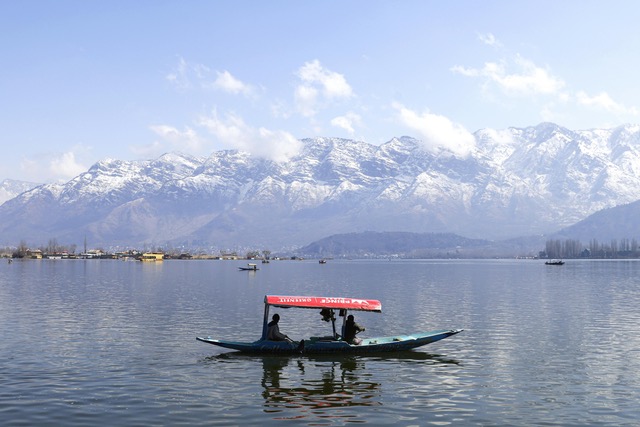
Few regions in the world evoke such powerful imagery as Kashmir. Snow-covered Himalayan peaks, mirrored lakes, ancient wooden mosques, saffron fields, intricately woven carpets, floating houseboats, and valleys glowing beneath spring blossoms have inspired poets, emperors, travelers, and dreamers for centuries. Yet behind its extraordinary beauty lies one of the world’s most complicated and disputed regions — a land shaped equally by breathtaking geography and decades of political tension.
Today, Kashmir remains divided between India and Pakistan, with portions also controlled by China. Its history is deeply intertwined with colonialism, religion, nationalism, war, culture, and survival. To some, it is “Paradise on Earth.” To others, it is a geopolitical flashpoint that has brought two nuclear powers repeatedly to the brink of war.
The Geography of Kashmir
Kashmir lies in the northernmost reaches of the Indian subcontinent, cradled by some of the tallest mountain ranges on Earth. The Himalayas, Karakoram, Pir Panjal, and Hindu Kush ranges all influence the region’s terrain and climate.
The historic region of Kashmir includes:
- The Kashmir Valley
- Jammu
- Ladakh
- Gilgit-Baltistan
- Azad Kashmir
The territory is currently divided administratively among India, Pakistan, and China. India administers Jammu & Kashmir and Ladakh, Pakistan administers Azad Kashmir and Gilgit-Baltistan, while China controls Aksai Chin and nearby territories.
The Kashmir Valley itself is among the most beautiful alpine valleys in the world. Surrounded by towering mountains, the valley contains rivers, forests, glaciers, and lakes that dramatically change with the seasons. Spring transforms the region into a canvas of blossoms and greenery, while winter blankets the valley in deep snow.
Among its most famous destinations are:
- Srinagar
- Dal Lake
- Gulmarg
- Pahalgam
- Sonamarg
- The Mughal Gardens
Tourism has long been one of Kashmir’s economic lifelines.

The Early History of Kashmir
Kashmir’s history stretches back thousands of years. Ancient Hindu texts mention the valley, while Buddhist influences later spread through the region under Emperor Ashoka. Buddhism flourished in Kashmir before Hindu dynasties again became dominant.
Over centuries, Persian, Central Asian, and Islamic influences gradually transformed the valley culturally and religiously. Islam arrived through Sufi saints and traders rather than primarily through conquest, leaving Kashmir with a deeply spiritual and mystical tradition.
The Mughal emperors of India became enchanted by Kashmir’s beauty. Emperor Jahangir famously declared:
“If there is paradise on Earth, it is this.”
The Mughals built magnificent gardens, canals, and architectural landmarks throughout the valley. Persian artistic influence blended with local traditions, creating the unique Kashmiri aesthetic still seen today in shawls, carpets, woodwork, and architecture.
Later, Kashmir fell under Afghan, Sikh, and eventually Dogra rule before British colonial influence reshaped the political landscape of the subcontinent.
The Populace and Ethos of Kashmir
Kashmir’s population is ethnically, linguistically, and religiously diverse.
The Kashmir Valley itself is predominantly Muslim, while Jammu contains substantial Hindu populations and Ladakh includes large Buddhist communities. Languages spoken throughout the broader region include Kashmiri, Dogri, Urdu, Ladakhi, Balti, and several regional dialects.
The ethos of Kashmir is often described through the phrase “Kashmiriyat” — a traditional cultural identity rooted in coexistence, spirituality, hospitality, and shared heritage between religions and ethnicities.
For centuries, Kashmiri Muslims, Hindus, and Sikhs shared customs, poetry, music, crafts, cuisine, and social traditions. Sufi shrines and Hindu temples often existed side by side. Although political conflict has strained this identity in modern decades, many Kashmiris still view Kashmiriyat as central to the soul of the region.
Hospitality remains deeply embedded within Kashmiri culture. Guests are traditionally welcomed warmly with tea, conversation, and elaborate meals.
The Houseboats of Kashmir
Perhaps nothing symbolizes Kashmir more than its famed houseboats floating upon Dal Lake and Nigeen Lake in Srinagar.
These ornate wooden houseboats date back to the British colonial era. During British rule, colonial authorities prohibited foreigners from owning land in Kashmir. As a result, Europeans created elaborate floating homes upon the lakes.
Over time, these evolved into luxurious houseboats featuring:
- Intricately carved walnut wood interiors
- Persian carpets
- Chandeliers
- Handmade furnishings
- Decorative ceilings
- Floating gardens
Even today, many visitors consider staying in a Kashmiri houseboat one of the world’s most unique travel experiences.
The houseboat economy supports thousands of Kashmiri families including boat owners, craftsmen, flower sellers, cooks, and guides. Yet tourism fluctuations caused by political instability have repeatedly devastated this traditional way of life.
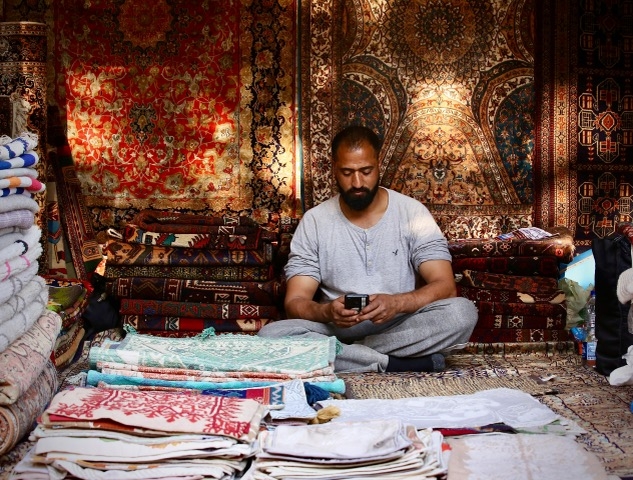
Kashmir’s Rug and Craft Industry
Kashmir is internationally renowned for its handicrafts.
Among the most celebrated are:
- Hand-knotted silk carpets
- Pashmina shawls
- Papier-mâché art
- Walnut wood carving
- Embroidered textiles
- Copperware
- Chain-stitch rugs
Kashmiri carpets are often compared to Persian rugs in quality and artistry. Many take months or even years to complete. The designs frequently feature floral motifs, geometric patterns, and Persian-inspired themes.
Pashmina shawls, made from the fine wool of Himalayan goats, became symbols of luxury throughout Europe and Asia during the 18th and 19th centuries.
Entire generations of Kashmiri families have depended upon these crafts for survival. Tourism and exports remain crucial for sustaining these industries.
Unfortunately, periods of conflict, curfews, and economic uncertainty have repeatedly damaged the craft economy. Many artisans struggle to maintain livelihoods amid declining tourism and global competition.
The Relationship Between India and Pakistan
No discussion of Kashmir can avoid the political conflict that has defined the region since 1947.
When British India was partitioned into India and Pakistan, princely states were asked to join one nation or the other. Kashmir had a Muslim-majority population but was ruled by a Hindu Maharaja.
Following tribal invasions supported from Pakistan, the Maharaja acceded to India in exchange for military support. This triggered the first Indo-Pakistani war.
Since then:
- India and Pakistan have fought multiple wars over Kashmir.
- Both countries claim the region in full.
- The Line of Control divides Indian- and Pakistani-administered Kashmir.
- Militancy and insurgency have plagued the region for decades.
Pakistan argues Kashmir should have had a plebiscite allowing self-determination. India considers Kashmir an integral part of the country.
The conflict intensified dramatically after the late 1980s insurgency in Indian-administered Kashmir. Violence, militancy, military crackdowns, terrorism, and political unrest profoundly altered daily life throughout the valley.
Tourism: Paradise Interrupted
For generations, Kashmir attracted travelers from around the world.
Its attractions include:
- Himalayan trekking
- Skiing in Gulmarg
- Lake tourism
- Spiritual pilgrimage
- Mughal architecture
- Scenic valleys
- Adventure sports
- Fishing and rafting
- Flower gardens
- Cultural tourism
Before major insurgencies erupted in the late 1980s, tourism flourished. In 1987, hundreds of thousands of tourists visited Kashmir annually. But violence and instability caused tourism to collapse dramatically.
In recent years, tourism rebounded periodically as security conditions improved. Millions of domestic Indian tourists returned to the region.
Yet Kashmir remains extremely vulnerable to political and military tensions.
Recent attacks on tourists in 2025 caused severe disruptions once again. Authorities closed many tourist destinations, hotels emptied, and large numbers of travelers fled the region.
Why Tourists Sometimes Cannot Travel There
One of the most misunderstood aspects of Kashmir is the complexity surrounding travel.
The reasons tourists may face restrictions include:
Security Concerns
Militant attacks, terrorism, border tensions, and military operations can rapidly alter safety conditions. Governments occasionally issue advisories discouraging travel.
Border Proximity
Many scenic regions lie near the Line of Control separating Indian- and Pakistani-administered Kashmir. These areas may be heavily militarized or temporarily closed.
Political Instability
Curfews, communications blackouts, demonstrations, and security lockdowns have occurred during periods of unrest.
Permit Requirements
Some regions require special permits for foreign travelers or even domestic visitors.
Sudden Closures
Authorities may abruptly close trekking routes, mountain regions, or tourist sites after attacks or during heightened tensions.
Diplomatic Tensions
Because Kashmir remains disputed between India and Pakistan, diplomatic relations between the two countries directly affect travel.
Despite these issues, large parts of Indian-administered Kashmir often remain open to domestic tourism during calmer periods.
The Emotional Weight of Kashmir
For many outsiders, Kashmir is a postcard destination. For locals, it is home — a place where generations have lived amid extraordinary beauty and extraordinary uncertainty.
Daily life in Kashmir often unfolds under the shadow of military checkpoints, political debates, and economic vulnerability. Yet amid these pressures, ordinary life continues:
- Craftsmen weave carpets
- Farmers harvest saffron and apples
- Boatmen guide shikaras across Dal Lake
- Families gather for wazwan feasts
- Children attend schools beneath snow-covered peaks
The resilience of Kashmiri society is remarkable.
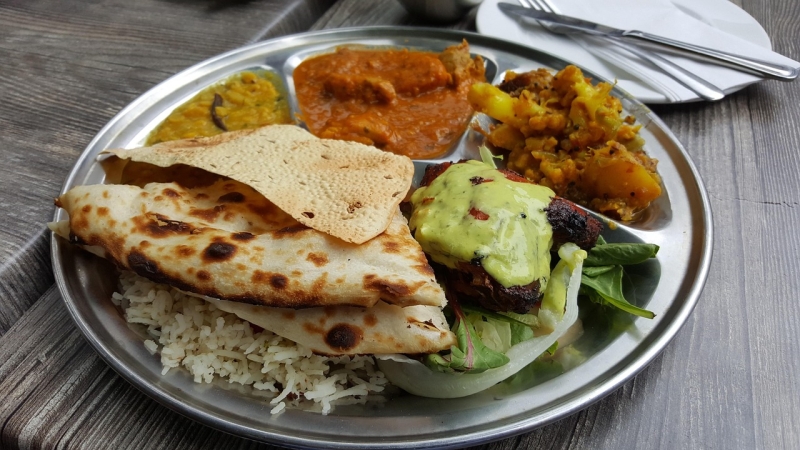
The Cuisine of Kashmir
Kashmiri cuisine reflects Persian, Central Asian, Mughal, and local Himalayan influences.
The most famous culinary tradition is the “Wazwan,” an elaborate multi-course feast traditionally served at weddings and celebrations.
Popular dishes include:
- Rogan Josh
- Yakhni
- Gushtaba
- Rista
- Dum Aloo
- Kahwa tea
Meals are often rich in spices, saffron, yogurt, dried fruits, and aromatic herbs.
Tea culture is deeply important in Kashmir. Traditional kahwa — infused with saffron, almonds, and cardamom — is served throughout the day.
The Future of Kashmir
Kashmir’s future remains uncertain.
Some envision greater peace and prosperity through tourism and economic development. Others continue demanding political solutions and self-determination. India and Pakistan remain deeply divided over sovereignty and security concerns.
Yet despite decades of conflict, the allure of Kashmir endures.
Its mountains, lakes, gardens, forests, rivers, and centuries-old traditions continue captivating travelers, historians, artists, and dreamers worldwide.
Kashmir is not simply a disputed territory. It is one of the world’s most culturally rich and geographically stunning regions — a land where beauty and tragedy have coexisted for generations.
Since 1989, First Cabin Travel has created luxury-styled itineraries to unique and varied destinations with the mainstay of bookings derived from repeat clientele and their enthusiastic referrals - as such, First Cabin has come to be known as Your Passport to Excellence.
CA Reg: 2018168-40