






Luxury Travel
Luxury travel is not an indulgence, but sound strategy
4/19/2026
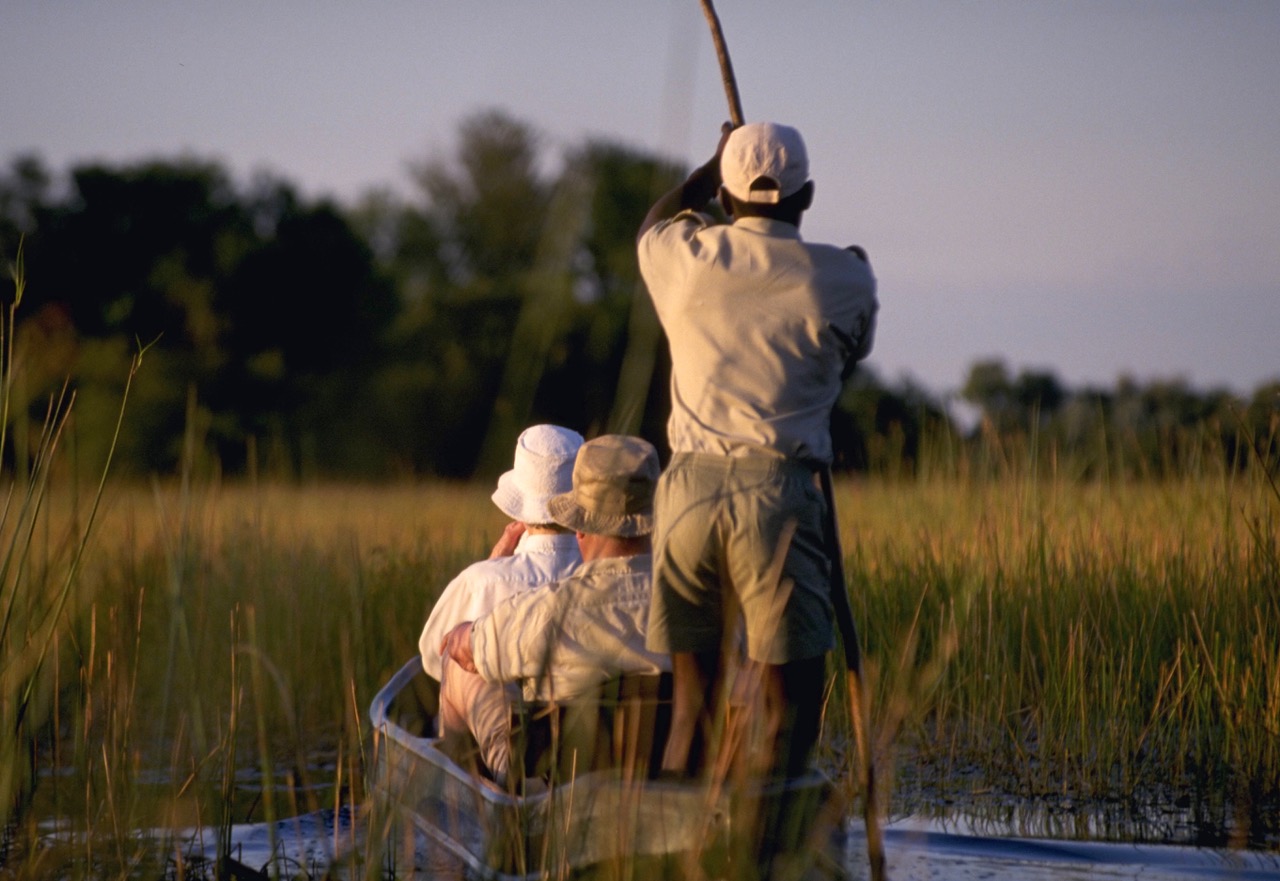
Luxury travel is often misunderstood. To some, it conjures images of excess—of gilded lobbies and indulgent amenities that feel far removed from practicality. Yet seasoned travelers know something quite different: luxury, at its best, is not about extravagance—it is about access, efficiency, safety, and depth of experience. It is the thoughtful removal of friction, the elevation of moments, and the quiet assurance that one’s time—perhaps the most valuable currency of all—is being honored.
Nowhere does this distinction become more meaningful than when one ventures far from home—into regions where logistics, terrain, and unpredictability play defining roles in the quality of a journey. Africa’s great safari destinations and the culturally rich landscapes of Southeast Asia stand as two compelling examples where the difference between standard and luxury travel is not merely noticeable—it is transformative.
Africa: The Safari as It Was Meant to Be Experienced
A safari is not a vacation in the conventional sense. It is an immersion into one of the last truly wild environments on Earth. And in such a setting, the structure of your experience determines everything.
The Difference Is in the Land
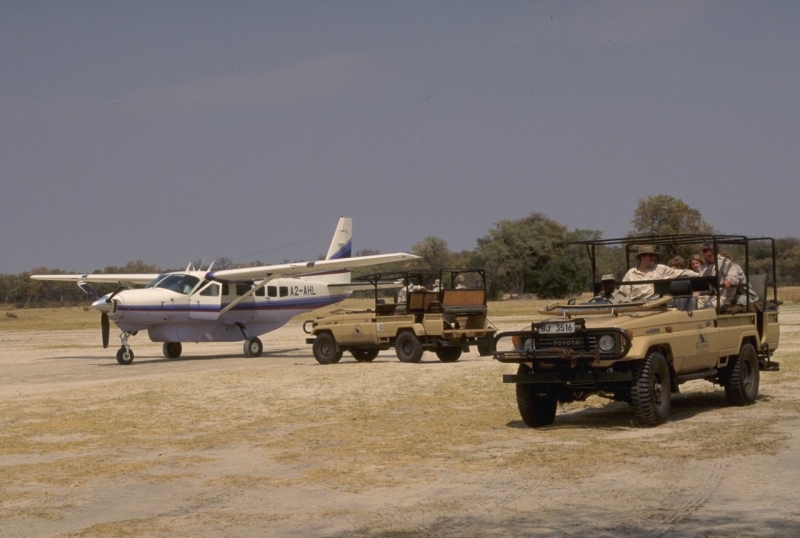
In many African countries—such as Kenya, South Africa, Botswana and Zambia, safari camps that hold private concessions next to large national parks offer the willing traveler a view of extraordinary wildlife. If not on private concession, the national parks are public lands governed by strict regulations. Vehicles must remain on designated roads. During peak seasons, one may find a dozen or more safari vehicles gathered around a single sighting—a lion resting beneath an acacia tree, or a cheetah scanning the horizon.
While still remarkable, the experience can feel, at times, like a shared spectacle rather than a personal encounter.
Contrast this with private concessions—vast tracts of land leased by high-end safari operators, often bordering or adjoining the national parks. Here, the rules are different.
- Off-road driving is permitted, allowing guides to follow animal tracks into the bush rather than waiting for wildlife to approach the road.
- Vehicle numbers are strictly limited, ensuring that sightings remain intimate and unhurried.
- Night drives become possible, revealing an entirely different ecosystem—leopards on the hunt, hyenas in motion, the glowing eyes of nocturnal creatures rarely seen during daylight hours.
- Walking Safaris are offered at some of the private concessions
On such concessions, the difference is profound. Here, guides track animals with a precision born of experience and freedom of movement, often positioning guests within mere yards of extraordinary wildlife moments—always respectfully, always safely.

Fewer Guests, Greater Access
Equally important is the size of the camp. Luxury safari lodges are intentionally small—often hosting between 12 and 24 guests. This is not by chance; it is by design.
Smaller camps mean:
- More personalized guiding, often with a dedicated guide and tracker team.
- Flexible schedules, allowing you to linger at a sighting rather than adhere to rigid timetables.
- A quieter, more immersive atmosphere, where the sounds of the bush replace the noise of crowds.
- Shared open-air vehicles, with 6-8 camp guides are used for safari excursions.
The result is not simply better viewing—it is a deeper connection. A herd of elephants crossing your path is no longer a moment observed among strangers, but a shared memory formed in near silence, guided by those who understand the land intimately.
The Luxury That Matters
Luxury in Africa is not about marble floors. It is about location and logistics.
- Camps are placed in wildlife-rich corridors, reducing time spent searching and increasing time spent observing.
- Charter flights replace long, exhausting drives, preserving energy and maximizing your days in the field.
- Expert guides transform sightings into stories—explaining behavior, migration patterns, and the delicate balance of ecosystems.
- At many luxury camps local alcoholic beverages and laundry service is included.
In short, luxury ensures that the unpredictability of the wild becomes an advantage rather than a frustration.
Southeast Asia: The Elegance of Effortless Exploration
If Africa is defined by its vastness, Southeast Asia is defined by its richness—of culture, cuisine, history, and human connection. Countries such as Thailand, Vietnam, Cambodia and Laos offer a remarkable range of experiences, often at a price point where luxury becomes surprisingly attainable.
Yet here, too, the distinction between standard and elevated travel is not about indulgence—it is about how one moves through the environment.
The Private Car and Private Boat Advantage
One of the most significant—and often overlooked—differences lies in transportation.
Standard travel frequently relies on group tours: buses moving from site to site on fixed schedules, accommodating a wide range of travelers with varying interests and pace.
Luxury travel, by contrast, provides a private car and driver, paired with a knowledgeable local guide.
This seemingly simple upgrade changes everything:
- Time becomes your own, not dictated by the slowest or least engaged member of a group.
- Spontaneity becomes possible—a roadside market, a hidden temple, a scenic overlook can be explored at will.
- Comfort is consistent, particularly in regions where heat, humidity, and traffic can otherwise wear down even the most enthusiastic traveler.
Instead of moving through a checklist, you move through a narrative—one shaped by your interests and guided by local insight.
Boutique Hotels and Cultural Immersion
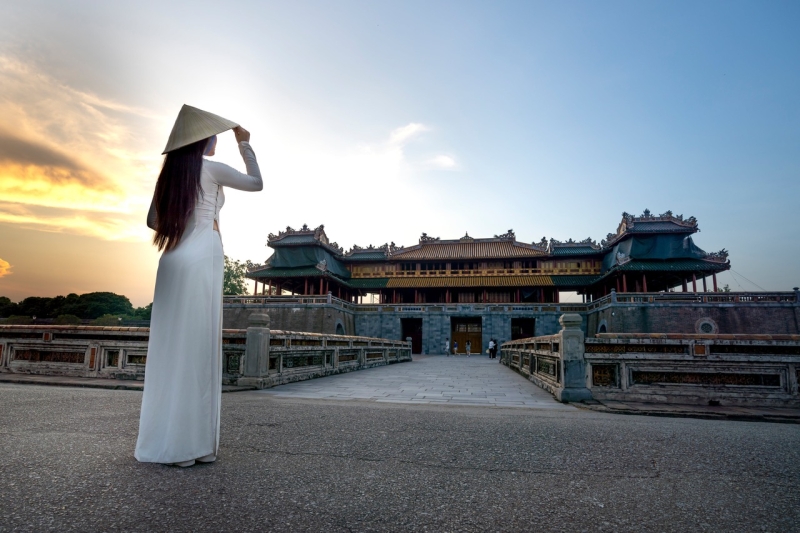
Luxury in Southeast Asia does not always mean towering five-star hotels, although cities like Bangkok, Hanoi, Saigon, Siem Reap and Luang Prabang certainly offer them.
It often means boutique properties—intimate hotels that reflect the culture, design, and spirit of their surroundings. The choice is for the traveler to decide when in planning.
- In Hanoi the charm and elegance of the Sofitel Legend Metropole Hotel
- In Hoi An, lantern-lit courtyards and French colonial architecture create a sense of timeless charm.
- In Siem Rep, the Grand Hotel d’Angkor is one of the finest accommodations.
- While some of the lesser known boutique hotels offer their own style of luxury.
These boutique properties, often with fewer than 50 rooms, provide a level of service and authenticity that large group hotels rarely match.
Value Without Compromise
Perhaps most compelling is that in Southeast Asia, luxury is often remarkably accessible.
- A private driver and guide offers a degree of luxury unmatched by group travel.
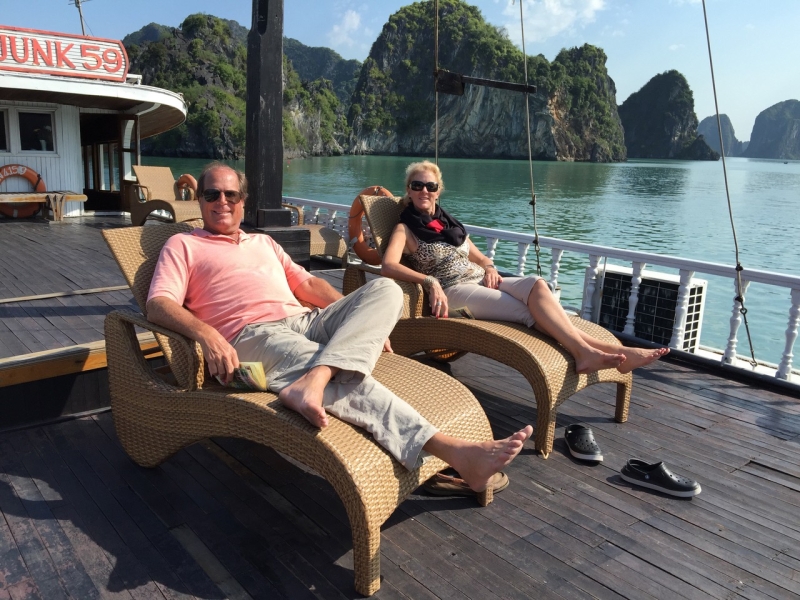
- Private boat travel allows for greater exceptional experiences.
- Boutique accommodations deliver exceptional quality at a lesser fraction of Western luxury pricing.
- Fine dining, spa treatments, and curated experiences are both abundant and affordable.
This creates an unusual dynamic: one can travel exceptionally well—without the financial strain often associated with luxury in other parts of the world.
The Underlying Principle: Control, Access, and Memory
Across continents and cultures, a single truth emerges: luxury travel is not defined by opulence—it is defined by control over one’s experience, albeit a 5-Star accommodation will provide the comfort and amenities far beyond what a boutique hotel experience can offer the traveler.
- In Africa, it is the ability to leave the road and follow a leopard into the bush.
- In Southeast Asia, it is the freedom to linger in a village, to change course, to explore without constraint.
- In both, it is the assurance that your journey is shaped not by compromise, but by intention.
Why It Is Sound Advice
When planning a significant journey—particularly one that may be undertaken only once—it is worth considering what is truly at stake.
Travel is not a commodity that can be returned or exchanged. A missed wildlife sighting due to overcrowding, a rushed visit to a historic site, or a day lost to logistical inefficiency cannot be reclaimed.
Luxury travel mitigates these risks:
- Maximizing opportunity: More time in the right places, at the right moments.
- Minimizing friction: Seamless logistics, expert guidance, and thoughtful pacing.
- Enhancing depth: Experiences that are not only seen, but understood and felt.
A Final Reflection
Ultimately, luxury travel is not measured by greater expense, but by richer experience.
It is the quiet difference between observing and participating, between seeing and understanding, between traveling and truly arriving.
Whether watching a pride of lions move through golden grass at dusk, or wandering through a centuries-old temple guided by a local storyteller, the value lies not in the setting alone—but in how one is able to engage with it.
And that, ultimately, is why choosing to travel well is not an indulgence—it is wisdom.
Since 1989, First Cabin Travel has offered luxury-styled itineraries to destinations world-wide with the mainstay of bookings derived from repeat clientele and their enthusiastic referrals. First Cabin has come to be known as Your Passport to Excellence. CA Reg: 2016168-40