






Machu Picchu - The lost city of the Incas
a hidden wonder above the clouds
11/1/2025
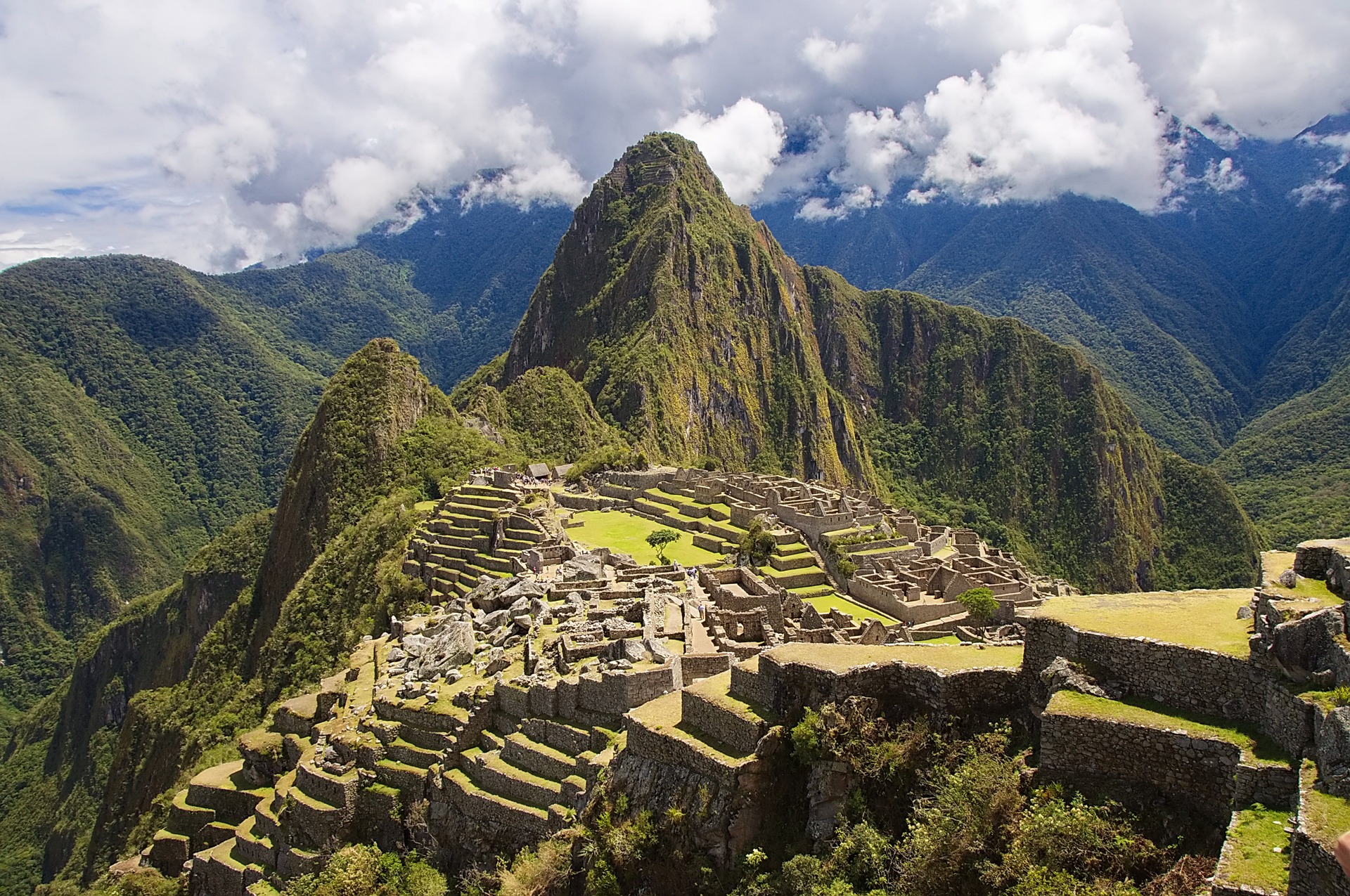
High in the eastern Andes of Peru, wrapped in mist and mystery, stands Machu Picchu, a city of stone suspended between earth and sky. Resting at an elevation of about 7,970 feet (2,430 meters) above sea level, it commands one of the most dramatic landscapes in the world: terraced slopes plunging into deep green valleys, framed by the sacred peaks of Huayna Picchu and Machu Picchu Mountain. Though now one of the Seven Wonders of the Modern World, for centuries this jewel of Inca civilization lay hidden from foreign eyes, protected by jungle and altitude.
Machu Picchu was built in the mid-15th century, around 1450 CE, during the reign of the great Inca emperor Pachacuti Inca Yupanqui. Historians believe it served as a royal estate, a ceremonial center, and possibly a retreat for Inca nobility. The site’s location — remote yet accessible, commanding yet secluded — reflects the Inca mastery of both engineering and symbolism. Its placement between two mountain peaks and near the confluence of sacred rivers imbued it with cosmic meaning, aligning the city with the sun, moon, and stars in perfect celestial order.
Construction required astonishing ingenuity. Without iron, steel, or wheels, Inca masons sculpted granite stones so precisely that not even a blade of grass fits between them today. The architectural design integrated natural rock formations into temples and terraces, demonstrating harmony between man and nature — a core tenet of Inca cosmology.
Though local Quechua farmers and herders had long known of the site, the wider world was unaware of its existence until July 24, 1911, when Yale University historian Hiram Bingham arrived guided by locals Melchor Arteaga and Pablito Alvarez. Bingham, searching for the “Lost City of the Incas,” was led through dense foliage to the terraces and temples of Machu Picchu. His photographs and reports introduced this majestic place to the modern world. While he initially believed he had found the final refuge of the Incas, later research clarified that Machu Picchu had been more of a royal and religious sanctuary rather than the last stronghold (which was Vilcabamba).
At nearly 8,000 feet, Machu Picchu perches on a narrow ridge between the Huayna Picchu and Machu Picchu mountains, overlooking the winding Urubamba River far below. The region’s ecosystem transitions between the high Andean mountains and the Amazon basin, producing a humid subtropical climate. Mist frequently cloaks the stonework, while orchids, ferns, and bromeliads thrive on its terraces — a living contrast of stone and life. This unique elevation and setting contributed to both its concealment and preservation over the centuries.
The site covers over 13 square kilometers (5 square miles) and is divided into urban and agricultural sectors, connected by staircases, plazas, and irrigation channels. Among its most stunning features are:
-
The Temple of the Sun — a curved stone structure aligned with the solstices, where the morning sun enters precisely through its window on June 21.
-
The Intihuatana Stone — meaning “Hitching Post of the Sun,” believed to be an astronomical clock or ritual altar aligning with cardinal points.
-
The Temple of the Three Windows — a masterful example of Inca symmetry and astronomical orientation.
-
The Sacred Plaza and Royal Tomb — where spirituality and regal status merged in stone.
-
The Agricultural Terraces — marvels of sustainable design, preventing erosion while growing crops at high altitude.
Each stone was quarried locally, shaped, and fitted without mortar — a testament to Inca engineering so advanced that it still resists earthquakes that often devastate other Andean structures.
Since its rediscovery, Machu Picchu has become one of the world’s most visited archaeological sites, drawing over a million visitors annually. In 1983, it was declared a UNESCO World Heritage Site, recognized for both cultural and natural significance. In 2007, it was voted among the New Seven Wonders of the World. Yet, this fame has brought challenges. Erosion, over-tourism, and climate conditions threaten its preservation. Peru has since imposed strict visitor limits, requiring permits and guided access. Continuous restoration, conservation, and monitoring ensure that this magnificent citadel endures for future generations.
The adventure begins in Cusco, once the glorious capital of the Inca Empire and today a UNESCO World Heritage City at 11,152 feet (3,399 m). Known as the “Navel of the World” by the Incas, Cusco still radiates with history — from the Qorikancha (Temple of the Sun) and Sacsayhuamán fortress to Spanish colonial cathedrals built upon Inca foundations. Visitors often spend a day or two acclimating here, strolling through cobblestone streets and soaking in the fusion of Andean and colonial culture.
From Cusco, travelers reach Machu Picchu via several routes:
-
By Train:
-
The most popular route follows the scenic Sacred Valley of the Incas through Ollantaytambo, boarding either PeruRail or IncaRail trains to Aguas Calientes (Machu Picchu Town).
-
The journey takes about 3.5 to 4 hours, offering panoramic views of mountains, rivers, and lush jungle.
-
From Aguas Calientes, a 30-minute bus ride zigzags up the mountain to the entrance of Machu Picchu.
-
-
By Trekking:
-
The Inca Trail, a four-day pilgrimage, traces ancient stone paths through cloud forests, Inca ruins, and breathtaking passes before arriving at the Sun Gate (Inti Punku) — the original ceremonial entrance.
-
Alternative treks like the Salkantay, Lares, or Inca Jungle Trail offer equally stunning approaches for those seeking adventure.
-
-
By Bus and Hike Combination:
-
For budget travelers, buses connect Cusco to Hydroelectrica, followed by a 2-hour walk along train tracks to Aguas Calientes.
-
Regardless of the route, every traveler experiences a profound moment as Machu Picchu first emerges from the mist — a silent revelation of Inca genius and human perseverance.
Cusco’s cultural tapestry is unparalleled. Once the spiritual and administrative heart of Tawantinsuyo, the empire “of four quarters,” it radiates Inca order and cosmology. After the Spanish conquest in the 1500s, baroque churches rose over Inca temples, yet the stone foundations endured — a metaphor for the endurance of Andean identity.
Modern Cusco thrives as both a cultural hub and a launch point to the Sacred Valley, with its vibrant markets, artisan crafts, and cuisine blending Quechua tradition with global influences. Nearby sites such as Pisac, Ollantaytambo, and Moray extend the Inca legacy across the landscape, inviting travelers to trace history step by step.
Machu Picchu is more than a ruin; it is a living testament to Inca intelligence, spirituality, and reverence for nature. Its terraces whisper of agriculture and astronomy; its stones align with the heavens; its silence speaks of an empire that revered balance between earth and sky. Even today, Quechua people regard it as sacred ground, and every dawn that lights its terraces revives that ancient respect.
To stand at Machu Picchu is to feel time suspended — to sense the heartbeat of a civilization that, though vanished, continues to inspire awe. It is not merely a destination, but a pilgrimage into the soul of the Andes.
Since 1989, First Cabin Travel has provided luxury-styled itineraries to unique and varied destinations with the main stay of bookings derived from repeat clientele and their enthusiastic referrals. First Cabin has come to be known as your Passport to Excellence. CA Reg 2016168-40