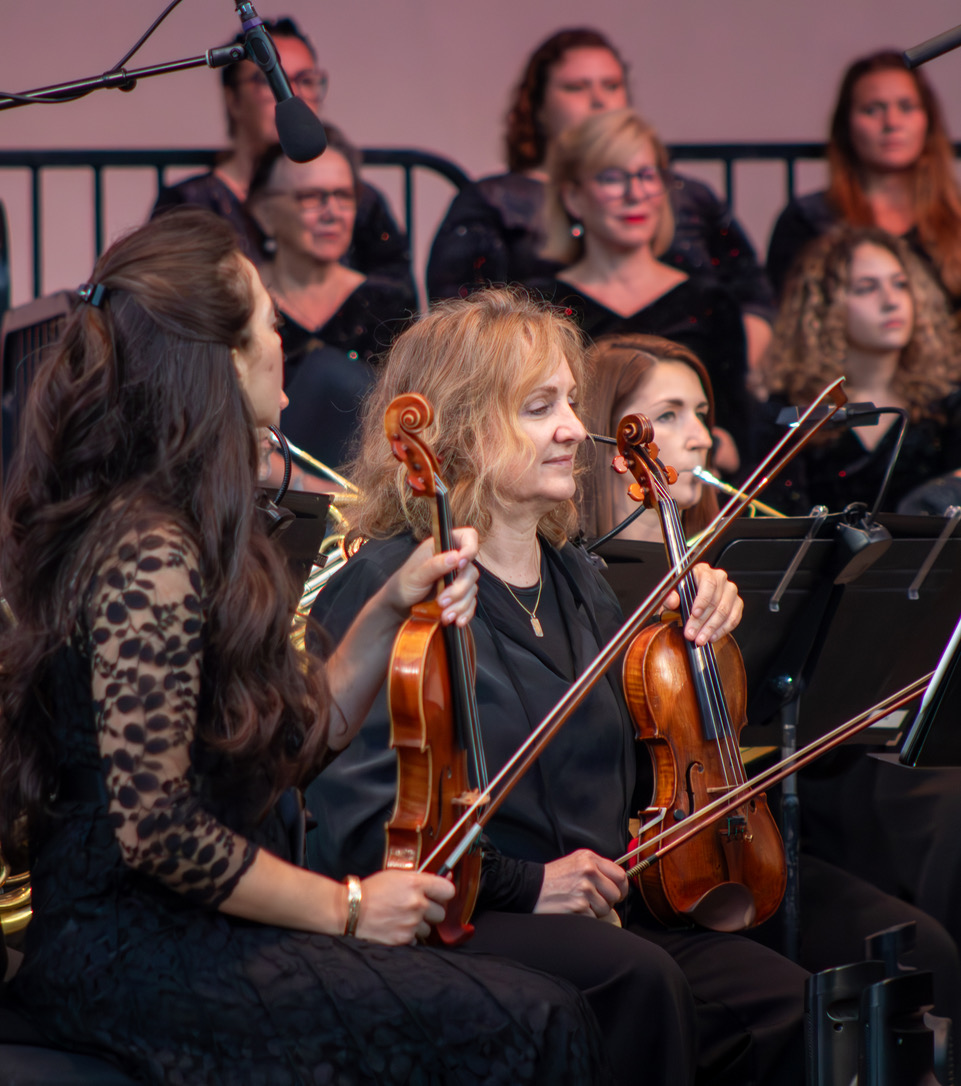






Mainly Mozart All-Star Orchestra
8/31/2025
Just shy of 200 years since its premiere in Vienna, this masterpiece has only grown in its power to enthrall an audience. The performance was both a perfect finale for Mainly Mozart’s festival season and a welcome addition to UCSD’s new outdoor Epstein Amphitheater. Sung with beauty and brilliance by the San Diego Master Chorale, Beethoven’s glorious “Ode to Joy” once again proved that traditions and innovations need not be mutually exclusive when paired for the right reasons.
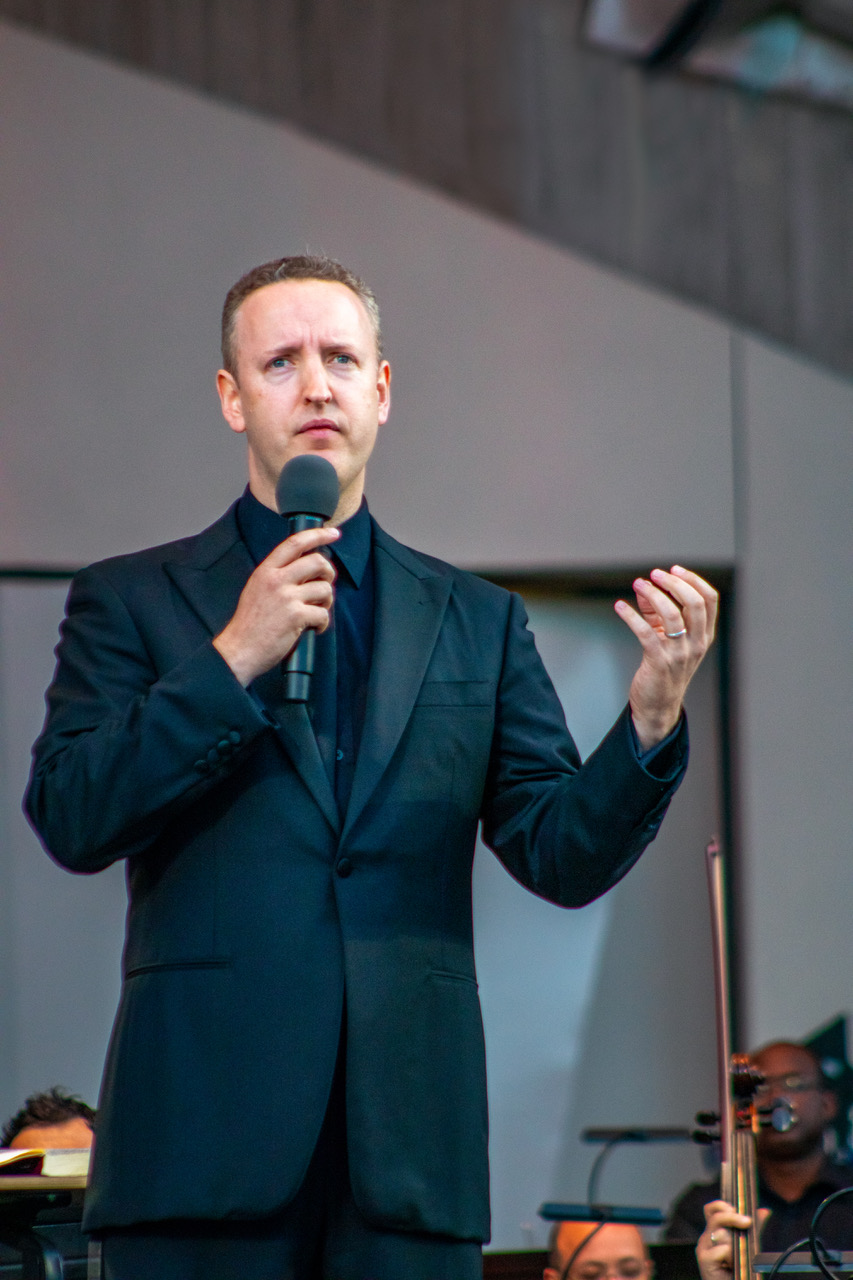
Maestro Michael Francis detailed for the audience just a few of the many historic moments attached to this music. The finale was the first time a choral movement had been included in a symphony. Twelve years elapsed between the premiers of Beethoven’s 8th and 9th symphonies, throughout which Beethoven never once appeared on stage. He spent much of that time sinking into depression, growing more and more deaf and withdrawn, and embroiled in a bitter legal battle for custody of his nephew. The profound artistic evolution which would unfold during those dark years is clear in every note of the ninth symphony.
Maestro Francis also recounted how it was this piece chosen to be performed in celebration of the fall of the Berlin Wall by Leonard Bernstein. At that performance, Bernstein had taken the liberty of changing the German word for joy, “Freude,” to “Freiheit” for freedom. We can imagine that Beethoven, stubborn as he was, would not have objected to this inspired change. The concept of freedom- in every sense of the word both creatively and politically- was integral to his artistic calling.
As early as 1795, Beethoven had contemplated setting Anton Schiller’s poetry to music. It’s no surprise that a remarkable anecdote surrounds the writing of the iconic melody and setting of Schiller’s text for the choral finale.
A tiny, worn notebook kept by Beethoven would reveal that he had spent decades revising this theme again and again. Flipping through the pages, musicologists would discover the lifetime of cultivating this single, musical statement note by note and word by word. With music revised from his 1808 Choral Fantasy, and text revised from his 1805 opera, Fidelio, the anthemic “Ode to Joy” was a quantifiable culmination of Beethoven’s ambitions and achievements.
One detail not mentioned to the audience was how vocally and textually demanding this piece can be for singers. Beethoven was notoriously merciless in expecting singers to rise to whatever challenges his inspiration provided them. His curt response to one protesting soprano was, “Sing it! The note will come!” Many choral directors have recounted to their singers the numerous sloppy recordings of this piece- not so much by any fault of the choir, but by Beethoven’s combination of racing tempi, frenetic whispered and trumpeted high notes, and rapid, dense German text. In order for Schiller’s poetry to ring out clearly over the orchestra, the choir must sing in perfect split-second unison and with perfect German diction. There have been attempts to perform this piece with thousands of voices in unison. One can imagine where in this quixotic charge for glory Beethoven’s textual subtleties do not prevail.
While all singers should be given the opportunity to perform and treasure this piece, it can only be a group of such size and caliber as the San Diego Master Chorale which can do justice to Beethoven’s original and enduring vision. This group’s ability to move, blend and articulate together in every quality demanded by the composer is what makes the gut-wrenching, tear-jerking, and soul-renewing magic possible.
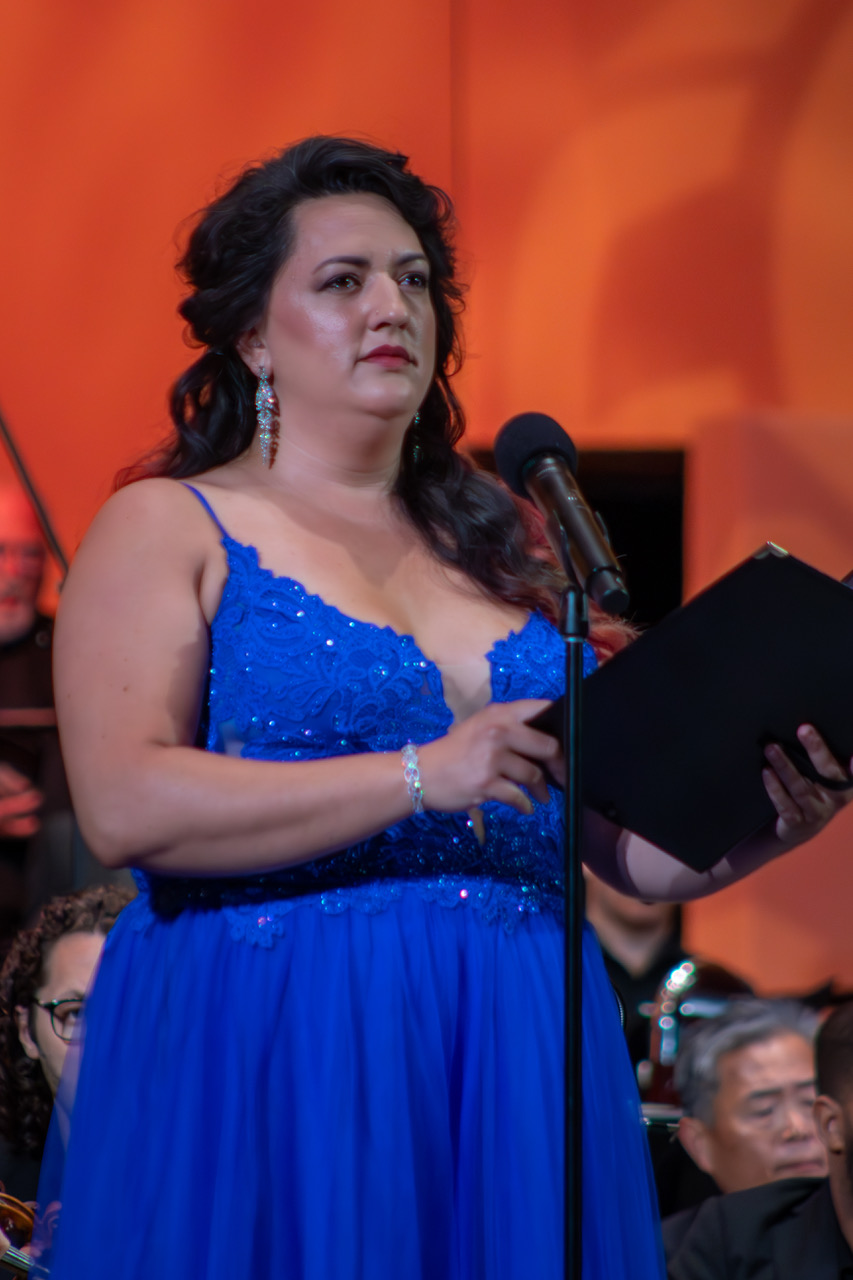
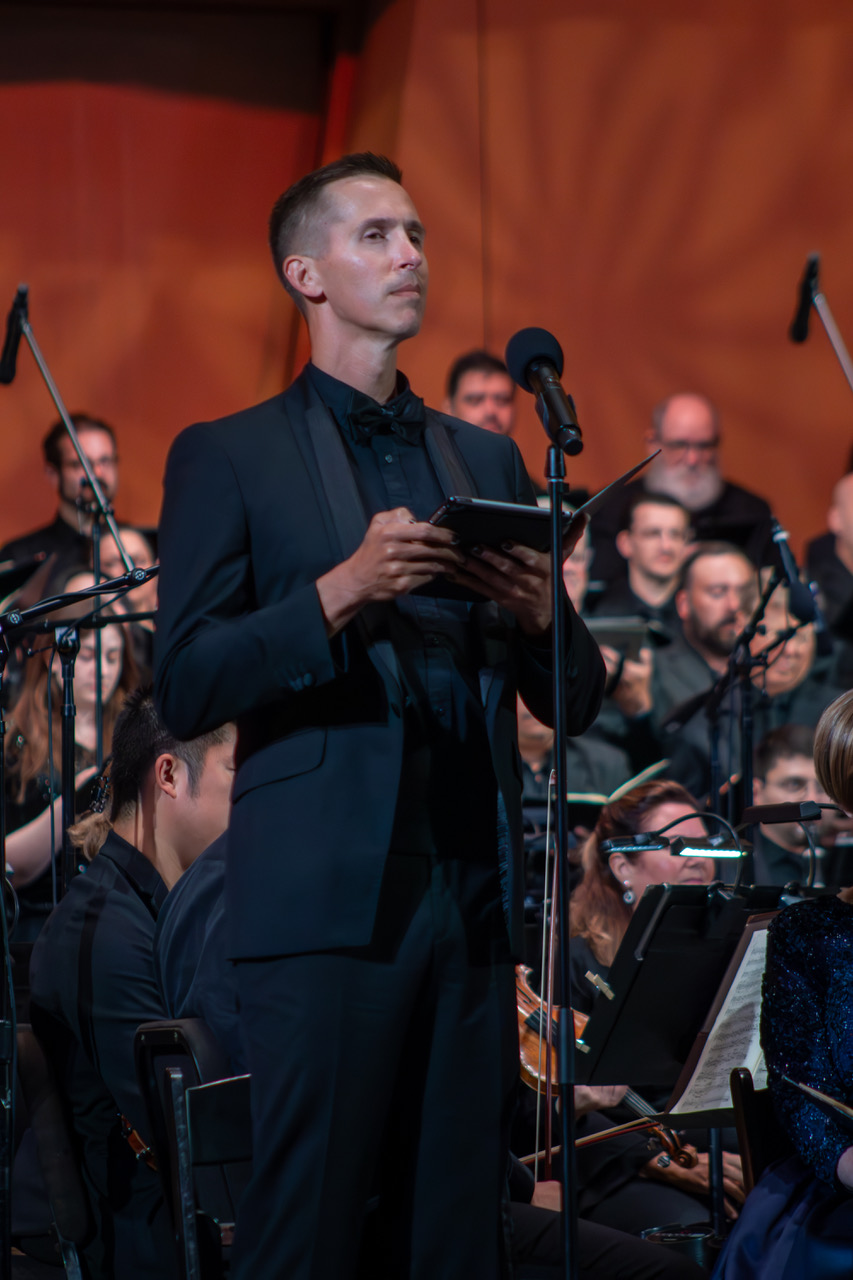
The tenor and baritone solos were sung gallantly by Randall Bills and Babatunde Akinboboye. Together with the thrillingly beautiful voices of soprano and mezzo-soprano Tasha Koontz and Susan Platt, the quartet was perfectly matched for Beethoven’s daunting vocal ascensions and fireworks.
The audience’s standing ovation and cheers were long and loud enough to harken back to one more of this finale’s most poignant pieces of history: Beethoven stands wearily onstage at the premiere, his back to the packed seats, completely deaf and unable to hear their applause. One of the soloists gently takes him by the hand and turns him to see the audience exploding with adoration, leaping from their seats and throwing their hats down onto the stage. Be it a victory twelve or thirty years in the making, everyone knew they had witnessed something historic.
The 200 year-old legacy of this piece and its composer only towers over musicians and audiences more reverently. Few musical achievements can compare with the history it changed and continues to create- one of unmatched creative determination, sacrifice, and triumph.