






Memorial Day vs. Veterans Day
Understanding the meaning of both
5/21/2026
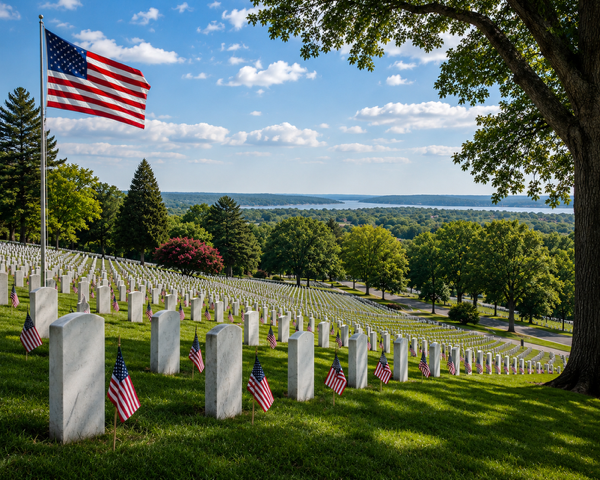
As the United States approaches and celebrates its 250th birthday, Americans once again find themselves reflecting not only upon the nation’s triumphs, freedoms, and astonishing growth, but also upon the immense sacrifices that made such freedoms possible. Among the most meaningful observances in the American calendar are Memorial Day and Veterans Day — two patriotic occasions often confused with one another, yet each carrying its own profound and deeply emotional purpose.
One honors those who never came home.
The other honors those who did.
Together, they form part of the emotional backbone of the American story.
At a time when the nation marks a quarter millennium since the signing of the Declaration of Independence in 1776, these observances take on even greater significance. The freedoms Americans enjoy today — freedom of speech, worship, enterprise, travel, and democratic choice — were neither accidental nor free. They were protected, generation after generation, by ordinary citizens who placed service above self.
The Origins of Memorial Day
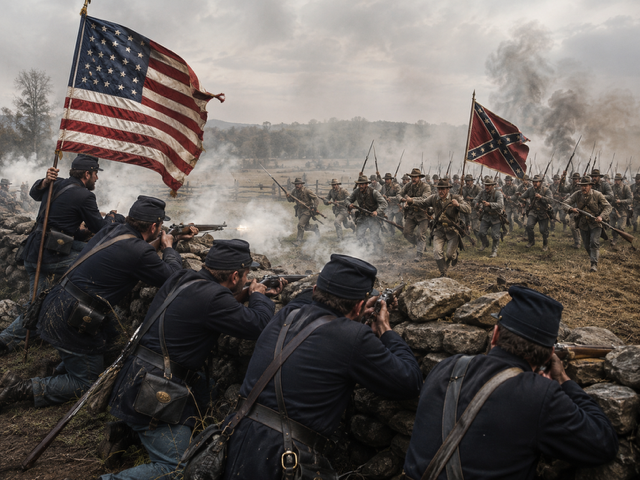
Memorial Day traces its roots to the aftermath of the American Civil War, the bloodiest conflict in United States history. Between 1861 and 1865, more than 600,000 Americans lost their lives in a war that divided families, communities, and the nation itself.
Following the war, grieving families and communities began decorating the graves of fallen soldiers with flowers, wreaths, and flags. The observance became widely known as “Decoration Day.”
Several communities throughout the country claim to be the birthplace of Memorial Day, but one of the earliest large-scale commemorations occurred in Charleston, South Carolina, in 1865, when formerly enslaved African Americans honored Union soldiers who had died in Confederate prison camps.
By 1868, General John A. Logan, leader of a Union veterans organization known as the Grand Army of the Republic, formally proclaimed Decoration Day as a national day of remembrance for those who died during military service.
Originally, Memorial Day specifically honored Civil War dead. Over time, particularly following World War I, the observance expanded to recognize all American military personnel who died in service to the nation.
In 1971, Memorial Day officially became a federal holiday observed on the last Monday of May.
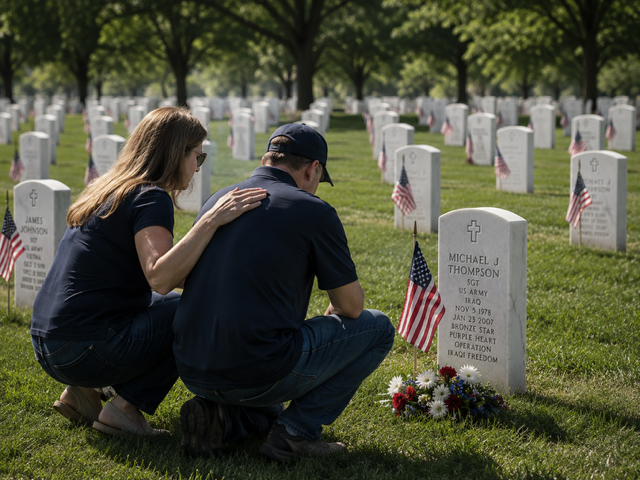
Today, the holiday is marked by parades, cemetery ceremonies, moments of silence, and the placing of American flags upon graves at national cemeteries across the country.
The Meaning Behind Memorial Day
Memorial Day is not primarily about celebration. It is about remembrance.
It is a solemn national pause — a collective moment in which Americans honor those who made the ultimate sacrifice. These were sons and daughters, fathers and mothers, friends and neighbors who left behind ordinary lives and stepped into extraordinary circumstances.
Some died on distant beaches during World War II.
Some perished in the jungles of Vietnam.
Others gave their lives in Korea, Iraq, Afghanistan, or countless missions largely unknown to the public.
For many military families, Memorial Day carries an intensely personal meaning. Empty chairs at dinner tables become symbols of sacrifice spanning generations.
The observance reminds Americans that freedom is often secured at a tremendous human cost.
At precisely 3:00 p.m. local time each Memorial Day, the National Moment of Remembrance encourages citizens to pause for one minute in honor of the fallen.
In cemeteries such as Arlington National Cemetery, thousands upon thousands of white headstones stand in orderly rows — silent reminders that the nation’s liberties were purchased through courage and sacrifice.
The Origins of Veterans Day
Veterans Day has a distinctly different history and purpose.
The observance originated from the end of World War I, often referred to at the time as “The Great War.” Fighting officially ceased when an armistice between Allied nations and Germany took effect on the 11th hour of the 11th day of the 11th month in 1918.
The following year, President Woodrow Wilson proclaimed November 11 as Armistice Day, commemorating the end of the devastating conflict.
Initially, the day honored veterans who served in World War I. However, following World War II and the Korean War, Americans recognized that millions more veterans deserved acknowledgment for their service and sacrifice.
In 1954, President Dwight D. Eisenhower officially changed the name from Armistice Day to Veterans Day.
Unlike Memorial Day, Veterans Day honors all who served in the United States Armed Forces — living and deceased alike.
It is a day of gratitude rather than mourning.
The Meaning Behind Veterans Day
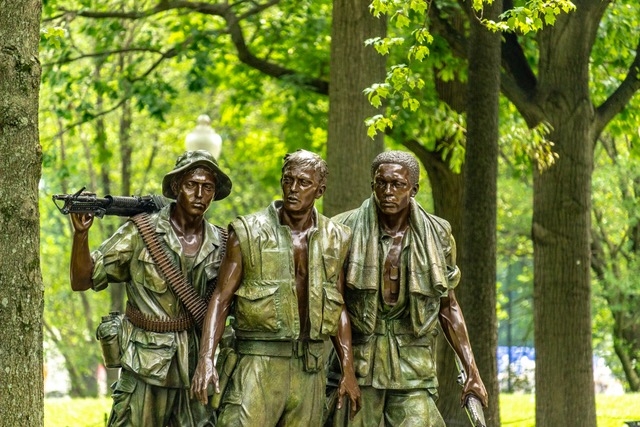
Veterans Day recognizes service.
It acknowledges the millions of Americans who answered their nation’s call — whether during wartime or peacetime — and who willingly accepted the burdens and responsibilities of military life.
Some veterans saw combat. Others served in support roles. Many spent years separated from their families, stationed around the globe under demanding and often dangerous conditions.
Veterans Day is an opportunity for citizens to express appreciation to those who stood prepared to defend the nation if called upon.
Unlike Memorial Day, which focuses upon those who died in service, Veterans Day celebrates the living legacy of military duty and patriotism.
It is common on Veterans Day to hear the simple but heartfelt phrase:
“Thank you for your service.”
Across the country, schools host ceremonies, cities conduct parades, and military organizations gather in recognition of veterans from every branch of service, including the United States Army, United States Navy, United States Marine Corps, United States Air Force, United States Coast Guard, and United States Space Force.
The Key Differences Between Memorial Day and Veterans Day
Although both holidays honor military service, they are fundamentally different in purpose.
Memorial Day
- Observed on the last Monday in May
- Honors military personnel who died in service
- Solemn and reflective in nature
- Focuses upon sacrifice and remembrance
- Traditionally includes cemetery visits and memorial ceremonies
Veterans Day
- Observed annually on November 11
- Honors all who served in the military
- Celebratory and appreciative in nature
- Focuses upon service and patriotism
- Often includes parades and public recognition events
One might say that Memorial Day honors the fallen, while Veterans Day honors the living who served.
Both, however, represent gratitude.
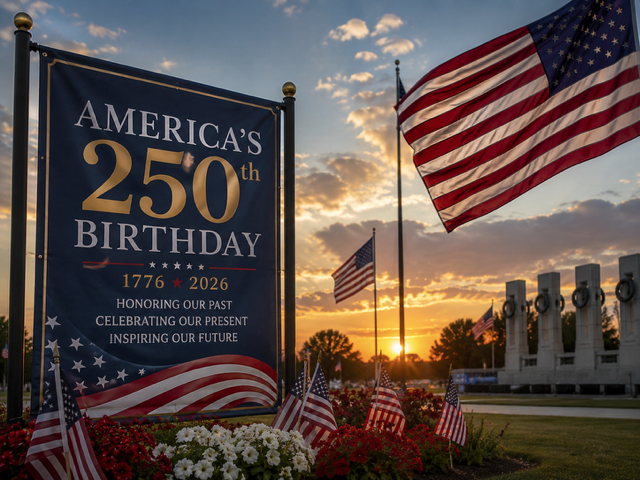
America at 250 Years
The year marking America’s 250th birthday is more than a celebration of longevity. It is a reflection upon an extraordinary democratic experiment that survived revolution, civil war, economic collapse, global conflicts, social unrest, and profound political division.
In 1776, the signers of the Declaration of Independence embarked upon a daring and uncertain path. Few could have imagined that the fledgling republic would one day become one of the most influential nations in world history.
Yet the nation’s survival was never guaranteed.
From the Revolutionary War through modern conflicts overseas, each generation has produced men and women willing to defend the ideals expressed within the Declaration of Independence and the United States Constitution.
This milestone anniversary invites Americans to ask difficult but important questions:
What binds the nation together?
What sacrifices preserved its freedoms?
What responsibilities accompany liberty?
Memorial Day and Veterans Day help answer those questions.
They remind citizens that patriotism is not merely symbolism or ceremony. At its highest form, patriotism involves service, sacrifice, courage, and a willingness to place the greater good above personal comfort.
The Human Side of Service
Behind every military uniform is a human story.
A young recruit leaving home for the first time.
A spouse waiting anxiously during deployment.
A parent praying for safe return.
A veteran carrying memories of battle long after the war has ended.
Many veterans return with visible wounds. Others carry invisible scars — emotional burdens that can last a lifetime.
Organizations throughout the nation continue working to support veterans through housing assistance, medical care, counseling, and employment opportunities. The work remains ongoing, particularly as awareness grows regarding post-traumatic stress and the long-term impact of combat.
Memorial Day and Veterans Day are therefore not simply historical observances. They are reminders of continuing obligations.
To honor service requires more than words. It requires compassion, support, and national unity.
Why These Holidays Matter More Than Ever
In modern times, national attention can easily become consumed by division, technology, social media conflict, and political polarization. Yet Memorial Day and Veterans Day possess a rare ability to transcend such differences.
Americans of differing backgrounds, beliefs, and political views often stand together beneath the same flag in shared respect for military sacrifice.
The observances serve as reminders that the freedoms allowing open debate and democratic expression were preserved by those willing to defend them.
As the United States reaches its 250th anniversary, these holidays encourage citizens not merely to celebrate America’s achievements, but also to reflect upon the responsibilities of citizenship itself.
Freedom demands participation.
Democracy requires vigilance.
Liberty survives only when people are willing to protect it.
A Nation Remembering
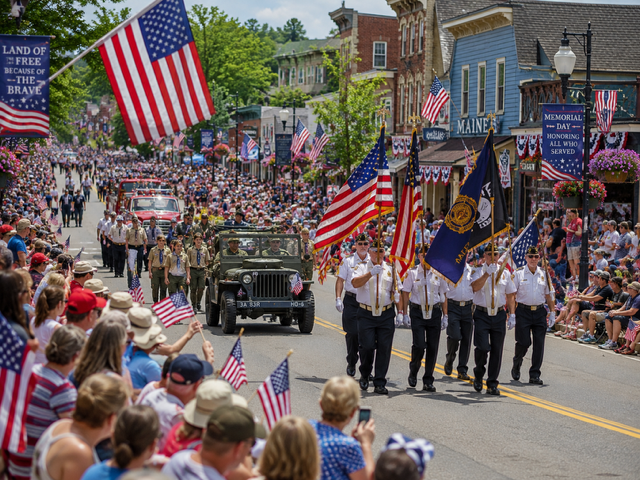
Whether through the quiet placing of flowers upon a grave, the sound of taps echoing through a military cemetery, or a veteran marching proudly in a hometown parade, Memorial Day and Veterans Day remain among America’s most emotionally resonant observances.
They connect generations.
They preserve memory.
And they remind Americans that the nation’s story has always been written not only by presidents, generals, and statesmen, but also by ordinary citizens who answered an extraordinary call.
As America commemorates 250 years since its founding, the meaning behind these observances becomes even more powerful.
For while monuments may weather and history books may fade with time, the spirit of sacrifice, service, courage, and devotion to country remains woven into the very fabric of the United States.
And so, each Memorial Day and Veterans Day, Americans pause — not merely to look backward at history, but to honor those whose sacrifices continue to shape the nation’s future.