






Migraines - Migraine Headaches
More than "Just a Headache"
7/19/2026
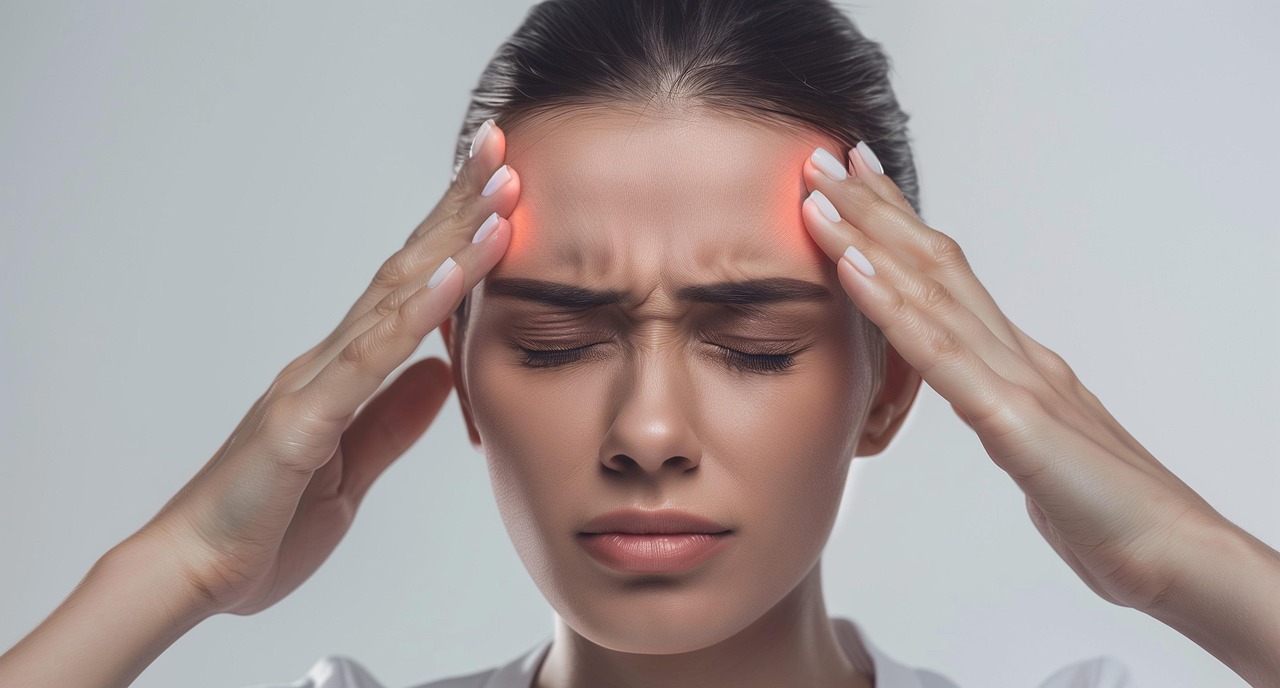
For those who have never experienced a migraine, it can be difficult to understand why millions of people are forced to retreat into a dark, quiet room for hours—or even days. A migraine is not simply a severe headache. It is a complex neurological disorder capable of disrupting nearly every aspect of daily life, affecting work, family, travel, social activities, and emotional well-being.
The World Health Organization has consistently ranked migraine among the most disabling medical conditions worldwide. More than one billion people suffer from migraines, making it one of the most common neurological disorders on the planet. In the United States alone, an estimated 39 million people experience migraines, while many millions more remain undiagnosed.
Unlike tension headaches, migraines often involve a cascade of neurological and chemical changes within the brain. The resulting pain can be accompanied by nausea, vomiting, dizziness, visual disturbances, extreme sensitivity to light, sound, and odors, and profound fatigue. For many sufferers, the condition is unpredictable, making it difficult to plan work schedules, vacations, or family events.
What Exactly Is a Migraine?
A migraine is believed to result from abnormal activity involving nerve cells, blood vessels, and chemical messengers inside the brain. Scientists now understand that migraines are primarily neurological rather than vascular disorders, although blood vessels still play an important role.
One of the key players appears to be the trigeminal nerve, one of the largest nerves in the head. During a migraine attack, this nerve releases inflammatory chemicals—particularly a protein called calcitonin gene-related peptide (CGRP)—which contributes to pain, inflammation, and heightened sensitivity.
Electrical changes within the brain may also occur. Some researchers believe that a phenomenon known as cortical spreading depression, a slow-moving wave of altered brain activity, contributes to the visual symptoms and neurological changes experienced by many migraine sufferers.

The Four Stages of a Migraine
Not every person experiences every stage, but migraines often progress through four recognizable phases.
1. Prodrome
Hours—or even days—before the headache begins, subtle warning signs may appear:
- Mood changes
- Irritability
- Fatigue
- Food cravings
- Neck stiffness
- Frequent yawning
- Difficulty concentrating
- Increased thirst
Many experienced migraine sufferers learn to recognize these early signals.
2. Aura
Approximately one-quarter of migraine sufferers experience an aura.
An aura usually lasts between 20 and 60 minutes and may include:
- Flashing lights
- Zigzag lines
- Blind spots
- Temporary vision loss
- Tingling in the face or arms
- Numbness
- Difficulty speaking
Although frightening, these symptoms usually resolve before the headache begins.
3. Attack
The migraine headache itself may last from four hours to three days.
Common symptoms include:
- Moderate to severe throbbing pain
- Pain usually affecting one side of the head
- Nausea
- Vomiting
- Sensitivity to light
- Sensitivity to sound
- Sensitivity to smells
- Dizziness
- Difficulty thinking clearly
Many patients report that even routine activities—walking, climbing stairs, bending over, or coughing—intensify the pain.
4. Postdrome
After the headache subsides, many sufferers experience what is often called a "migraine hangover."
Symptoms include:
- Fatigue
- Brain fog
- Muscle soreness
- Difficulty concentrating
- Mild dizziness
Recovery can take another day or two.
Who Suffers Most?
Migraines can occur at any age.
Children
Children may begin experiencing migraines as early as elementary school. Childhood migraines often involve stomach pain, nausea, vomiting, and shorter headache durations.
Teenagers
Puberty dramatically increases migraine risk, especially among girls due to hormonal changes.
Adults
Migraines most commonly affect adults between the ages of 25 and 55—the years typically associated with careers, raising families, and peak productivity.
Older Adults
Migraines sometimes become less frequent after age 60, although many individuals continue experiencing them throughout life.
Women Are Affected Far More Often
One of the most striking characteristics of migraine is the gender difference. Women experience migraines approximately three times more often than men. Researchers believe hormonal fluctuations play a major role. Estrogen changes before menstruation, during pregnancy, and around menopause often influence migraine frequency. Some women experience migraines almost exclusively around their menstrual cycle.
Is Migraine Hereditary?
Genetics appear to play a major role. If one parent suffers from migraines, a child's risk increases substantially. If both parents experience migraines, the likelihood becomes even greater. Scientists have identified numerous genes associated with migraine susceptibility, although no single "migraine gene" exists.

Common Migraine Triggers
Triggers do not necessarily cause migraines directly, but they may increase the likelihood of an attack.
Common triggers include:
- Stress
- Lack of sleep
- Too much sleep
- Skipping meals
- Dehydration
- Bright lights
- Loud noise
- Strong perfumes
- Weather changes
- Hormonal fluctuations
- Certain medications
- Intense physical exertion
Learning personal triggers often becomes one of the most effective forms of prevention.
Can Diet Play a Role?
Diet can significantly influence migraines for some people.
Foods commonly associated with migraines include:
- Aged cheeses
- Processed meats
- Alcohol (especially red wine)
- Artificial sweeteners
- Monosodium glutamate (MSG)
- Chocolate (in some individuals)
- Excess caffeine
- Sudden caffeine withdrawal
However, dietary triggers vary tremendously from person to person.
Maintaining a food diary often helps identify individual patterns.
Foods That May Help
While no food can cure migraines, some dietary habits may reduce attacks.
These include:
- Drinking adequate water
- Eating meals consistently
- Consuming magnesium-rich foods
- Leafy green vegetables
- Almonds
- Pumpkin seeds
- Whole grains
- Fatty fish rich in omega-3 fatty acids
- Fresh fruits
- Beans
- Yogurt (for those who tolerate dairy)
Some evidence suggests that diets emphasizing minimally processed foods may help reduce inflammation.

Magnesium: One of the Most Studied Nutrients
Low magnesium levels have been linked with migraines in many patients.
Foods rich in magnesium include:
- Spinach
- Avocados
- Cashews
- Black beans
- Brown rice
- Pumpkin seeds
Some physicians recommend magnesium supplements, although individuals should consult their healthcare provider before beginning supplementation.
The Importance of Hydration
Even mild dehydration may trigger migraines.
Many headache specialists encourage patients to:
- Drink water consistently throughout the day
- Limit excessive alcohol
- Moderate caffeine intake
- Increase fluids during hot weather or exercise
What Should You Do During a Migraine?
When a migraine begins:
- Move to a quiet, dark room
- Rest if possible
- Stay hydrated
- Apply a cool compress to the forehead
- Practice slow, controlled breathing
- Take prescribed medication early
- Avoid excessive screen time
Early treatment often works better than waiting until pain becomes severe.
What Should You Avoid?
During a migraine attack:
- Bright lights
- Loud music
- Strong smells
- Heavy exercise
- Alcohol
- Skipping meals
- Driving if vision is impaired
Ignoring symptoms often prolongs recovery.

Medications That Can Help
Treatment depends on migraine frequency and severity.
Over-the-Counter Options
Some individuals respond well to:
- Acetaminophen
- Ibuprofen
- Naproxen
- Aspirin combinations
Frequent use, however, may actually worsen headaches through medication-overuse headaches.
Prescription Migraine Medications
Doctors commonly prescribe:
Triptans
These medications specifically target migraine pathways and often work well when taken early.
Examples include:
- Sumatriptan
- Rizatriptan
- Eletriptan
CGRP Inhibitors
One of the biggest breakthroughs in migraine treatment has been medications targeting CGRP.
These newer therapies can:
- Reduce migraine frequency
- Decrease severity
- Improve quality of life
- Prevent attacks before they occur
Several injectable and oral medications are now available.
Gepants
These newer oral medications also block CGRP activity and may benefit patients who cannot tolerate triptans.
Ditans
Another newer class offers relief for some patients who have cardiovascular concerns that limit the use of triptans.
Preventive Treatments
People experiencing frequent migraines may benefit from preventive therapy.
Options include:
- Blood pressure medications
- Certain antidepressants
- Anti-seizure medications
- CGRP preventive injections
- Botox injections for chronic migraine
Botox is FDA-approved for chronic migraine sufferers experiencing headaches on 15 or more days each month.
Can Lifestyle Changes Help?
Absolutely. Neurologists consistently emphasize healthy daily habits.
Helpful strategies include:
- Consistent sleep schedules
- Regular exercise
- Stress management
- Daily hydration
- Balanced nutrition
- Avoiding skipped meals
- Limiting excessive caffeine
- Maintaining a healthy weight
Consistency often proves more important than perfection.
Stress: One of the Biggest Triggers
Emotional stress remains among the most common migraine triggers.
Stress management techniques include:
- Meditation
- Yoga
- Gentle stretching
- Deep breathing
- Walking
- Mindfulness exercises
- Counseling when appropriate
Ironically, some people experience migraines after stress ends, such as on weekends or after major work deadlines—a phenomenon sometimes called the "let-down migraine."
Can Weather Trigger Migraines?
Many sufferers report attacks associated with:
- Barometric pressure changes
- Storm fronts
- Extreme heat
- High humidity
- Strong winds
Scientific studies support weather as a trigger for some individuals, although not everyone is affected.
When Should Someone Seek Immediate Medical Attention?
Although migraines are common, some headaches require emergency evaluation.
Seek prompt medical care if a headache is:
- Sudden and explosive ("thunderclap")
- Associated with weakness or paralysis
- Accompanied by confusion
- Associated with seizures
- Following significant head injury
- Accompanied by persistent fever and neck stiffness
- Different from previous migraine patterns
- Occurring for the first time after age 50
These symptoms could indicate a more serious medical condition requiring immediate attention.
Living With Migraine
Migraine is often an invisible illness. Many sufferers appear perfectly healthy between attacks, leading others to underestimate the disorder.
The unpredictability of migraines can affect careers, relationships, education, and mental health. Anxiety about when the next attack will occur is common, and some individuals limit travel or social engagements because of the possibility of becoming incapacitated.
Support from family, employers, and healthcare providers can make a significant difference.
Is There Hope on the Horizon?
The outlook for migraine sufferers has improved dramatically over the past decade.
For many years, treatment options were limited and often only partially effective. Today, advances in neuroscience have led to therapies designed specifically to interrupt the biological pathways involved in migraine.
Researchers are exploring:
- Improved CGRP-targeted therapies
- Longer-lasting preventive medications
- Personalized medicine based on genetics
- Noninvasive nerve stimulation devices
- Wearable technologies that detect attacks before symptoms become severe
- Artificial intelligence tools to identify individual triggers and optimize treatment
Scientists also continue investigating the roles of inflammation, the gut-brain connection, sleep regulation, and hormones, all of which may lead to even more targeted therapies.
The Bottom Line
Migraine headaches are among the most disabling neurological disorders worldwide, yet they are also among the most misunderstood. They are far more than ordinary headaches, involving complex changes in brain function that can produce severe pain, nausea, visual disturbances, and extreme sensitivity to light and sound.
While there is no universal cure, significant progress has transformed migraine care. A combination of early diagnosis, personalized treatment, healthy lifestyle habits, trigger management, and newer medications now enables many patients to reduce both the frequency and severity of attacks.
Perhaps most encouraging is the pace of scientific discovery. With innovative therapies already improving countless lives and promising research continuing around the globe, there is genuine reason for optimism. For millions living with migraines, the future offers more effective treatment options—and renewed hope that this debilitating condition can be better controlled than ever before.