






Migraines - the battle with the brain
origins and early understanding
11/4/2025
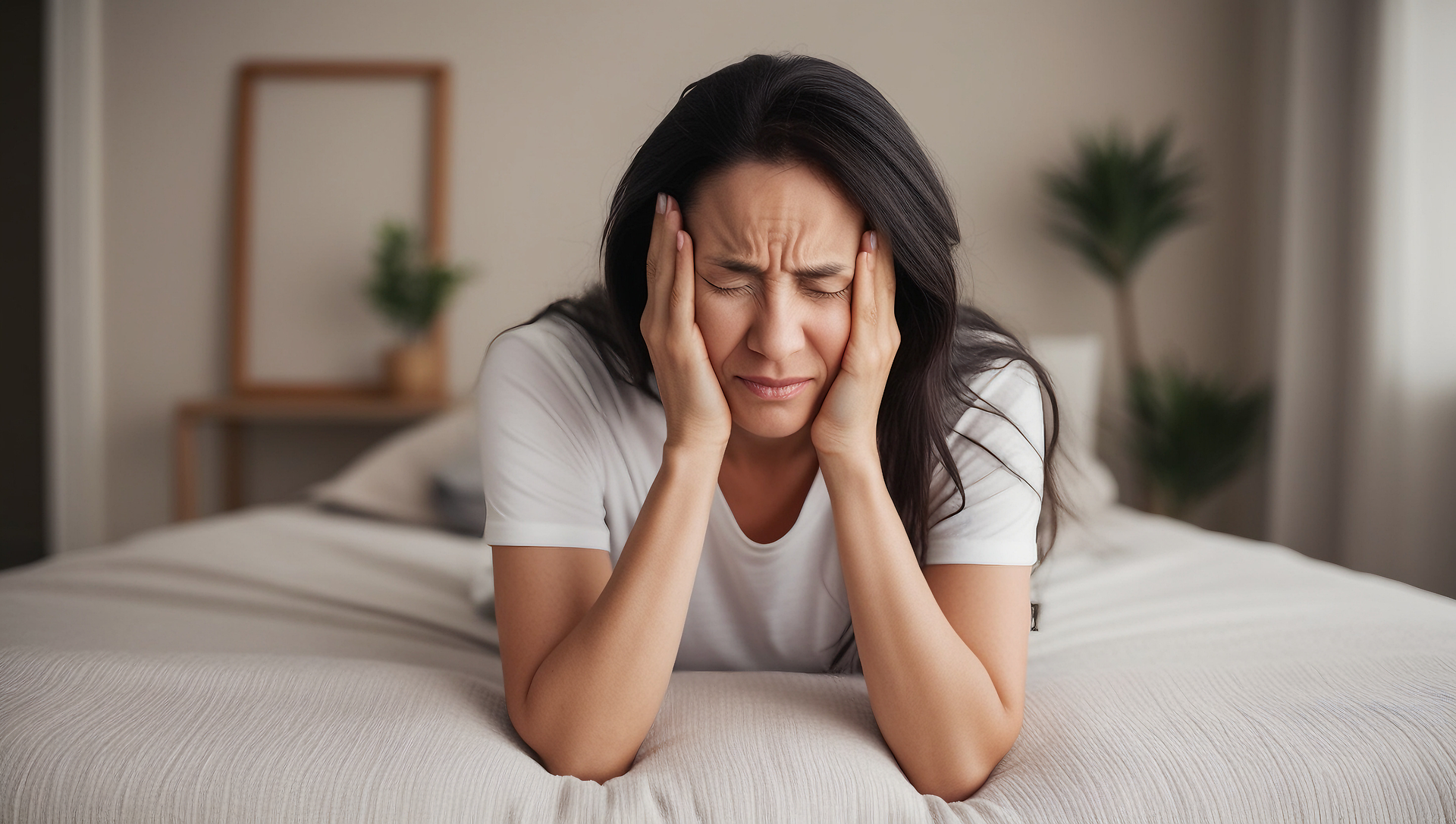
Migraines are among the oldest documented neurological disorders in human history. References to severe recurring headaches appear in writings dating back to ancient Egypt, around 1200 B.C., where they were described as “half-head pains.” The term “migraine” itself comes from the Greek hemikrania, meaning “half of the skull,” reflecting the characteristic one-sided pain many sufferers endure.
For centuries, migraines were misunderstood—at times blamed on evil spirits, excessive melancholy, or disturbances in bodily “humors.” Modern neuroscience, however, has illuminated that migraines are not simply headaches, but complex neurological events involving abnormal brain activity, changes in blood flow, and the release of inflammatory neurochemicals. Today, migraines are recognized as a chronic neurological disease that affects an estimated one billion people worldwide, making it the third most prevalent disorder globally.
A migraine is far more than pain. It is a full-body assault that can last anywhere from a few hours to several days. The condition often manifests through several stages:
-
Prodrome: Hours or days before the attack, sufferers may experience mood changes, neck stiffness, food cravings, or fatigue.
-
Aura: About one-third of patients experience visual disturbances such as flashes of light, zigzag lines, or temporary loss of vision. Others feel tingling in the limbs or difficulty speaking.
-
Attack: The throbbing, usually one-sided headache sets in, often accompanied by nausea, vomiting, and extreme sensitivity to light, sound, or smell.
-
Postdrome: After the pain fades, people feel drained, confused, or even euphoric, as if recovering from a physical ordeal.
The World Health Organization ranks migraine as one of the top 10 most disabling conditions worldwide. For many, migraines disrupt careers, relationships, and day-to-day functioning.
Migraines most commonly begin during adolescence or early adulthood and are most prevalent between ages 18 and 50, the prime of a person’s working life. While children can suffer from migraines, symptoms often become more defined with age. In older adults, migraines tend to decrease in frequency, though some may continue to experience aura symptoms without pain.
Migraines are far more common in women, affecting roughly three times as many women as men. Hormonal fluctuations—particularly involving estrogen—play a significant role. Many women report migraine attacks coinciding with their menstrual cycles, pregnancy, or menopause. Men, while less frequently affected, may experience more severe single episodes, often triggered by stress or lack of sleep.
Caffeine is both a trigger and a treatment for migraines. In small amounts, caffeine can constrict blood vessels and enhance the effect of pain relievers such as aspirin or acetaminophen, offering relief. However, overconsumption—or sudden withdrawal—can provoke migraine attacks. Daily heavy caffeine intake changes the brain’s blood flow regulation, leading to dependency. When caffeine levels drop, blood vessels dilate, causing pain that mimics or triggers migraines. Many physicians now recommend patients limit caffeine to no more than one or two cups of coffee per day and avoid energy drinks entirely.
Migraines have a wide range of biological and environmental triggers, including:
-
Genetics: Migraines run strongly in families. If one parent suffers from them, a child has a 50% chance of developing the condition.
-
Hormonal changes: Particularly in women, as estrogen fluctuations are a primary factor.
-
Stress: Emotional or physical stress often initiates attacks through changes in neurotransmitter levels.
-
Sleep patterns: Both too little and too much sleep can induce migraines.
-
Dietary triggers: Aged cheeses, processed meats, red wine, artificial sweeteners, and monosodium glutamate (MSG) are common culprits.
-
Sensory stimuli: Bright lights, loud sounds, strong perfumes, or sudden weather changes.
-
Dehydration: Even mild dehydration can set off migraines in sensitive individuals.
Treatment generally falls into two categories: abortive and preventive.
-
Abortive medications stop a migraine in progress. These include:
-
Triptans (e.g., sumatriptan, rizatriptan)
-
Ergot derivatives (e.g., dihydroergotamine)
-
Pain relievers (acetaminophen, NSAIDs, or caffeine-based combinations)
-
-
Preventive medications reduce the frequency and severity of attacks:
-
Beta-blockers (propranolol)
-
Antidepressants (amitriptyline)
-
Anticonvulsants (topiramate)
-
CGRP inhibitors (erenumab, fremanezumab, and others—new biologic drugs that block migraine-causing peptides)
-
For some patients, Botox injections are prescribed, particularly for chronic migraines occurring more than 15 days per month.
Since medication alone rarely eliminates migraines, lifestyle balance is key.
-
Maintain a regular sleep schedule: Going to bed and waking at the same times helps stabilize brain chemistry.
-
Stay hydrated: Aim for eight glasses of water daily.
-
Eat balanced meals: Avoid skipping meals, and identify personal trigger foods through a migraine diary.
-
Exercise moderately: Activities like swimming, yoga, and walking improve circulation and reduce stress.
-
Manage stress: Meditation, breathing techniques, and biofeedback are proven to reduce attack frequency.
-
Limit screen time and glare: Use anti-glare screens and take frequent breaks from computers and phones.
Some sufferers find relief through acupuncture, massage therapy, magnesium supplements, or essential oils like lavender and peppermint.
Recent advances in neurology are offering new hope. CGRP monoclonal antibodies, neuromodulation devices (like headbands that stimulate the vagus or trigeminal nerves), and personalized genetic medicine are redefining migraine management. Researchers now view migraines as a condition of brain hypersensitivity—one that can be tamed through targeted, individualized therapy rather than blanket medication.
Living with migraines requires self-awareness, patience, and often, lifestyle restructuring. Keeping a journal of triggers, response to medications, and symptom patterns can empower sufferers to recognize early warning signs. Family support and education also play a crucial role—understanding that a migraine is not “just a headache,” but a disabling neurological event, helps reduce stigma and fosters empathy.
Migraines reveal the delicate balance of the human brain—how a minor chemical or vascular shift can unleash profound pain. Though incurable, they can be managed effectively through medication, lifestyle control, and awareness. Whether young or old, man or woman, those who suffer are not alone; science continues to advance toward more personalized, lasting relief.
The battle against migraines is as much about reclaiming quality of life as it is about treating pain—and with modern understanding, that battle is increasingly winnable.