






Mount Fuji and the japanese archipelago
nature, nation, and a Global Comparison
1/10/2026
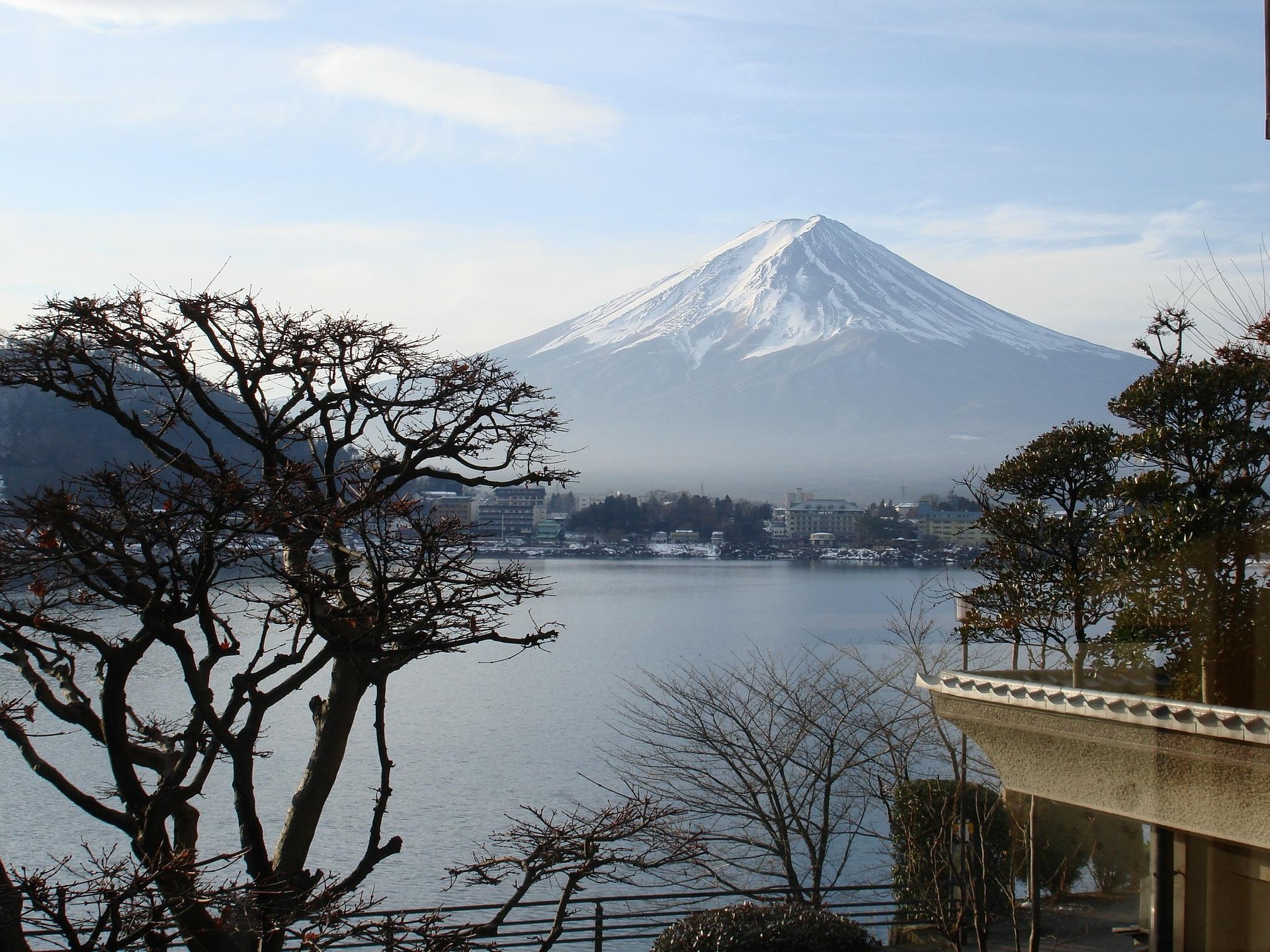
Rising with near-perfect symmetry above central Japan, Mount Fuji is more than a mountain. It is a national icon, a spiritual symbol, a geological marvel, and a defining presence within the landscape of Japan. To understand Mount Fuji fully, one must also understand the islands that cradle it, the government that protects and manages it, the regions that surround it, and how it compares—physically and symbolically—to other great mountains of the world.
This article explores Mount Fuji within its broader geographic, political, and geological context, offering a comprehensive view of why it continues to command reverence both within Japan and across the globe.
The Islands of Japan: A Volcanic Nation Shaped by the Sea
Japan is an archipelago of more than 6,800 islands, formed by intense tectonic activity along the Pacific Ring of Fire. Four primary islands dominate the nation’s geography:
Honshu – the largest island and home to Mount Fuji, Tokyo, Kyoto, and Osaka
Hokkaido – known for cooler climates and volcanic landscapes
Kyushu – volcanically active, with Mount Aso and Sakurajima
Shikoku – the smallest of the four main islands, steeped in pilgrimage culture
Japan’s mountainous terrain leaves little flat land, concentrating population centers along coastal plains. Volcanic forces not only created Mount Fuji but shaped Japan’s dramatic coastlines, fertile soils, hot springs, and seismic reality.
Mount Fuji: Formation, Structure, and Geological Makeup
Mount Fuji stands 3,776 meters (12,389 feet) tall, making it Japan’s highest peak. It is a stratovolcano, built through successive eruptions over hundreds of thousands of years.
Geological Composition
Basaltic lava flows layered with ash and scoria
Broad, symmetrical cone created by fluid lava rather than explosive fragmentation
A summit crater approximately 780 meters wide
Fuji is geologically young, with its current form developing within the last 10,000 years. It sits atop the convergence of three tectonic plates—a rare and complex setting that contributes to its iconic shape and latent power. Though dormant since its last eruption in 1707 (the Hōei eruption), Mount Fuji is classified as active and closely monitored.
Sacred Mountain: Spiritual and Cultural Meaning
For centuries, Mount Fuji has been revered as a sacred site in Shinto and Buddhist traditions. Pilgrimages to the summit were once restricted to priests and ascetics. Even today, climbing Fuji is often described as a spiritual journey rather than a recreational hike.
Shrines such as Fujisan Hongū Sengen Taisha honor the mountain as a living deity. In 2013, Mount Fuji was designated a UNESCO World Cultural Heritage Site, not for its geology alone, but for its profound influence on art, poetry, religion, and national identity.
Areas Surrounding Mount Fuji
The regions surrounding Mount Fuji offer some of Japan’s most scenic and culturally rich landscapes:
Fuji Five Lakes (Fujigoko)
Located on the northern slopes, these lakes—Lake Kawaguchi, Lake Yamanaka, Lake Sai, Lake Shoji, and Lake Motosu—provide iconic views and seasonal tourism.
Hakone
A historic hot-spring region offering views of Fuji, volcanic valleys, and Lake Ashi, long favored by travelers and artists.
Aokigahara Forest
Formed on hardened lava flows, this dense forest at Fuji’s northwest base is ecologically unique and culturally complex.
Yamanashi & Shizuoka Prefectures
Mount Fuji straddles these two prefectures, both of which share responsibility for conservation, tourism management, and disaster preparedness.
Japan’s Government and Stewardship of Natural Landmarks
Japan operates under a constitutional monarchy with a parliamentary government. The Emperor serves as a symbolic head of state, while executive power rests with the Prime Minister and the National Diet.
Environmental protection, disaster management, and tourism around Mount Fuji are overseen through collaboration between:
National ministries
Prefectural governments
UNESCO heritage guidelines
Strict regulations govern climbing seasons, waste management, trail usage, and preservation of surrounding ecosystems. These measures balance accessibility with respect for Fuji’s cultural and environmental significance.
Comparing Mount Fuji to Other Great Mountains of the World
While Mount Fuji is not the tallest, it is arguably one of the most visually balanced and culturally influential mountains on Earth. Few peaks are so instantly recognizable or so deeply woven into a nation’s artistic and spiritual fabric.
A Mountain That Defines a Nation
Mount Fuji endures not simply because of its height or beauty, but because it embodies the essence of Japan itself: harmony between nature and humanity, reverence for the past, and respect for powerful natural forces.
Seen from bullet trains, villages, temples, or distant city streets, Mount Fuji remains a quiet constant—unchanging yet alive—watching over a nation shaped by islands, volcanoes, and centuries of cultural depth.
In the global landscape of mountains, Mount Fuji stands apart—not as the tallest or the most dangerous—but as one of the most meaningful.
Since 1989 First Cabin Travel has offered luxury-styled custom itineraries to unique and varied destinations with the mainstay of bookings derived from repeat clientele and their enthusiastic referrals. First Cabin has come to be know as Your Passport to Excellence CA Reg 2016168-40