






Okavango Delta
Africa's Living Jewel
4/20/2025
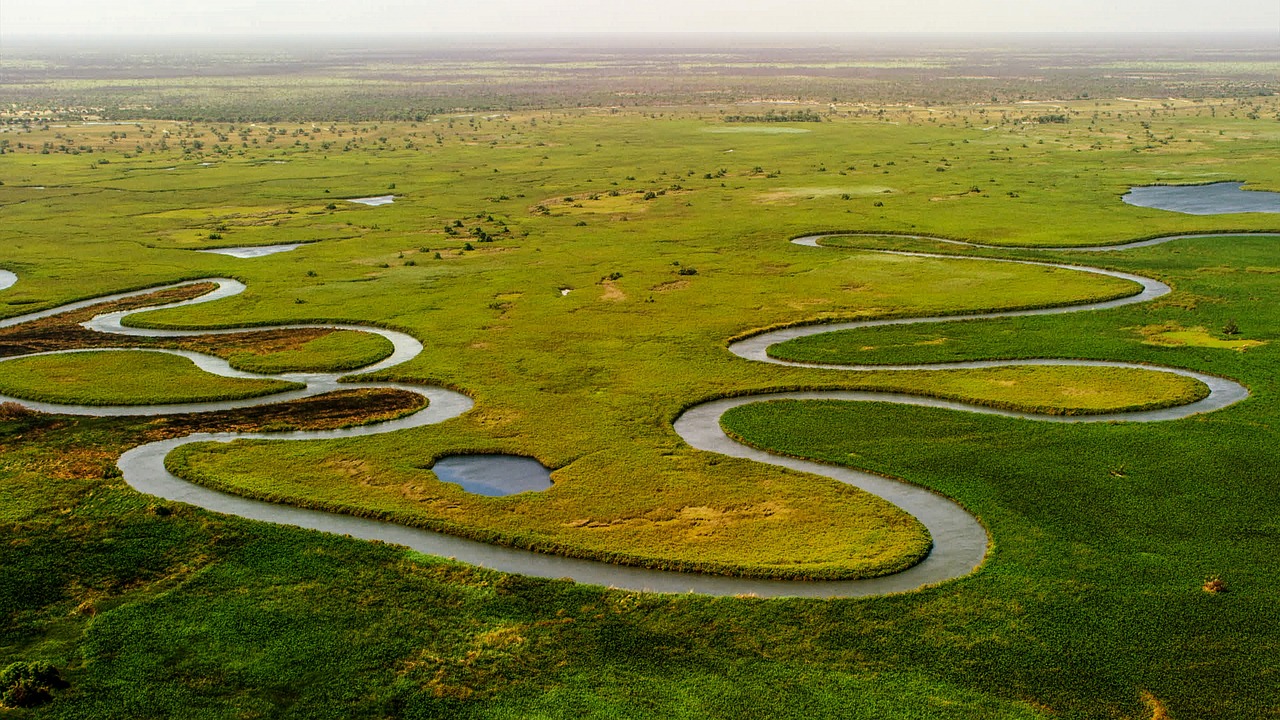
The Okavango Delta, often referred to as the “Jewel of the Kalahari”, is one of Africa’s most mesmerizing and unique ecosystems. Situated in northern Botswana, the delta is a vast, pulsating inland oasis created by the Okavango River, which defies convention by flowing into a desert rather than the ocean.
The Okavango Delta owes its formation to a series of tectonic shifts and geological transformations that occurred over millennia. Around two million years ago, shifting tectonic plates in the region caused a large basin to form. This depression became a natural catchment area for the Okavango River, which flows from the Angolan highlands and traverses through Namibia before spilling into the Kalahari Basin in Botswana.
Rather than draining into the sea like most river systems, the Okavango’s waters are absorbed by the sandy soils, evaporated by the intense sun, or consumed by lush plant life and wildlife. This inland delta is one of the very few of its kind in the world and is considered a geological marvel.
The Okavango River travels approximately 1,600 kilometers (about 1,000 miles) from its source in Angola before reaching the delta in Botswana. The delta itself covers up to 15,000 square kilometers (5,800 square miles) during the wet season, shrinking to about 6,000 square kilometers (2,300 square miles) during the dry months.
The Okavango Delta involves a transboundary river system flowing through three countries:
-
Angola – The river originates in the Bié Plateau, where seasonal rains feed the Cubango River, a major tributary of the Okavango.
-
Namibia – Known as the Kavango River in this region, it skirts the narrow Caprivi Strip before entering Botswana.
-
Botswana – The heart of the Okavango Delta is located here, forming a lush, marshy paradise within the otherwise arid expanse of the Kalahari Desert.
The Okavango Delta operates on a unique flooding cycle, which begins with the seasonal rains in Angola between January and March. The floodwaters take months to travel downstream, arriving in Botswana between June and August—ironically, during Botswana’s dry winter season.
This reverse timing results in a dramatic transformation: dry grasslands turn into vibrant wetlands, attracting a spectacular array of animals and birds. The annual flooding is what breathes life into the delta, creating a vibrant pulse of ecological activity.
The vegetation of the Okavango Delta is as dynamic and varied as the waters that sustain it. Due to the differing water levels, distinct vegetation zones emerge, each supporting unique plant and animal life.
-
Permanent Swamps – Dominated by papyrus, reeds, and water lilies, these areas remain flooded year-round.
-
Seasonal Floodplains – These grassy areas flood during the high-water season and are rich in sedge and aquatic grasses.
-
River Channels – Lined with palm trees, acacias, and water figs, they provide shelter and shade to many aquatic species.
-
Woodlands and Savannahs – On the delta’s fringes lie mopane woodlands, terminalia forests, and open grasslands which support terrestrial herbivores and predators.
This mosaic of habitats provides an ideal setting for ecological diversity.
The Okavango Delta is home to one of the highest concentrations of wildlife in Africa. It is part of the Kavango-Zambezi Transfrontier Conservation Area, the world’s largest conservation zone.
Some of the most notable species include:
-
African Elephants – The delta houses over 130,000 elephants, one of the largest remaining populations.
-
Lions – Known for adapting to semi-aquatic hunting, these lions are some of the few that willingly swim.
-
Leopards and Cheetahs
-
Buffalo, Hippos, and Crocodiles
-
African Wild Dogs – Endangered, yet thriving in this remote ecosystem.
-
More than 400 bird species, including fish eagles, jacanas, herons, and the rare Pel’s fishing owl.
This richness of life makes the delta a top safari destination, especially for mokoro (canoe) excursions, walking safaris, and birdwatching.
The Okavango Delta acts as a natural sponge, soaking up floodwaters and slowly releasing them, which reduces the risk of downstream flooding and drought. It also:
-
Recharges underground aquifers
-
Supports plant pollination and seed dispersal
-
Maintains regional climate balance
-
Tourism – A major economic driver for Botswana, eco-tourism provides jobs and funding for conservation.
-
Fishing and Sustainable Hunting – Traditional practices by indigenous communities like the BaYei and Hambukushu.
-
Cultural Preservation – The delta is central to the identity and heritage of various local groups.
Despite its remote location and protected status, the Okavango Delta faces numerous environmental challenges:
-
Climate Change – Unpredictable rainfall and droughts can disturb the delicate hydrological rhythm.
-
Upstream Damming in Angola and Namibia – Could reduce water flow into the delta.
-
Population Pressure – Increased settlements and agriculture near the delta risk pollution and habitat loss.
-
Poaching and Illegal Wildlife Trade – Although less prevalent, it remains a potential threat.
In 2014, the Okavango Delta was declared a UNESCO World Heritage Site, solidifying its importance on the global ecological stage. Botswana has taken a strong stance on conservation, banning trophy hunting and prioritizing sustainable tourism models.
NGOs and government programs are also working to:
-
Monitor water levels and ecosystem health
-
Empower local communities through education and eco-tourism
-
Advocate for transboundary water agreements to ensure upstream cooperation
The Okavango Delta is more than just a biodiversity hub—it is a place of magic and mythology.
-
For the BaYei and Hambukushu people, the delta is a sacred landscape, home to spirits and ancestral power.
-
Many delta communities still live traditional lives, using mokoros (dugout canoes) for transport and relying on nature for medicine, food, and spiritual practices.
Luxury eco-lodges, tented camps, and small community-run ventures allow visitors to experience the delta while minimizing their footprint. The focus is on low-impact, high-value tourism, ensuring long-term sustainability.
The Okavango Delta is a testament to nature’s resilience and complexity. A shimmering oasis in a parched land, it thrives on a paradox—a river that ends not in the sea, but in sand. From its tectonic birth to its role in sustaining some of Africa’s most iconic species, it remains a vibrant lifeline for both wildlife and humanity. As long as efforts continue to protect and cherish it, the Okavango Delta will remain one of the planet’s most dazzling natural wonders—a living, breathing wilderness where water meets desert, and magic meets reality.
Since 1989, First Cabin Travel has arranged luxury-styled itineraries to unique and varied destinations with the majority of bookings derived from repeat clientele and the enthusiastic referrals. Choosing a company to handle your dream holiday does make a difference - choose wisely; choose First Cabin. CA Reg 2016168-40