






Pistachios -their origin, benefits and detriments
a nut with ancient roots
4/20/2025
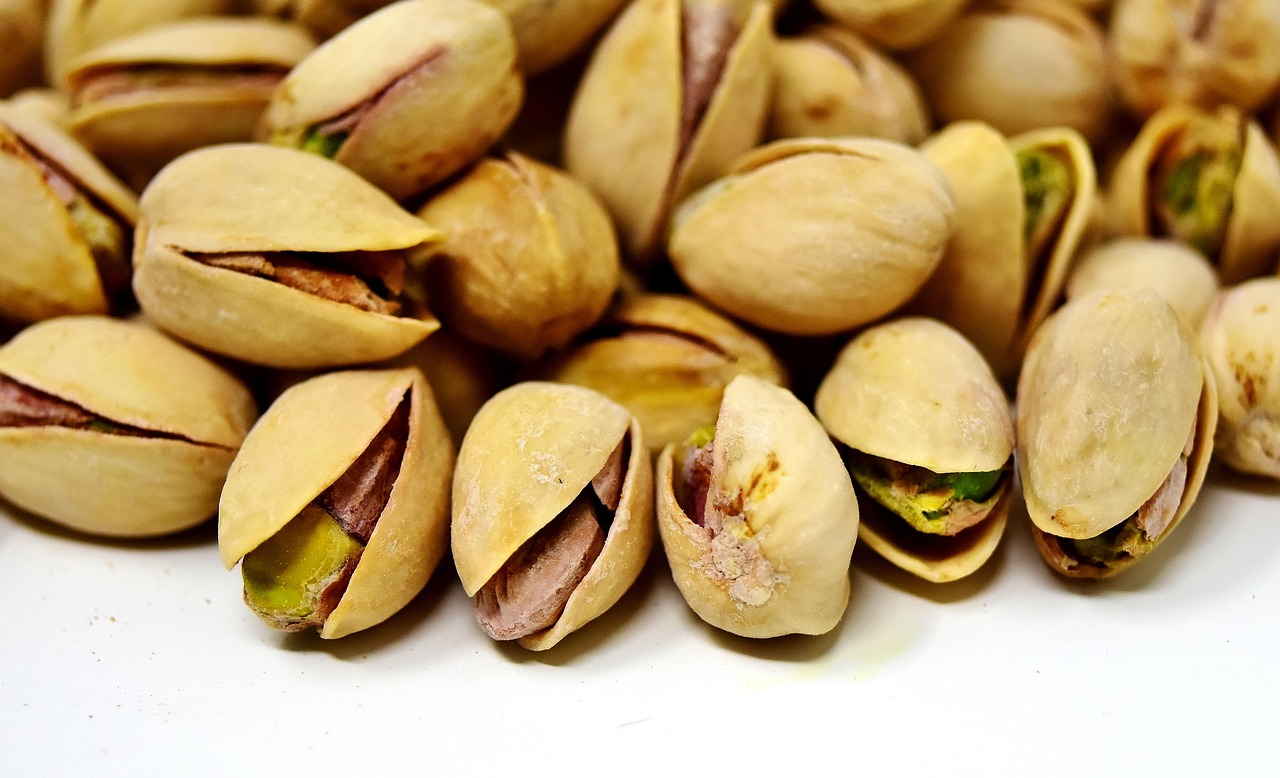
Pistachios, known scientifically as Pistacia vera, are one of the oldest flowering nut trees, with a history that stretches back thousands of years. Native to the Middle East and Central Asia, pistachios are thought to have originated in the arid highlands of Iran and Afghanistan. Historical records suggest that pistachios were cultivated as early as 7,000 B.C., making them one of the oldest known nuts consumed by humans. These vibrant green nuts were not only prized for their flavor but also for their perceived medicinal qualities. They were a favorite of royalty — legend has it that the Queen of Sheba forbade commoners from consuming pistachios, reserving them exclusively for the court. In ancient Persia, pistachios symbolized prosperity, and their trees were often grown in royal gardens. As trade routes expanded, particularly the Silk Road, pistachios made their way to China, the Mediterranean, and eventually Europe. Today, their legacy continues as a global commodity, enjoyed in both culinary and health contexts around the world.
Pistachios pack a powerful punch when it comes to nutrition. Despite their small size, these nuts are nutrient-dense and contribute significantly to a balanced diet.
Nutritional Snapshot (per 1 oz / 28 grams):-
Calories: ~160
-
Protein: 6 grams
-
Fat: 13 grams (mostly healthy monounsaturated and polyunsaturated fats)
-
Carbohydrates: 8 grams
-
Fiber: 3 grams
-
Vitamin B6: 25% of the recommended daily intake
-
Thiamine, copper, phosphorus, manganese, potassium, and antioxidants
Pistachios are rich in monounsaturated fats, which help lower bad LDL cholesterol and raise good HDL cholesterol. Their high levels of phytosterols and antioxidants such as lutein and beta-carotene also contribute to improved cardiovascular function.
Weight ManagementContrary to the myth that nuts lead to weight gain, pistachios can aid in weight control. Their combination of fiber, protein, and healthy fats promotes satiety, making you feel full longer.
Blood Sugar RegulationWith a low glycemic index, pistachios are an excellent snack for individuals managing diabetes. They help lower post-meal blood sugar levels when consumed with carbohydrate-rich foods.
Eye and Skin HealthPistachios contain lutein and zeaxanthin, antioxidants vital for eye health and potentially reducing the risk of age-related macular degeneration. Their vitamin E and B6 content also promotes glowing skin and a healthy immune system.
Gut HealthThe fiber in pistachios serves as a prebiotic, feeding beneficial gut bacteria and supporting digestive health.
While pistachios offer numerous health benefits, there are also potential drawbacks to be aware of.
Caloric DensityPistachios are calorie-dense. Overconsumption can lead to excessive caloric intake, which may contribute to weight gain if not accounted for within a balanced diet. Moderation is key.
Allergic ReactionsPistachios are tree nuts, and like other nuts, they can trigger allergic reactions in sensitive individuals. Symptoms range from mild (rash, hives) to severe (anaphylaxis), and caution is advised for anyone with nut allergies.
AflatoxinsImproper storage of pistachios can lead to the growth of aflatoxins, toxic compounds produced by mold (Aspergillus flavus). These toxins are carcinogenic and pose health risks if consumed in large amounts. Reputable growers and processors follow strict guidelines to minimize this risk.
High Sodium (Salted Varieties)Salted pistachios can contribute to high sodium intake, which is associated with hypertension and heart disease. Opting for unsalted or lightly salted versions is a healthier choice.
Pistachios thrive in hot, dry climates and require long, hot summers and cool winters for optimal growth. They are primarily grown in areas with semi-arid climates.
The U.S., particularly California, has become a major global producer of pistachios, often vying with Iran for the top spot. California’s Central Valley provides ideal growing conditions, and American pistachios are prized for consistent quality and availability.
Turkey is another significant producer, especially in the southeastern region around Gaziantep. Turkish pistachios tend to be smaller and darker, with a richer flavor often used in desserts like baklava.
Despite recent conflict, Syria remains a notable producer. Its Aleppo region has long been associated with pistachio cultivation.
Countries like Greece, Italy, India, and China are also engaged in pistachio production, though on smaller scales.
Pistachios are as versatile as they are nutritious. They appear in a wide array of global cuisines:
-
Middle Eastern dishes: Pistachios are used in pilafs, kebabs, and desserts like baklava and halva.
-
Indian cuisine: Ground pistachios flavor sweets like kulfi and barfi.
-
Western dishes: They're found in ice creams, salads, roasted snacks, and baked goods.
Culturally, pistachios are a symbol of hospitality and celebration in many regions. In Iran, they're part of the traditional New Year (Nowruz) feast. In Italy, Sicilian pistachios from Bronte are revered as gourmet ingredients.
From the deserts of ancient Persia to orchards in modern California, pistachios have traveled across millennia and continents. Their delightful flavor, nutrient richness, and cultural depth make them more than just a snack — they are a legacy of human cultivation and healthful living. While moderation is key due to their high caloric content, incorporating pistachios into a balanced diet can bring a bounty of health benefits. Whether enjoyed raw, roasted, sweetened, or spiced, pistachios remain one of nature’s most delightful gifts.