






Power of Protein
Ultimate Guide to Eating for Strength, Longevity, Weight Management, and a Healthier Life
11/14/2026
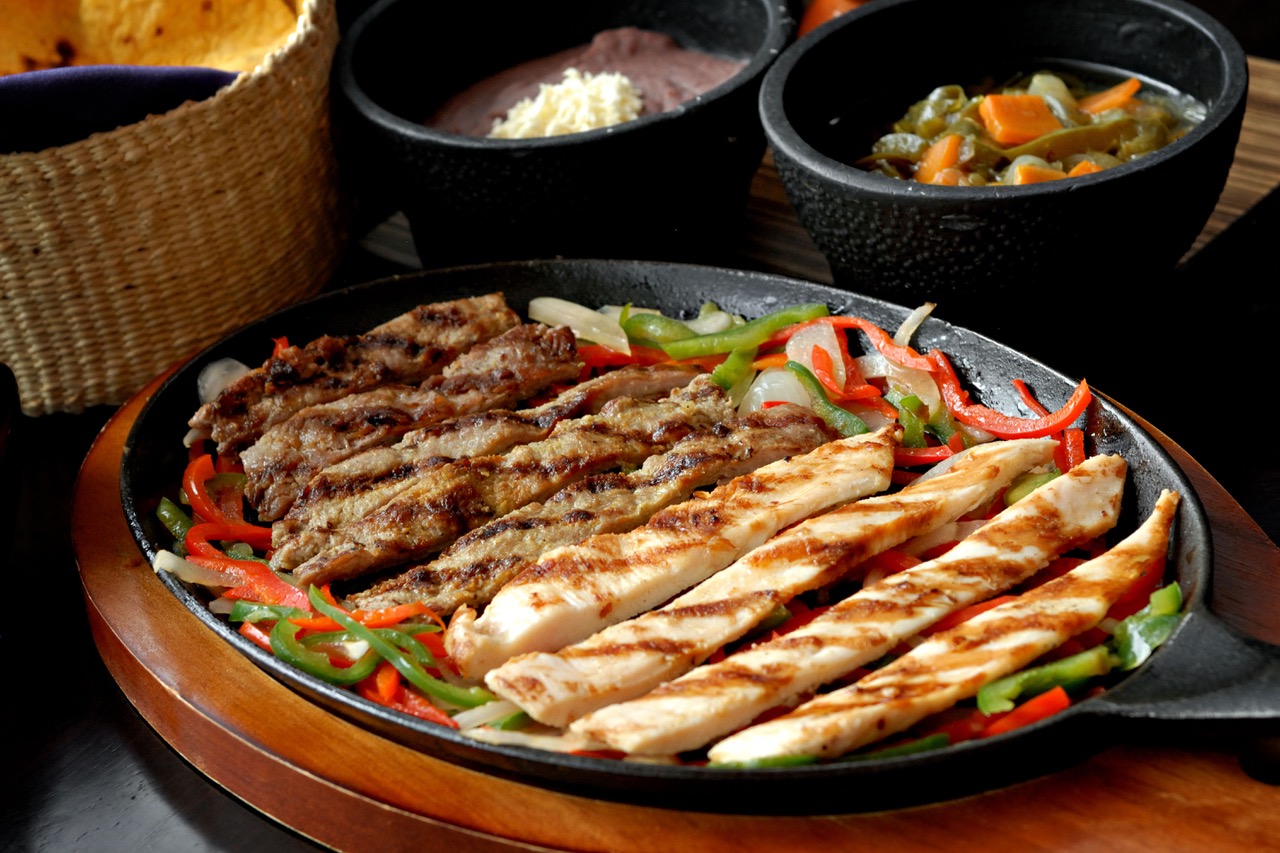
From preserving muscle and maintaining a healthy weight to supporting the immune system and promoting healthy aging, protein is one of the body's most essential nutrients. Yet choosing the right sources, understanding how much we truly need, and knowing when to eat protein can make an extraordinary difference in our long-term health.
The Protein Revolution: Why What We Eat Matters More Than Ever
For decades, dietary advice has shifted between reducing fat, eliminating carbohydrates, counting calories, and embracing various eating trends. Through it all, one nutritional principle has remained remarkably consistent: protein is indispensable to maintaining a strong, healthy body.
Today, growing scientific interest in protein has brought renewed attention to its role in preserving muscle mass, supporting metabolism, promoting recovery, and maintaining independence as we age. Unlike fashionable diets that promise dramatic results through restrictive eating, a well-balanced, protein-rich diet offers something considerably more valuable: a sustainable approach to lifelong health.
Protein is present in virtually every cell of the human body. It contributes to the development and repair of muscles, the formation of enzymes and hormones, the maintenance of skin and connective tissue, and the production of antibodies that help defend against illness.
However, not all protein sources are nutritionally equivalent. A meal featuring salmon, vegetables, and whole grains provides a substantially different nutritional profile from one centered on processed meats, refined carbohydrates, and saturated fats.
The most effective protein diet is therefore not simply about consuming more protein. It is about selecting the right foods, incorporating them into a balanced eating pattern, and understanding how nutritional needs change throughout life.
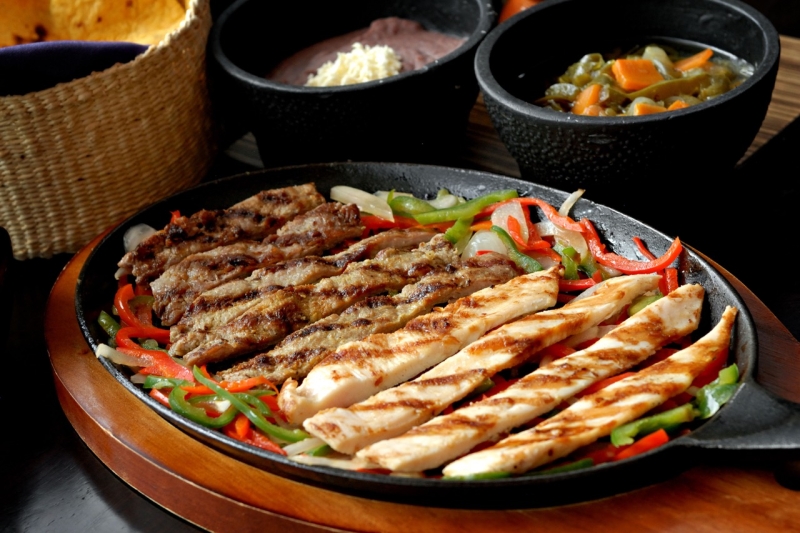
How Much Protein Does the Body Really Need?
The amount of protein required varies considerably depending on age, body weight, physical activity, and overall health. For generally healthy adults, the established Recommended Dietary Allowance is approximately 0.8 grams of protein per kilogram of body weight daily. This represents a baseline intended to meet the needs of most healthy adults, rather than necessarily the optimal amount for building muscle or maintaining strength in later life.
Many nutrition and aging specialists recommend that healthy older adults consider approximately 1.0 to 1.2 grams per kilogram of body weight daily, particularly when maintaining muscle mass and physical function is a priority. Those engaged in regular resistance training may benefit from higher amounts, depending on individual circumstances.
For perspective, a person weighing 175 pounds, or approximately 79 kilograms, would have a baseline recommended intake of about 64 grams daily. Using the higher range often recommended for healthy older adults, that amount would increase to approximately 79–95 grams.
Body Weight | Adult Baseline (0.8 g/kg) | Older Adult Range (1.0–1.2 g/kg) |
130 pounds | 47 g | 59–71 g |
150 pounds | 54 g | 68–82 g |
175 pounds | 64 g | 79–95 g |
200 pounds | 73 g | 91–109 g |
225 pounds | 82 g | 102–122 g |
These are general estimates, not individualized prescriptions. People with chronic kidney disease, certain metabolic disorders, or other medical conditions may need different protein targets.
Equally important is how protein is distributed throughout the day. Rather than consuming very little protein at breakfast and lunch followed by a large steak at dinner, many older adults may benefit from including meaningful portions at each principal meal.
A breakfast containing eggs and Greek yogurt, a lunch featuring fish or chicken, and a dinner incorporating lean protein and vegetables can provide a consistent supply of amino acids throughout the day.
The Mediterranean Diet: An Excellent Foundation for Healthy Protein
Among the many dietary approaches promoted for better health, the Mediterranean diet stands apart because of its extensive scientific support and emphasis on minimally processed foods. Its foundation includes fish, vegetables, fruits, legumes, nuts, olive oil, and whole grains, with moderate amounts of poultry, eggs, and dairy products. Red meat is generally consumed less frequently, while processed meats are minimized.
The Mediterranean diet is not traditionally a high-protein diet. However, it can be adapted to provide sufficient protein while retaining its heart-healthy characteristics. Research has associated Mediterranean-style eating patterns with improved cardiovascular outcomes and a reduced risk of several chronic diseases. Its combination of unsaturated fats, dietary fiber, antioxidants, and nutrient-rich protein sources makes it particularly appealing for those interested in healthy aging.
Consider a dinner featuring grilled salmon, roasted asparagus, lentils, and a modest serving of quinoa, finished with extra-virgin olive oil and fresh lemon. Such a meal provides high-quality protein, beneficial fats, fiber, vitamins, and minerals without relying heavily on saturated fat. The guiding principle is simple: choose protein sources that contribute to overall health rather than focusing exclusively on the number of grams they contain.

The Finest Animal Proteins: What Deserves a Place on the Table?
Salmon: A Nutritional Standout
Few foods offer the combination of protein and beneficial fats found in salmon. A typical cooked four-ounce portion provides approximately 25 grams of protein, along with omega-3 fatty acids that support cardiovascular health. Salmon also supplies vitamin B12, selenium, and, depending on the species, meaningful amounts of vitamin D. The omega-3 fats EPA and DHA are particularly noteworthy because they contribute to normal cellular function and can help reduce elevated triglyceride levels.
Salmon can be baked, grilled, poached, or prepared in an air fryer. A simple combination of olive oil, lemon, garlic, and fresh herbs provides flavor without requiring heavy sauces. Other excellent fatty fish choices include sardines, trout, herring, and Atlantic mackerel.
Sardines: Small Fish, Exceptional Nutrition
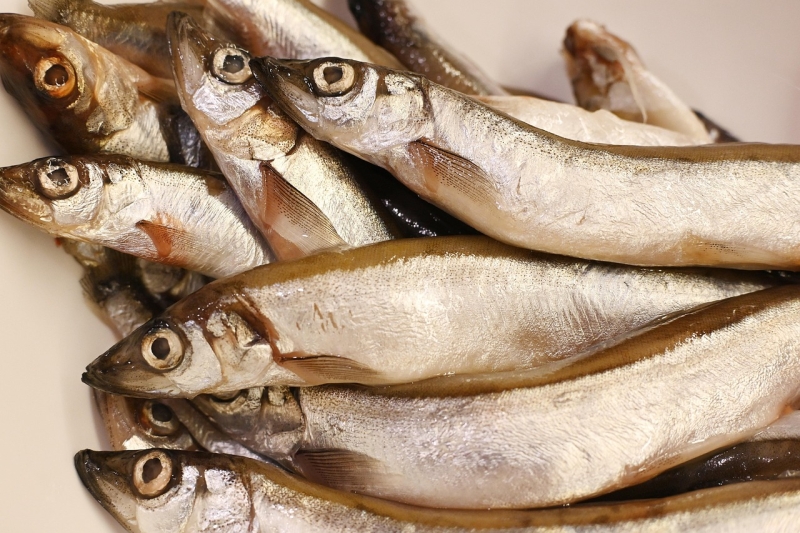
Often overlooked in favor of more expensive seafood, sardines are among the most nutrient-dense protein foods available. A typical small can provides approximately 20–23 grams of protein, depending on its size, along with omega-3 fatty acids, vitamin B12, and selenium. Sardines containing edible bones also provide substantial calcium.
Because they are small, relatively short-lived fish, sardines generally accumulate less mercury than large predatory species. Served over whole-grain toast with sliced tomatoes, lemon, and olive oil, they make an economical and nourishing lunch.
Eggs: A Nearly Complete Nutritional Package
Eggs remain one of the most convenient and versatile sources of high-quality protein. One large egg contains approximately 6–7 grams of protein and provides all nine essential amino acids. Eggs also contain choline, an important nutrient involved in normal brain and nervous system function. Two eggs at breakfast contribute approximately 12–14 grams of protein. Adding plain Greek yogurt or another protein-rich food can create a more substantial meal.
For most healthy individuals, eggs can fit into a balanced diet. Those with elevated LDL cholesterol, diabetes, or cardiovascular disease should consider their overall dietary pattern and individual medical guidance rather than assuming that unlimited egg consumption is beneficial.
Preparation matters. Poached or boiled eggs served with vegetables and whole-grain toast offer a different nutritional profile from eggs accompanied by bacon, sausage, and buttered pastries.
Chicken and Turkey: Lean, Reliable Protein
Skinless chicken and turkey breast are excellent sources of protein with relatively modest amounts of saturated fat. A cooked four-ounce serving of chicken breast typically provides approximately 35 grams of protein. Poultry also supplies niacin, vitamin B6, phosphorus, and selenium. Grilled chicken with roasted vegetables, turkey served over a salad, or homemade chicken soup with beans and vegetables can be incorporated into a healthy weekly eating plan. Fresh, minimally processed poultry is preferable to heavily processed deli meats, which can contain substantial sodium and preservatives.
Greek Yogurt: Protein with Additional Benefits
Plain Greek yogurt is particularly useful for individuals who want more protein without preparing an elaborate meal. A typical serving of approximately three-quarters to one cup provides around 15–23 grams of protein, depending on the brand and formulation. Greek yogurt also provides calcium and, when made with live cultures, beneficial microorganisms associated with fermented foods.
Choose plain varieties without added sugar. Fresh berries, cinnamon, walnuts, or a small portion of oats can provide natural flavor and additional nutrients. For individuals who tolerate dairy well, Greek yogurt is one of the simplest ways to increase breakfast protein.

Cottage Cheese: A Traditional Food Worth Rediscovering
Cottage cheese has returned to prominence as a practical source of concentrated protein. One cup commonly provides approximately 24–28 grams, depending on the product. It contains casein, a milk protein digested more slowly than some other protein sources. This makes cottage cheese a convenient option for a satisfying snack or light evening meal. Lower-sodium varieties are worth considering because certain brands contain surprisingly high amounts of salt.
What About Beef and Steak?
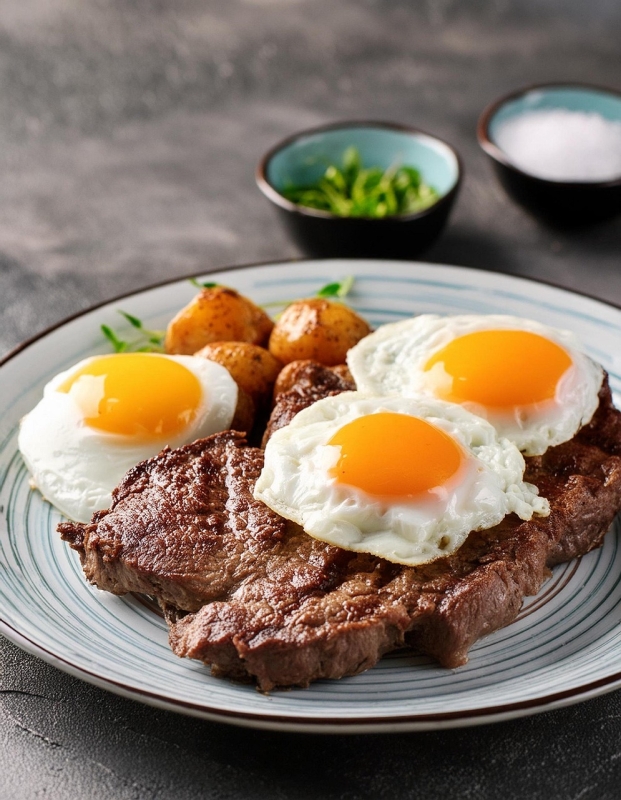
For those who enjoy a well-prepared steak, beef need not disappear from the menu. The more important questions are which cuts to select, how frequently to eat them, and what accompanies the meal. Lean beef provides complete protein, iron, zinc, and vitamin B12. A cooked four-ounce serving of lean beef commonly contains approximately 28–32 grams of protein.
However, some cuts are considerably higher in saturated fat than others. Ribeye, prized for its rich marbling and flavor, generally contains more saturated fat than sirloin, tenderloin, or eye of round. Consuming large quantities of saturated fat can raise LDL cholesterol, an established contributor to cardiovascular disease.
For a healthier approach, consider smaller portions of lean steak, accompanied by vegetables and a high-fiber side dish rather than French fries or heavy cream sauces. A steak weighing four to six ounces can provide ample protein without requiring the oversized portions commonly served in restaurants.
Beef can be enjoyed occasionally within a Mediterranean-style eating pattern, but fish, legumes, and other plant proteins should generally occupy a more prominent place in the weekly menu.
Processed meats such as bacon, sausage, hot dogs, and certain deli meats deserve greater caution. The World Health Organization's International Agency for Research on Cancer classifies processed meat as carcinogenic to humans, based on evidence linking consumption to colorectal cancer. This classification identifies the strength of the evidence, not an equivalence in risk to smoking.
The Remarkable Benefits of Plant-Based Protein
One of the most important developments in modern nutritional research is the recognition that plant proteins can contribute substantially to a healthy, protein-rich diet. Beans, lentils, soybeans, nuts, seeds, and whole grains provide protein together with dietary fiber, minerals, and a variety of beneficial plant compounds. Unlike most animal foods, plant proteins frequently arrive packaged with significant amounts of fiber, which supports digestive health, helps regulate blood sugar, and can contribute to healthier cholesterol levels.
Lentils: An Exceptional Everyday Food
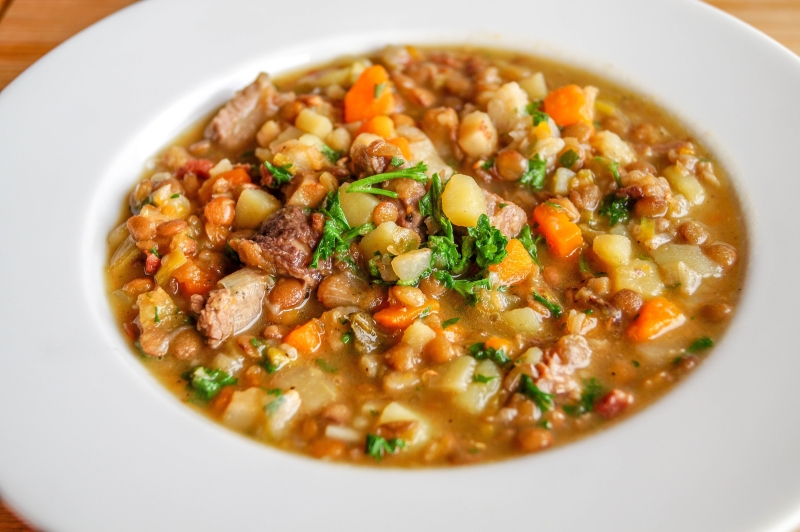
One cup of cooked lentils provides approximately 18 grams of protein and about 15 grams of dietary fiber. They are also rich in folate, potassium, and iron. Lentils can be incorporated into soups, salads, vegetable dishes, and Mediterranean-inspired meals. Their combination of protein and fiber makes them especially satisfying.
Beans: Affordable and Nutritionally Powerful
Black beans, kidney beans, chickpeas, and other legumes are among the most economical sources of protein. One cup of cooked beans commonly provides approximately 13–17 grams of protein, depending on the variety. Regular consumption of legumes can help improve overall dietary quality, particularly when beans replace processed meats or refined carbohydrates. For individuals unaccustomed to high-fiber foods, gradually increasing bean consumption can reduce digestive discomfort.
Tofu, Tempeh, and Edamame
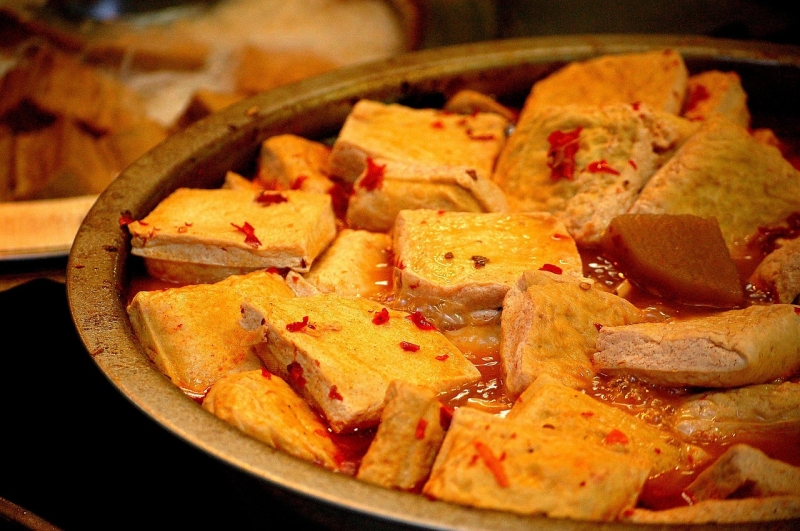
Soy foods provide complete protein containing all nine essential amino acids. A half-cup serving of firm tofu often provides approximately 10–20 grams of protein, depending on the product. Tempeh, a fermented soybean product, generally contains even more protein per serving.
Edamame, or young soybeans, makes a nutritious appetizer or snack. Current evidence indicates that traditional soy foods can be safely included in most people's diets and may offer cardiovascular benefits when substituted for foods high in saturated fat.
Nuts and Seeds
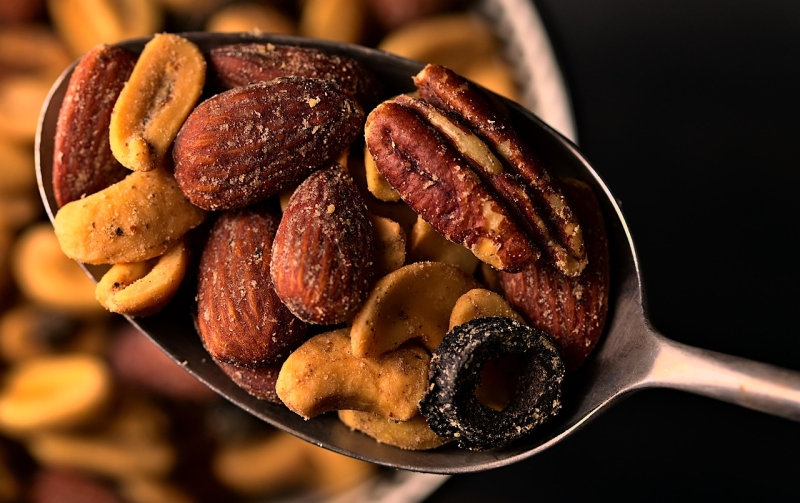
Almonds, walnuts, pistachios, pumpkin seeds, chia seeds, and hemp seeds all contribute protein, although they should generally be viewed as complementary sources rather than the foundation of a high-protein meal. An ounce of almonds provides approximately 6 grams of protein, while an ounce of pumpkin seeds can provide around 8–9 grams.
Nuts also contain beneficial unsaturated fats, and several varieties provide fiber and important minerals. Because they are calorie-dense, moderate portions are generally appropriate, particularly for those managing their weight.
The Best Protein Foods at a Glance
The following amounts are approximate and vary with portion size, brand, and preparation.
Food | Typical Serving | Protein |
Chicken breast, cooked | 4 oz | 35 g |
Lean beef, cooked | 4 oz | 28–32 g |
Salmon, cooked | 4 oz | 25 g |
Tuna, cooked | 4 oz | 28–30 g |
Sardines | 1 small can | 20–23 g |
Plain Greek yogurt | 1 cup | 20–23 g |
Cottage cheese | 1 cup | 24–28 g |
Eggs | 2 large | 12–14 g |
Lentils, cooked | 1 cup | 18 g |
Chickpeas, cooked | 1 cup | 14–15 g |
Edamame, cooked | 1 cup | 18 g |
Firm tofu | ½ cup | 10–20 g |
Almonds | 1 oz | 6 g |
Protein and Aging: Preserving Strength, Mobility, and Independence
Perhaps the most compelling reason to pay attention to protein intake emerges as we grow older.
Beginning in middle age, adults gradually lose skeletal muscle unless they actively work to preserve it. This process can accelerate in later decades and contribute to sarcopenia, the age-related loss of muscle mass and function.
Reduced muscle strength is associated with greater difficulty climbing stairs, rising from chairs, maintaining balance, and performing everyday activities. In advanced cases, diminished muscle function increases vulnerability to falls, disability, and loss of independence.
Adequate protein, combined with regular resistance exercise, can help slow or counteract these changes. Protein provides the amino acids necessary for muscle repair and growth, while resistance training supplies the stimulus that encourages muscles to adapt.
Neither is a complete substitute for the other. A person who eats sufficient protein but remains largely sedentary may continue losing strength. Conversely, someone who exercises regularly but consumes inadequate protein may struggle to maintain or build muscle.
For older adults, the combination of adequate nutrition and appropriately supervised strength training can be particularly valuable. Simple activities such as resistance-band exercises, light weightlifting, chair rises, and carefully selected leg-strengthening movements can support muscle function.
Individuals with joint disease, balance difficulties, or cardiovascular limitations should choose exercises appropriate to their medical circumstances.
Importantly, maintaining muscle strength is not merely a cosmetic goal. It is an investment in the ability to remain active, mobile, and independent.
Can a High-Protein Diet Help Control Weight?
Protein has several characteristics that make it useful for weight management. First, protein generally promotes greater satiety than an equivalent amount of refined carbohydrate. A meal containing fish, chicken, eggs, or legumes may help an individual feel satisfied for longer.
Second, the body expends more energy digesting and metabolizing protein than it does processing dietary fat, although this effect is not large enough to guarantee weight loss.
Third, adequate protein helps preserve lean muscle during periods of calorie restriction, especially when combined with resistance exercise.
This is important because losing weight through severe calorie restriction can result in the loss of both fat and muscle. For older adults, losing substantial muscle mass may be especially undesirable. The most effective weight-management strategy is therefore not simply to eat more protein. It is to consume sufficient protein within an appropriate overall calorie intake, while emphasizing vegetables, fruit, legumes, whole grains, and healthy fats.
Highly restrictive diets that eliminate entire food groups are generally unnecessary for achieving these benefits.
Is Protein Powder Necessary?
The enormous popularity of protein powders has created the impression that a healthy diet is incomplete without supplementation. For many individuals, this is simply not the case.
A breakfast of Greek yogurt and eggs, a lunch featuring chicken or lentils, and a dinner containing salmon can provide substantial protein without a single scoop of powder. Nevertheless, protein supplements can be useful for people with limited appetites, difficulty preparing meals, or increased protein requirements.
Whey protein, derived from milk, is widely used because it contains all essential amino acids and is particularly rich in leucine, an amino acid involved in stimulating muscle protein synthesis. Casein protein is absorbed more slowly, while soy protein provides a complete plant-based alternative. Pea protein can also be useful, particularly when formulated to provide sufficient essential amino acids.
When selecting a supplement, look for a product with clearly stated protein content, limited added sugar, and independent quality testing, such as NSF Certified for Sport or another reputable verification program.
Protein powders should complement a nutritious diet rather than replace whole foods unnecessarily. Some powders contain sugar alcohols, inulin, artificial sweeteners, or other additives that may cause bloating or gastrointestinal discomfort in susceptible individuals.
More protein is not automatically better, and excessively high intakes provide no guaranteed additional benefit.
Timing Matters: Breakfast, Lunch, and Dinner
A common eating pattern involves consuming a carbohydrate-heavy breakfast, a modest lunch, and the majority of the day's protein at dinner. For individuals trying to preserve muscle, particularly older adults, distributing protein more evenly may be helpful.
Research suggests that meals containing roughly 25–35 grams of high-quality protein can support muscle protein synthesis in many adults, although the ideal amount varies with body size, age, activity, and the composition of the meal.
A breakfast consisting solely of toast and coffee might provide only a few grams of protein. By comparison, two eggs accompanied by Greek yogurt can provide approximately 25–30 grams.
A lunch featuring grilled chicken or a generous serving of lentils can contribute another substantial portion, while fish or lean meat at dinner can complete the day's intake.
There is no universal requirement to eat precisely the same amount at each meal, and total daily protein remains an important consideration. However, thoughtfully distributing protein intake can make adequate nutrition easier to achieve.
A Seven-Day Protein-Rich Mediterranean Meal Plan
The following menu illustrates how a varied diet can provide meaningful protein without relying on excessive red meat or restrictive eating practices.
Monday
Breakfast: Two eggs, plain Greek yogurt, and fresh berries.
Lunch: Grilled chicken breast over mixed greens with avocado, tomatoes, and olive oil dressing.
Dinner: Baked salmon with asparagus, quinoa, and roasted carrots.
Tuesday
Breakfast: Cottage cheese with blueberries and walnuts.
Lunch: Lentil soup with a side salad and whole-grain bread.
Dinner: Grilled turkey breast with broccoli and a baked sweet potato.
Wednesday
Breakfast: Greek yogurt with oats, chia seeds, and sliced strawberries.
Lunch: Sardines on whole-grain toast with tomato and lemon.
Dinner: Lean sirloin steak with sautéed spinach, roasted vegetables, and a small serving of brown rice.
Thursday
Breakfast: Vegetable omelet with two eggs, an additional egg white, and a serving of fruit.
Lunch: Chickpea and tuna salad with cucumber, tomatoes, parsley, and olive oil.
Dinner: Grilled chicken with green beans and a quinoa salad.
Friday
Breakfast: Cottage cheese, sliced peaches, and a small portion of almonds.
Lunch: Tofu and vegetable stir-fry with brown rice.
Dinner: Baked trout with roasted Brussels sprouts and lentils.
Saturday
Breakfast: Greek yogurt with walnuts and fresh berries, accompanied by a boiled egg.
Lunch: Turkey and avocado sandwich on whole-grain bread with a side salad.
Dinner: Grilled shrimp with vegetables and a modest portion of whole-grain pasta.
Sunday
Breakfast: Scrambled eggs with smoked salmon, spinach, and whole-grain toast.
Lunch: White bean and vegetable soup with a side of cottage cheese.
Dinner: Roast chicken with cauliflower, green beans, and a small baked potato.
This plan is illustrative rather than a precisely calculated prescription. Portion sizes should be adjusted for individual calorie needs, activity levels, and protein goals. Those seeking a specific daily protein target should calculate the portions and protein totals rather than assuming that every day's menu provides an identical amount.
Foods That Can Undermine the Benefits of a Protein-Rich Diet
A high-protein diet is not necessarily a healthy diet. One of the greatest nutritional mistakes is assuming that all foods containing substantial protein offer the same long-term benefits.
Processed meats may provide ample protein but can also contain large quantities of sodium, saturated fat, and compounds associated with adverse health outcomes. Similarly, a diet dominated by fatty meats, butter, cheese, and other saturated-fat-rich foods may raise LDL cholesterol in susceptible individuals.
Protein bars and ready-to-drink shakes can contain substantial added sugar, sugar alcohols, or calories that undermine weight-management goals.
Deep-fried fish and chicken may contain excellent protein but also unnecessary calories and less favorable fat profiles. Another common mistake is eliminating fruits, vegetables, and whole grains in the pursuit of maximum protein consumption.
These foods provide fiber, potassium, antioxidants, and numerous other nutrients essential to long-term health. The healthiest dietary approach does not place protein in competition with vegetables and whole grains. It combines them.
Protein and Kidney Health: Understanding the Precautions
For most healthy adults, moderate increases in protein intake are generally well tolerated. However, people with chronic kidney disease may require carefully individualized protein recommendations.
The kidneys help remove waste products generated during protein metabolism, and excessive protein intake can complicate management of certain kidney conditions. It is therefore important not to adopt a very high-protein diet without medical guidance when kidney function is impaired.
Individuals with diabetes, hypertension, or other conditions associated with kidney disease may benefit from discussing kidney function and protein goals with their healthcare providers.
Hydration is also important, although drinking excessive amounts of water does not make an otherwise inappropriate protein intake safe. The objective should always be sufficient protein, not the highest possible intake.
Beyond Protein: The Other Ingredients of Longevity
Protein is essential, but it is only one component of a dietary pattern associated with healthy aging. Vegetables and fruits supply vitamins, minerals, and phytochemicals that support normal physiological function. Whole grains and legumes provide fiber that contributes to digestive health and can help lower cholesterol.
Extra-virgin olive oil, nuts, seeds, and fatty fish provide unsaturated fats that support cardiovascular health. Calcium and vitamin D are important for bone health, while regular physical activity supports muscle strength, balance, and metabolic function.
Sleep, stress management, avoidance of tobacco, and appropriate medical care also play major roles in long-term health. No single nutrient can compensate for an otherwise poor lifestyle.Indeed, the most compelling evidence for longevity generally concerns overall dietary patterns rather than isolated foods or supplements.
The Final Word: A Smarter Way to Eat for Life
The best protein diet is not the one containing the largest steak, the most expensive supplement, or the greatest number of protein grams It is the one that consistently provides sufficient high-quality protein while supporting cardiovascular health, muscle strength, metabolic function, and overall nutritional balance.
For many adults, particularly those approaching or enjoying their later years, a protein-conscious Mediterranean-style diet offers an especially sensible foundation.
Fish, eggs, Greek yogurt, poultry, beans, lentils, tofu, nuts, and occasional portions of lean red meat can all contribute to a varied and satisfying menu. Equally important is the decision to reduce processed meats, excessive saturated fat, refined carbohydrates, and heavily processed foods.
Combined with regular physical activity and appropriate strength training, adequate protein intake can help preserve the physical capabilities that make independent living and an active lifestyle possible.
Ultimately, the goal of healthy eating should not simply be to add years to life, but to preserve the strength, mobility, vitality, and well-being that allow those years to be fully enjoyed. Good nutrition is not about eating more of everything. It is about choosing more wisely, consistently, and with an appreciation for the extraordinary influence food can have on the quality of our lives.
Editorial note: This article provides general nutritional information and should not replace individualized medical advice, particularly for readers with kidney disease or other conditions requiring dietary modification.
