






Protein Powder
Are they harmful or helpful - plant based or not
5/6/2026
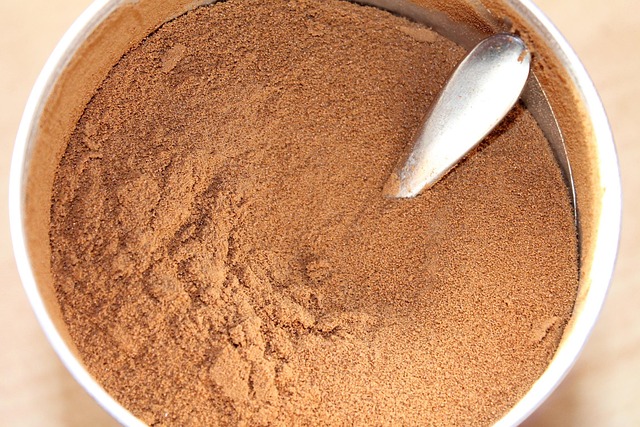
In today’s health-conscious world, protein powders have become one of the most widely consumed nutritional supplements on the market. Once primarily associated with bodybuilders and elite athletes, protein powders are now found in kitchens, offices, coffee shops, and fitness studios across the globe. Smoothie bars proudly advertise protein-enhanced beverages, grocery store shelves are lined with colorful tubs and packets, and social media influencers frequently promote protein shakes as part of a healthy lifestyle.
But as their popularity has grown, so too have questions surrounding their true value. Are protein powders genuinely beneficial for health and wellness, or are they simply another over-marketed trend? Can they help people build muscle, lose weight, and age more gracefully? Or might excessive consumption lead to digestive discomfort, nutritional imbalance, or hidden health concerns?
The answer, as with many health topics, is not entirely simple.
Protein powders can indeed be helpful when used appropriately and thoughtfully. They can support muscle repair, aid recovery, supplement poor diets, and assist certain individuals with increased nutritional demands. Yet they can also become problematic when overused, poorly sourced, or consumed without understanding the body’s actual needs.Understanding protein powders requires a closer look at what protein is, why the human body depends upon it, how these supplements are manufactured, and which populations may benefit most — or least — from their use.
Understanding Protein and Its Role in the Human Body
Protein is one of the three primary macronutrients required for human survival, alongside carbohydrates and fats. It serves as a fundamental building block for muscles, skin, organs, hormones, enzymes, and even the immune system.
Every cell in the human body contains protein. Without adequate protein intake, the body struggles to repair tissues, maintain muscle mass, support immune function, and sustain healthy metabolism.
Protein itself is composed of amino acids — often referred to as the “building blocks of life.” Some amino acids are produced naturally within the body, while others, known as essential amino acids, must come from dietary sources.
Traditionally, people obtained sufficient protein through foods such as:
• FishPoultry
• Lean meats
• EggsDairy products
• Beans and legumes
• Nuts and seeds
• Whole grains
However, modern lifestyles have dramatically changed eating patterns. Busy schedules, processed foods, dieting trends, and meal skipping have caused many individuals to seek faster and more convenient nutritional solutions. Protein powders emerged as an easy method to increase protein intake without extensive meal preparation.
The Rise of the Protein Powder Industry
The protein supplement industry has evolved into a multi-billion-dollar global business. Fitness culture, social media marketing, and the pursuit of youthful appearance have all fueled this explosive growth.
What was once considered a niche body building supplement is now marketed toward:
• Seniors
• Women
• Teen athletes
• Busy professionals
• Vegetarians and vegans
• Weight-loss seekers
• Post-surgery patients
• Wellness enthusiasts
Protein products now appear in:
• Shakes
• Bars
• Pancake mixes
• Coffee creamers
• Yogurts
• Cereals
• Snack foods
Manufacturers often promote protein powders as tools for:
• Faster muscle growth
• Fat burning
• Appetite control
• Healthy aging
• Improved athletic performance
• Better recovery
• Increased energy
While many of these claims contain elements of truth, marketing frequently exaggerates benefits while minimizing limitations or potential drawbacks.
The Most Common Types of Protein Powders
Not all protein powders are created equally. Different types vary significantly in quality, digestibility, amino acid composition, and manufacturing methods.
Whey Protein
Whey protein is one of the most popular forms available. Derived from milk during cheese production, whey contains all essential amino acids and is rapidly absorbed by the body.
It is commonly favored for:
• Muscle recovery
• Athletic performance
• Post-workout nutrition
There are several forms:
• Whey concentrate
• Whey isolate
• Hydrolyzed whey
Whey isolate contains less lactose and fat, making it easier for some individuals to digest.
However, people sensitive to dairy may still experience:
• Bloating
• Gas
• Cramping
• Digestive discomfort
Casein Protein
Also derived from milk, casein digests more slowly than whey. Because it releases amino acids gradually, it is often consumed before bedtime to support overnight muscle recovery.
Casein may help:
• Reduce muscle breakdown
• Promote satiety
• Support long-term recovery
Yet it can also trigger digestive issues in individuals sensitive to dairy proteins.
Plant-Based Protein Powders
Plant-based proteins have become increasingly popular, especially among vegetarians, vegans, and health-conscious consumers.
Common sources include:
•Pea protein
• Brown rice protein
• Hemp protein
• Soy protein
• Pumpkin seed protein
These products often contain fiber and fewer dairy-related digestive issues. However, some plant proteins may lack complete amino acid profiles unless carefully blended. Quality varies enormously between brands.
Collagen Protein
Collagen supplements have surged in popularity due to claims involving:
• Skin elasticity
• Joint support
• Hair health
• Nail strength
Collagen is not considered a complete protein because it lacks certain essential amino acids, but it may provide specialized support for connective tissues.
Potential Benefits of Protein Powders
When used appropriately, protein powders can offer meaningful health advantages.
Muscle Recovery and Growth
Protein plays a critical role in repairing muscle tissue after exercise. Athletes and active individuals often require increased protein intake to support muscle maintenance and recovery.
Protein shakes consumed after exercise may help:
• Accelerate recovery
• Reduce muscle soreness
• Promote lean muscle development
This is particularly valuable for aging adults, who naturally lose muscle mass over time through a condition known as sarcopenia.
Convenience for Busy Lifestyles
Modern life often leaves little time for balanced meal preparation. Protein powders provide a fast, portable source of nutrition that can be mixed within seconds.
For some individuals, especially those with hectic schedules, this convenience may help prevent unhealthy fast-food choices.
Support During Weight Loss
Protein can increase feelings of fullness and satisfaction. Higher protein intake may reduce hunger and help individuals consume fewer calories overall.
Many weight-loss programs incorporate protein shakes because they:•
Stabilize appetite
• Support muscle preservation during calorie restriction
• Reduce snacking tendencies
However, results depend heavily upon total dietary habits.
Healthy Aging Support
As people age, maintaining muscle mass becomes increasingly important for:
• Mobility
• Strength
• Bone health
• Metabolic function
Older adults sometimes struggle to consume enough dietary protein due to:
•Reduced appetite
• Dental issues
• Digestive concerns
•Limited food preparation ability
Protein supplements may help bridge nutritional gaps when regular meals are insufficient.
Potential Concerns and Hidden Risks
Despite their popularity, protein powders are not without concerns.
Digestive Problems:
Many individuals experience:
• Bloating
• GasStomach discomfort
•Constipation
This is particularly common with:
• Whey protein
• Artificial sweeteners
• Thickening gums
• Excessive intake
Some protein powders contain sugar alcohols or additives that may irritate the digestive tract. For sensitive individuals, certain ingredients can trigger significant gastrointestinal distress.
Excessive Protein Consumption
More protein is not always better.
Many people consume far more protein than their bodies actually require. Excessive intake may contribute to:
• Digestive strain
• Dehydration
• Kidney stress in vulnerable individuals
• Nutritional imbalance
The body can only effectively utilize a certain amount of protein at one time.
Over-reliance on supplements may also reduce consumption of whole foods rich in:
• Vitamins
• Minerals
• Fiber
• Antioxidants
Artificial Ingredients and Additives
Some protein powders contain:
• Artificial flavors
• Artificial colors
•Preservatives
•Added sugars
• Fillers
• Heavy metals
Certain low-quality supplements have tested positive for contaminants including:
• Lead
• Arsenic
• Cadmium
Because supplements are not regulated as strictly as prescription medications, product quality can vary dramatically between brands.
Consumers should seek reputable manufacturers that provide:
•Third-party testing
• Transparent ingredient labeling
• Minimal additives
Hormonal and Allergy Concerns
Soy protein has occasionally raised concerns regarding hormonal effects because soy contains phytoestrogens, though research remains mixed.
Meanwhile, dairy-based proteins may trigger issues in people with:
• Lactose intolerance
• Dairy allergies
• Inflammatory sensitivities
Choosing the wrong type of protein powder can worsen digestive and inflammatory symptoms.
Are Protein Powders Necessary?
One of the biggest misconceptions surrounding protein supplements is that everyone needs them.
In reality, many healthy individuals can easily meet their protein needs through a balanced diet alone.
Whole food protein sources often provide superior nutritional value because they contain:
• Fiber
• Healthy fats
• Micronutrients
• Natural enzymes
Examples include:
• Salmon
• Greek yogurt
• Eggs
• Lentils
• Chicken
• Nuts
• Cottage cheese
Protein powders should generally supplement — not replace — healthy meals.
The Influence of Fitness Marketing
Modern marketing has heavily influenced public perception regarding protein intake.
Fitness influencers frequently promote:
High daily protein goals
Multiple shakes per day
Constant supplementation
This has created the impression that large protein consumption is essential for everyone.
Yet many individuals consuming excessive protein powders are not elite athletes. In some cases, people may be ingesting far beyond their physiological needs.
Marketing campaigns often capitalize upon:
• Body image insecurities
• Aging fears
• Weight-loss stuggles
• Perfomance ambitions
Consumers must distinguish between evidence-based nutrition and aggressive advertising.
Protein Powders and Gut Health
Digestive health has become an increasingly important topic in modern wellness discussions.
Certain protein powders may negatively impact the gut microbiome due to:
• Artificial sweeteners
• Processed additives
• Poor digestibility
Ingredients such as:
• Sucralose
• Xanthan gum
• Carrageenan
may contribute to bloating or digestive irritation in some individuals. Meanwhile, cleaner formulations with fewer ingredients may be significantly easier to tolerate.
Individuals experiencing persistent bloating after protein consumption should consider:
• Reducing intake
• Switching protein sources
• Eliminating artificial additives
• Consulting a healthcare professional
Choosing a Better Protein Powder
For those who choose to use protein supplements, quality matters enormously.
Experts often recommend selecting products with:
• Short ingredient lists
• Minimal sugars
• No artificial dyes
• Third-party testing
• Transparent sourcing
Some individuals may tolerate:
• Grass-fed whey isolate
• Organic pea protein
• Hemp protein
better than heavily processed blends. Consumers should also avoid assuming that more expensive always means healthier.
The Future of Protein Supplements
The protein industry continues evolving rapidly.
Emerging trends include:
• Plant-based innovations
• Personalized nutrition
• Organic formulations
• Functional proteins with probiotics or adaptogens
• Sustainable protein sourcing
As wellness culture expands, consumers are becoming increasingly aware of ingredient quality and digestive health.
The future may place greater emphasis on:
• Transparency
• Clean manufacturing
• Scientific validation
• Sustainability
rather than simply maximizing protein content.
Final Thoughts
Protein powders are neither miracle products nor inherently dangerous substances.
Their true value depends entirely upon:
•Individual health needs
• Product quality
• Quantity consumed
• Overall dietary habits
For athletes, aging adults, and individuals struggling to meet nutritional requirements, protein powders may provide meaningful support. Yet for others, excessive reliance on supplements can contribute to digestive discomfort, unnecessary expense, and nutritional imbalance.
The healthiest approach often lies in moderation and awareness.Whole foods should remain the foundation of good nutrition whenever possible. Protein supplements may serve as useful tools — but they should never replace balanced eating habits, physical activity, hydration, and overall lifestyle wellness.
As consumers become more informed, the conversation surrounding protein powders is shifting from hype toward thoughtful, individualized health decisions. And perhaps that is the most beneficial development of all.