






Raisins
From ancient discovery to modern superfood
4/23/2026
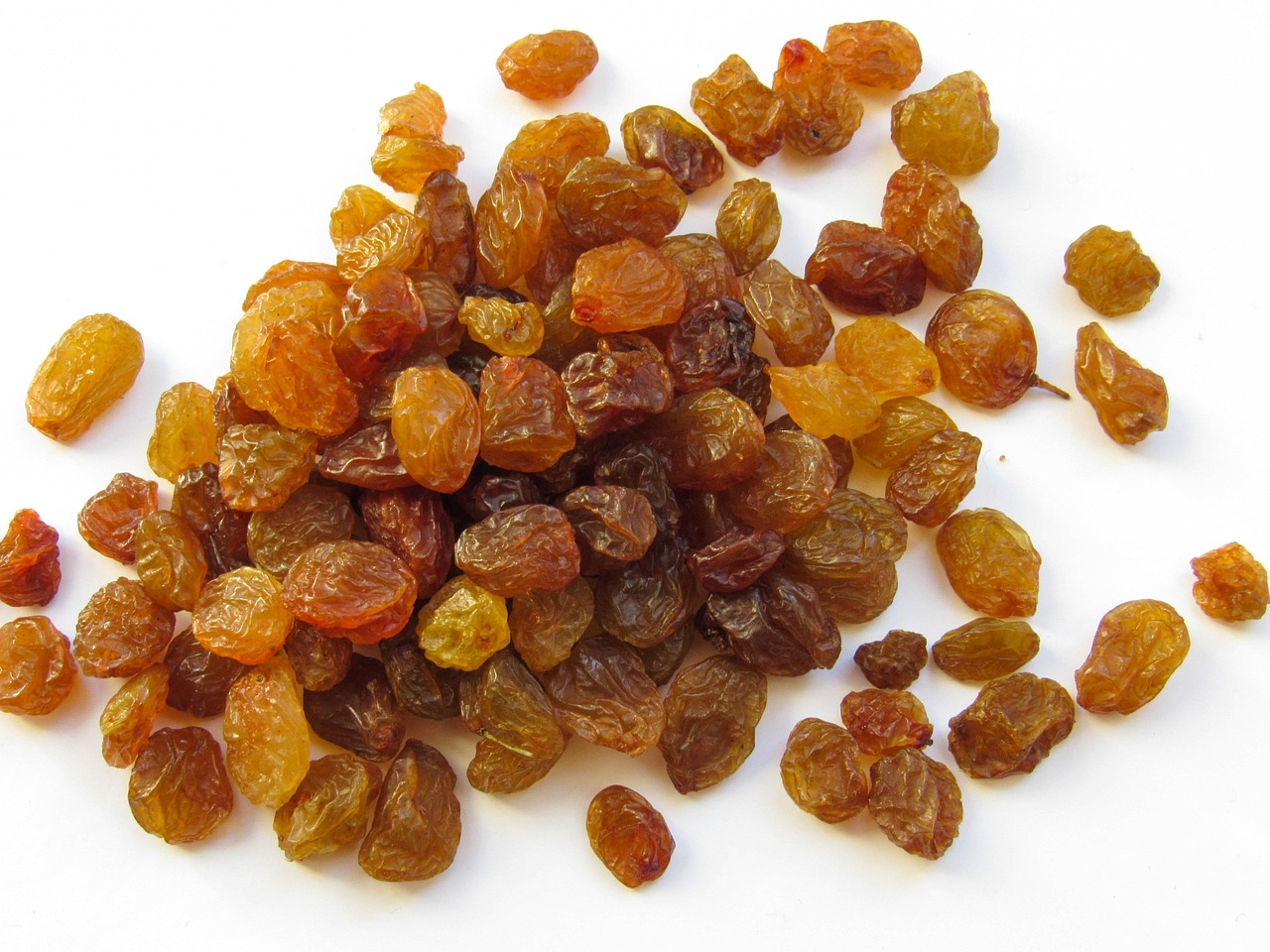
The story of raisins stretches back thousands of years—long before recorded history, to the earliest days of agriculture. Raisins are simply grapes that have been dried, but their discovery was likely accidental. Ancient peoples probably noticed grapes shriveling on the vine under the sun, transforming into concentrated, sweet morsels.
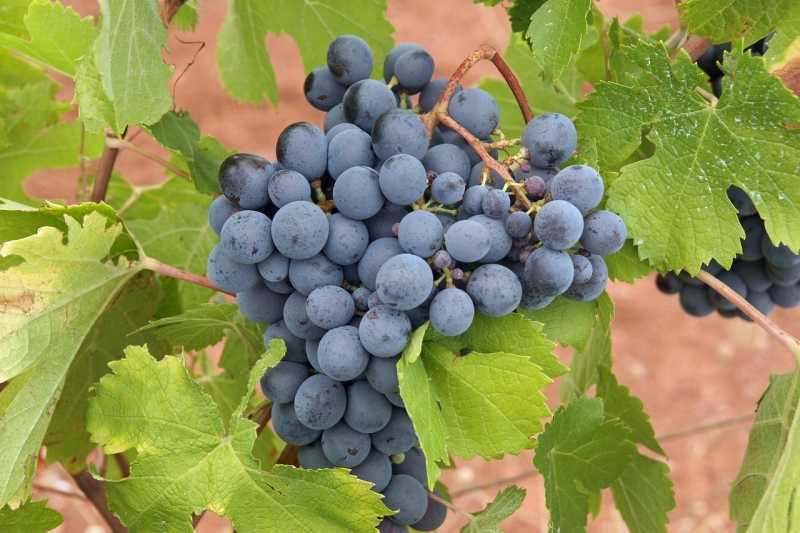
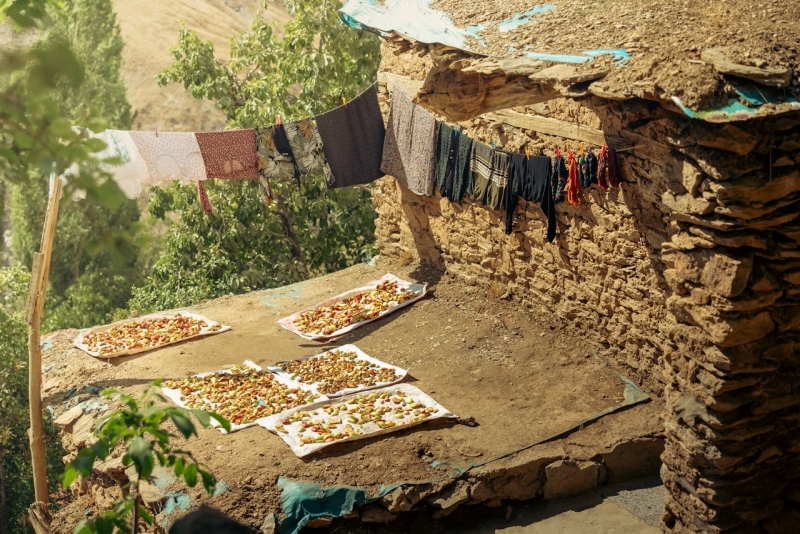
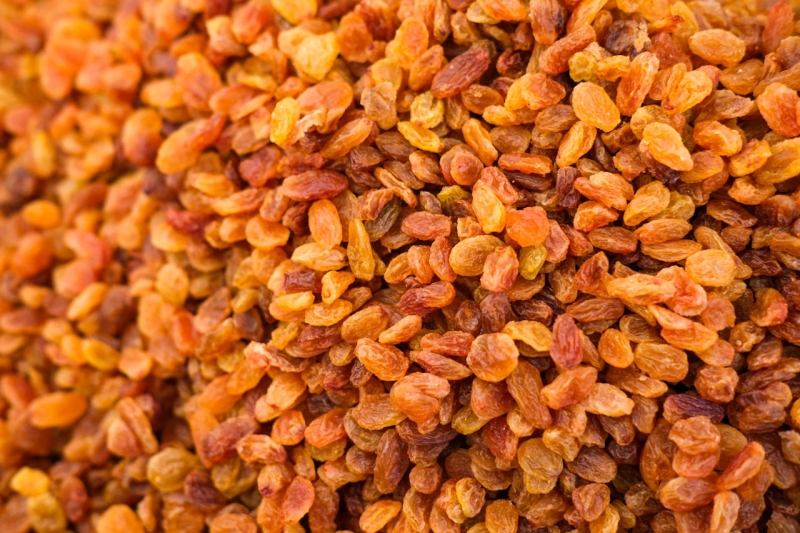
Archaeological and historical evidence places the earliest known production of raisins in ancient Persia and Egypt around 2000 BCE. These civilizations, blessed with hot, dry climates, found that grapes could be naturally preserved by drying—an innovation that extended shelf life and enhanced flavor.
Even earlier, grape cultivation itself dates back to between 7,000 and 4,000 BCE, making raisins one of the earliest processed foods in human history.
Raisins quickly became valuable. In ancient Greece and Rome, they were:
• Used as currency and trade goods
• Awarded as prizes in athletic competitions
• Offered in religious ceremonies
From the Mediterranean, raisin production spread throughout Europe and eventually to the Americas via Spanish missionaries in the 18th century.
How Raisins Are Grown
At their core, raisins begin in vineyards—carefully cultivated grape farms. The most important species is Vitis vinifera, the same grape used in winemaking.
Ideal Growing Conditions
Raisins require:
• Hot, dry climates (to allow natural drying)
• Well-drained soil
• Long growing seasons with abundant sunlight
This explains why regions like California’s Central Valley, Turkey, Iran, and parts of China dominate production today.
The Vine Lifecycle
• Planting: Grapevines are planted in rows for sunlight exposure.
• Growth: Vines produce clusters of grapes over several months.
• Ripening: Grapes develop sugars—crucial for quality raisins.
The higher the sugar content at harvest, the sweeter and more desirable the raisin.
Harvesting and Drying: The Transformation
Turning grapes into raisins is a fascinating process that balances tradition and modern technology.
Traditional Sun-Drying
• Grapes are harvested and laid on paper trays between vineyard rows
• Left to dry naturally in the sun for 2–3 weeks
• Water evaporates, leaving concentrated sugars and nutrients
Natural raisins become dark brown or black through this method.
Modern Methods
Commercial production often includes:
• Pre-treatment dips (to speed drying by breaking grape skin barriers)
• Controlled drying in dehydrators or tunnels
• Cleaning, sorting, and packaging after drying
Golden raisins are treated with sulfur dioxide to preserve their light color and softer texture.
Global Production: Where Raisins Come From Today
Raisins are now a global commodity. As of recent estimates:
• Annual global production is around 1.1 million tonnes
• Leading producers include:
• Turkey China Iran United States (California)
California alone produces a significant share of the world’s raisins due to its ideal climate and advanced agricultural systems.
Varieties of Raisins
Not all raisins are the same. Their differences depend on grape type, drying method, and processing.
Natural (Dark) Raisins
• Made from Thompson Seedless grapes
• Sun-dried
• Rich, deep flavor
Golden Raisins (Sultanas)
• Treated with sulfur dioxide
• Dried in controlled conditions
• Softer, sweeter, and lighter in color
Currants (Zante Currants)
• Small, dark, tangy
• Made from Black Corinth grapes
Muscat Raisins
• Larger, often seeded
• Very sweet and aromatic
Each variety offers a different culinary experience—from baking to savory dishes.
Which Are “Best”?
“Best” depends on use:
• Snacking: Golden raisins (softer, sweeter)
• Baking: Natural raisins (richer flavor)
• Gourmet dishes: Muscat or specialty raisins
• Nutrient density: Dark raisins often retain more antioxidants
Ultimately, quality depends more on growing conditions and drying method than variety alone.
Nutritional Value and Health Benefits Raisins are small but nutritionally dense. Removing water concentrates their nutrients dramatically.
Key Nutritional Highlights
• 79% carbohydrates (natural sugars)
• Rich in fiber, potassium, copper, and vitamin B6
• Approximately 299 calories per 100g
Health Benefits
• Digestive Health: Fiber supports regularity and gut health
• Heart Health: May help lower LDL cholesterol and regulate blood pressure
• Antioxidant Power: Polyphenols combat oxidative stress
• Energy Source: Natural sugars provide quick, sustained energy
• Bone Support: Contains calcium, magnesium, and boron
Potential Detriments
Despite their benefits, raisins are not without drawbacks.
High Sugar Content
• Drying concentrates sugar
• Easy to overconsume calories
Dental Concerns
• Sticky texture can promote tooth decay if hygiene is poor
Additives
• Some golden raisins contain sulfites, which may trigger sensitivities
Pet Toxicity
Raisins are toxic to dogs and cats, potentially causing kidney failure
Moderation is key—what is beneficial in small amounts can become excessive when consumed freely.
Raisins in Culture and Cuisine
Raisins have maintained cultural significance across civilizations:
• Featured in biblical texts and ancient feasts
• Used in Mediterranean, Middle Eastern, and Indian cuisine
• Essential in classics like fruitcake, pilaf, and pastries
Their enduring popularity lies in their versatility—equally at home in sweet or savory dishes.
The Modern Perspective
Today, raisins are seen as a natural, minimally processed food—a bridge between fresh fruit and preserved nutrition. They offer convenience, long shelf life, and a concentrated source of energy. Yet, as with many traditional foods, their value lies in balance. They are neither a miracle food nor something to avoid entirely—rather, a time-tested ingredient that has nourished humanity for millennia.
From ancient vines in Persia to modern vineyards in California, the raisin’s journey is one of simplicity and ingenuity. A grape left to dry became not only a staple food, but a symbol of how nature and human observation can transform something ordinary into something enduring. Few foods carry such a long, unbroken history—and fewer still remain as relevant, versatile, and quietly remarkable as the humble raisin.