






Red Wine and Your Health
A Glass of Wellness or a Hidden Risk?
11/22/2026
For centuries, red wine has occupied a distinctive place in human civilization, celebrated not merely as a beverage but as a symbol of hospitality, longevity, refinement, and the pleasures of a well-lived life. From the sun-drenched vineyards of Tuscany to the rolling hills of Bordeaux and the celebrated wine regions of California, the tradition of enjoying a glass of red wine with a thoughtfully prepared meal has endured across generations.
But beyond its remarkable history and sophisticated flavors lies a question that continues to intrigue scientists, physicians, and wine enthusiasts alike: Can red wine actually improve our health, or have its supposed benefits been overstated?
The answer is more complicated than many wine lovers might expect.
Red wine contains a fascinating collection of naturally occurring plant compounds, including resveratrol, quercetin, anthocyanins, and other polyphenols. These substances have attracted scientific attention for their antioxidant and anti-inflammatory properties and their potential influence on cardiovascular and metabolic health.
Yet red wine also contains alcohol, a substance associated with increased risks of cancer, liver disease, high blood pressure, and other serious conditions. Modern research has increasingly challenged the once-popular belief that a daily glass of wine is inherently good for the heart. Understanding the distinction between the potential benefits of grapes and the established risks of alcohol is essential to making an informed decision about wine and personal health.
The French Paradox: How Red Wine Became Associated With Longevity
The modern fascination with red wine's health benefits gained momentum through a phenomenon popularly known as the French Paradox. Researchers observed that certain French populations experienced relatively low rates of coronary heart disease despite diets that included considerable amounts of saturated fat from cheese, butter, and other rich foods. Some investigators suggested that the widespread French custom of drinking red wine with meals might help explain this apparent contradiction.
The theory captured international attention and contributed to the belief that moderate red wine consumption could protect the cardiovascular system. However, subsequent research revealed a more complex picture. Dietary patterns, portion sizes, physical activity, social customs, and other lifestyle differences may all influence cardiovascular outcomes. Researchers also recognized that some earlier studies comparing moderate drinkers with nondrinkers were affected by important biases, including differences in overall health and the inclusion of former drinkers among abstainers.
Today, the French Paradox remains an interesting chapter in nutritional science, but it does not establish that red wine prevents heart disease or extends life. Indeed, some of the most compelling aspects of the traditional Mediterranean lifestyle may have relatively little to do with alcohol and considerably more to do with fresh vegetables, olive oil, legumes, fish, whole grains, physical activity, and strong social connections.

The Powerful Compounds Hidden Within Red Wine
One of the most interesting aspects of red wine is its chemical complexity. Unlike many beverages, red wine contains hundreds of compounds derived from grape skins, seeds, and the winemaking process. Among the most studied are polyphenols, naturally occurring substances that help protect plants against environmental stress and may also influence biological processes within the human body.
Resveratrol: The Celebrated Antioxidant
Resveratrol has perhaps received more attention than any other compound associated with red wine. Found primarily in grape skins, resveratrol is produced naturally by grapevines in response to environmental challenges, including fungal infections and ultraviolet radiation. Laboratory studies suggest that resveratrol can influence cellular inflammation, oxidative stress, and mechanisms associated with blood vessel function. Researchers have also investigated its possible role in healthy aging and metabolic regulation.
However, there is an important distinction between promising laboratory results and demonstrated benefits in humans. The amount of resveratrol found in an ordinary glass of wine is relatively small, and many experimental studies use concentrations far greater than those obtainable through normal wine consumption. According to the Mayo Clinic, research on resveratrol and heart protection remains mixed. There is no established amount of red wine that delivers a clinically proven resveratrol benefit.
Quercetin: Supporting the Body's Natural Defenses
Quercetin is another naturally occurring flavonoid present in red wine, particularly in wines produced from dark-skinned grapes. Researchers have studied quercetin for its antioxidant properties and potential effects on inflammation and vascular function. Some research involving concentrated quercetin supplements suggests possible modest effects on blood pressure, although these findings cannot automatically be applied to the much smaller quantities found in wine.
Anthocyanins: The Secret Behind Red Wine's Color
The deep ruby, garnet, and purple shades that make red wine so visually appealing originate largely from pigments called anthocyanins. These compounds belong to the flavonoid family and are particularly abundant in dark-colored fruits.
Anthocyanins have attracted interest for their potential effects on oxidative stress, vascular health, and inflammatory signaling. Diets rich in anthocyanin-containing foods, such as purple grapes, have been associated with favorable health outcomes. However, these findings do not establish that anthocyanins consumed through alcoholic wine produce the same benefits.
Tannins: More Than a Distinctive Taste
Anyone who has enjoyed a robust Cabernet Sauvignon or a particularly structured Bordeaux has experienced the sensation of tannins.
Tannins are polyphenolic compounds derived from grape skins, seeds, stems, and sometimes oak barrels. They create the drying sensation in the mouth that contributes to a wine's structure and aging potential.
Certain tannins exhibit antioxidant activity in laboratory studies, and researchers continue to investigate their potential interactions with the digestive system and intestinal microbiome. Nevertheless, a highly tannic wine should not automatically be considered healthier than a softer, lighter-bodied wine. Its alcohol content, serving size, and the individual's health circumstances remain more important considerations.

Can Red Wine Actually Protect the Heart?
Cardiovascular health is at the center of the red wine debate. For decades, observational studies suggested that people who consumed modest quantities of wine sometimes experienced lower rates of coronary heart disease than those who abstained. Several biological explanations were proposed. Alcohol can raise high-density lipoprotein, commonly known as HDL or good cholesterol. Certain wine polyphenols may also influence blood vessel function, inflammation, and the oxidation of low-density lipoprotein, or LDL cholesterol.
These findings helped create red wine's reputation as a heart-friendly indulgence. However, researchers now recognize that the relationship between alcohol consumption and cardiovascular health is not necessarily causal. People who drink modest amounts of wine with meals may also exercise more frequently, follow healthier diets, maintain stronger social connections, or have better access to preventive healthcare. Such factors can influence the results of observational studies.
The American Heart Association emphasizes that no research has established a direct cause-and-effect relationship between drinking alcohol and improved heart health. It does not recommend beginning to drink wine for cardiovascular protection.
Excessive alcohol consumption, meanwhile, has well-established cardiovascular consequences. It can increase blood pressure, contribute to irregular heart rhythms, weaken heart muscle, and elevate the risk of stroke and heart failure. Even moderate consumption may raise blood pressure in some individuals, particularly those who already have hypertension.
The practical lesson is that red wine should never be regarded as a substitute for proven heart-protective measures, including regular exercise, a nutritious diet, blood pressure management, cholesterol control, and avoiding tobacco.
Red Wine, Brain Health, and the Aging Process
Another intriguing area of research involves the possible relationship between wine polyphenols and neurological health. Scientists have investigated whether resveratrol and other plant compounds may influence processes associated with cognitive decline, including inflammation, oxidative stress, and changes in blood circulation.
Some laboratory and animal studies have produced encouraging findings, but human evidence remains insufficient to establish that drinking red wine prevents Alzheimer's disease, dementia, or age-related cognitive decline. Alcohol itself can impair memory, judgment, coordination, and sleep. Long-term heavy consumption may damage the nervous system and contribute to cognitive impairment.
The distinction becomes particularly important with advancing age. Older adults often process alcohol differently because of changes in body composition, medication use, and physiological resilience. A quantity of wine that produced little noticeable effect at age 40 may have a more pronounced impact decades later. Even relatively small amounts can contribute to dizziness, impaired balance, and falls in susceptible individuals. For those interested in preserving mental sharpness throughout life, the strongest evidence continues to favor physical activity, adequate sleep, cardiovascular risk management, social engagement, and a balanced diet rather than alcoholic beverages.

Which Red Wines Contain the Most Beneficial Compounds?
Not all red wines have identical chemical compositions. Grape variety, vineyard climate, soil conditions, grape maturity, fermentation techniques, skin contact, and aging can influence the concentration and composition of polyphenols.
Generally, wines made with prolonged contact between grape juice and dark grape skins contain more phenolic compounds than wines produced with minimal skin contact. Nevertheless, a wine with more polyphenols has not been proven to produce better health outcomes. The following varieties are worth examining for their distinctive polyphenol profiles, not because they are medically established as healthier choices.
Pinot Noir — A Delicate Wine With Scientific Interest
Pinot Noir is often mentioned in discussions of resveratrol because concentrations in some wines have been relatively high. However, resveratrol levels vary substantially by region, vintage, and production method. Pinot Noir is celebrated for its elegance, silky texture, and flavors of cherry, raspberry, and subtle earthiness. Its lighter body does not necessarily mean it contains less alcohol or is safer to consume.
Cabernet Sauvignon — Rich in Tannins and Structure
Cabernet Sauvignon is renowned for its substantial tannin content, deep color, and complex flavor profile. Its skins and seeds contribute various phenolic compounds, including flavanols and proanthocyanidins. It is a useful example of a polyphenol-rich wine, although its often substantial alcohol content deserves consideration.
Tannat — Notable for Its Concentrated Tannins
Originally associated with southwestern France and now strongly identified with Uruguay, Tannat produces deeply colored, robust wines. It is particularly noteworthy for its high tannin potential and substantial phenolic structure. Some examples can be exceptionally concentrated, but this should not be interpreted as evidence that Tannat prevents disease.
Malbec — Deep Color and Anthocyanins
Malbec, particularly associated with Argentina, is distinguished by its dark color and flavors of plum, blackberry, and spice. Its pronounced pigmentation reflects the presence of anthocyanins. These plant compounds are scientifically interesting, although there is no clinical evidence that drinking Malbec offers superior protection against cardiovascular disease.
Syrah and Shiraz — Bold Flavor and Phenolic Complexity
Syrah, known as Shiraz in many Australian wines, often produces richly colored wines with substantial tannins and a complex range of phenolic compounds. Its dark-fruit character, peppery notes, and full body make it a favorite among enthusiasts. As with other varieties, concentration varies widely, and a stronger wine is not necessarily a healthier one.

Are Red Wine Blends Better Than Single-Varietal Wines?
Blended wines deserve special attention because they combine grapes with different chemical and sensory characteristics. A traditional Bordeaux-style blend might contain Cabernet Sauvignon, Merlot, Cabernet Franc, Petit Verdot, and Malbec. Each grape contributes its own combination of pigments, tannins, aromatic compounds, acidity, and texture.
Cabernet Sauvignon may provide structure and tannins, while Merlot contributes softness and fruit character. Petit Verdot can intensify color and add additional phenolic complexity. Similarly, Rhône-style blends featuring Grenache, Syrah, and Mourvèdre combine varieties with different characteristics.
These combinations can produce wines of exceptional balance and complexity. However, there is no reliable clinical evidence that a Bordeaux blend, Rhône blend, or any other particular combination is more beneficial to human health than a single-varietal wine.
For consumers interested in the compounds found in red wine, grape selection and winemaking techniques are more relevant than the prestige of a particular label. Even then, choosing a lower-alcohol wine and consuming less is a more meaningful way to reduce alcohol-related harm than selecting a wine based on its antioxidant content.
When Enjoyment Becomes a Health Risk
While the possible benefits of red wine continue to generate scientific interest, the consequences of excessive alcohol consumption are considerably better established. Alcohol affects virtually every major organ system. The risks increase with the amount consumed, the frequency of drinking, individual susceptibility, and the presence of underlying medical conditions.
The Cancer Connection
Perhaps the most important development in recent research is the increasingly clear relationship between alcohol consumption and cancer. Alcohol is classified as a Group 1 carcinogen by the International Agency for Research on Cancer, meaning sufficient evidence establishes that it can cause cancer in humans.
Alcohol consumption increases the risk of several cancers, including those affecting the mouth, throat, esophagus, liver, colon, rectum, and female breast. When the body metabolizes alcohol, it produces acetaldehyde, a toxic substance capable of damaging DNA. Alcohol can also influence hormone levels, generate oxidative stress, and interfere with the body's ability to absorb certain nutrients.
Importantly, these risks are not eliminated by choosing red wine instead of beer, spirits, or white wine. The World Health Organization states that no level of alcohol consumption has been established as risk-free with respect to cancer. Even relatively small amounts can increase the risk of certain cancers.
Liver Damage and Metabolic Health
The liver plays a central role in processing alcohol. Regular excessive drinking can contribute to fatty liver, alcoholic hepatitis, fibrosis, and eventually cirrhosis. These conditions may develop gradually, sometimes without obvious symptoms during their early stages.
Alcohol also provides approximately seven calories per gram, making it a concentrated source of energy without the nutritional benefits of whole foods. A generous glass of red wine can contain considerably more calories than many people realize. Regular consumption may contribute to weight gain, particularly when accompanied by rich meals or late-evening snacking. Alcohol can also raise triglyceride levels and complicate blood sugar management in certain individuals.
Blood Pressure and Heart Rhythm
Although red wine was once widely promoted as protective against heart disease, consuming too much alcohol can have the opposite effect. Heavy drinking is associated with elevated blood pressure, weakened heart muscle, atrial fibrillation, stroke, and heart failure.
Atrial fibrillation deserves particular attention because it becomes more common with age. This irregular heart rhythm can increase the risk of stroke, and alcohol may trigger episodes in susceptible individuals. For people with hypertension or existing cardiovascular disease, reducing alcohol intake may offer more meaningful benefits than seeking out wines with higher antioxidant concentrations.
Sleep: The Unexpected Downside
Many people associate a glass of red wine with relaxation at the end of the day. Alcohol can initially produce drowsiness, creating the impression that it helps induce sleep. However, as the body metabolizes alcohol, normal sleep patterns may become disrupted.
Drinking close to bedtime can contribute to fragmented sleep, more frequent awakenings, reduced sleep quality, and worsening sleep apnea. For older adults, whose sleep may already be lighter and more easily interrupted, these effects can be especially troublesome. A peaceful evening with a glass of wine may be enjoyable, but alcohol should not be considered an effective sleep aid.
How Much Red Wine Is Too Much?
One of the most common misconceptions about wine involves the size of a standard serving. A typical restaurant pour can be considerably larger than the amount used in public health recommendations. Illustrative serving comparison; glass shapes and fill levels vary. In the United States, one standard alcoholic drink contains approximately 14 grams of pure alcohol. That is equivalent to five fluid ounces of wine containing 12% alcohol by volume. But many popular red wines contain 14% to 15% alcohol or more. A five-ounce glass of wine at 15% alcohol contains approximately 1.25 standard drinks. An eight-ounce pour at that strength contains two standard drinks.
Traditional moderation limits often cited in the United States are no more than two standard drinks per day for men and one for women. These are limits, not recommended targets or guarantees of safety. Drinking less generally reduces alcohol-related risk.
For older adults, people taking certain medications, and individuals with particular medical conditions, even these quantities may be excessive. There is also an important distinction between enjoying an occasional glass and believing that wine must be consumed daily for health benefits. No scientific evidence establishes a need to drink wine every day.
Red Wine After Age 60: Special Considerations
As people grow older, their response to alcohol can change significantly. The body generally contains a lower proportion of water with advancing age, potentially resulting in higher blood alcohol concentrations after consuming the same quantity. Age-related changes in balance, coordination, and medication use can also increase vulnerability to alcohol's effects.
Certain medications, including sedatives, sleeping pills, opioid pain relievers, and some antihistamines, can interact dangerously with alcohol. Other medicines may require individual precautions. For someone concerned about maintaining independence, mental clarity, mobility, and cardiovascular health well into later life, the possibility of falls and medication interactions deserves particular consideration. A smaller serving, drinking less frequently, or avoiding alcohol entirely may be prudent depending on individual health circumstances.
Can Red Wine Be Part of the Mediterranean Diet?
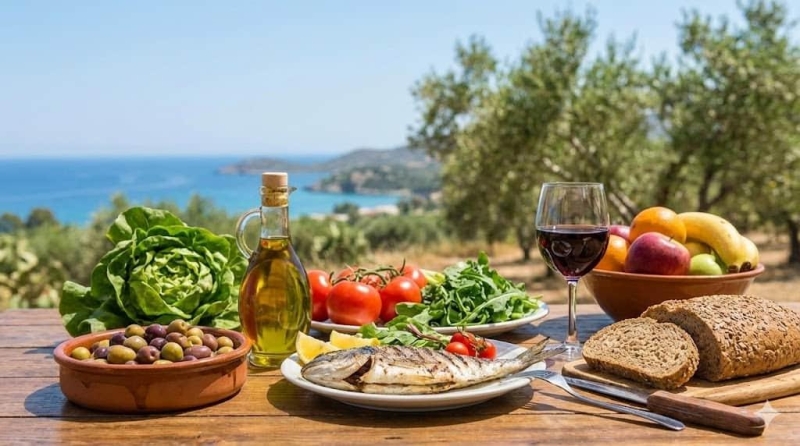
The Mediterranean diet has become one of the most extensively studied dietary patterns in the world. Its emphasis on olive oil, vegetables, fruits, legumes, nuts, whole grains, fish, and relatively modest quantities of red meat has been associated with favorable cardiovascular outcomes.
Wine has traditionally accompanied meals in some Mediterranean cultures, but it is not an essential component of the diet. The health benefits attributed to Mediterranean eating patterns cannot be assumed to result from wine consumption. For those who already enjoy wine, the Mediterranean tradition offers a useful cultural perspective: wine as an occasional accompaniment to food and conversation rather than a beverage consumed in large quantities or for medicinal purposes. An evening meal featuring grilled fish, fresh vegetables, olive oil, and whole grains provides substantial nutritional value regardless of whether a glass of wine is present. The Mediterranean diet remains a healthful dietary pattern without alcohol.
Are Organic, Natural, and Low-Sulfite Wines Healthier?
Wine consumers are increasingly attracted to labels advertising organic cultivation, natural production methods, minimal intervention, and reduced sulfites. These distinctions may be meaningful from agricultural, environmental, or personal preference perspectives, but they do not necessarily translate into improved health outcomes.
Organic wines are produced according to particular agricultural and processing standards. Natural wines are often associated with minimal intervention, although the term is not uniformly defined. Sulfites, meanwhile, occur naturally during fermentation and may also be added to preserve wine. A small proportion of individuals, particularly some people with asthma, can be sensitive to sulfites.
However, sulfites are not responsible for most of the established long-term health risks associated with alcoholic beverages. A natural or organic wine containing 15% alcohol still exposes the drinker to essentially the same alcohol-related risks as a conventional wine of equivalent strength and serving size. For health-conscious consumers who choose to drink, alcohol concentration and quantity are more consequential than fashionable labeling.
The Healthiest Alternatives May Not Contain Alcohol
One of the most encouraging findings from research into wine polyphenols is that many of these compounds can be obtained from foods without consuming alcohol. Dark grapes, blueberries, blackberries, cranberries, and pomegranates provide various polyphenols that have attracted scientific interest. Purple grape juice can also contain grape-derived compounds, although it may be relatively high in sugar and lacks the fiber found in whole fruit.
Whole fruits are generally preferable because they provide fiber, water, vitamins, and other beneficial nutrients. Other valuable sources of polyphenols include extra-virgin olive oil, tea, cocoa, apples, and a wide variety of vegetables. The Mayo Clinic specifically notes that grapes, grape juice, and certain berries provide resveratrol without the risks associated with drinking alcohol.
For individuals interested in resveratrol, quercetin, and anthocyanins, a varied plant-rich diet offers a more reliable nutritional strategy than attempting to obtain these compounds through wine.
Choosing Wine With Greater Awareness
For those who appreciate red wine and decide to continue enjoying it, a few practical considerations can help reduce unnecessary exposure to alcohol.
- Pay attention to alcohol content. A wine containing 12% alcohol delivers less ethanol per equal-sized serving than one containing 15%.
- Keep portions modest. A small glass can provide the sensory enjoyment of wine without the alcohol contained in a generous restaurant pour.
- Avoid assuming darker means healthier. Deep color and pronounced tannins may indicate particular phenolic characteristics, but they do not prove superior health benefits.
- Consider alcohol-free alternatives. Dealcoholized red wines may retain some grape polyphenols, although composition varies and health benefits are not established.
- Choose wine for enjoyment, not treatment. Flavor, aroma, food pairing, and personal preference are more defensible reasons for selecting a particular wine than unproven medicinal claims.
The Final Verdict: A Pleasure to Appreciate, Not a Prescription for Health
The relationship between red wine and human health remains one of nutrition's most fascinating and frequently misunderstood subjects. There is legitimate scientific interest in the polyphenols found in dark grapes, including resveratrol, anthocyanins, quercetin, and tannins. These compounds have demonstrated biological activity in laboratory studies and may contribute to the health benefits associated with diets rich in plant foods.
But the presence of potentially beneficial compounds does not mean that an alcoholic beverage is inherently health-promoting. The strongest contemporary evidence does not justify recommending red wine as a means of preventing heart disease, dementia, cancer, or premature aging. Alcohol's established risks must be considered alongside the still-uncertain benefits attributed to wine's nonalcoholic components.
For wine enthusiasts, the distinction need not diminish the pleasure of appreciating a beautifully crafted Pinot Noir, an elegant Bordeaux blend, or a full-bodied Cabernet Sauvignon. Wine can remain a valued part of culinary tradition, hospitality, and the enjoyment of a memorable meal.