






San Diego Zoo
A Legacy of Wildlife Conservation and the Dawn of Elephant Valley
6/16/2026
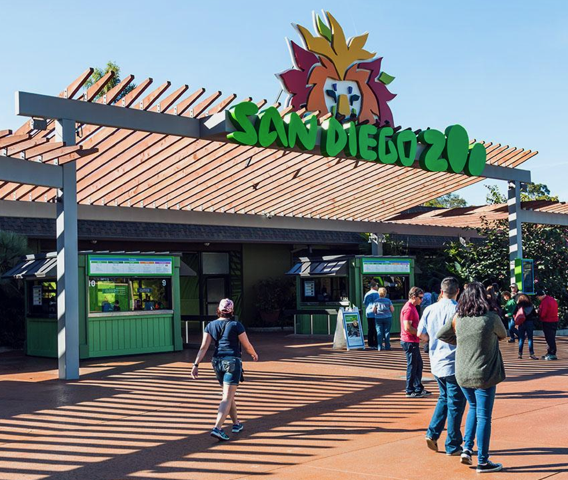
Nestled within the heart of Balboa Park, the San Diego Zoo is far more than one of Southern California’s most beloved attractions—it is one of the most respected zoological institutions in the world. For more than a century, the zoo has combined education, conservation, scientific research, and unforgettable visitor experiences, earning an international reputation as a leader in wildlife care and species preservation. Together with its sister facility, the San Diego Zoo Safari Park, the organization has helped redefine what modern zoos can achieve in the twenty-first century.
Humble Beginnings in Balboa Park
The story of the San Diego Zoo began in 1916 following the Panama-California Exposition held in Balboa Park. A number of exotic animals displayed during the exposition remained after the event concluded, inspiring local physician Dr. Harry Wegeforth to establish a permanent zoological collection. From these modest beginnings emerged what would become one of the world's premier wildlife institutions.
In the decades that followed, the zoo grew rapidly, attracting visitors from across California and eventually around the globe. While many zoos of the early twentieth century relied on iron bars and concrete enclosures, San Diego pioneered a revolutionary concept: open-air, naturalistic habitats. Utilizing hidden barriers, moats, lush landscaping, and expansive viewing areas, the zoo created environments that more closely resembled the animals' natural homes while enhancing the visitor experience.
These innovations transformed zoological design worldwide and helped establish San Diego as a leader in animal welfare and exhibit development.
Location and Size
The San Diego Zoo occupies approximately 100 acres within Balboa Park, one of the nation's largest urban cultural parks. Located just minutes from downtown San Diego, the zoo is built within a series of canyons and mesas that provide natural topography for animal habitats and botanical gardens.
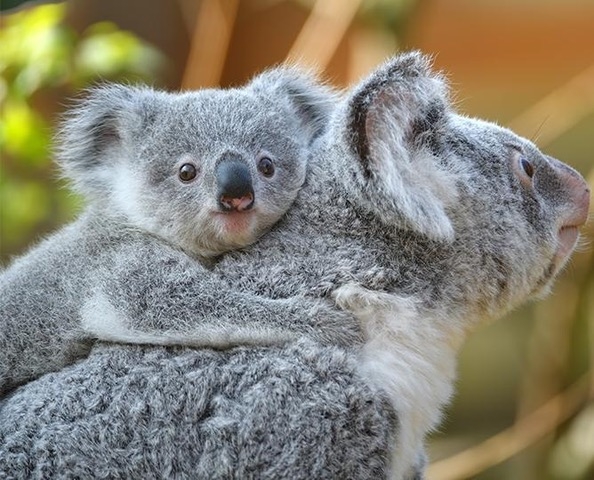
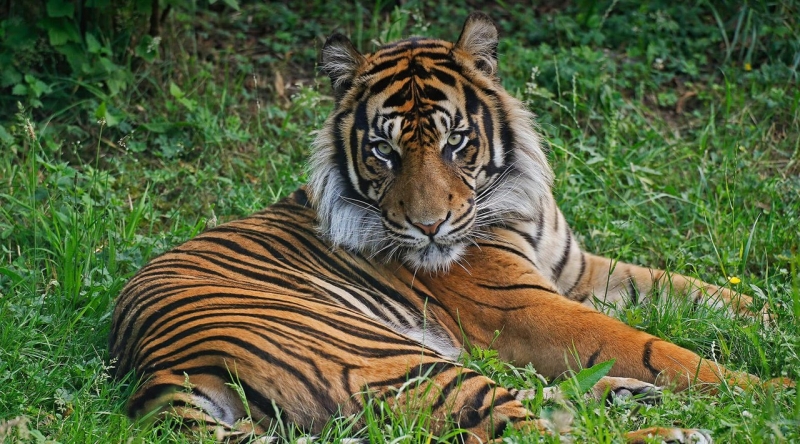
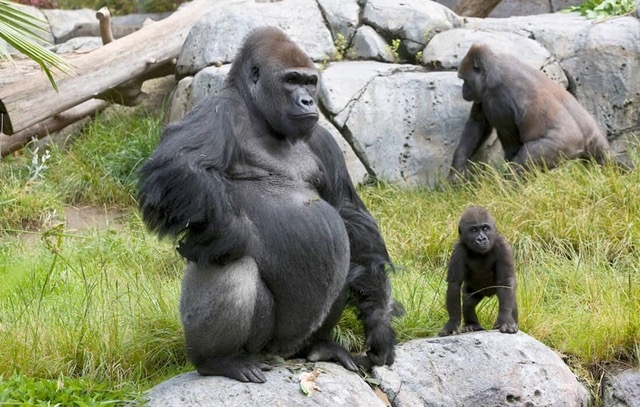
Today, the zoo is home to more than 12,000 animals representing hundreds of species and subspecies from around the globe. Visitors can observe everything from giant pandas' former habitats and koalas to polar bears, gorillas, tigers, flamingos, reptiles, birds, and countless endangered species.
The grounds themselves are often described as a world-class botanical garden. Thousands of plant species from around the world are integrated throughout the zoo, creating a lush and immersive setting that enhances both animal habitats and visitor enjoyment.
Walking through the zoo is as much a horticultural experience as it is a wildlife adventure, with tropical forests, bamboo groves, flowering gardens, and mature tree canopies providing beauty and shade throughout the property.
The Birth of a Global Conservation Organization
While millions know the San Diego Zoo as a popular tourist destination, fewer realize the tremendous conservation work occurring behind the scenes.
The San Diego Zoo Wildlife Alliance oversees global wildlife conservation programs spanning six continents. Its teams of scientists, veterinarians, ecologists, geneticists, and wildlife specialists work to protect endangered species and preserve ecosystems worldwide.
One of the organization's most groundbreaking contributions is the Frozen Zoo®, a vast genetic repository containing living cell lines and genetic material from thousands of animals. Considered one of the most important wildlife biobanks on Earth, the collection serves as a critical resource for future conservation efforts and species recovery programs.
The alliance's conservation initiatives have contributed to the recovery of species including:
• California condors
• Giant pandas
• Black-footed ferrets
• Hawaiian forest birds
• Rhinoceroses
• Numerous amphibian and reptile species
Through scientific research, habitat restoration, breeding programs, and international partnerships, the organization has become a global force in wildlife preservation.
The San Diego Zoo Safari Park: A Sister Facility Like No Other
In 1972, the organization expanded its vision with the opening of the San Diego Wild Animal Park, now known as the San Diego Zoo Safari Park.
Located in the San Pasqual Valley near Escondido, approximately 35 miles northeast of downtown San Diego, the Safari Park occupies roughly 1,800 acres—making it dramatically larger than the zoo itself.
The Safari Park was created to provide expansive environments for large mammals and herd animals that require significantly more space than traditional zoo settings can offer.
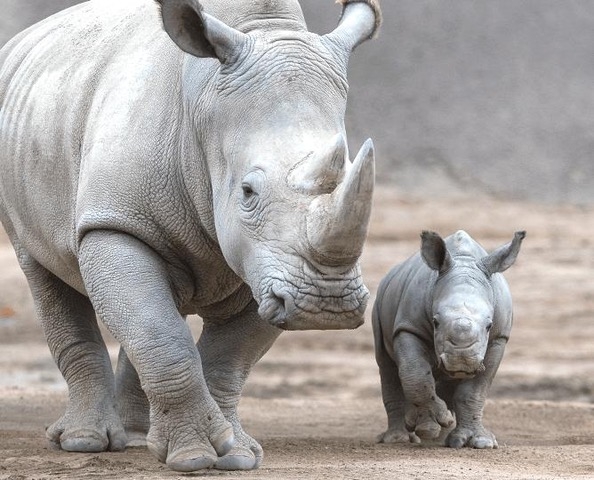
Instead of viewing animals in separate exhibits, guests experience vast open habitats where giraffes, antelope, gazelles, rhinoceroses, and other species roam together across sprawling landscapes that resemble the African savanna.
The Safari Park has become internationally renowned for:
• Rhino conservation and breeding
• California condor recovery programs
• Cheetah conservation
• Elephant management and breeding
• Wildlife reproduction research
• Botanical preservation
Its expansive setting allows animals to exhibit natural social behaviors and provides opportunities for breeding programs that have helped preserve some of the world's most endangered species.
African Elephants: A Longstanding Commitment
Among the many animals cared for by the San Diego Zoo Wildlife Alliance, African elephants have long held a special place.
Elephants are among the most intelligent and socially complex animals on Earth. They form deep family bonds, communicate through vocalizations and vibrations, display empathy, and possess extraordinary memories.
The organization has spent decades studying elephant behavior and advancing elephant care standards. Veterinary teams, behavioral specialists, nutritionists, and conservation scientists have worked together to develop best practices that are now utilized by zoological institutions worldwide.
This commitment laid the foundation for one of the most ambitious projects in the organization's history.
The Creation of Elephant Valley
In March 2026, the San Diego Zoo Safari Park unveiled Denny Sanford Elephant Valley, a transformative new habitat representing the largest development project ever undertaken by the San Diego Zoo Wildlife Alliance.
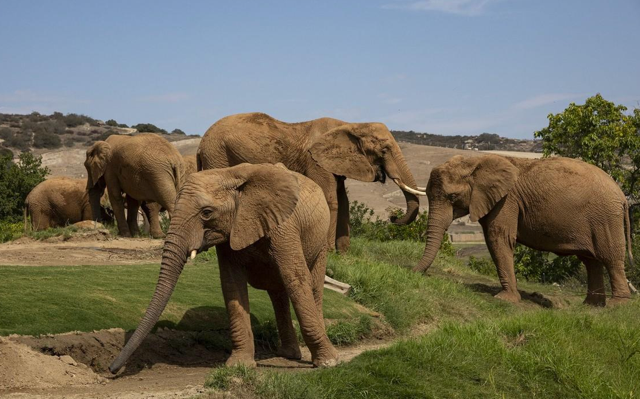
Years in planning and construction, Elephant Valley spans approximately 13 acres and was designed to provide an immersive environment for African savanna elephants while creating an unprecedented visitor experience.
The project represents a major evolution in exhibit design. Rather than observing elephants from a distance, visitors become immersed within the landscape itself. Elevated walkways, viewing platforms, and winding pathways place guests closer to the animals while maintaining the highest standards of safety and animal welfare.The result is a more intimate understanding of elephant behavior, social structure, and conservation challenges.
Features of Elephant Valley
The exhibit incorporates a variety of elements designed to promote natural elephant behaviors and enhance visitor engagement.
Highlights include:
Expansive Landscapes
The habitat provides broad open spaces where elephants can roam, forage, socialize, and explore.
Water Features
Large pools and water areas allow elephants to swim, bathe, and cool themselves naturally.
Mud Wallows
Mud plays an essential role in elephant health by protecting skin from insects and sun exposure. Dedicated wallowing areas encourage these instinctive behaviors.
Elevated Viewing Bridges
Visitors can observe elephants from unique vantage points, including elevated pathways that allow animals to pass beneath guests.
Enrichment Areas
Specialized spaces encourage exploration, problem-solving, and physical activity.
Conservation Education
Interactive exhibits explain the threats facing wild elephants, including habitat loss, poaching, climate change, and human-wildlife conflict.
Meet the Herd
Elephant Valley is home to a multi-generational herd of African elephants whose family relationships mirror those found in the wild.
The exhibit allows guests to observe:
• Matriarchal leadership
• Family interactions
• Communication behaviors
• Social bonding
• Play among younger elephants
• Cooperative care within the herd
These complex relationships are among the most fascinating aspects of elephant society and serve as a powerful reminder of the emotional depth possessed by these remarkable animals.
Why Elephant Valley Matters
Elephant Valley is much more than a spectacular exhibit. It serves as a platform for education, scientific research, and conservation advocacy. Visitors learn about the challenges facing elephant populations across Africa and the efforts underway to protect them.
Wild elephants face numerous threats, including:
• Habitat fragmentation
• Expanding human development
• Agricultural conflict
• Illegal ivory trafficking
• Climate-related environmental changes
By connecting visitors emotionally to the animals, the exhibit helps foster support for conservation initiatives both locally and globally.
Looking Toward the Future
More than 110 years after its founding, the San Diego Zoo continues to evolve. What began as a small collection of animals left behind from an exposition has become a globally respected conservation organization dedicated to protecting wildlife and preserving biodiversity for future generations.
The San Diego Zoo and Safari Park together welcome millions of visitors annually, yet their greatest impact extends far beyond Southern California. Through scientific research, international partnerships, conservation programs, and innovative exhibits like Elephant Valley, the organization is helping shape the future of wildlife conservation.
For generations of San Diegans and visitors alike, the zoo has provided unforgettable encounters with animals from around the world. Today, it stands as a symbol of what is possible when education, science, and conservation unite in service of a greater purpose.
As Elephant Valley ushers in a new era at the Safari Park, the San Diego Zoo Wildlife Alliance remains committed to its enduring mission: ensuring that wildlife not only survives, but thrives, for generations to come.