






Sciatic Nerve: Origin, Impact, and Decisive Approaches to Relief
Origin and Anatomy of the Sciatic Nerve
5/6/2025
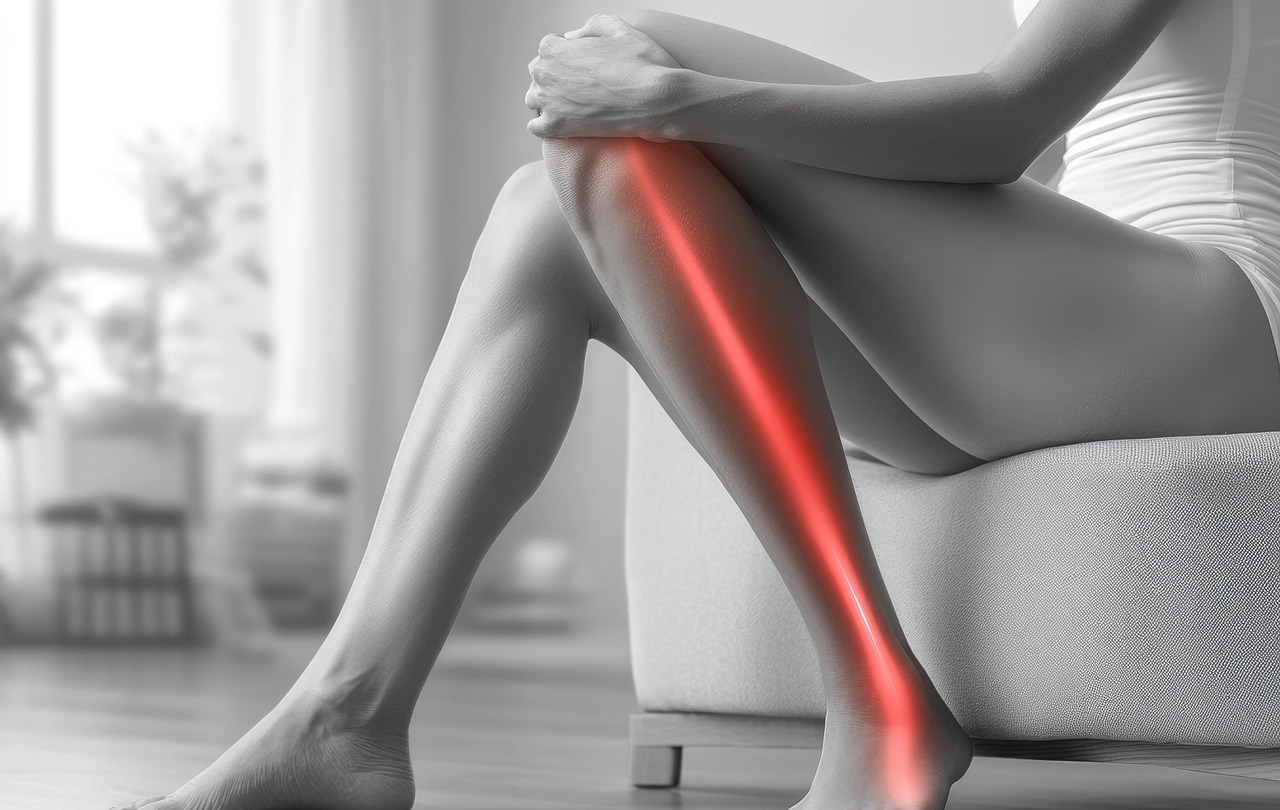
The sciatic nerve, the largest and longest nerve in the human body, can be both a source of powerful mobility and excruciating pain. Sciatica—a condition involving irritation or compression of this nerve—affects millions worldwide, often disrupting daily life, sleep, and physical functionality. Understanding the origin of the sciatic nerve, how it manifests across different age groups, and the many ways to address its pain is critical in finding long-term relief and managing its sometimes-debilitating consequences.
Origin and Anatomy of the Sciatic Nerve
The sciatic nerve originates in the lower spine, emerging from the lumbosacral plexus—a network of spinal nerves located in the lower back. Specifically, it is formed from nerve roots L4 through S3. From this point, it travels through the buttock area (deep beneath the piriformis muscle), down the back of each leg, and branches out into smaller nerves that reach the feet and toes.
Its primary functions are motor (controlling leg and foot muscles) and sensory (relaying signals of pain, temperature, and touch from the legs and feet back to the spinal cord and brain). Because of its expansive coverage, compression or irritation at any point along its pathway can radiate pain over a wide area.
How the Sciatic Nerve Affects the Body
Sciatica is not a condition in itself, but rather a symptom of an underlying issue—most commonly a herniated disc, spinal stenosis, degenerative disc disease, or spondylolisthesis. When the sciatic nerve becomes pinched, inflamed, or compressed, the following symptoms often occur:
• Sharp or burning pain that radiates from the lower back through the buttock and down one leg
• Numbness or tingling in the leg or foot
• Muscle weakness in the affected leg or foot
• Difficulty standing or walking for extended periods In severe cases, loss of bladder or bowel control (a medical emergency known as cauda equina syndrome)
The severity can range from a dull ache to incapacitating pain that prevents walking or movement. At
What Ages Does Sciatica Commonly Appear?
Sciatica most often develops between the ages of 30 and 60, although it can occur earlier due to traumatic injury or later as part of age-related spinal degeneration. Key age-related patterns include:
• In young adults (20s to 40s): Typically caused by disc herniation, where the soft cushion between vertebrae protrudes and presses on the sciatic nerve.
• In middle age and seniors (50s to 70s): More likely to result from spinal stenosis (narrowing of the spinal canal) or osteoarthritis-related degeneration.
• In older adults (70+): Though less common, age-related wear and tear, vertebral slippage, or inflammation can still affect the sciatic nerve.
Debilitating Effects of Sciatica
The impact of sciatica on daily life can be substantial:
• Physical limitations: Difficulty sitting, standing, or walking without pain; inability to sleep comfortably; reduced flexibility or movement in the lower body.
• Emotional and psychological strain: Chronic pain can lead to anxiety, depression, and social withdrawal.
• Occupational challenges: Many jobs that involve prolonged sitting, standing, or lifting can become unbearable without proper accommodations.
• Sleep disturbances: Shooting pain during nighttime hours can make rest elusive, compounding fatigue and stress.
For some, sciatica resolves within a few weeks. For others, especially those with spinal deterioration, it can become a chronic, life-altering issue.
Commonly Affected Areas
The sciatic nerve’s path means that pain and dysfunction typically manifest in:
• Lower back – pain or tightness may originate at the base of the spine.
• Buttocks – pain is often felt deeply on one side.
• Thighs and calves – sharp pain or tingling can radiate down the leg.
• Feet and toes – numbness or weakness may affect balance or gait.
Methods of Relief and Treatment
Treatment for sciatica can be multifaceted. Some cases resolve without aggressive intervention, while others require long-term management.
Medications
• NSAIDs (non-steroidal anti-inflammatory drugs) like ibuprofen or naproxen reduce inflammation and relieve pain.
• Muscle relaxants may be prescribed for spasms contributing to nerve pressure.
• Oral corticosteroids can provide short-term inflammation relief.
• Prescription painkillers (opioids) are used cautiously for acute, severe episodes.
• Anticonvulsants or antidepressants: Used to treat nerve pain, even when no mood disorders are present.
Physical Therapy and Exercise
Structured therapy helps relieve nerve pressure, strengthen surrounding muscles, and improve flexibility. Popular practices include:
• Stretching routines: Focusing on the hamstrings, lower back, and hips.
• Core strengthening: Supporting spinal stability through abdominal and lower back exercises.
• Aerobic activity: Low-impact movement like swimming or walking promotes healing.
Massage and Manual Therapy
• Deep tissue massage: Can reduce muscle tension pressing on the nerve.
• Myofascial release: Targets trigger points and fascia that may cause referred pain.
• Chiropractic care: Spinal adjustments may help relieve pressure if alignment issues are contributing.
Heat and Cold Therapy
• Cold packs: Applied during the first 48 hours of a flare-up to reduce inflammation.
• Heating pads or warm baths: Used to relax muscles and increase blood flow after the acute phase.
Alternative and Holistic Remedies
Acupuncture: Proven helpful for many in managing chronic nerve pain.
• Yoga and Pilates: Promote stretching and spinal alignment.
• Herbal supplements: Turmeric, magnesium, and capsaicin cream can reduce inflammation.
• CBD oil or topical creams: Used by some as a natural anti-inflammatory.
Medical Interventions
If conservative approaches fail, more invasive treatments may be considered:
• Epidural steroid injections: Deliver potent anti-inflammatory medication directly to the irritated nerve area.
• Nerve blocks: Temporarily numb pain signals.
• Surgery (e.g., microdiscectomy or laminectomy): Reserved for severe, persistent sciatica, especially with neurological deficits or intractable pain.
Preventative Measures
Preventing sciatica—or reducing the likelihood of recurrence—can be achieved through:
• Good posture: Maintaining spinal alignment while sitting or lifting.
• Ergonomic seating: Proper lumbar support reduces spinal stress.
• Weight management: Excess weight places pressure on the lower spine.
• Regular physical activity: Keeps the spine and muscles strong and flexible.
• Lifting correctly: Bending at the knees, not the waist, when picking up heavy items.
The sciatic nerve, though essential to lower body function, can become a powerful source of pain when compressed or inflamed. Sciatica, while often temporary, has the potential to severely affect mobility, independence, and quality of life. Fortunately, with a decisive, multi-pronged treatment approach—ranging from medications and therapies to alternative remedies and surgical options—most individuals can find meaningful relief.
Empowering patients with knowledge and personalized care is the most effective strategy for overcoming this often-debilitating condition.