






Shinkansen - Japan's Bullet Train
The world's gold standard in high-speed rail
8/4/2026
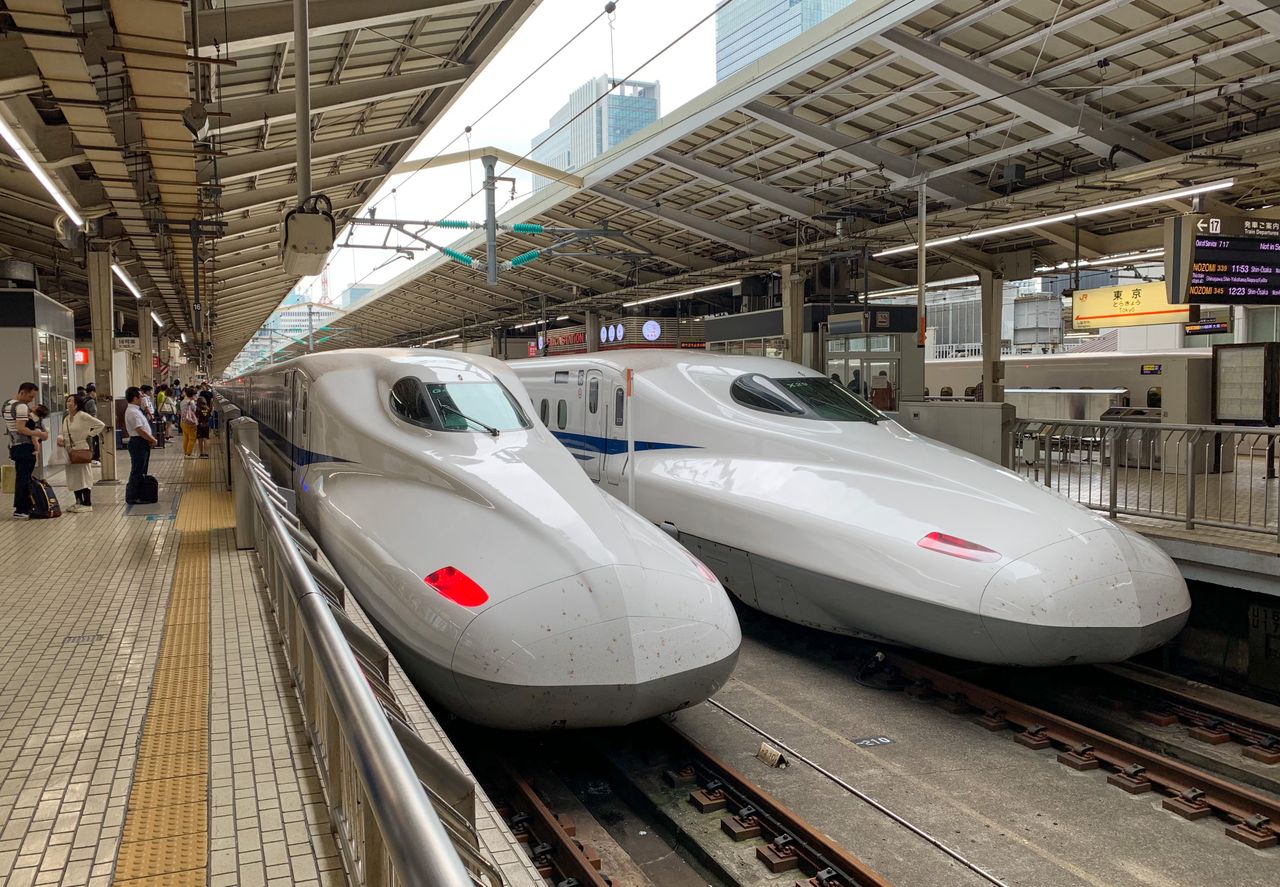
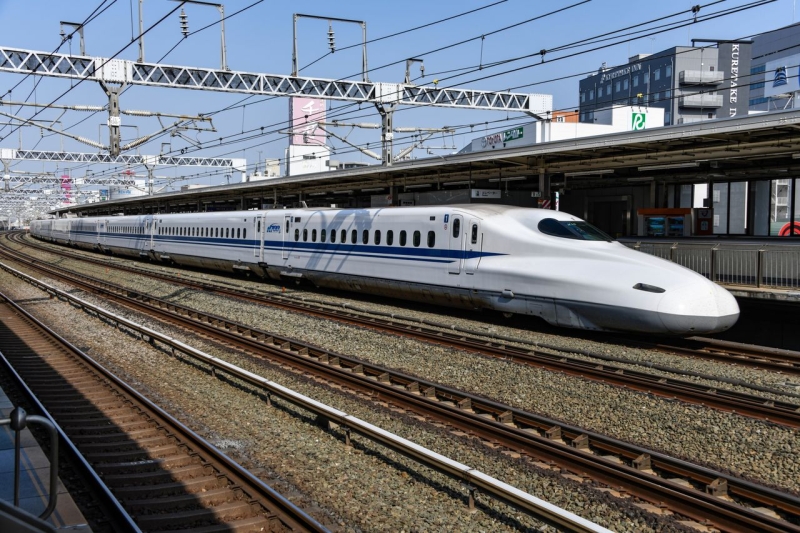
Few transportation systems in the world inspire as much admiration as Japan's Shinkansen, better known internationally as the bullet train. Since the first train departed Tokyo Station in 1964, the Shinkansen has become more than simply a means of travel—it is a symbol of Japanese engineering, precision, hospitality, and efficiency. Millions of travelers each year discover that the journey itself becomes one of the highlights of visiting Japan.
Whether traveling from Tokyo to Kyoto, Osaka, Hiroshima, or beyond, the Shinkansen offers a level of comfort and reliability that few airlines or rail systems can match. It is fast, remarkably quiet, exceptionally clean, and astonishingly punctual.
When the first Shinkansen entered service more than sixty years ago, its top speed of approximately 210 km/h (130 mph) revolutionized rail travel. Today's newest generations routinely operate at speeds of up to 320 km/h (199 mph), with engineers continuing to develop technologies that reduce travel times while improving passenger comfort and safety.
Rather than simply increasing speed, Japan has focused on refining every aspect of the travel experience. Aerodynamic nose designs minimize tunnel pressure waves and reduce noise. Advanced suspension systems create an incredibly smooth ride, while sophisticated automatic train control allows trains to operate safely at high speeds without traditional trackside signals.
Even at nearly 200 miles per hour, passengers are often amazed that they can comfortably enjoy a meal, work on a laptop, or sip a cup of coffee with barely a ripple.
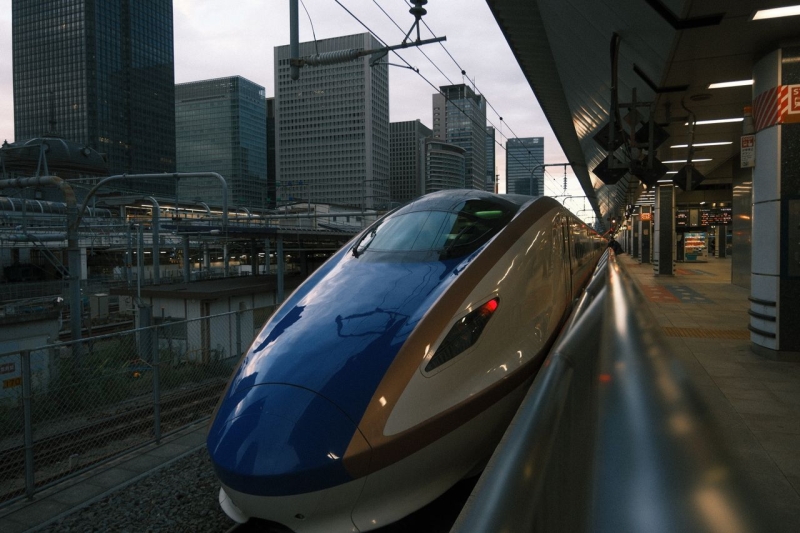
Perhaps even more impressive than the trains' speed is their punctuality. In most countries, a train arriving five minutes late is considered on time. In Japan, a delay measured in seconds can prompt an apology from the conductor. The Tokaido Shinkansen—the busy route connecting Tokyo, Nagoya, Kyoto, and Osaka—averages only about 1.6 minutes of delay per train over an entire year, even when weather-related disruptions are included. Hundreds of trains operate daily while maintaining this extraordinary level of precision.
Passengers quickly learn that when the departure board says 10:03 a.m., the train will leave at precisely 10:03—not 10:04.
This remarkable punctuality is possible because of meticulous maintenance, dedicated high-speed tracks, sophisticated scheduling software, and an operational culture that values precision above all else.
The Shinkansen has also established one of the finest safety records in transportation history. Since operations began in 1964, there have been no passenger fatalities resulting from train accidents while the system has been in operation. Earthquake detection systems automatically stop trains within seconds of detecting seismic activity, while continuous track monitoring and rigorous maintenance ensure exceptional reliability.
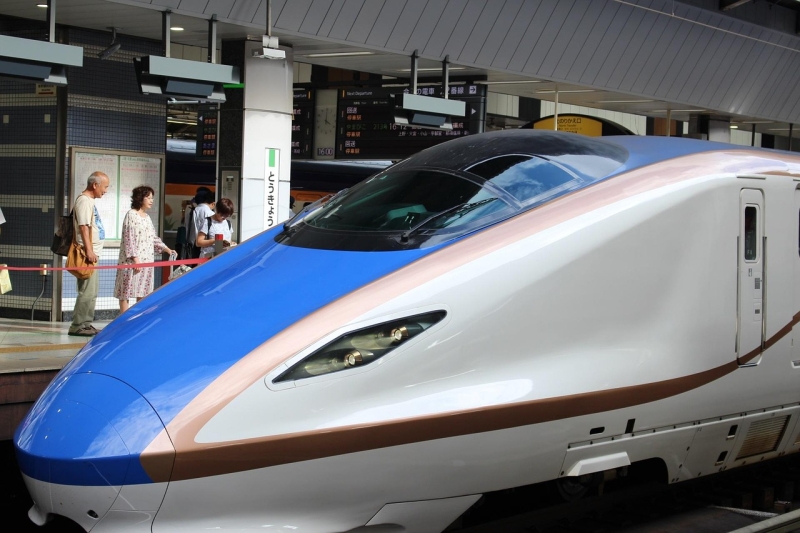
For travelers unfamiliar with Japan, stepping aboard a train traveling nearly 200 miles per hour can initially feel intimidating. Within minutes, however, the smooth ride and quiet cabin inspire complete confidence.
While standard Shinkansen seating is already considerably more spacious than airline economy class, experienced travelers often recommend upgrading to the Green Car whenever possible. Comparable to business class on an aircraft, the Green Car transforms an already comfortable journey into a luxurious one. Seats are wider, with significantly more legroom and deeper reclining angles. Cars are arranged in a 2-2 seating configuration rather than the denser standard layout, providing more personal space and easier aisle access. Footrests, reading lights, larger tray tables, and quieter surroundings contribute to an atmosphere of relaxed elegance. Green Cars also tend to attract business travelers and couples, creating a calmer, more peaceful environment. For journeys of two hours or more—particularly between Tokyo and Kyoto or Osaka—the modest additional cost often proves money well spent.
Those traveling on selected northern routes may even encounter Gran Class, Japan's equivalent of airline first class, complete with premium seating and, on many services, attendant-delivered refreshments. While undeniably luxurious, Gran Class is available only on certain Shinkansen lines, making the Green Car the finest choice on the popular Tokyo–Kyoto–Osaka route.
One of the pleasures of riding the Shinkansen is experiencing the understated professionalism of its staff. Conductors and attendants are impeccably dressed and unfailingly courteous. As they enter and leave each passenger car, they traditionally pause and bow respectfully before continuing their duties. Announcements are made clearly in both Japanese and English, helping international travelers navigate their journey with ease.
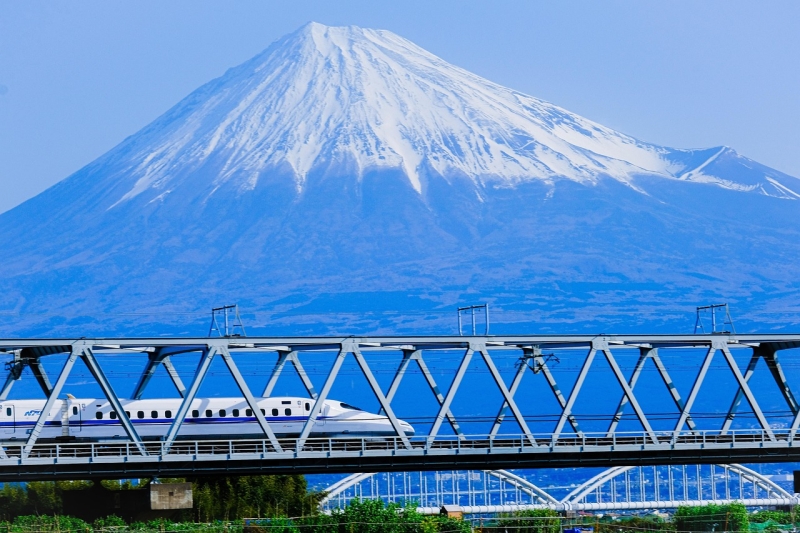
Depending upon the route, travelers may find refreshments, snacks, beverages, or specialty items available for purchase, although onboard services vary by operator and line. Many experienced travelers instead purchase beautifully prepared ekiben—regional boxed meals sold in station concourses—which have become an enjoyable tradition of Japanese rail travel. Watching Mount Fuji emerge outside the window while enjoying a carefully prepared bento lunch has become one of Japan's classic travel experiences.
One mistake many first-time visitors make is bringing oversized suitcases onto the Shinkansen.
Although the trains are spacious, storage areas are intentionally limited to maintain passenger comfort. Large bags compete for valuable space near the ends of each car, and travelers carrying oversized luggage on certain routes may need reserved luggage seating. Navigating crowded stations such as Tokyo or Shin-Osaka with multiple heavy suitcases can quickly become exhausting. Long corridors, escalators, elevators, and precise boarding times leave little room for delays. For this reason, seasoned travelers often use Japan's remarkably efficient luggage forwarding service, known as Takkyubin. Suitcases are delivered directly from one hotel to the next—often overnight—allowing passengers to travel comfortably with only a small overnight bag. The convenience is extraordinary. Instead of wrestling luggage through bustling stations, travelers simply step aboard, relax, and enjoy the scenery.
Unlike flying, rail travel in Japan is enjoyable from beginning to end.
Stations are located in city centers, eliminating lengthy airport transfers. Boarding requires no long security lines. Passengers arrive minutes before departure, board efficiently, and are quickly whisked through rice fields, mountain ranges, coastal landscapes, and bustling cities. The trains glide so smoothly that many first-time passengers find themselves repeatedly glancing at the digital speed display in disbelief. Even traveling at nearly 200 miles per hour, conversations remain easy, vibrations are minimal, and the ride feels almost effortless.
It is transportation transformed into an experience.
For honeymooners or couples seeking a memorable excursion from Tokyo, few journeys rival traveling aboard the famous Odakyu Romancecar to Hakone. Unlike the high-speed Shinkansen, the Romancecar is designed less for speed than for enjoyment. Departing directly from Shinjuku Station, the train glides southwest toward the mountains of Hakone in approximately 80 minutes, with all seats reserved for passengers.
Large panoramic windows invite travelers to watch Tokyo's skyscrapers gradually give way to quiet neighborhoods, rolling countryside, rivers, and forested mountains. During clear weather, Mount Fuji often makes a magnificent appearance in the distance. The journey sets a leisurely pace that perfectly complements a romantic getaway.
Hakone itself is famous for luxury ryokans, private outdoor hot-spring baths, traditional kaiseki dining, scenic cruises across Lake Ashi, ropeway rides over volcanic valleys, and unforgettable views of Japan's most iconic mountain. Many couples choose to spend one or two nights in a traditional ryokan, where attentive hospitality, exquisite cuisine, and private onsen baths create memories that last a lifetime.
The Romancecar has earned its affectionate name not because it is exclusively for couples, but because the journey naturally encourages travelers to slow down, admire the scenery, and enjoy one another's company. Beginning a honeymoon or anniversary trip aboard this elegant train provides a graceful transition from the energy of Tokyo to the tranquility of Hakone.
For countless visitors, that peaceful ride becomes every bit as memorable as the destination itself.
Since 1989, First Cabin Travel has offered luxury-styled travel to unique and varied destinations with the mainstay of bookings derived from repeat clientele and their enthusiastic referrals. First Cabin has come to be know as Your Passport to Excellence.
CA Reg 20168168-40