






SoftWave Therapy
A guide to its origins, uses, and effectiveness
8/24/2025
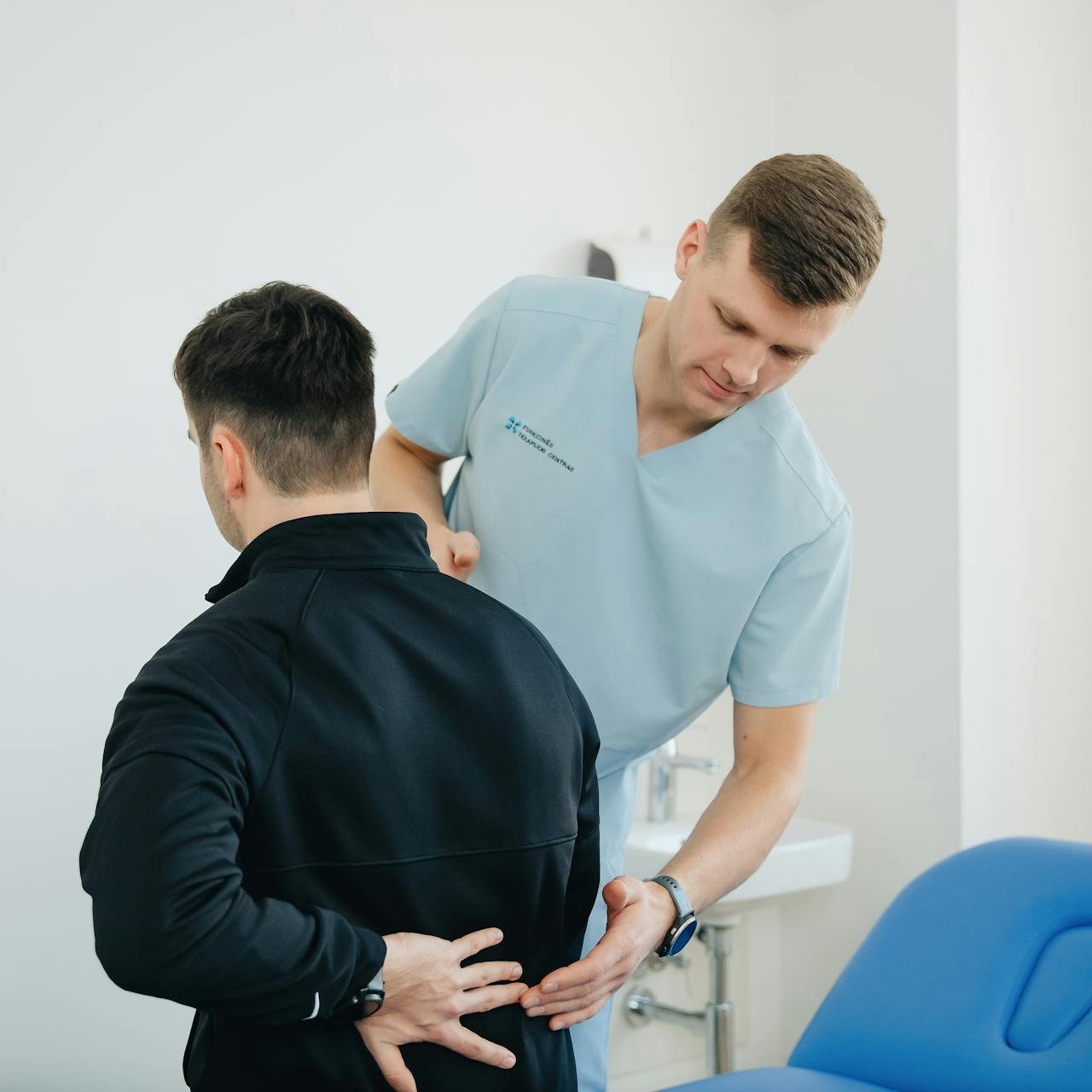
SoftWave Therapy, often referred to as SoftWave Tissue Regeneration Therapy (TRT), is an advanced form of extracorporeal shockwave therapy (ESWT) that uses unfocused, low-intensity acoustic waves to stimulate healing in soft tissues. Its roots stem from medical shockwave technology, first developed in Germany in the 1980s for the non-invasive treatment of kidney stones (lithotripsy).
As researchers studied the broader effects of shockwaves, they discovered that the same technology—when refined—could help regenerate soft tissues, reduce inflammation, and accelerate healing. This led to the development of devices specifically engineered for musculoskeletal medicine, orthopedics, sports medicine, and pain management. SoftWave Therapy has since gained approval in the United States by the FDA for specific musculoskeletal conditions, and it continues to be used worldwide as a non-invasive healing modality.
Unlike traditional shockwave therapies that concentrate energy at a single focal point, SoftWave Therapy uses unfocused electrohydraulic acoustic waves. These waves spread gently through the tissue and trigger biological responses such as:
-
Increased blood flow through angiogenesis (new vessel formation).
-
Stimulation of stem cells to migrate to the treated area.
-
Reduction of inflammation by modulating cellular activity.
-
Acceleration of tissue regeneration in tendons, ligaments, and muscles.
-
Pain relief by altering nerve signaling and breaking down scar tissue or calcifications.
This combination makes it a versatile therapy for both acute injuries and chronic conditions.
SoftWave Therapy has shown the strongest results in conditions involving chronic pain and slow-healing injuries. Some of the most common applications include:
-
Tendonitis (Achilles, rotator cuff, patellar tendon, tennis/golfer’s elbow).
-
Plantar fasciitis and heel spurs.
-
Osteoarthritis-related joint pain.
-
Chronic back, shoulder, or knee pain.
-
Muscle strains and scar tissue adhesions.
-
Sports injuries that resist conventional therapies.
Patients often report pain relief after the first session, though a series of treatments is usually recommended for lasting benefit. Clinical studies suggest that SoftWave Therapy may reduce the need for surgery in certain cases, making it a preferred alternative for conservative care.
Because SoftWave Therapy is a medical-grade procedure, it should be administered only by licensed healthcare professionals. These may include:
-
Physicians (orthopedists, sports medicine doctors, pain specialists).
-
Chiropractors.
-
Physical therapists.
-
Other providers trained and certified in the use of SoftWave devices.
Training ensures that providers apply the therapy correctly, selecting the right energy level, treatment duration, and frequency for each patient’s condition.
SoftWave Therapy is considered very safe. It is non-invasive, does not require anesthesia, and has no downtime. Most patients experience mild soreness during or shortly after treatment, which typically resolves within 24–48 hours.
SoftWave Therapy can generally be used alongside prescription medications. It does not interfere with most drugs, including pain relievers or anti-inflammatories. However, patients on blood thinners or with bleeding disorders should consult their physician first.
SoftWave Therapy is safe for patients with metal implants, screws, or joint replacements because the acoustic waves act on soft tissues and not directly on the implant. In fact, it may assist in post-surgical recovery by improving circulation and reducing scar tissue formation.
SoftWave Therapy is safe for both high and low blood pressure patients, as the treatment works locally on tissues rather than altering systemic circulation. However, individuals with severe uncontrolled hypertension should receive clearance from their physician.
There is no strict age barrier. It has been used effectively in younger athletes, middle-aged adults with overuse injuries, and older adults with degenerative conditions such as arthritis. The main consideration is overall health status rather than age itself.
-
Not recommended for pregnant women due to lack of safety studies.
-
Should not be applied directly over active infections or open wounds.
-
Patients with pacemakers or electronic implants should consult a doctor before use.
-
Those with cancer near the treatment area should avoid SoftWave Therapy until cleared by their physician.
SoftWave Therapy is not a miracle cure but rather a powerful healing tool. Many patients experience significant pain reduction, improved mobility, and faster healing. However, results depend on:
-
The severity and duration of the condition.
-
The patient’s overall health, activity level, and compliance with post-treatment care.
-
Whether SoftWave is combined with other therapies such as exercise, physical therapy, or lifestyle changes.
Patients should expect gradual improvement rather than overnight recovery. While some report noticeable relief after the first treatment, most require 3–8 sessions for optimal results. Long-term relief is often achieved when paired with rehabilitative strategies.
SoftWave Therapy represents the evolution of shockwave technology into a safe, effective, and versatile treatment for chronic pain, injuries, and degenerative conditions. Its origins in medical innovation, combined with its proven biological effects, make it a trusted option for patients seeking non-invasive pain relief and tissue healing.
When administered by trained professionals, SoftWave Therapy can be used safely in combination with prescription medications, after surgeries with implants, and across a wide range of ages and health conditions. With realistic expectations, most patients find it to be a transformative addition to their recovery journey.