






Southeast Asia
a journey through thailand, vietnam, cambodia, and laos
6/21/2026
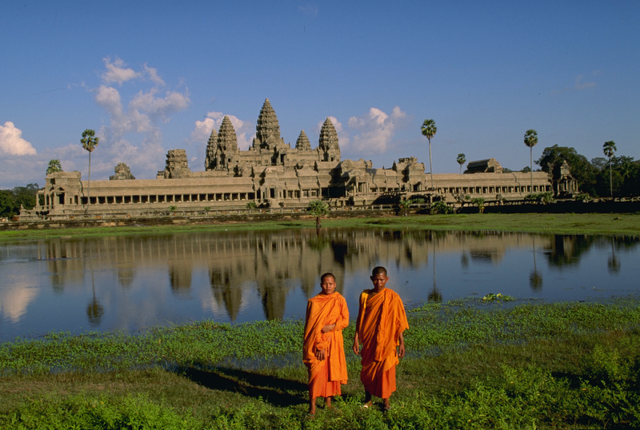
Southeast Asia is a region where ancient kingdoms, vibrant cultures, spiritual traditions, and breathtaking landscapes converge to create one of the world's most fascinating destinations. Stretching from the tropical beaches of Thailand to the emerald rice terraces of Vietnam, and from the ancient temples of Cambodia to the tranquil mountains of Laos, the region offers travelers a remarkable blend of history, natural beauty, and cultural diversity. While each nation possesses its own unique identity, they share centuries of interconnected history shaped by trade, religion, colonial influence, and enduring traditions.
A Region Rich in Heritage
For centuries, Southeast Asia has served as a crossroads between East and West. Merchants from China, India, Arabia, and Europe brought goods, ideas, religions, and cultures that profoundly influenced the region. Buddhism became a dominant spiritual force throughout much of mainland Southeast Asia, leaving behind magnificent temples, monasteries, and cultural traditions that continue to shape daily life.
The countries of Thailand, Vietnam, Cambodia, and Laos form the heart of mainland Southeast Asia. Though neighboring nations, each offers distinctly different experiences, landscapes, cuisines, and histories that together create a rich tapestry of discovery.
Thailand: The Land of Smiles
Thailand has long been one of Southeast Asia's most popular destinations, celebrated for its welcoming people, vibrant cities, tropical islands, and magnificent temples. Known as the "Land of Smiles," Thailand seamlessly balances ancient traditions with modern development.
Bangkok: A Dynamic Capital
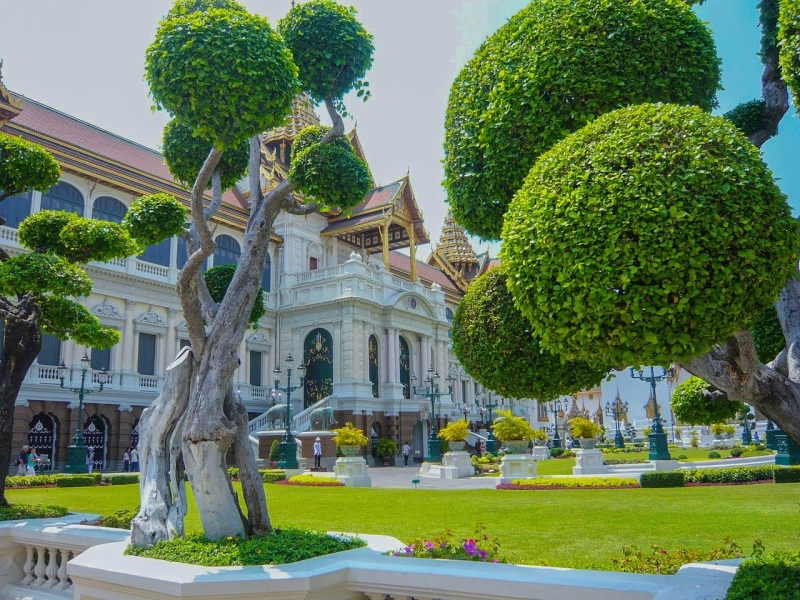
Thailand's capital city, Bangkok, is a bustling metropolis where gleaming skyscrapers rise above centuries-old temples and bustling markets. Visitors often find themselves captivated by the city's energy as colorful longtail boats navigate the Chao Phraya River and street vendors prepare aromatic dishes on nearly every corner.The Grand Palace remains one of the country's most treasured landmarks, showcasing intricate Thai architecture and housing the revered Emerald Buddha. Nearby temples, including Wat Pho and Wat Arun, offer stunning examples of Thailand's artistic and spiritual heritage.
Northern Thailand
Far from Bangkok's urban intensity lies Chiang Mai, the cultural heart of northern Thailand. Surrounded by mountains and lush countryside, the city is renowned for its historic temples, traditional handicrafts, and vibrant night markets.
Visitors often venture into the surrounding highlands where hill tribe communities maintain customs that have endured for generations. The region's cooler climate and slower pace provide a refreshing contrast to the tropical south.
Southern Islands and Beaches
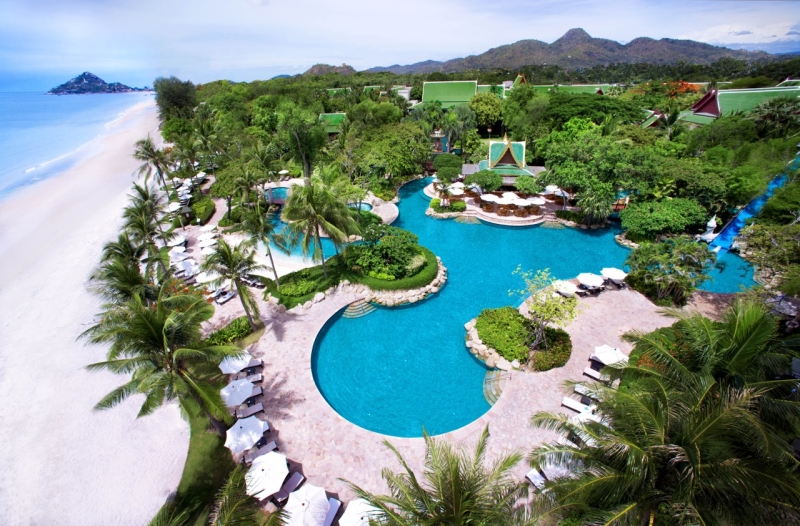
Thailand's southern coastlines feature some of the world's most celebrated beaches. Crystal-clear waters, dramatic limestone cliffs, and vibrant marine ecosystems attract visitors to destinations such as Phuket, Krabi, and the islands of the Andaman Sea and Gulf of Thailand.
Whether exploring hidden coves, snorkeling among coral reefs, or enjoying spectacular sunsets, travelers discover why Thailand remains a premier tropical destination.
Thai Cuisine
Thai cuisine is among the most beloved in the world, renowned for its balance of sweet, sour, salty, and spicy flavors. Dishes such as Pad Thai, Tom Yum soup, Green Curry, and Mango Sticky Rice reflect the country's rich culinary traditions and regional diversity.
Vietnam: A Land of Resilience and Beauty
Stretching more than 1,000 miles along the South China Sea, Vietnam offers a remarkable diversity of landscapes, cultures, and historical experiences. From bustling cities to remote mountain villages, Vietnam captivates travelers with its beauty and resilience.
Hanoi and the North
Vietnam's capital, Hanoi, blends centuries-old architecture with modern energy. Narrow streets in the Old Quarter teem with motorcycles, cafés, and traditional merchants. French colonial buildings stand alongside ancient temples and bustling markets.
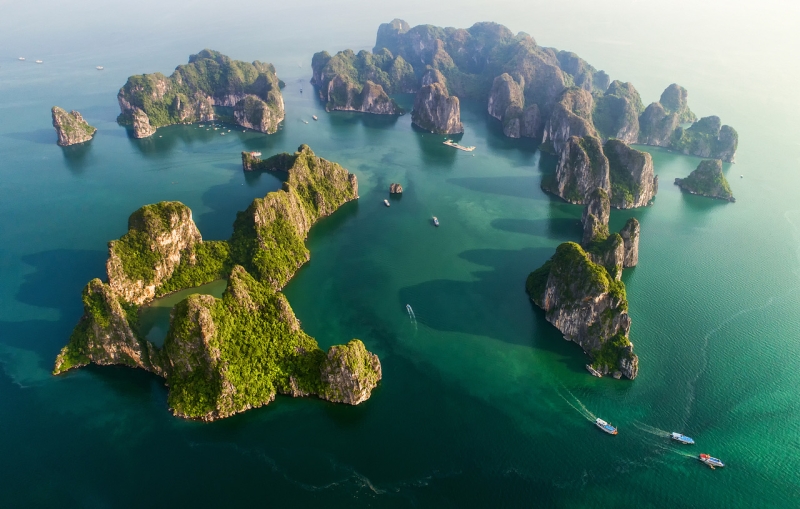
North of Hanoi lies Ha Long Bay, a UNESCO World Heritage Site famous for its thousands of limestone karsts rising dramatically from emerald waters. The bay's otherworldly beauty has made it one of Southeast Asia's most iconic destinations.
Central Vietnam
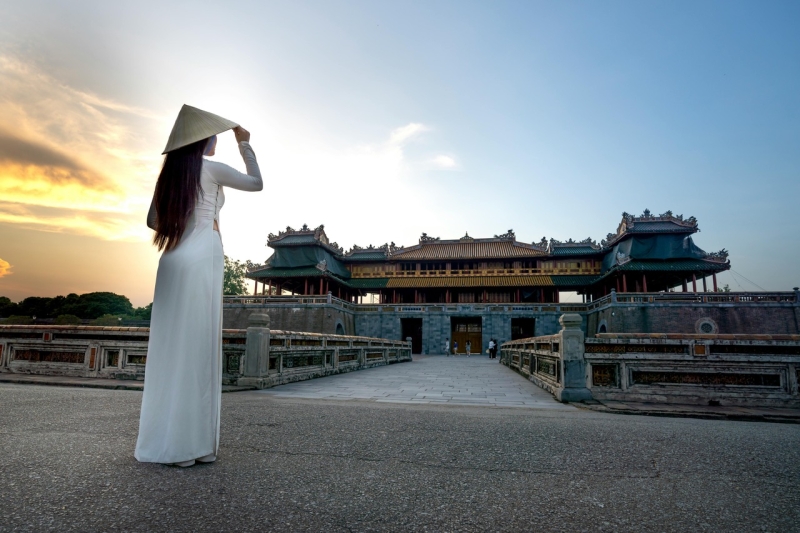
Central Vietnam is home to some of the country's most significant cultural treasures. The ancient imperial city of Huế served as the seat of the Nguyen Dynasty and retains many historic palaces, temples, and royal tombs.
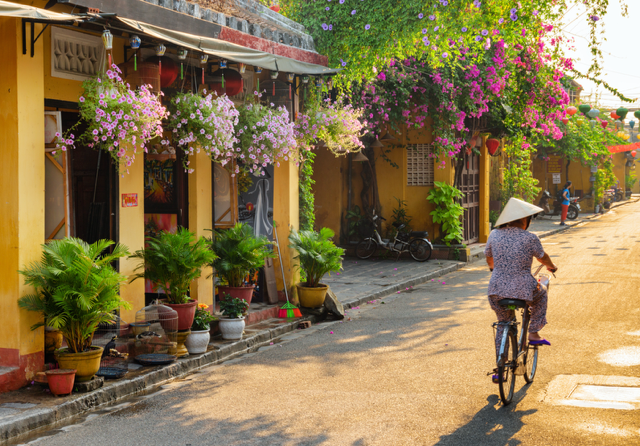
Nearby Hoi An enchants visitors with its preserved architecture, lantern-lit streets, and riverside charm. Once a thriving trading port, Hoi An reflects influences from China, Japan, and Europe, creating a unique cultural blend.
Ho Chi Minh City and the South
In the south, Ho Chi Minh City (formerly Saigon) represents Vietnam's commercial powerhouse. The city buzzes with entrepreneurial energy while preserving reminders of its complex history through museums, colonial architecture, and historic landmarks.
The fertile Mekong Delta extends beyond the city, forming a vast network of rivers, canals, and floating markets that support millions of residents through agriculture and fishing.
Vietnamese Cuisine
Vietnamese cuisine emphasizes freshness, balance, and simplicity. Signature dishes such as Pho, Bánh Mì, Fresh Spring Rolls, and Bun Cha showcase fragrant herbs, delicate broths, and vibrant ingredients that have earned global acclaim.
Cambodia: Home of Angkor's Glory
Cambodia's history is both inspiring and sobering. The nation is best known for the extraordinary temples of Angkor, remnants of one of Southeast Asia's greatest civilizations. Yet Cambodia has also endured profound hardship and emerged with remarkable resilience.
The Magnificent Angkor Complex
The Angkor Archaeological Park near Siem Reap is one of the world's greatest cultural treasures. Built between the 9th and 15th centuries by the Khmer Empire, the vast complex includes hundreds of temples spread across dense forests.
Angkor Wat, the largest religious monument on Earth, stands as Cambodia's national symbol and one of humanity's most impressive architectural achievements. Its intricate carvings, soaring towers, and extraordinary scale continue to inspire visitors from around the world.
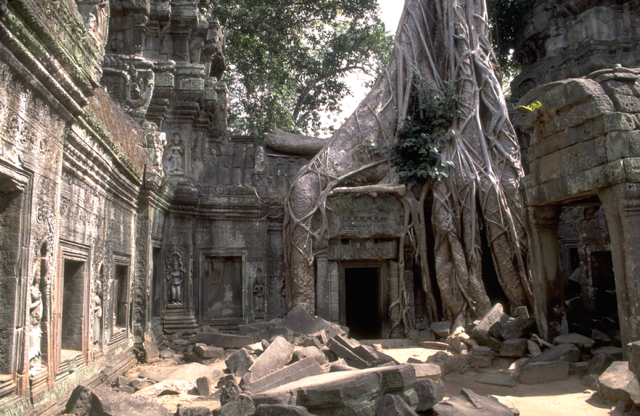
Nearby temples such as Bayon and Ta Prohm reveal equally captivating artistry. Massive stone faces gaze serenely from temple towers while giant tree roots intertwine with ancient walls, creating scenes that seem almost mythical.
Phnom Penh
Cambodia's capital, Phnom Penh, sits at the confluence of the Mekong and Tonlé Sap rivers. The city combines royal heritage, French colonial influences, and modern development.
Visitors often explore the Royal Palace and Silver Pagoda while also learning about Cambodia's difficult recent history through museums and memorials dedicated to preserving the memory of the Khmer Rouge era.
Tonlé Sap Lake
Southeast Asia's largest freshwater lake, Tonlé Sap, supports extensive fishing communities that live in floating villages. The lake's unique seasonal flooding creates one of the region's most productive ecosystems and plays a critical role in Cambodia's economy and culture.
Cambodian Cuisine
Cambodian cuisine is often overshadowed by its neighbors but offers distinctive flavors and traditions. Dishes frequently incorporate freshwater fish, aromatic herbs, coconut milk, and locally grown vegetables. Traditional recipes reflect centuries of Khmer culinary heritage.
Laos: Southeast Asia's Hidden Gem
Often overlooked by travelers, Laos offers a quieter, more contemplative experience. Mountainous landscapes, Buddhist traditions, and a relaxed pace of life have earned it a reputation as one of Southeast Asia's most peaceful destinations.
Luang Prabang
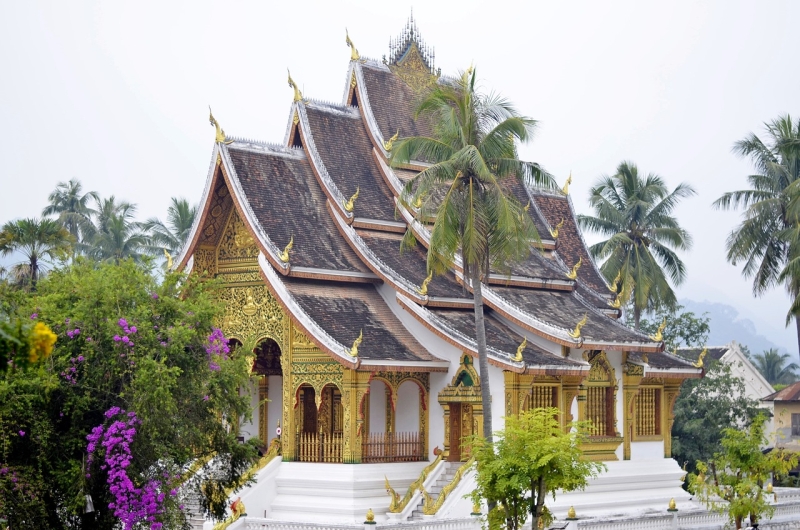
Nestled between mountains and rivers, Luang Prabang is widely regarded as one of Southeast Asia's most beautiful towns. Recognized as a UNESCO World Heritage Site, the city features elegant French colonial architecture, golden Buddhist temples, and tranquil streets.
Each morning, saffron-robed monks participate in the traditional alms-giving ceremony, a spiritual practice that has endured for centuries and remains deeply woven into local life.
The Mighty Mekong
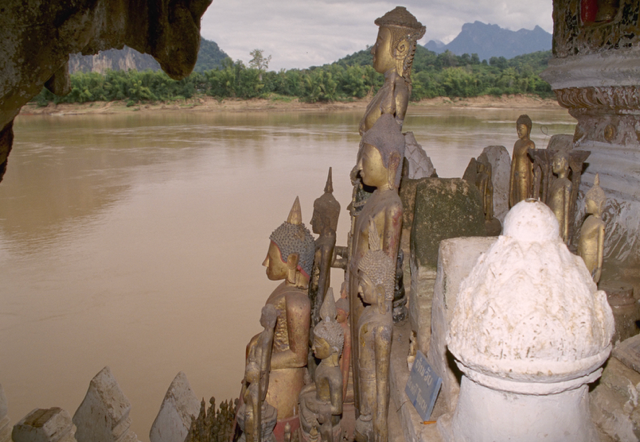
The Mekong River serves as Laos' lifeline, winding through much of the country and shaping its history, economy, and culture. River travel offers opportunities to witness rural villages, dramatic landscapes, and daily life largely unchanged by modern development.
Mountains and Natural Wonders
Laos boasts spectacular scenery, including limestone mountains, dense forests, waterfalls, and cave systems. Kuang Si Falls near Luang Prabang is among the country's most photographed natural attractions, with cascading turquoise pools surrounded by lush jungle.
Adventure travelers increasingly visit Laos for hiking, kayaking, cycling, and eco-tourism experiences that showcase the country's natural beauty.
Lao Cuisine
Sticky rice serves as the cornerstone of Lao cuisine and accompanies most meals. Traditional dishes often feature fresh herbs, grilled meats, spicy dipping sauces, and vibrant flavors that reflect the country's agricultural heritage.
Shared Threads Across Southeast Asia
Despite their differences, Thailand, Vietnam, Cambodia, and Laos share common cultural themes. Buddhism remains a powerful influence throughout much of the region, visible in temples, festivals, and daily customs. Respect for family, community, and tradition continues to shape society even amid rapid modernization.
The Mekong River, flowing through or alongside all four countries, serves as a geographical and cultural artery connecting millions of people. For centuries, it has facilitated trade, agriculture, transportation, and cultural exchange.
The region's warm hospitality is equally notable. Visitors often find that personal interactions—whether in a bustling city market, a remote mountain village, or a riverside café—become some of their most memorable experiences.
The Enduring Allure of Southeast Asia
Thailand, Vietnam, Cambodia, and Laos collectively represent the essence of Southeast Asia: a region where ancient civilizations coexist with modern ambitions, where spiritual traditions remain vibrant, and where natural beauty inspires wonder at every turn.
From Thailand's bustling streets and tropical beaches to Vietnam's dramatic coastline and rich history; from Cambodia's awe-inspiring temples to Laos' serene landscapes and gentle pace, each country offers a unique chapter in a broader story of cultural richness and resilience.
For travelers seeking history, adventure, cuisine, spirituality, or simply a deeper understanding of one of the world's most captivating regions, Southeast Asia continues to provide an unforgettable journey—one that reveals new discoveries with every visit and leaves lasting impressions long after the journey ends.
Since 1989, First Cabin Travel has offered luxury-styled itineraries to unique and varied destinations with the mainstay of bookings derived from repeat clientele and their enthusiastic referrals - First Cabin has come to be known was Your Passport to Excellence CA Reg:2016168-40
