






SpaceX: Pioneering the Future of Space Travel
The Evolution and Successes of SpaceX:
3/27/2025
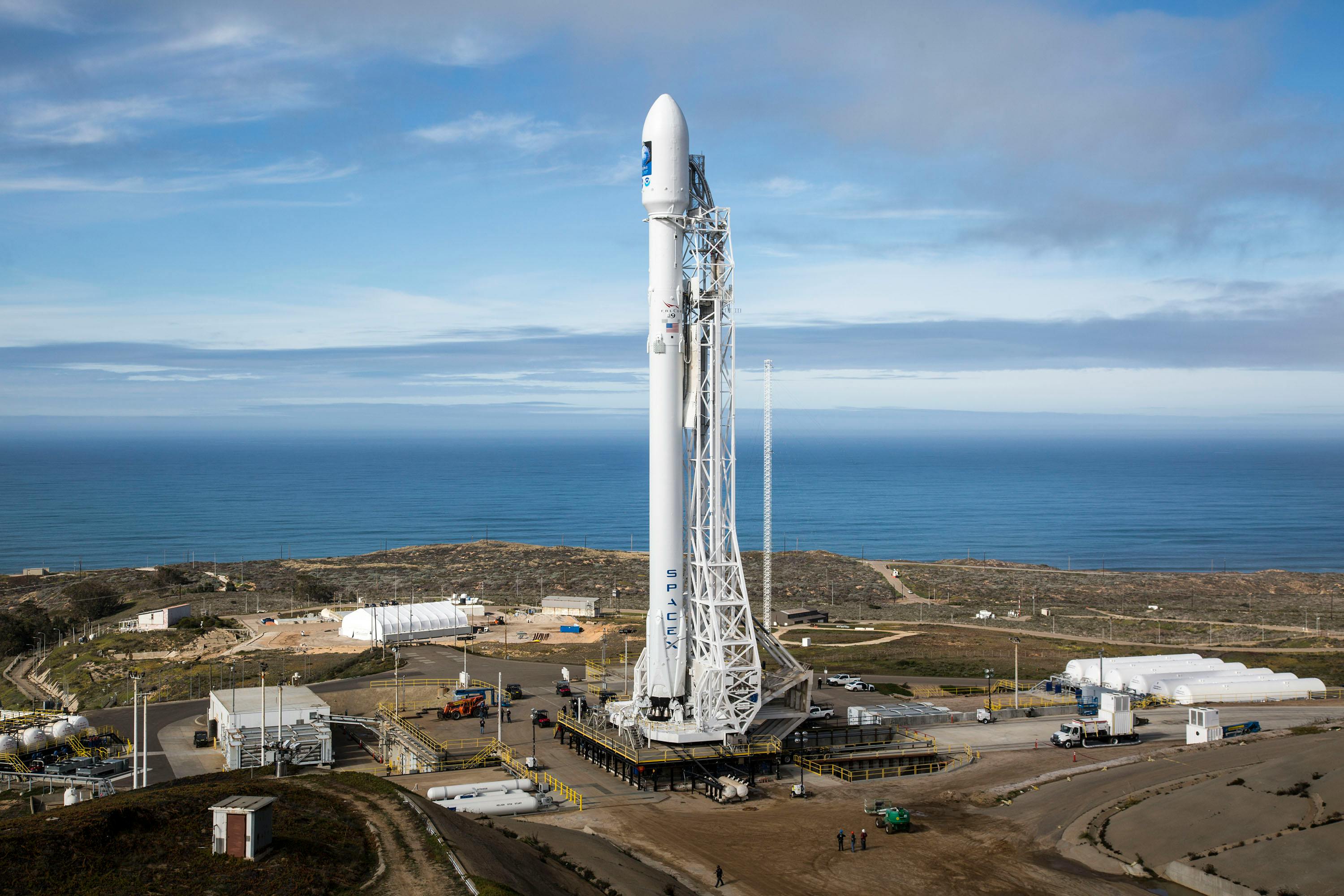
Space Exploration Technologies Corp., commonly known as SpaceX, has revolutionized the aerospace industry under the visionary leadership of Elon Musk. Founded in 2002, SpaceX aimed to reduce the cost of space travel and make interplanetary colonization a reality. Over the years, the company has experienced remarkable successes, notable failures, and significant advancements in rocket technology, making it one of the most influential players in space exploration today. This article delves into the development of SpaceX, its milestones, failures, and the future of its ambitious space endeavors.
Elon Musk, an entrepreneur known for his ventures in PayPal and Tesla, founded SpaceX with the goal of making space travel more cost-effective and sustainable. The company’s first major project was the Falcon 1, a small orbital rocket designed to be reusable. However, the road to success was far from smooth.
Between 2006 and 2008, three consecutive launches of Falcon 1 failed, nearly bankrupting the company. The failures were due to engine malfunctions, fuel leakage, and other technical issues. However, instead of abandoning the project, Musk and his team worked tirelessly to identify the issues and improve the design.The fourth launch of Falcon 1 on September 28, 2008, was a success, making it the first privately developed liquid-fueled rocket to reach orbit. This achievement marked a turning point for SpaceX, securing the company’s place in the aerospace industry and attracting the attention of NASA.
Following the success of Falcon 1, SpaceX developed the Falcon 9, a more powerful rocket capable of carrying heavier payloads. The first Falcon 9 launch occurred in June 2010, proving to be a milestone in SpaceX's journey. However, the company's true breakthrough came with its focus on reusability.
Traditional rockets were designed for single-use, making spaceflight extremely costly. SpaceX introduced the idea of reusable boosters, which could land back on Earth after launch and be flown multiple times. This concept was first tested with the Grasshopper prototype, leading to the first successful Falcon 9 booster landing in December 2015.
Since then, SpaceX has perfected its booster recovery system, drastically reducing the cost of space missions. This innovation has positioned SpaceX as a leader in the commercial space industry, securing contracts with NASA, the U.S. military, and private companies.
SpaceX’s Dragon spacecraft became the first commercial vehicle to dock with the International Space Station (ISS) in 2012. The Dragon capsule was initially used for cargo missions, delivering supplies and scientific equipment to astronauts aboard the ISS.
In 2020, SpaceX made history again with the Crew Dragon mission, successfully transporting NASA astronauts to the ISS. The Crew Dragon program has since become a key component of NASA’s human spaceflight operations, reducing reliance on Russian Soyuz rockets.
One of SpaceX’s most ambitious projects is Starlink, a satellite constellation designed to provide global high-speed internet coverage. The first Starlink satellites were launched in 2019, and as of 2024, thousands of satellites are in orbit, serving millions of users worldwide. Starlink aims to bridge the digital divide, bringing internet access to remote and underserved areas. Despite criticism over satellite congestion and potential impacts on astronomy, SpaceX continues to expand the network, with plans for future enhancements in speed and reliability.
Despite its successes, SpaceX has encountered several high-profile failures, including:
-
The Falcon 9 explosion in 2015, which destroyed a NASA cargo mission.
-
The Falcon 9 explosion on the launchpad in 2016, resulting in the loss of a Facebook-backed satellite.
-
Starship test flights that ended in explosions before the successful landing in 2021.
Each failure, however, provided valuable lessons, allowing SpaceX to refine its technology and improve future launches. The company’s rapid iteration approach ensures continuous improvement with each setback.
SpaceX’s most ambitious project is the Starship, a fully reusable spacecraft designed for missions to the Moon, Mars, and beyond. Starship, combined with the powerful Super Heavy booster, aims to carry astronauts and cargo on deep-space missions. NASA has selected Starship for its Artemis program, which aims to return humans to the Moon by the mid-2020s. Meanwhile, Elon Musk envisions Starship as the key to making humanity a multi-planetary species, with the long-term goal of establishing a colony on Mars.
SpaceX has an ambitious roadmap for the future, including:
-
Expanding Starlink’s global coverage to provide internet services even in the most remote areas.
-
Further developing Starship for Moon and Mars colonization.
-
Continuing human spaceflight missions with NASA and commercial passengers.
-
Building a space-based economy, with plans for space tourism and interplanetary transport.
SpaceX has transformed space exploration, proving that private companies can compete with and even surpass government agencies in innovation. Through perseverance, engineering breakthroughs, and an ambitious vision, Elon Musk’s company has achieved remarkable milestones. While challenges remain, SpaceX’s future looks bright, promising to redefine humanity’s relationship with space and possibly pave the way for life beyond Earth.