






Stem Cells
Promise, Progress, Ethics, and the Future of Regenerative Medicine
7/31/2026
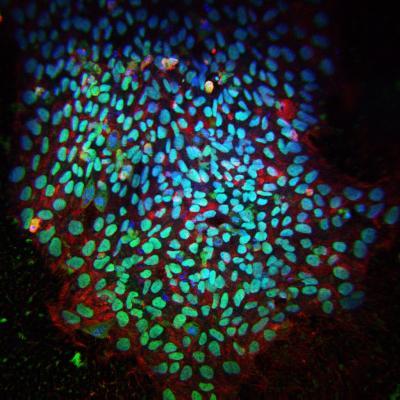
Stem cell research represents one of the most remarkable frontiers in modern medicine. Few scientific discoveries have generated as much excitement—or as much debate. To supporters, stem cells offer the possibility of repairing damaged organs, restoring lost function, and perhaps one day curing diseases that have long been considered irreversible. To critics, particularly during the earliest years of research, important ethical questions arose concerning the source of certain stem cells and the moral implications of their use.
Today, stem cell science has evolved dramatically. New technologies have greatly reduced reliance on embryonic stem cells, expanded the use of adult stem cells and induced pluripotent stem cells, and opened entirely new avenues for regenerative medicine. Yet questions remain regarding safety, accessibility, regulation, and the ethical limits of scientific advancement.
What Are Stem Cells?
Stem cells are unique cells that possess two extraordinary characteristics. First, they can continually divide and reproduce themselves over long periods. Second, they have the ability to develop into specialized cells such as muscle, nerve, bone, blood, cartilage, skin, and numerous other tissues throughout the body.
Unlike ordinary cells, which generally perform one specific function, stem cells remain unspecialized until they receive biological signals directing them to become a particular type of cell. This remarkable flexibility makes them invaluable for both medical research and clinical therapies. Scientists generally classify stem cells according to their source and developmental potential.
Types of Stem Cells
Embryonic Stem Cells
Embryonic stem cells are obtained from embryos that are typically four to six days old during the blastocyst stage of development. These embryos generally originate from donated embryos created through in vitro fertilization (IVF) procedures that are no longer intended for pregnancy.
Embryonic stem cells are considered pluripotent, meaning they have the ability to become virtually any cell type in the human body. This versatility initially made them the focus of enormous scientific interest However, obtaining these cells requires destruction of the embryo, creating the ethical controversy that has shaped much of the public debate surrounding stem cell research.
Adult Stem Cells
Adult stem cells are found naturally throughout the body and serve as the body's internal repair system. They exist in:
- Bone marrow
- Blood
- Fat (adipose tissue)
- Brain
- Skin
- Liver
- Dental pulp
- Muscle
- Umbilical cord tissue
Adult stem cells are more limited in what they can become than embryonic stem cells, but they have become the foundation of many successful therapies currently in use.
Umbilical Cord Stem Cells
After childbirth, stem cells can be collected from the umbilical cord and placenta without any harm to either mother or infant These stem cells have become increasingly valuable because they are readily available, ethically acceptable to many religious groups, and have been used successfully in treating numerous blood disorders and immune diseases. Many parents now choose to bank umbilical cord blood for potential future medical use.
Induced Pluripotent Stem Cells (iPSCs)
Perhaps the greatest breakthrough of the past two decades came with the discovery that ordinary adult cells can be genetically "reprogrammed" to behave almost identically to embryonic stem cells. Known as induced pluripotent stem cells (iPSCs), these cells are created from adult skin or blood cells. This revolutionary technology dramatically reduced many ethical concerns because no embryos are involved while still providing scientists with highly versatile cells for research.
Where Stem Cells Are Obtained
Stem cells may be collected from a variety of sources, including:
- Bone marrow aspiration
- Peripheral blood after medication stimulates stem cell release
- Adipose (fat) tissue obtained through liposuction
- Umbilical cord blood
- Placental tissue
- Dental pulp from extracted wisdom teeth
- Skin biopsies
- Laboratory reprogramming of adult cells (iPSCs)
Each source offers different advantages depending upon the intended treatment or research application.
The History of Stem Cell Research
Modern stem cell science began in the 1960s with discoveries involving bone marrow transplantation. In 1981, scientists first isolated embryonic stem cells in mice. By 1998, researchers successfully isolated human embryonic stem cells, creating worldwide excitement—and immediate ethical controversy. The early 2000s witnessed intense political debate over government funding in several countries, particularly the United States.
A major turning point occurred in 2006 when Japanese scientist Shinya Yamanaka developed induced pluripotent stem cells, earning the Nobel Prize in Physiology or Medicine in 2012. His discovery transformed the field by providing an alternative to embryonic stem cells.
The Ethical Controversy
The ethical debate centers primarily on one question:
When does human life begin?
Those opposed to embryonic stem cell research believe that destroying a human embryo—even one only a few days old—constitutes destruction of human life. Supporters argue that embryos used for research are often excess IVF embryos that would otherwise be discarded and that their use could lead to treatments benefiting millions of patients. This disagreement has influenced legislation, funding, and public opinion for more than two decades.
The Vatican's Position
The Vatican has consistently opposed research requiring destruction of human embryos. The Catholic Church teaches that human life begins at conception and that every embryo deserves the same moral respect as any human being. Consequently, the Vatican opposes embryonic stem cell research involving destruction of embryos regardless of potential medical benefits.
However, the Church has generally supported research involving:
- Adult stem cells
- Umbilical cord stem cells
- Placental stem cells
- Induced pluripotent stem cells (iPSCs)
Because these approaches do not require destruction of embryos, they are considered ethically acceptable within Catholic teaching. Interestingly, Vatican officials have praised advances in adult stem cell therapies and have encouraged scientific research that respects human dignity while advancing medicine.
Other Religious Perspectives
Religious views vary considerably. Many Protestant denominations support carefully regulated embryonic research. Jewish scholars generally place strong emphasis on saving existing lives and often support stem cell research under strict ethical guidelines. Islamic scholars have expressed differing opinions, with many permitting embryonic research before a certain stage of fetal development under carefully defined circumstances. These differences illustrate the complex relationship between scientific advancement and deeply held moral beliefs.
Diseases Being Studied
Stem cell research is currently investigating treatments for hundreds of conditions, including:
- Parkinson's disease
- Alzheimer's disease
- ALS (Lou Gehrig's disease)
- Multiple sclerosis
- Stroke
- Spinal cord injury
- Heart disease
- Diabetes
- Macular degeneration
- Blindness
- Osteoarthritis
- Rheumatoid arthritis
- Leukemia
- Lymphoma
- Sickle cell disease
- Burns
- Severe skin injuries
- Liver disease
- Kidney disease
- Crohn's disease
Researchers continue expanding this list each year.
Treatments Already Helping Patients
Despite media headlines suggesting stem cell therapies remain entirely experimental, several are already well established. Bone marrow transplantation, which relies on blood-forming stem cells, has been saving lives for decades.
Stem cell transplants now routinely treat:
- Leukemia
- Multiple myeloma
- Lymphoma
- Severe immune deficiencies
- Certain inherited metabolic disorders
Patients with severe burns have also benefited from laboratory-grown skin produced from stem cells. Corneal stem cell transplantation has restored vision for some individuals suffering from severe eye injuries. More recently, carefully regulated clinical trials have demonstrated encouraging results for certain forms of Parkinson's disease, type 1 diabetes, spinal cord injury, and retinal disease, although many of these therapies remain investigational.
Is Stem Cell Therapy Really Working?
The answer is both yes and no. For some diseases, stem cell therapy has become standard medical practice and saves thousands of lives every year. For many other conditions, research remains promising but incomplete.
Scientists continue evaluating:
- Long-term effectiveness
- Optimal cell types
- Best delivery methods
- Durability of results
- Potential side effects
Medical experts caution patients to distinguish between approved treatments and clinics offering expensive, unproven stem cell interventions that may lack scientific evidence.
Risks and Potential Detriments
Although stem cells offer tremendous promise, they also carry risks.
Potential complications include:
Tumor Formation
Highly versatile stem cells may continue dividing uncontrollably, creating tumors if not carefully directed.
Immune Rejection
Transplanted cells from another individual may be recognized as foreign and attacked by the patient's immune system.
Infection
As with any transplantation procedure, infection remains a concern.
Incorrect Cell Development
Stem cells must receive precise biological instructions. If those signals fail, cells may develop into unwanted tissue.
Unknown Long-Term Effects
Because many therapies remain relatively new, researchers continue studying effects that may appear years after treatment.
The Growth of Stem Cell Biobanks
One rapidly expanding area involves stem cell banking.
Thousands of families now preserve:
- Umbilical cord blood
- Umbilical cord tissue
- Placental tissue
These biological materials may someday provide valuable treatment options if family members develop certain diseases. Worldwide, numerous public and private biobanks store millions of stem cell samples for research and clinical use.
Bioproducts and Emerging Technologies
Stem cell science has generated an expanding ecosystem of related technologies and biological products. These include:
- Engineered skin substitutes
- Bone graft materials
- Cartilage repair products
- Corneal tissue replacements
- Stem-cell-derived immune cells
- Laboratory-grown blood cells
- Drug-testing platforms using human tissues
- Three-dimensional organoids ("mini-organs")
- Bioengineered heart muscle
- Artificial retinal tissue
- Regenerative wound dressings
- Personalized cell lines for precision medicine
These advances are helping researchers study disease, evaluate drug safety, and develop treatments that may reduce reliance on animal testing.
Organoids: Miniature Human Organs
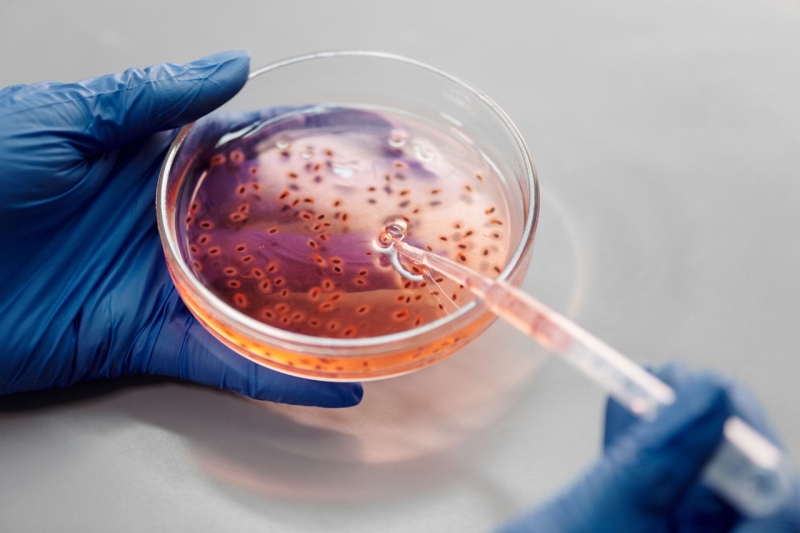
One of the most exciting developments is the creation of organoids These tiny laboratory-grown structures resemble simplified versions of organs such as the brain, liver, kidney, lung, intestine, and retina. Although they cannot function as complete organs, organoids allow scientists to observe disease processes and test medications in human tissue without exposing patients to unnecessary risk.
The Future: Can We Grow Entire Organs?
Perhaps the greatest dream of regenerative medicine is growing replacement organs.
Researchers are actively exploring methods to grow:
- Hearts
- Kidneys
- Livers
- Pancreases
- Lungs
Although fully functional laboratory-grown organs remain a future goal, scientists have already engineered small sections of tissues, blood vessels, cartilage, and simple organ-like structures. If successful, this technology could dramatically reduce transplant waiting lists and eliminate many problems associated with organ rejection.
Artificial Intelligence and Stem Cell Research
Artificial intelligence is becoming an increasingly important partner in stem cell research.
AI systems now assist scientists by:
- Identifying promising cell populations
- Predicting how stem cells will differentiate
- Designing more efficient experiments
- Accelerating drug discovery
- Detecting subtle changes in cell behavior
- Improving quality control during cell manufacturing
This combination of biology and computing is expected to accelerate the pace of discovery over the coming decade.
Regulation and Ethical Oversight
Because stem cell therapies carry both great promise and potential risks, most countries regulate their development through ethics committees, institutional review boards, and national health authorities. Clinical trials must typically demonstrate safety and effectiveness before therapies receive approval for widespread use. These safeguards aim to protect patients while allowing scientific innovation to continue responsibly.
Looking Ahead
The future of stem cell research appears exceptionally promising. Advances in gene editing, tissue engineering, biomaterials, and regenerative medicine continue to expand what scientists believe may be possible. Personalized therapies created from a patient's own cells could reduce rejection, improve outcomes, and transform the treatment of chronic disease.
Yet optimism should be balanced with caution. Many conditions still lack proven stem cell treatments, and exaggerated claims by unregulated clinics have at times outpaced the scientific evidence. Continued research, rigorous clinical testing, ethical oversight, and transparent communication will remain essential.
Conclusion
Stem cell research has progressed from a highly controversial scientific concept to one of the most dynamic fields in medicine. While ethical debates—particularly regarding embryonic stem cells—have shaped its history, scientific advances such as adult stem cells, umbilical cord stem cells, and induced pluripotent stem cells have broadened opportunities while reducing many ethical concerns.
Today, stem cells are already saving lives through established therapies, particularly for blood disorders and immune diseases, while offering realistic hope for future treatments targeting neurological disorders, heart disease, diabetes, blindness, and tissue regeneration. Although challenges remain, including safety, cost, regulation, and equitable access, the field continues to move steadily forward.
As research advances, stem cell science may fundamentally change the way medicine approaches disease—not merely treating symptoms, but repairing or replacing damaged tissues at their source. Such a shift would represent one of the most significant transformations in healthcare since the development of antibiotics and vaccines, offering new possibilities for extending both the quality and longevity of human life.