






Stem Cells
Origins, Development, Uses, Benefits, Detriments, and Global Perspectives
7/13/2025
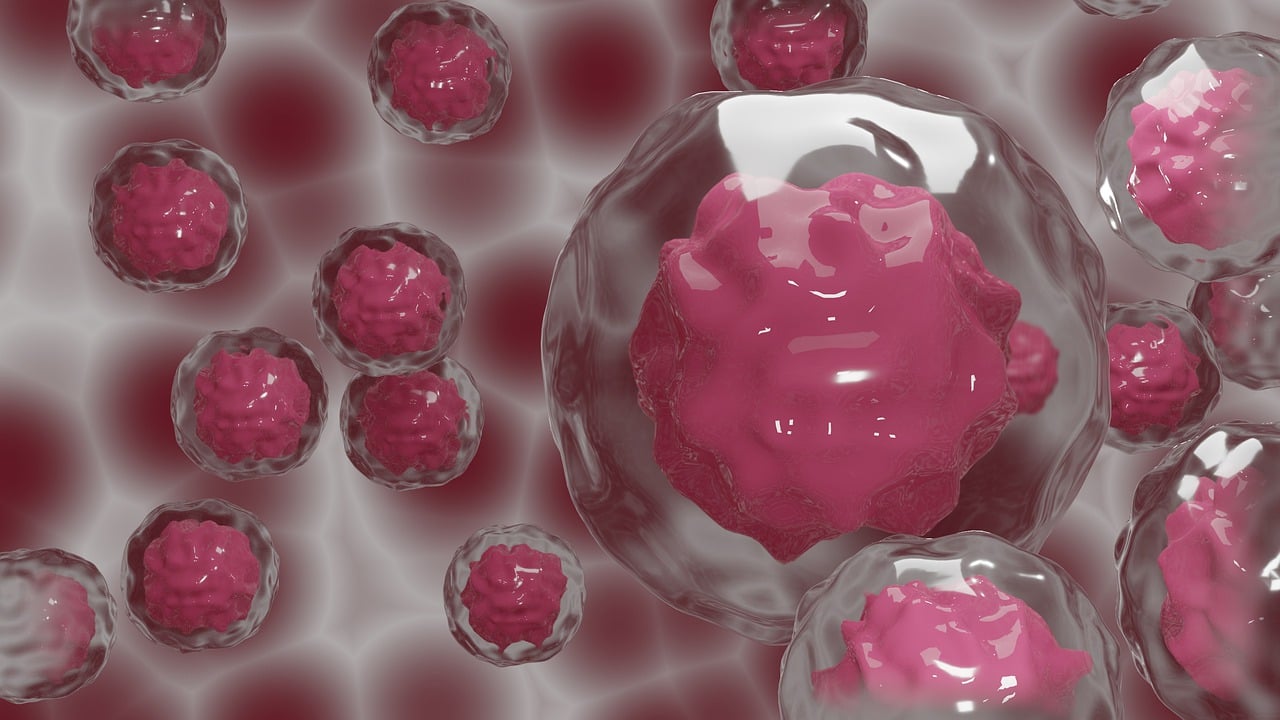
Stem cells—often referred to as the body's master cells—are the foundational building blocks of all human tissues and organs. Their unique ability to differentiate into various cell types has captivated scientists for decades. The origin of stem cell research dates back to the early 20th century, when Russian histologist Alexander Maksimov first proposed the concept of a hematopoietic (blood-forming) stem cell in 1908. However, the modern era of stem cell science began in the 1960s with the work of Canadian researchers Drs. Ernest McCulloch and James Till, who discovered stem cells in bone marrow through groundbreaking experiments on mice.
Their discovery laid the foundation for our understanding of stem cell self-renewal and differentiation. In 1981, researchers Martin Evans and Matthew Kaufman in the UK, and independently Gail Martin in the U.S., isolated embryonic stem cells from mice. Then, in 1998, James Thomson at the University of Wisconsin-Madison successfully derived human embryonic stem cells (hESCs), igniting both scientific interest and ethical debates.
Stem cell science has rapidly evolved in the past three decades. There are several types of stem cells, including:
-
Embryonic Stem Cells (ESCs): Derived from early-stage embryos, these are pluripotent, meaning they can develop into any cell type in the human body.
-
Adult (Somatic) Stem Cells: Found in organs and tissues like bone marrow and fat, these are multipotent—able to generate some, but not all, cell types.
-
Induced Pluripotent Stem Cells (iPSCs): Discovered in 2006 by Shinya Yamanaka, iPSCs are adult cells reprogrammed to behave like embryonic stem cells, bypassing ethical issues.
-
Perinatal Stem Cells: Found in amniotic fluid and umbilical cord blood, these cells are a middle ground between embryonic and adult cells.
Advancements in gene editing (CRISPR), regenerative medicine, and 3D bioprinting have all benefited from stem cell integration. Today, stem cell research supports clinical trials across cancer, diabetes, neurodegenerative disorders, and spinal cord injuries.
Stem cell therapies are being explored—and in some cases, already applied—for a broad range of diseases and conditions. Their ability to regenerate damaged tissues makes them invaluable in the treatment of:
-
Blood disorders (e.g., leukemia, lymphoma): Hematopoietic stem cell transplantation is a standard therapy.
-
Neurological diseases (e.g., Parkinson's, Alzheimer's, spinal cord injuries): Clinical trials are underway to assess their regenerative capabilities.
-
Heart disease: Stem cells have been used experimentally to regenerate cardiac tissue after myocardial infarctions.
-
Type 1 diabetes: Efforts to regenerate insulin-producing beta cells using stem cells are promising.
-
Orthopedic injuries: Stem cell injections may help regenerate cartilage in osteoarthritis.
-
Skin regeneration and burn treatment: Cultured stem cells can accelerate wound healing.
Regenerative medicine—a field based on stem cells—aims to restore or establish normal function in damaged tissues or organs, making organ transplantation potentially less necessary in the future.
The benefits of stem cell use are vast and growing:
-
Regenerative Power: Stem cells can repair, replace, and restore tissues that conventional therapies cannot.
-
Personalized Medicine: iPSCs allow for the development of therapies tailored to a patient's unique genetic profile.
-
Drug Testing and Disease Modeling: Stem cells help researchers model diseases and test new drugs without using human subjects.
-
Reduction in Organ Shortage: Potential for lab-grown organs reduces the dependence on donors.
-
Improved Outcomes for Chronic Diseases: Stem cells offer hope for previously untreatable or degenerative conditions.
With continued refinement and ethical oversight, stem cells hold the promise of transforming modern medicine.
Despite the excitement, stem cell therapies also pose risks:
-
Tumor Formation: Especially with pluripotent stem cells, there's a risk of teratoma (tumor) formation if not properly differentiated.
-
Immune Rejection: Transplanted cells can trigger immune responses unless matched or genetically modified.
-
Unregulated Clinics: A growing number of unproven, for-profit stem cell clinics worldwide offer “miracle cures” with little scientific backing, leading to injuries and death in some cases.
-
High Cost: Legitimate stem cell treatments are often experimental and costly.
-
Limited Differentiation: Adult stem cells have less plasticity than embryonic stem cells.
-
Inconsistent Outcomes: Clinical trials often yield mixed results, necessitating more robust research and regulation.
Stem cell research, particularly involving embryonic stem cells, has been a lightning rod for ethical debate:
-
Destruction of Embryos: The use of human embryos in research raises profound moral questions, especially among religious and pro-life communities.
-
Consent and Ownership: Debates around who owns biological material and whether donors fully understand consent remain unresolved.
-
Designer Babies and Genetic Editing: Fears around eugenics and genetic manipulation stem from the broader applications of stem cell technology.
-
Equity of Access: High costs could create a divide between those who can afford stem cell treatments and those who cannot.
To address these concerns, countries and institutions have developed strict ethical frameworks and oversight committees for stem cell research.
-
United States: Heavily regulated. Federal funding for embryonic stem cell research is allowed for approved lines. Private and state-level initiatives (e.g., California’s CIRM) provide significant funding.
-
United Kingdom: One of the most permissive environments, allowing embryonic stem cell research under the Human Fertilisation and Embryology Authority.
-
Japan: A leader in iPSC research, offering government support and fast-tracking clinical trials.
-
South Korea: Strong in stem cell development, though previously mired in fraud controversies.
-
Australia: Allows embryonic stem cell research with regulation.
-
Sweden, Singapore, Israel: Encouraging environments for both embryonic and adult stem cell research.
-
Germany: Highly restrictive, especially around embryonic stem cells, due to bioethical concerns post-WWII.
-
Italy: Outlaws most forms of embryonic stem cell research.
-
Austria: Complete ban on embryo research.
-
Ireland: Historically conservative due to Catholic influence, though evolving.
-
China: While it has a booming research sector, ethical oversight is inconsistent, raising concerns about experimental abuse.
-
Russia: Permits some stem cell work but lacks clear regulations, leading to a surge in unproven therapies.
In countries with looser regulations or weaker enforcement, "stem cell tourism" has flourished—where patients travel abroad seeking unregulated or premature treatments.
The future of stem cells is both promising and complex:
-
Advancements in Bioengineering: Organs grown from stem cells may become reality within decades.
-
Cancer and Autoimmune Therapies: Stem cell therapy may better treat these persistent diseases with fewer side effects.
-
Personal Biobanks: Storing one’s own stem cells (e.g., from umbilical cord blood) is increasingly popular for future use.
-
CRISPR Integration: Gene-edited stem cells could treat inherited conditions like sickle cell anemia or cystic fibrosis.
-
Global Collaboration: Continued international cooperation is needed for ethical, safe advancement.
Despite challenges, stem cells are likely to redefine medical frontiers. Transparency, patient safety, and scientific rigor must guide the path forward.
Stem cell science stands at the intersection of biology, ethics, and innovation. From their initial discovery to the modern laboratory, stem cells have inspired hope and sparked intense debate. While the benefits are undeniable, so are the risks and ethical quandaries. As research accelerates and therapies become more accessible, society must ensure that the march of science is matched with caution, regulation, and a deep respect for life in all its forms.