






Taj Mahal India
Timeless masterpiece of love, craftsmanship, and heritage
5/29/2026
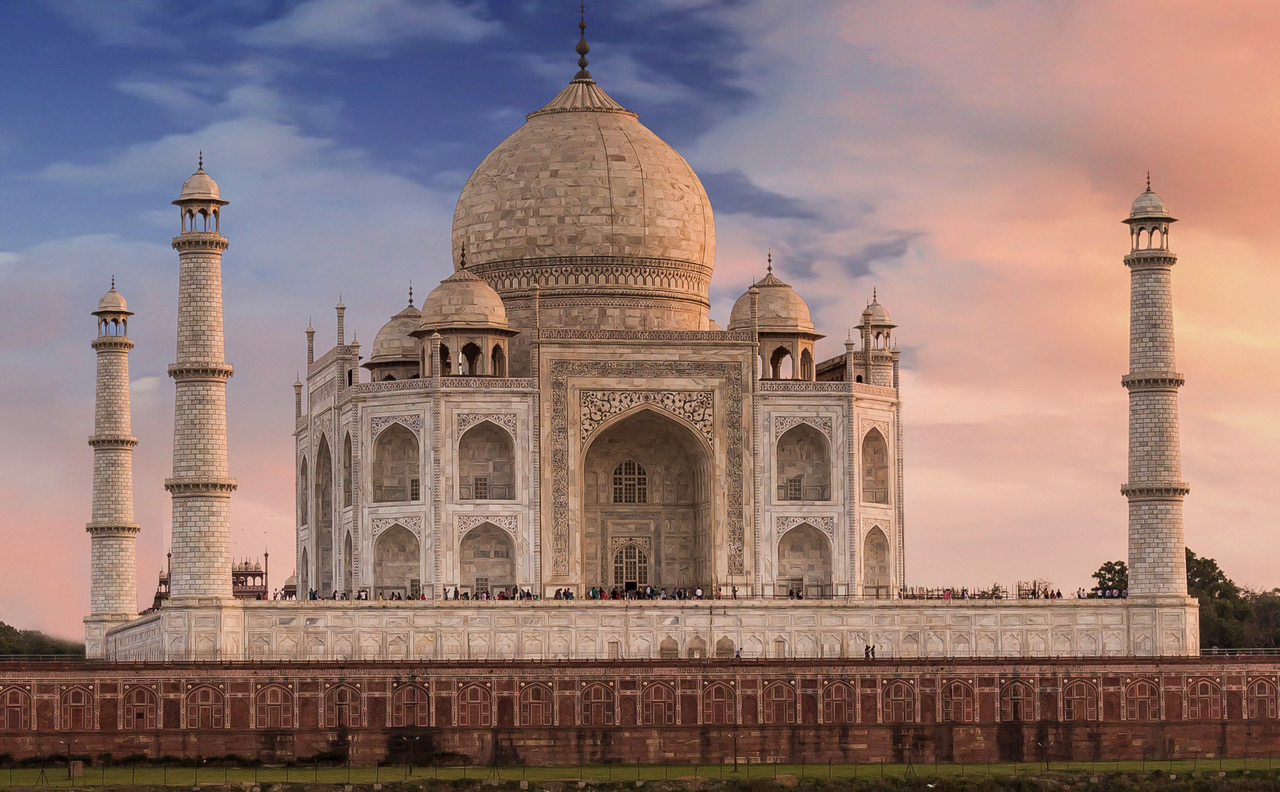
Few landmarks on Earth inspire the imagination quite like the Taj Mahal. Rising gracefully above the banks of the Yamuna River in northern India, this magnificent marble mausoleum has captivated travelers, historians, architects, and dreamers for nearly four centuries. Universally recognized as a symbol of eternal love, the Taj Mahal is much more than a beautiful building. It represents the pinnacle of Mughal architecture, the extraordinary talents of Indian craftsmen, and the enduring cultural legacy of one of the world's most fascinating civilizations.
Located in the historic city of Agra in the Indian state of Uttar Pradesh, the Taj Mahal welcomes millions of visitors annually and is considered one of the most celebrated monuments ever created. Its flawless symmetry, shimmering white marble, and intricate decorative artistry have earned it recognition as one of the New Seven Wonders of the World and one of the most treasured UNESCO World Heritage Sites.
The story of the Taj Mahal begins during the reign of the Mughal Empire, one of the wealthiest and most powerful dynasties in world history. The Mughal rulers governed much of the Indian subcontinent from the early sixteenth century until the nineteenth century, leaving behind an extraordinary legacy of art, architecture, literature, and culture.
The Taj Mahal was commissioned by Mughal Emperor Shah Jahan in memory of his beloved wife, Mumtaz Mahal. Born Arjumand Banu Begum, Mumtaz Mahal was the emperor's trusted companion and confidante. She accompanied him on military campaigns and was deeply involved in many aspects of court life.
In 1631, while giving birth to the couple's fourteenth child, Mumtaz Mahal died. Heartbroken by the loss, Shah Jahan vowed to build a monument unlike any the world had ever seen—a memorial that would symbolize his devotion and preserve her memory forever.
Construction began in 1632 and continued for approximately twenty-two years. Historical records suggest that more than 20,000 artisans, craftsmen, laborers, and specialists participated in the project. Architects, stonecutters, calligraphers, jewelers, and engineers traveled from across India, Persia, Central Asia, and the Middle East to contribute their expertise.
The result was an architectural masterpiece that continues to astonish visitors nearly four hundred years later.
The Taj Mahal is often considered one of the finest examples of Mughal architecture, a style that combines influences from Persian, Islamic, Turkish, and Indian design traditions.
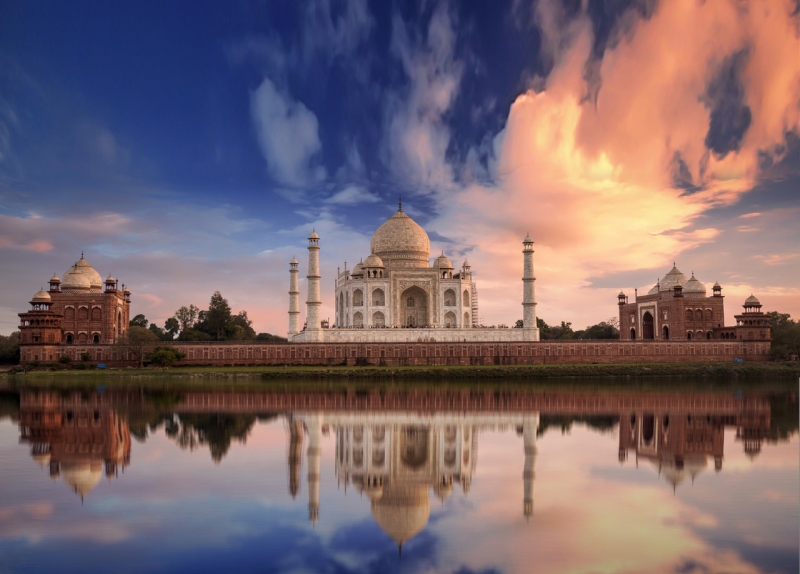
The complex covers more than forty acres and consists of several carefully planned structures, including:
• The central marble mausoleum
• A magnificent formal garden
• Reflecting pools and fountains
• A mosque constructed from red sandstone
• A guest pavilion
• Ornamental gateways and walls
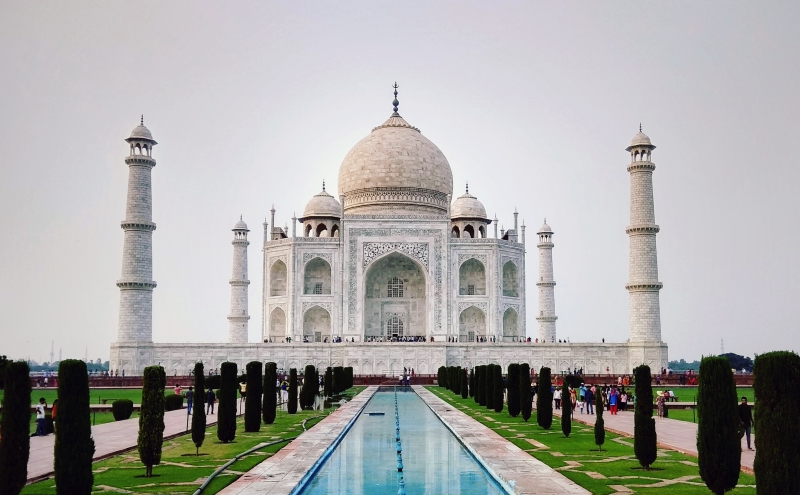
At the center stands the mausoleum itself, crowned by a majestic marble dome that rises approximately 240 feet above the surrounding landscape. Four elegant minarets stand at each corner, creating a sense of perfect balance and harmony.
One of the monument's most remarkable characteristics is its symmetry. Nearly every architectural element mirrors another, creating a visual perfection rarely achieved in large-scale construction. The only asymmetrical feature is the placement of Shah Jahan's tomb beside that of Mumtaz Mahal, as he was buried there years later.
Throughout the day, sunlight transforms the appearance of the marble. At dawn it may appear pinkish, during midday brilliant white, and at sunset it often glows with golden or amber hues. Under a full moon, the monument seems almost ethereal.
Agra: The Historic Heart of Mughal India
Long before the Taj Mahal was built, Agra was already an important city. Situated along the Yamuna River, approximately 140 miles southeast of Delhi, Agra became a major center of commerce and government during the Mughal period.
For generations, Agra served as the imperial capital and was home to emperors, nobles, scholars, and merchants. The city flourished under Mughal patronage, becoming one of the wealthiest urban centers in Asia.
Today, Agra remains one of India's most visited destinations. While the Taj Mahal is undoubtedly its crown jewel, the city also contains numerous other historical treasures, including Agra Fort, the Tomb of Itimad-ud-Daulah, and nearby Fatehpur Sikri, the magnificent former Mughal capital.
Together, these monuments offer visitors an extraordinary glimpse into the grandeur of imperial India.
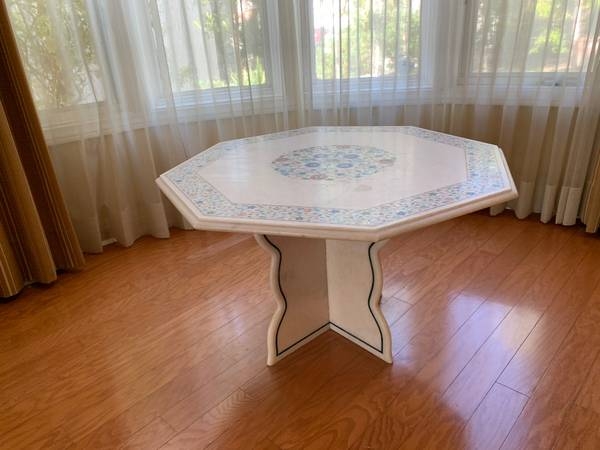
The beauty of the Taj Mahal would not exist without the extraordinary skills of Agra's artisans. For centuries, the city has been famous for marble craftsmanship and stone inlay work.
One of the most celebrated decorative techniques associated with the Taj Mahal is known as pietra dura, an intricate process involving the insertion of semi-precious stones into carved marble surfaces. Craftsmen carefully cut tiny pieces of gemstones and fit them into floral and geometric patterns with astonishing precision.
The stones traditionally used include:
• Jasper
• Carnelian
• Jade
• Lapis lazuli
• Turquoise
• Onyx
• Malachite
• Mother-of-pearl
These decorative elements create delicate flowers, vines, and ornamental motifs that appear painted but are actually embedded within the marble itself.
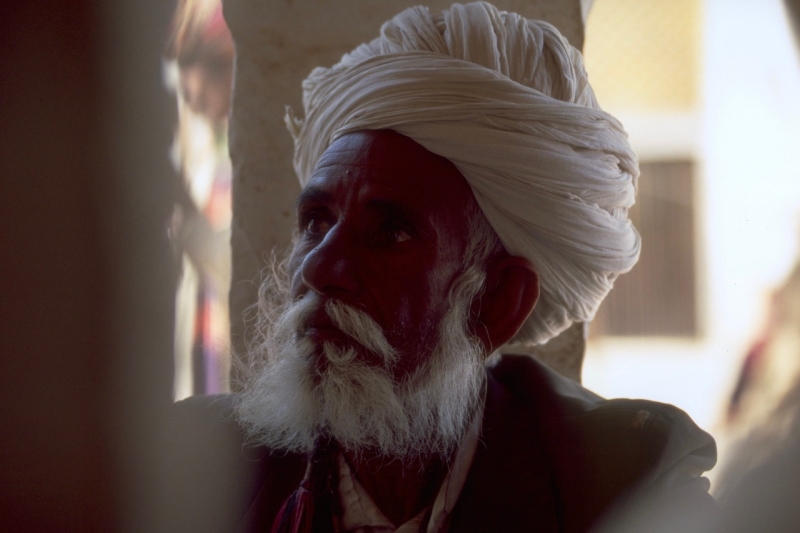
Remarkably, many families in Agra continue practicing these techniques today. Workshops throughout the city produce exquisite tabletops, decorative panels, jewelry boxes, vases, coasters, and furnishings using methods passed down through generations.
Visitors often purchase handcrafted marble tables featuring intricate inlay designs inspired by the Taj Mahal. Some pieces require months of painstaking labor and represent a continuation of artistic traditions dating back nearly four hundred years.
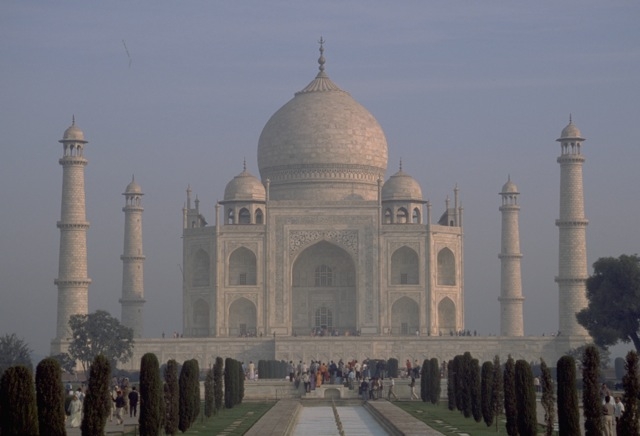
The Taj Mahal attracts visitors from virtually every nation on Earth. For many travelers, it is the highlight of any journey to India.
People arrive before sunrise to witness the first rays of light illuminating the marble. Others return at sunset to watch the monument change color against the evening sky. Photographers, artists, historians, and architecture enthusiasts all find inspiration within its walls.
The site welcomes millions of visitors annually, making it one of the most visited monuments in the world. Despite changing times, political shifts, and technological advances, the Taj Mahal continues to evoke the same feelings of wonder and admiration that it inspired centuries ago.
Its universal appeal lies not only in its beauty but also in its story. The monument represents love, devotion, artistic excellence, and the enduring human desire to create something lasting.
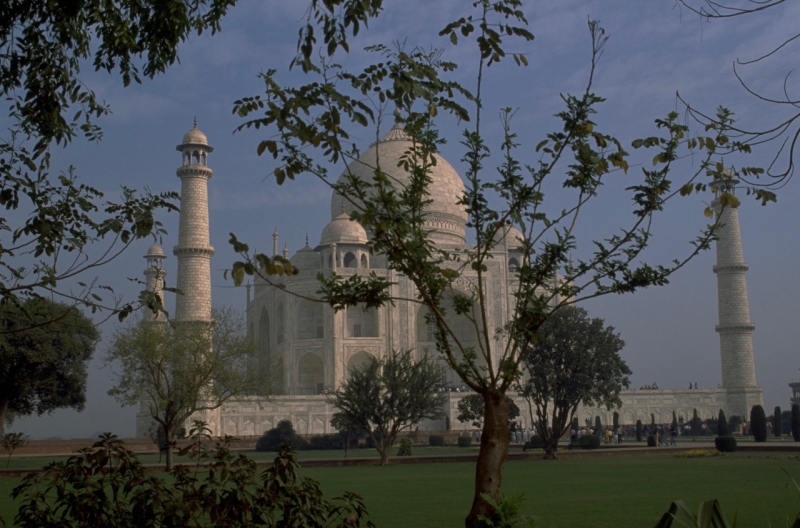
In 2007, the Taj Mahal was selected as one of the New Seven Wonders of the World through an international poll that attracted millions of participants worldwide.
This recognition reinforced what travelers and historians had long believed—that the Taj Mahal stands among humanity's greatest architectural achievements.
Unlike many ancient wonders that survive only as ruins, the Taj Mahal remains remarkably intact. Its preservation allows modern visitors to experience much of the same awe felt by those who first encountered it in the seventeenth century.
The monument serves not only as a symbol of India but also as a symbol of human creativity and aspiration. It demonstrates what can be achieved when artistic vision, engineering skill, and craftsmanship unite in pursuit of beauty.
The Taj Mahal is far more than a tourist destination. It is a masterpiece of architecture, a monument to enduring love, and a testament to the extraordinary talents of generations of craftsmen. Standing proudly in the historic city of Agra, it continues to draw visitors from around the globe who come to admire its beauty and learn its story.
Equally important is Agra itself, a city whose traditions of marble carving and semi-precious stone inlay remain alive today. The same artistry that helped create one of the world's most famous monuments continues to flourish in workshops and studios throughout the city.
Together, the Taj Mahal and Agra represent a remarkable chapter in human history—a place where art, culture, craftsmanship, and devotion converged to create one of the most magnificent wonders the world has ever known.
Since 1989, First Cabin Travel has offered luxury-styled itineraries to unique and varied destinations with the mainstay of bookings derived from repeat clientele and their enthusiastic referrals - First Cabin has come to be known as Your Passport to Excellence. CA Reg: 2016168-40