






Tango
A Dance Born of the Streets, the Soul, and the Struggle
4/3/2026
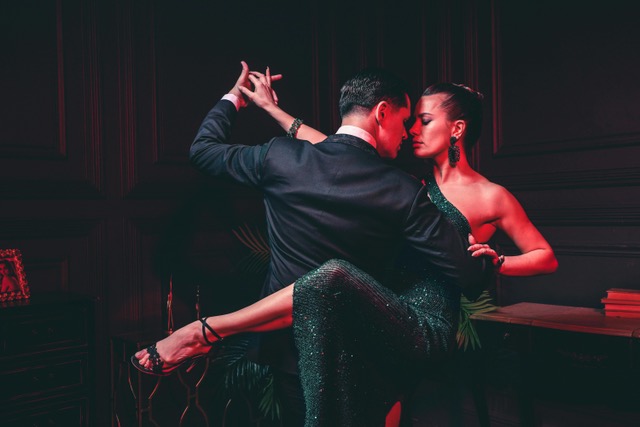
There are few cultural expressions in the world as emotionally charged and historically rich as the Argentine tango. More than a dance, tango is a reflection of a people—an embodiment of longing, resilience, romance, and identity. Its origins are deeply rooted in the social fabric of late 19th-century Argentina, particularly within the port city of Buenos Aires and the surrounding Río de la Plata region.
The Birth of Tango: A Cultural Convergence
Tango emerged in the late 1800s, during a time when Argentina was experiencing a massive wave of immigration. Hundreds of thousands of newcomers—primarily from Italy and Spain, but also from Eastern Europe and beyond—arrived in search of opportunity. What they encountered instead were overcrowded neighborhoods, economic hardship, and cultural displacement.
Within these dense urban environments, cultures collided and blended. Alongside European immigrants lived former enslaved Africans and native-born Argentines. Music and dance became a universal language—one that transcended linguistic and cultural barriers.
From this fusion arose tango, influenced by:
- African rhythms such as candombe
- Cuban-Spanish musical styles like the habanera
- The Argentine milonga, a fast-paced rural dance
- European folk dances including the polka and mazurka
Tango was not born in refined salons or grand ballrooms—it was created in working-class districts, taverns, courtyards, and street corners, where emotion found expression through movement.
The Early Geography of Tango: Where It Took Root
If tango has a birthplace, it is unquestionably the neighborhoods surrounding the port of Buenos Aires.
Two areas stand above the rest in historical significance:
La Boca
A vibrant, immigrant-heavy district near the docks, La Boca was a place of hardship and creativity. Its residents lived in modest, crowded housing, yet fostered a strong sense of community. Here, music spilled into the streets, and dance became an everyday expression of life.
San Telmo
One of the oldest neighborhoods in Buenos Aires, San Telmo evolved into a cultural hub where tango flourished. Its cobblestone streets and open plazas became natural stages for early dancers and musicians.
In these neighborhoods, tango developed organically—shaped not by formal instruction, but by lived experience.
A Dance of the Marginalized
In its earliest days, tango was not embraced by Argentina’s elite. Quite the opposite—it was considered improper, even scandalous.
The dance was associated with:
- The working class and immigrants
- Bars, gambling halls, and brothels
- A raw sensuality that challenged social norms
Due to a significant gender imbalance—far more men than women in immigrant communities—men often practiced tango with each other. This allowed them to refine technique and prepare for rare opportunities to dance with female partners.
At its core, tango became a deeply emotional outlet. It expressed:
- Homesickness and nostalgia
- Loneliness and longing
- The struggle to belong in a foreign land
It was, in many ways, the silent poetry of displacement—communicated through the embrace, the step, and the pause.
From Rejection to Reverence
The transformation of tango from marginalized expression to national symbol is one of the most fascinating aspects of its history.
In the early 20th century, Argentine elites traveling to Europe—particularly Paris—introduced tango abroad. What had been dismissed at home was suddenly embraced by European high society. Parisian audiences found the dance exotic, passionate, and irresistible.
From Paris, tango spread rapidly across Europe’s cultural capitals.
Ironically, it was this international validation that led Argentina’s upper classes to reconsider their stance. Tango returned home not as a stigmatized street dance, but as a celebrated art form.
By the mid-1900s, tango had become a defining element of Argentine identity.
The Most Authentic Tango Today: Where It Truly Lives
While tango is now performed across the globe, its most authentic expression remains in Argentina—especially in Buenos Aires.
Yet even within the city, authenticity takes different forms.
Street Tango: Echoes of the Past
Visitors to Buenos Aires often encounter tango in public spaces such as:
- Caminito in La Boca
- Open plazas in San Telmo
These performances are vibrant and visually engaging, offering a glimpse into tango’s origins. Though often staged for visitors, they still carry the spirit of the neighborhoods where tango was born.
The Milongas: The True Heart of Tango
To truly understand tango, one must experience a milonga.
A milonga is not a performance—it is a social gathering where locals come together to dance. These events take place in:
- Community halls
- Cafés
- Dedicated tango clubs
Here, tango remains what it has always been:
- Improvised
- Intimate
- Deeply personal
There are no elaborate costumes or choreographed routines. Instead, there is connection—between partners, between music and movement, and between past and present.
The etiquette of milongas is steeped in tradition, preserving the authenticity of the dance across generations.
Neighborhoods That Preserve Tradition
Beyond the tourist centers, tango continues to thrive in neighborhoods such as:
- Almagro
- San Telmo
These areas are known for hosting authentic, less-commercialized tango gatherings. Here, tango is not performed for an audience—it is lived as a social ritual.
Tango as Cultural Identity
Tango is inseparable from Argentina’s cultural identity. It reflects:
- The blending of diverse cultures
- The emotional depth of the immigrant experience
- The resilience of communities facing hardship
In 2009, tango was recognized by UNESCO as part of the world’s Intangible Cultural Heritage, affirming its importance not only to Argentina, but to humanity as a whole.
Where Tango Still Breathes
The tango was born in the shadows—in the working-class neighborhoods of Buenos Aires, among people searching for belonging in a new world. It rose from hardship, shaped by longing, and refined through human connection.
Today, while tango can be seen on stages across the globe, its truest form remains where it began:
- In the streets of La Boca
- In the plazas of San Telmo
- In the quiet, dimly lit milongas of Buenos Aires
It is there—far from spectacle—that tango continues to breathe.
To witness it in its most authentic form is not simply to watch a dance, but to feel a history—one step, one embrace, one heartbeat at a time.