






The health of our arteries
The Silent Threat Within: What We Eat and the Health of Our Arteries
11/8/2026

The Silent Threat Within: What We Eat and the Health of Our Arteries. The foods that quietly contribute to cardiovascular disease, the surprising choices that protect our hearts, and how everyday nutrition can help preserve healthy circulation for years to come.
The Disease That Develops in Silence
Every day, the human heart beats approximately 100,000 times, pumping blood through an intricate network of arteries that deliver oxygen and nutrients throughout the body. Yet within these vital passageways, a potentially dangerous process may be developing silently over many years.
Atherosclerosis, commonly known as hardening or narrowing of the arteries, occurs when cholesterol-rich deposits accumulate within artery walls. Over time, these deposits, called plaques, can become inflamed, develop fibrous tissue and calcium, and restrict blood flow. More dangerously, a plaque can rupture, triggering a blood clot that suddenly blocks circulation, potentially resulting in a heart attack or stroke.
What makes this condition particularly concerning is that many individuals experience no noticeable symptoms until significant damage has occurred. A person may feel perfectly healthy, remain physically active, and maintain a normal daily routine while cardiovascular disease gradually progresses.
Age, genetics, smoking, diabetes, high blood pressure, and elevated cholesterol all influence the development of atherosclerosis. Yet one of the most important factors within our control is the food we consume.
For generations, Americans have been encouraged to avoid cholesterol-rich foods. Modern nutritional science offers a more sophisticated understanding: it is not simply the cholesterol contained in food that matters, but the overall dietary pattern, particularly the types of fat consumed, the amount of fiber, the presence of refined carbohydrates, and the effects of food on blood pressure and metabolism.
The encouraging news is that meaningful dietary improvements can begin at virtually any age. While established arterial plaque cannot simply be washed away by eating particular foods, healthier choices can slow its progression, reduce cardiovascular risk, and help preserve circulation.
The Foods That Can Damage Our Arteries
1. Processed meats: A particularly troubling category
Bacon, sausage, hot dogs, salami, pepperoni, and many packaged luncheon meats have become everyday staples of the American diet.
Unfortunately, these products often combine substantial amounts of sodium, saturated fat, and preservatives. Frequent consumption of processed meats is associated with increased cardiovascular risk. Sodium can contribute to elevated blood pressure, placing additional strain on arterial walls. Saturated fat can raise LDL cholesterol, a major contributor to atherosclerosis.
A breakfast consisting of bacon, sausage, buttered toast, and fried potatoes may therefore contain several ingredients that, when consumed regularly, work against cardiovascular health. A healthier alternative would be oatmeal with berries, an egg accompanied by vegetables, or whole-grain toast with avocado.
2. Fatty red meats: Enjoy sparingly
A beautifully prepared rib-eye steak may be one of life's culinary pleasures, but its saturated fat content deserves consideration. Rib-eye steaks, heavily marbled beef, fatty hamburgers, lamb chops, and certain pork cuts can contain considerable saturated fat.
Saturated fat raises LDL cholesterol in many individuals. LDL particles can enter artery walls and contribute to the development of plaque. This does not mean that every serving of beef is harmful. Portion size, frequency, the cut selected, and the foods accompanying the meal all matter.
Those who enjoy red meat should consider smaller servings, leaner cuts such as sirloin or tenderloin, and replacing some meat-centered meals with fish, beans, or poultry. The American Heart Association's 2026 dietary guidance emphasizes choosing healthy protein sources and limiting processed meats and portions of red meat.
3. Butter, cream, and full-fat dairy
Butter, heavy cream, rich cheeses, and ice cream can provide significant amounts of saturated fat. The concern is not that these foods directly coat artery walls with grease. Rather, diets high in saturated fat can increase circulating LDL cholesterol, allowing more cholesterol to accumulate in artery walls over time.
Consider a seemingly innocent dinner of steak cooked in butter, mashed potatoes prepared with cream, and a rich cheese-based sauce. The combined saturated fat content can be substantial. Replacing butter with olive oil, choosing lower-fat dairy products, and enjoying rich cheeses in modest quantities can meaningfully improve the overall nutritional profile of a meal.
For individuals seeking aggressive LDL reduction, the American Heart Association recommends limiting saturated fat to less than 6% of total daily calories, approximately 13 grams in a 2,000-calorie diet.
4. Fried foods and fast-food meals
French fries, fried chicken, battered fish, onion rings, and many commercially prepared fast-food meals often contain substantial calories, sodium, and unhealthy combinations of fats. The health impact depends partly on the cooking oil, preparation method, portion size, and frequency of consumption. Repeatedly choosing large fried meals can contribute to weight gain, elevated blood pressure, and unfavorable cholesterol levels.
Baking, grilling, roasting, or air-frying foods with modest amounts of unsaturated oil generally offers a healthier alternative. A grilled chicken sandwich with vegetables, for example, may be a better everyday choice than a large fried chicken meal accompanied by fries and a sugary beverage.
5. Commercial pastries, doughnuts, and packaged desserts
Doughnuts, pastries, cookies, cakes, and certain packaged baked goods can contain a combination of refined flour, added sugars, saturated fats, and occasionally trans fats. Industrially produced trans fats are particularly harmful because they can raise LDL cholesterol while lowering HDL cholesterol.
Although partially hydrogenated oils have been largely removed from the United States food supply, consumers should remain aware of ingredients and the nutritional composition of packaged foods. Even products marketed as free of trans fat may contain considerable saturated fat and added sugar. An occasional dessert is unlikely to determine a person's cardiovascular future. The greater concern is habitual consumption of calorie-dense, nutritionally poor foods.
6. Sugary beverages and refined carbohydrates
Soft drinks, sweetened coffee beverages, energy drinks, candy, and large quantities of refined carbohydrates deserve attention for reasons beyond cholesterol. Excess added sugar can contribute to weight gain, insulin resistance, elevated triglycerides, and type 2 diabetes, all of which influence cardiovascular risk. White bread, highly refined cereals, pastries, and other rapidly digested carbohydrates can also make blood glucose management more difficult when consumed in excess.
However, carbohydrates themselves are not the enemy. Whole grains, beans, vegetables, and fruit provide fiber and nutrients that help protect cardiovascular health. The distinction lies primarily in food quality, portion size, and the degree of processing.
7. Excessively salty foods
Salt does not directly create cholesterol plaque, but excessive sodium can elevate blood pressure, damaging the cardiovascular system over time. Common sources include canned soups, restaurant meals, processed meats, frozen dinners, salty snacks, sauces, and packaged convenience foods.
Many individuals consume considerably more sodium than they realize because much of it is already present in prepared foods. The National Heart, Lung, and Blood Institute recommends a DASH eating pattern containing no more than 2,300 milligrams of sodium daily, with 1,500 milligrams providing additional blood-pressure benefits for many adults.
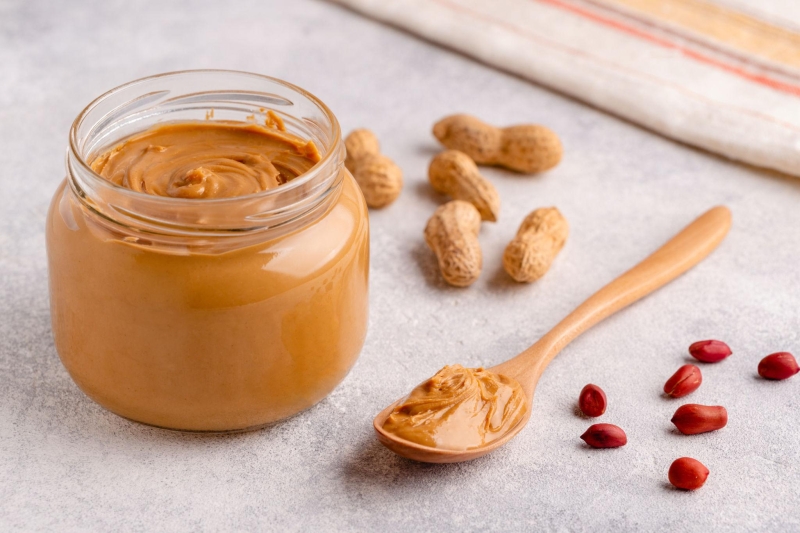
The Peanut Butter Question: Friend or Foe?
Peanut butter deserves special consideration because it is frequently misunderstood. Peanuts are naturally rich in monounsaturated and polyunsaturated fats, the same broad categories of fats associated with healthier cholesterol profiles. They also provide plant protein, magnesium, vitamin E, and other beneficial nutrients.
Natural peanut butter is generally considered a heart-healthy food when consumed in moderation, particularly when it replaces butter or other sources of saturated fat. The problem with certain commercial peanut butters is not the peanuts themselves but potentially undesirable additions, including substantial amounts of sugar, salt, or hydrogenated fats.
A good peanut butter ideally contains peanuts alone, or peanuts with a small amount of salt. Consumers should examine the ingredients rather than assume that every jar is nutritionally identical.
Peanut butter is also calorie-dense. Two tablespoons typically contain approximately 180–200 calories. Excessive consumption can contribute to unwanted weight gain, even when the fat profile is favorable.
For most people, a modest serving of natural peanut butter is a better cardiovascular choice than butter or a sugary dessert spread. Nut and seed butters are included among the heart-healthy foods identified by the National Institutes of Health.
The Foods That Help Protect Our Arteries
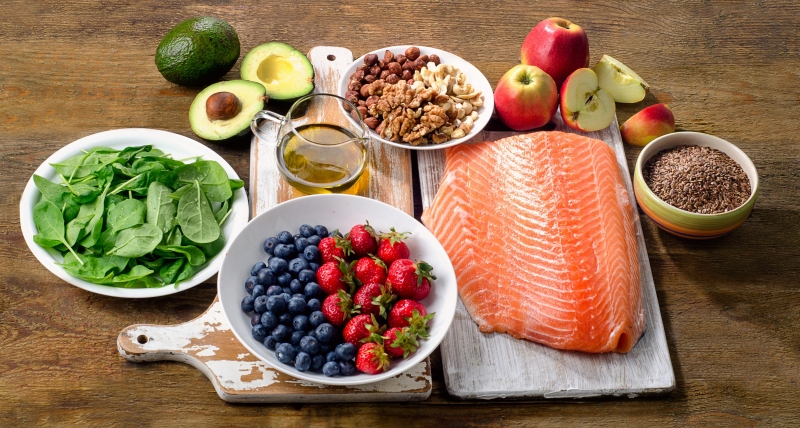
1. Extra-virgin olive oil: A foundation of cardiovascular nutrition
Among the most consistently recommended ingredients for cardiovascular health is extra-virgin olive oil. Rich in monounsaturated fats and naturally occurring polyphenols, olive oil can help improve cholesterol profiles when substituted for butter, lard, or other saturated-fat sources. It is a cornerstone of the Mediterranean dietary pattern, which has been associated with reduced cardiovascular events.
Olive oil can be used in salad dressings, vegetable preparation, marinades, and many forms of cooking. Its benefits are most meaningful when it replaces less healthy fats rather than simply adding additional calories to an already excessive diet.
2. Salmon, sardines, and other oily fish
Fatty fish provide omega-3 fatty acids, particularly EPA and DHA, which have beneficial effects on triglyceride levels and several aspects of cardiovascular health. Salmon, sardines, trout, herring, and Atlantic mackerel are excellent choices. Eating fish approximately twice weekly is a practical goal for many adults.
Grilled salmon accompanied by vegetables and a modest serving of whole grains makes an especially nutritious meal. Fish is not a medication capable of dissolving plaque, but replacing processed or fatty meats with fish can improve the overall quality of the diet.
3. Oatmeal and other soluble-fiber foods
Oats contain beta-glucan, a type of soluble fiber that helps lower LDL cholesterol. Soluble fiber works partly by binding bile acids in the digestive tract, encouraging the body to use circulating cholesterol to produce additional bile acids.
Other useful sources include barley, beans, lentils, apples, and citrus fruits. A bowl of oatmeal topped with blueberries and walnuts is therefore more than a satisfying breakfast. It combines several ingredients with complementary cardiovascular benefits. For individuals who cannot tolerate wheat, certified gluten-free oats, quinoa, and other suitable whole grains may offer alternatives.
4. Walnuts, almonds, and pistachios
Nuts are among the more useful foods for replacing less healthy snacks. Walnuts contain plant-based omega-3 fatty acids, while almonds and pistachios provide unsaturated fats, fiber, and minerals. A small handful of unsalted nuts can replace potato chips, cookies, or other processed snacks.
As with peanut butter, moderation remains important because nuts are calorie-dense. Their value lies in their nutritional composition and the foods they replace, not in any ability to physically remove existing plaque.
5. Blueberries, strawberries, and other berries
Berries contain fiber, vitamins, and plant compounds known as polyphenols. These compounds may support vascular function and help reduce oxidative stress. Blueberries, strawberries, blackberries, and raspberries can be enjoyed fresh or frozen, without added sugar. Their greatest advantage comes from replacing desserts and snacks high in added sugar while increasing overall fruit consumption.
6. Leafy green vegetables
Spinach, kale, arugula, romaine lettuce, and other leafy greens provide vitamins, minerals, fiber, and naturally occurring nitrates. Dietary nitrates can be converted into nitric oxide, a molecule involved in blood-vessel relaxation and regulation of blood pressure.
Vegetables also contribute potassium, which can help counteract some of sodium's effects on blood pressure. A large daily serving of vegetables is one of the simplest ways to improve overall dietary quality. People taking warfarin should maintain consistent vitamin K intake rather than abruptly increasing or eliminating leafy greens.
7. Avocados: A healthier source of fat
Avocados are rich in monounsaturated fat, fiber, and potassium. They can replace butter, mayonnaise, or cheese in sandwiches and other meals. A modest serving of avocado on whole-grain toast or alongside vegetables offers a satisfying alternative to more heavily processed spreads. Although avocados are nutritious, they are relatively calorie-dense, making portion awareness worthwhile.
8. Beans, lentils, and chickpeas
Legumes provide plant protein, soluble fiber, and important minerals while containing little saturated fat. Replacing several meat-based meals each week with beans, lentils, or chickpeas can help reduce saturated fat intake and improve dietary fiber consumption. Their combination of protein and fiber also promotes fullness, making them useful for maintaining a healthy weight.
9. Tomatoes and colorful vegetables
Tomatoes contain lycopene, a carotenoid antioxidant that has attracted scientific interest for its potential cardiovascular benefits. Cooked tomatoes prepared with a small amount of olive oil can make lycopene more readily available for absorption.
Carrots, bell peppers, broccoli, and other colorful vegetables supply additional nutrients and phytochemicals. No individual vegetable should be viewed as a cure for atherosclerosis. Their protective value is strongest as part of a varied, plant-rich diet.
10. Citrus fruits and apples
Oranges, grapefruit, apples, and other whole fruits provide fiber and beneficial plant compounds. Whole fruit is generally preferable to juice because it contains more fiber and promotes fullness.
Grapefruit, however, interacts with certain medications, including some cholesterol-lowering drugs. Individuals taking prescription medications should verify whether grapefruit is appropriate.
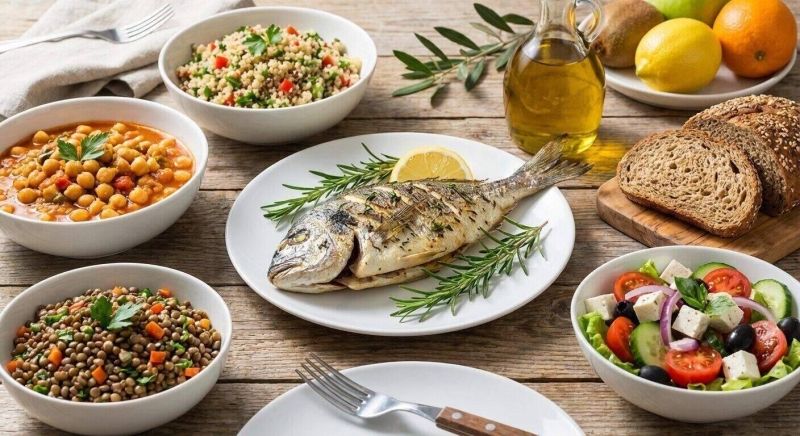
The Mediterranean Diet: A Proven Approach to Cardiovascular Health
Rather than concentrating on one supposedly miraculous food, cardiovascular specialists increasingly emphasize an overall pattern of eating. The Mediterranean diet is among the most extensively studied dietary approaches for heart health.
Traditionally associated with countries bordering the Mediterranean Sea, this pattern emphasizes vegetables, fruits, legumes, whole grains, nuts, olive oil, and fish, while limiting processed meats, refined carbohydrates, and excessive saturated fat.
Its appeal lies partly in its flexibility. It does not require elaborate preparations, expensive specialty foods, or the elimination of every culinary pleasure. A typical day might begin with oatmeal and fruit, continue with a salad featuring olive oil and grilled chicken, and conclude with salmon, vegetables, and brown rice. The American Heart Association recognizes Mediterranean-style eating as consistent with its recommendations for reducing cardiovascular risk.
A Practical Guide: What to Avoid and What to Eat Instead
The following comparisons offer a convenient reference for making everyday decisions without sacrificing the enjoyment of food.
Limit or avoid regularly | Choose more often |
Bacon, sausage, salami | Fish, beans, skinless poultry |
Fatty rib-eye steaks | Lean sirloin, salmon, lentils |
Butter and lard | Extra-virgin olive oil |
Heavy cream and rich sauces | Olive-oil-based sauces |
Full-fat cheese in large portions | Modest portions or lower-fat cheese |
Doughnuts and pastries | Oatmeal with berries |
White bread and refined cereals | Whole grains and oats |
Sugary soft drinks | Water or unsweetened tea |
Potato chips and salty snacks | Unsalted walnuts or almonds |
Fried chicken | Grilled or baked chicken |
Ice cream and rich desserts | Fresh fruit or unsweetened yogurt |
Peanut butter with hydrogenated oils | Natural peanut butter |
Highly salted packaged soups | Homemade lower-sodium soups |
Coconut oil as a primary cooking fat | Olive or canola oil |
These are not absolute prohibitions. The frequency, portion size, and overall composition of a person's diet matter far more than an occasional indulgence.
Can Clogged Arteries Actually Become Clear Again?
This is perhaps the most important question of all. Once plaque has developed within artery walls, reversing the process is considerably more difficult than preventing its formation.
Nevertheless, medical research has demonstrated that intensive LDL cholesterol reduction, particularly with effective cholesterol-lowering medication and sustained lifestyle improvements, can sometimes produce modest reductions in plaque volume. Even when substantial plaque regression does not occur, treatment can make plaques more stable and less likely to rupture.
The distinction is critically important. The objective is not simply to widen an artery but to prevent the heart attacks and strokes that can result from unstable atherosclerotic plaque. Diet plays a fundamental role, but it is only one component of cardiovascular prevention.
Regular physical activity, maintaining healthy blood pressure, avoiding tobacco, controlling diabetes, achieving appropriate cholesterol levels, and obtaining sufficient sleep all contribute to protecting the cardiovascular system.
For individuals with established coronary artery disease or significantly elevated LDL cholesterol, diet alone may not provide sufficient protection. Prescription medications, including statins and other LDL-lowering therapies, may be necessary.
The Importance of Knowing Your Numbers
Cardiovascular disease can advance silently, making periodic medical evaluation particularly important. Among the most useful measurements are LDL cholesterol, HDL cholesterol, triglycerides, blood pressure, and blood glucose or hemoglobin A1c.
A clinician may also consider lipoprotein(a), an inherited cardiovascular risk factor, and apolipoprotein B, which helps assess the number of potentially artery-damaging lipoprotein particles. For selected patients, coronary artery calcium scanning can provide additional information about existing calcified plaque. The value of this test depends on age, symptoms, existing diagnoses, and whether the results would change treatment.
Individuals already known to have atherosclerotic cardiovascular disease generally require more aggressive LDL cholesterol management than those at low risk. Importantly, a normal cholesterol result does not necessarily mean that arteries are free of plaque. Cardiovascular risk is influenced by multiple factors, including age, family history, smoking, diabetes, and blood pressure.
A Seven-Day Heart-Healthy Eating Plan
An illustrative week of balanced meals, emphasizing vegetables, healthy fats, fiber, and lean protein.
Monday
Breakfast: Oatmeal with blueberries and walnuts.
Lunch: Grilled chicken salad with olive oil.
Dinner: Baked salmon, broccoli, brown rice.
Tuesday
Breakfast: Natural peanut butter on whole-grain toast.
Lunch: Lentil soup and green salad.
Dinner: Grilled trout, roasted vegetables, quinoa.
Wednesday
Breakfast: Plain yogurt with berries and almonds.
Lunch: Turkey and avocado lettuce wraps.
Dinner: Chicken breast, sweet potato, spinach.
Thursday
Breakfast: Oatmeal with strawberries.
Lunch: Chickpea and cucumber salad.
Dinner: Baked cod, asparagus, barley.
Friday
Breakfast: Eggs with spinach and whole-grain toast.
Lunch: Salmon salad with olive oil dressing.
Dinner: Lean sirloin, roasted carrots, green beans.
Saturday
Breakfast: Plain yogurt, fruit, and walnuts.
Lunch: Vegetable and bean soup.
Dinner: Grilled chicken, quinoa, mixed vegetables.
Sunday
Breakfast: Oatmeal with apple and cinnamon.
Lunch: Avocado and tuna salad.
Dinner: Baked salmon, roasted Brussels sprouts, brown rice.
Portions and substitutions should reflect individual nutritional needs, food tolerances, and medical conditions. People with kidney disease, diabetes, or medication-related dietary restrictions may need a modified plan.
Five Changes That Can Make a Meaningful Difference
Although the amount of nutritional information available can seem overwhelming, meaningful improvement often begins with surprisingly simple decisions.
1. Replace butter with olive oil. This reduces saturated fat intake while providing beneficial unsaturated fats.
2. Eat fish twice weekly. Salmon, trout, and sardines provide valuable nutrients and can replace less healthy protein sources.
3. Make vegetables a substantial part of lunch and dinner. Greater vegetable consumption increases fiber and nutrient intake.
4. Replace processed snacks with fruit or unsalted nuts. This can reduce added sugar, sodium, and saturated fat.
5. Reduce processed meats and sugary beverages. These changes address several cardiovascular risk factors simultaneously.
These recommendations are consistent with the American Heart Association's updated 2026 guidance, which emphasizes long-term dietary patterns rather than individual miracle foods.
A Healthier Future Begins at the Dinner Table
The extraordinary complexity of the human cardiovascular system is matched only by its remarkable resilience. Our arteries respond continuously to the conditions we create through nutrition, physical activity, and lifestyle. While aging and heredity cannot be changed, many of the influences that accelerate cardiovascular disease remain within our control.
The most effective approach does not require abandoning every favorite food or following a restrictive diet that makes dining a chore. Rather, it calls for a gradual and sustainable shift toward foods that nourish the body while reducing those that contribute to elevated cholesterol, high blood pressure, and metabolic disease.
A serving of salmon in place of processed meat, olive oil instead of butter, berries instead of a sugary dessert, or a handful of walnuts instead of potato chips may seem like small decisions. Yet repeated over months and years, these choices can contribute meaningfully to cardiovascular health.
Perhaps the most encouraging message is that improving our diet remains worthwhile even later in life. The benefits of healthier eating are not reserved for the young, nor are they limited to those who have always maintained ideal habits.
Our arteries may not possess the ability to cleanse themselves simply because we consume certain foods, but we can help create the conditions that protect them from further damage.
The objective is not merely to live longer, but to preserve the circulation, vitality, independence, and quality of life that make those additional years worth enjoying.
Editorial health note: This article provides general nutritional and cardiovascular information and is not a substitute for individualized medical advice. Readers with known cardiovascular disease, elevated cholesterol, or other significant medical conditions should discuss prevention and treatment with their healthcare professionals.
