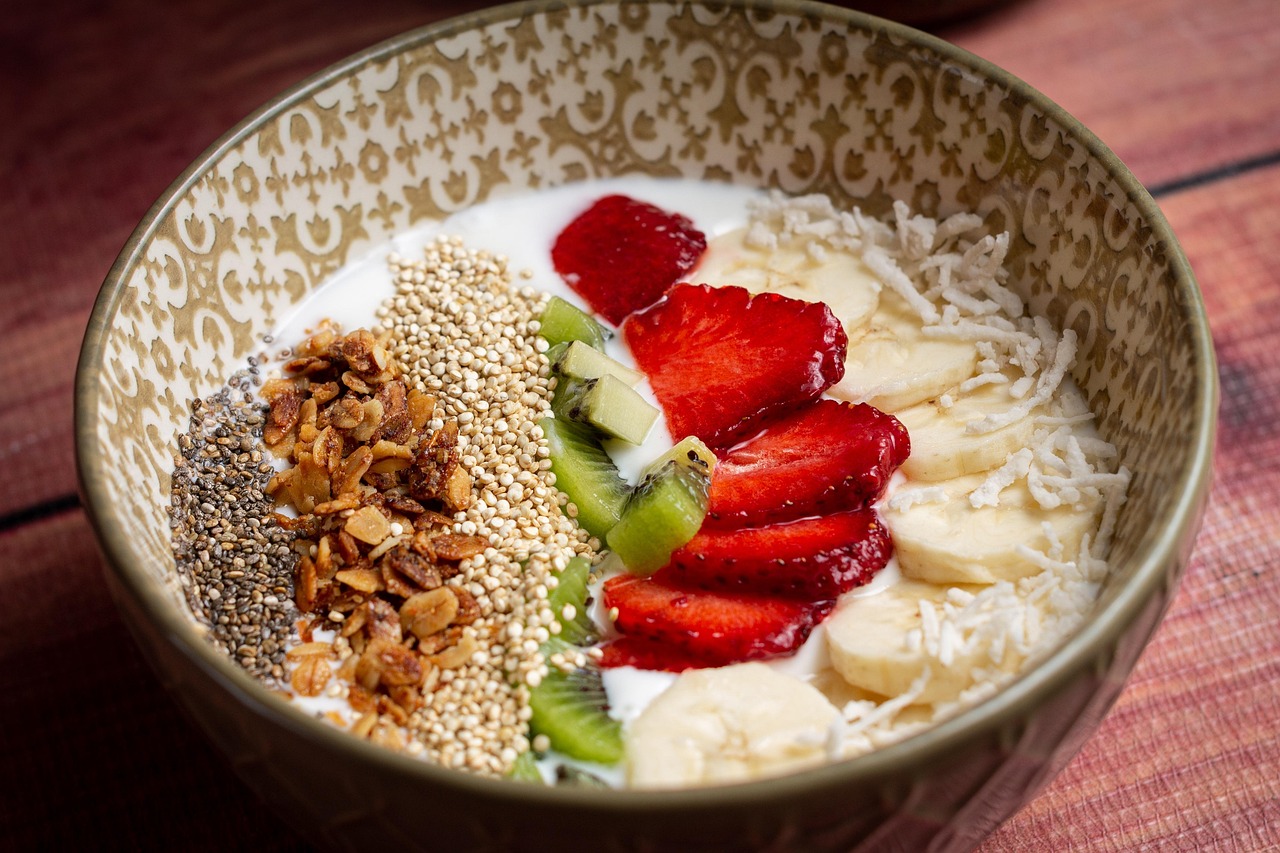






The Healthiest Breakfast
More Than a Meal—A Daily Investment in Health
7/11/2026

For generations we have heard the familiar saying, "Breakfast is the most important meal of the day." While modern nutrition research has shown that healthy people can thrive with different eating patterns—including intermittent fasting—it has also demonstrated that the quality, timing, and composition of breakfast can significantly influence energy levels, metabolism, mental performance, weight management, cardiovascular health, and even longevity.
The healthiest breakfast is not one built around sugary cereals, pastries, or processed convenience foods. Rather, decades of scientific research consistently point toward breakfasts that are rich in protein, fiber, healthy fats, vitamins, minerals, and minimally processed foods.
The goal of breakfast is not simply to satisfy hunger. It is to provide the body with the nutrients necessary to begin the day while supporting stable blood sugar, reducing inflammation, maintaining muscle mass, and promoting long-term health.

After seven to twelve hours without food, the body's liver has used much of its stored glycogen to maintain normal blood sugar during sleep. Breakfast helps replenish those energy stores while supplying nutrients the body requires for cellular repair, brain function, hormone production, and muscle maintenance.
Research has linked eating a nutritious breakfast with numerous benefits, including:
- Better concentration and memory
- Improved mood
- Greater physical energy
- More stable blood sugar
- Lower risk of overeating later in the day
- Better cholesterol profiles
- Reduced risk of type 2 diabetes
- Lower rates of obesity
- Improved cardiovascular health
These benefits are strongest when breakfast consists of whole foods rather than highly processed products.
When Should Breakfast Be Eaten?Nutrition researchers increasingly agree that timing matters almost as much as food quality.
Most experts recommend eating breakfast within one to two hours of waking.
This recommendation aligns with the body's natural circadian rhythm. In the morning, insulin sensitivity is generally higher, allowing the body to process carbohydrates more efficiently than later in the evening.
Eating very late at night and then skipping breakfast may shift calorie intake toward the least metabolically efficient part of the day.
- Wake: 6:30–7:00 a.m.
- Breakfast: 7:30–8:30 a.m.
- Lunch: Noon–1:00 p.m.
- Dinner: 5:30–7:00 p.m.
Earlier eating patterns have repeatedly been associated with healthier body weight and better blood sugar control.
Is It Better to Skip Breakfast?Research offers a nuanced answer.
Some people who practice carefully planned intermittent fasting remain healthy despite skipping breakfast.
However, studies consistently show that individuals who regularly eat a balanced breakfast often experience:
- Better nutrient intake
- Lower cholesterol
- Lower body weight
- Better glucose control
- Lower cardiovascular risk
For older adults, breakfast becomes even more important because maintaining muscle mass requires adequate protein spread throughout the day.

If one nutrient consistently stands out in nutrition research, it is protein.
Many traditional breakfasts contain far too little protein while being overloaded with refined carbohydrates.
A high-protein breakfast helps:
- Increase fullness
- Reduce hunger hormones
- Preserve muscle
- Stabilize blood sugar
- Improve mental alertness
- Reduce afternoon cravings
Most nutrition experts now recommend 25 to 35 grams of protein at breakfast.
Excellent protein choices include:
- Eggs
- Greek yogurt
- Cottage cheese
- Smoked salmon
- Tofu
- Lean turkey
- Chicken breast
- Protein-rich smoothies
- Nuts and seeds
For decades eggs were criticized because of their cholesterol content.
Today, extensive research has largely cleared eggs for healthy individuals.
Eggs provide:
- High-quality complete protein
- Choline for brain function
- Vitamin D
- Vitamin B12
- Selenium
- Lutein
- Zeaxanthin
These nutrients support vision, memory, nerve function, and muscle maintenance.
Studies have found that eating eggs for breakfast often leads to greater satiety compared with cereal or toast alone.

Unsweetened Greek yogurt offers:
- High protein
- Calcium
- Potassium
- Probiotics
- Vitamin B12
The probiotics may improve digestive health by supporting beneficial gut bacteria.
Choose plain yogurt and add:
- Blueberries
- Strawberries
- Walnuts
- Almonds
- Chia seeds
- Ground flaxseed
This combination delivers an excellent balance of protein, antioxidants, fiber, and healthy fats.

Old-fashioned oats remain one of the healthiest breakfast foods available.
Oats contain:
- Soluble fiber (beta-glucan)
- Magnesium
- Iron
- Zinc
- B vitamins
Beta-glucan has been shown to help:
- Lower LDL cholesterol
- Improve blood sugar
- Increase fullness
- Support gut health
Steel-cut or old-fashioned oats are preferable to instant sweetened varieties.
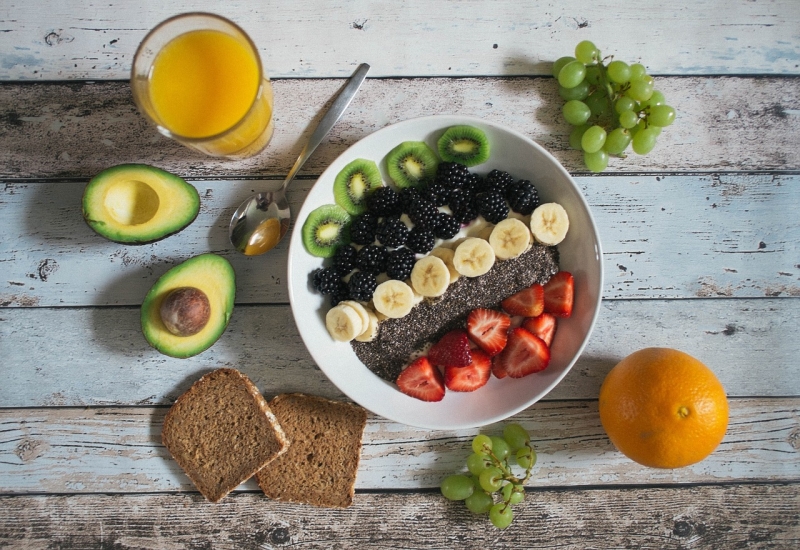
Among fruits, berries consistently rank among the healthiest.
Blueberries, raspberries, strawberries, and blackberries contain:
- Vitamin C
- Polyphenols
- Anthocyanins
- Fiber
Research links berry consumption with:
- Better memory
- Reduced inflammation
- Lower blood pressure
- Improved blood vessel function
- Lower oxidative stress
Their relatively low sugar content makes them ideal for breakfast.
Adding a handful of nuts or seeds provides:
- Healthy monounsaturated fats
- Omega-3 fatty acids
- Protein
- Fiber
- Magnesium
- Vitamin E
Excellent choices include:
- Walnuts
- Almonds
- Pistachios
- Chia seeds
- Hemp seeds
- Flaxseed
Ground flaxseed has been associated with improved cholesterol and digestive health.
Breakfast should not be fat-free.
Healthy fats slow digestion, improve satiety, and assist absorption of fat-soluble vitamins.
Excellent choices include:
- Avocado
- Extra virgin olive oil
- Nuts
- Seeds
- Nut butters
These fats are associated with lower rates of cardiovascular disease when replacing saturated fats from heavily processed foods.
If bread is included, choose:
- 100% whole wheat
- Sprouted grain bread
- Rye bread
Whole grains provide:
- Fiber
- Magnesium
- B vitamins
- Slower glucose release
Avoid breads made primarily with refined white flour.
Moderate coffee consumption has become one of the more surprising success stories in nutrition science.
Large population studies have associated moderate coffee intake with:
- Reduced Parkinson's disease
- Lower liver disease risk
- Reduced type 2 diabetes
- Lower overall mortality
Coffee should ideally be consumed with minimal added sugar.

Green tea deserves special mention.
Its catechins possess antioxidant and anti-inflammatory properties that may support cardiovascular health and brain function.

Many traditional breakfasts are heavily processed and surprisingly unhealthy.
Limit or avoid:
- Sugary cereals
- Doughnuts
- Sweet pastries
- Toaster pastries
- Sweetened yogurt
- Pancakes covered in syrup
- White toast with jelly
- Sweet coffee drinks
- Breakfast candy bars
- Processed breakfast sandwiches high in sodium
These foods often cause rapid spikes in blood sugar followed by equally rapid energy crashes.
Among all dietary patterns, the Mediterranean diet remains one of the most consistently researched for longevity.
A Mediterranean-inspired breakfast might include:
- Greek yogurt
- Fresh berries
- Walnuts
- Olive oil drizzle
- Whole-grain toast
- Avocado
- Tomatoes
- Eggs
- Fresh fruit
This pattern supplies nearly every nutrient the body needs

- Two eggs
- Whole-grain toast
- Avocado
- Blueberries
- Coffee
- Plain Greek yogurt
- Mixed berries
- Walnuts
- Chia seeds
- Steel-cut oatmeal
- Ground flaxseed
- Almonds
- Blueberries
- Cinnamon
- Vegetable omelet
- Spinach
- Mushrooms
- Tomatoes
- Fresh fruit
- Cottage cheese
- Pineapple
- Walnuts
- Whole-grain toast
Adults over age 60 benefit especially from protein-rich breakfasts.
Muscle naturally declines with age, a condition known as sarcopenia.
Research suggests distributing protein throughout the day—rather than consuming most of it at dinner—helps preserve muscle and strength.
Breakfast becomes one of the easiest opportunities to meet these protein goals.
Hydration Matters TooMany people awaken mildly dehydrated.
Starting the day with one or two glasses of water before breakfast supports:
- Digestion
- Circulation
- Kidney function
- Mental alertness
Coffee and tea contribute to overall fluid intake, but plain water remains an excellent first choice.
The brain consumes approximately 20 percent of the body's energy despite accounting for only about 2 percent of body weight.
Research has shown that balanced breakfasts rich in protein and fiber can improve:
- Concentration
- Short-term memory
- Attention
- Executive function
This benefit is particularly important for students, professionals, and older adults.
Contrary to popular belief, breakfast alone is not a magic solution for weight loss.
Instead, what you eat matters far more than simply eating breakfast.
High-protein, high-fiber breakfasts help reduce hunger later in the day, making overeating less likely.
Individuals who consume balanced breakfasts often report fewer cravings for sugary snacks during the afternoon.
Nutrition science has evolved considerably over the past several decades, yet one conclusion remains remarkably consistent: a thoughtfully prepared breakfast built from whole, minimally processed foods offers substantial health benefits for many people.
The strongest evidence supports breakfasts that combine high-quality protein, fiber-rich whole grains, healthy fats, fruits, and plenty of vitamins and minerals. Eating within the first one to two hours after waking aligns with the body's natural metabolic rhythms and may improve blood sugar regulation, appetite control, and energy levels throughout the day.
There is no single perfect breakfast for everyone. Individual needs vary according to age, activity level, medical conditions, and personal preferences. However, the principles remain universal: emphasize whole foods, prioritize protein, include colorful fruits or vegetables, choose healthy fats, and avoid excessive added sugars and refined carbohydrates.
The first meal of the day is more than a morning routine—it is an opportunity to nourish the body, support the mind, and establish healthy habits that can contribute to a longer, more energetic, and healthier life.