




The wonder that is india - destination imperative

no one may claim the mark of traveler without having visited india

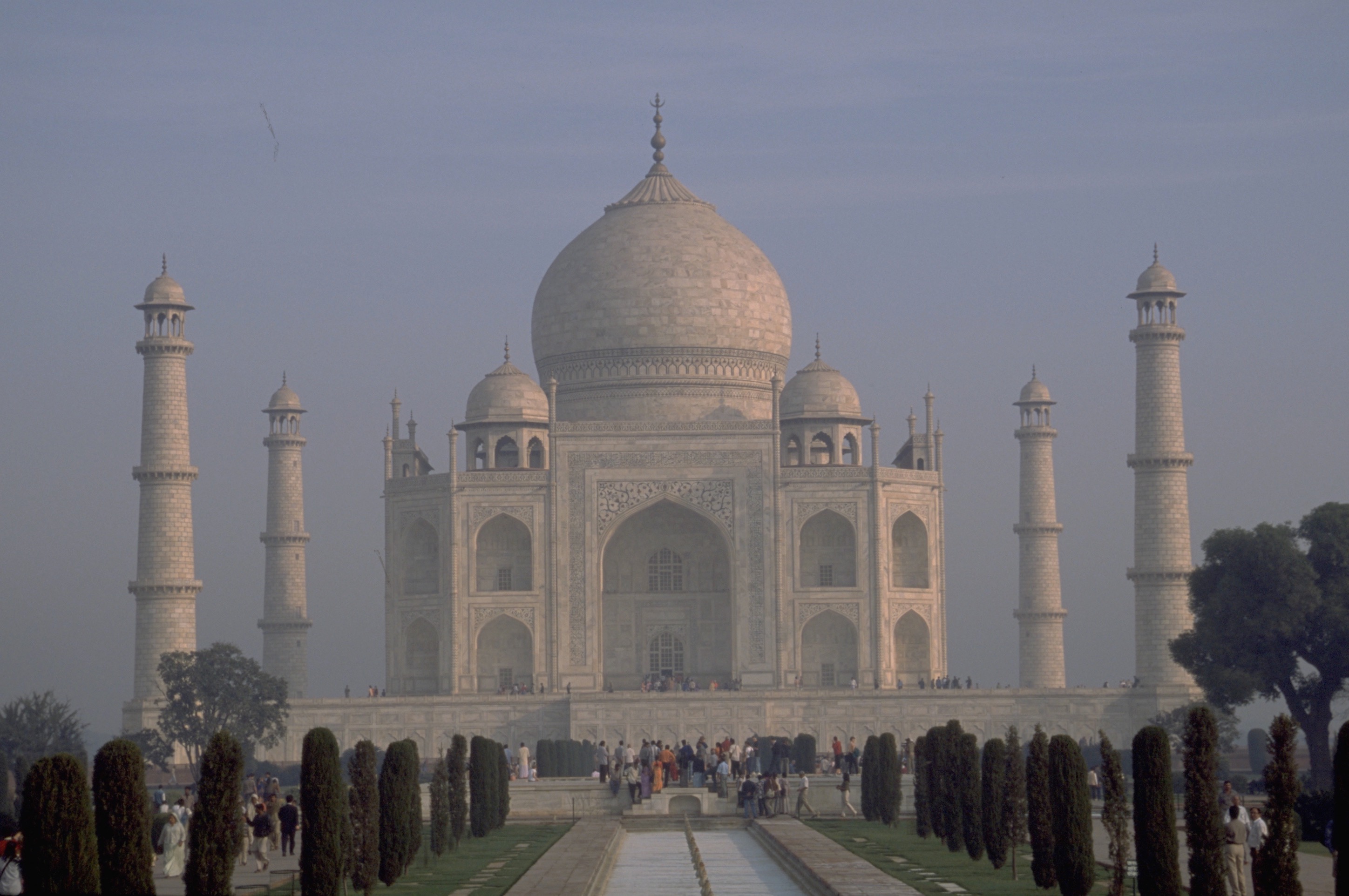
Taj 3
The Partition of India in 1947 is a pivotal moment in world history that shaped the destinies of two nations and left a lasting impact on the Indian subcontinent. This multi-page narrative delves deeper into the historical context, the divisions between the Hindu and Muslim communities, and the wealth of attractions that India offers to travelers who choose to visit this historical wonder. The vast majority of residents that you will meet speak excellent English and are genuinely sincere in their welcome.

Historical Context and Partition
The roots of the Partition of India can be traced back to the early 20th century when the Indian National Congress, under leaders like Mahatma Gandhi and Jawaharlal Nehru, began advocating for India's independence from British colonial rule. Simultaneously, the All India Muslim League, led by Muhammad Ali Jinnah, was demanding a separate Muslim homeland due to perceived cultural and religious differences.As World War II concluded, the British realized the untenable situation in India and decided to withdraw. However, the demand for a separate Muslim nation persisted, leading to the creation of two nations – India and Pakistan. On August 14-15, 1947, India gained its independence, and Pakistan was established as a separate state for Muslims. 

Differences between Hindu and Muslim Communities
The Partition was primarily a result of religious divisions. Hinduism is the dominant religion in India, followed by Islam as the second-largest. India has a diverse religious landscape with significant populations of Sikhs, Christians, Buddhists, and others. In Pakistan, Islam is the overwhelming majority, with different sects such as Sunni and Shia. Culturally, India and Pakistan share many aspects due to centuries of shared history. However, the Partition led to the migration of millions along religious lines, causing an unfortunate rupture in the social fabric. Despite these divisions, both nations share linguistic and artistic influences, exemplified in their music, literature, and cuisine.

Attractions in India

A Tapestry of History and Culture 
India's allure for travelers lies in its rich tapestry of history, culture, and landscapes. The crown jewel is undoubtedly the Taj Mahal. The Taj Mahal, a sublime masterpiece of architecture and a symbol of eternal love, stands as one of the most iconic monuments in the world. Nestled on the banks of the Yamuna River in Agra, India, this white marble mausoleum is renowned for its exquisite design, intricate craftsmanship, and profound historical significance. Commissioned by the Mughal Emperor Shah Jahan in memory of his beloved wife Mumtaz Mahal, the Taj Mahal's history and intricate beauty continue to captivate millions of visitors from around the globe.

Historical Background
The story of the Taj Mahal began in 1631 when Mumtaz Mahal, the chief wife of Shah Jahan, passed away while giving birth to their 14th child. Overwhelmed by grief, Shah Jahan resolved to create an unparalleled monument to immortalize their love. Construction of the Taj Mahal began in 1632 and took over two decades to complete, with the expertise of skilled architects, artisans, and craftsmen from various parts of the world contributing to its creation. The monument's grandeur and design reflect the zenith of Mughal architecture during the 17th century.

Introduction to the Taj Mahal
The Taj Mahal, a sublime masterpiece of architecture and a symbol of eternal love, stands as one of the most iconic monuments in the world. Nestled on the banks of the Yamuna River in Agra, India, this white marble mausoleum is renowned for its exquisite design, intricate craftsmanship, and profound historical significance. The Taj Mahal's architectural brilliance blends Persian, Islamic, and Indian influences, creating a harmonious fusion of artistic styles. The central focus is the white marble dome, which symbolizes both the heavens and the final resting place of Mumtaz Mahal. The main structure is flanked by four elegant minarets that not only serve an aesthetic purpose but also contribute to the overall stability of the monument. The intricate carvings and delicate marble inlays, known as pietra dura, depict floral motifs, calligraphy, and geometric patterns that showcase the meticulous craftsmanship of the artisans.

Intricate Inlays and Decorative Elements
One of the most captivating features of the Taj Mahal is its intricate inlay work. Semi-precious stones such as lapis lazuli, turquoise, coral, and onyx were used to create elaborate designs on the marble surfaces. The process of pietra dura involves cutting these stones into various shapes and embedding them into the marble to form breathtaking floral and geometric patterns. This delicate and time-consuming technique adds to the monument's ethereal beauty and serves as a testament to the artistic mastery of the craftsmen.

Garden of Tranquility
The Taj Mahal is not just a solitary structure; it is surrounded by a meticulously designed garden that adds to the overall aesthetic appeal. The garden is divided into four parts by water channels, reflecting the traditional Persian charbagh (four gardens) layout. The intricate fountains, reflecting pools, and meticulously manicured lawns provide a sense of serenity and tranquility, enhancing the emotional experience for visitors. The alignment of the garden with the Taj Mahal's main entrance ensures a captivating view of the monument from afar, creating a picture-perfect vista.

Symbolism and Cultural Significance
Beyond its architectural and aesthetic marvels, the Taj Mahal carries deep symbolism and cultural significance. It stands as a tribute to eternal love and devotion, a testament to the enduring human capacity for beauty and creativity. The monument also represents the Mughal Empire's legacy and its contribution to the world of art and architecture. Its inclusion as a UNESCO World Heritage Site underscores its universal value as a cultural treasure that transcends borders. 

Preservation Efforts and Challenges
Over the centuries, the Taj Mahal has faced challenges from environmental factors, pollution, and the passage of time. Efforts to preserve and protect the monument have been ongoing, including measures to control pollution and limit visitor numbers. The delicate marble surfaces require constant attention and maintenance to prevent deterioration. The Taj Mahal stands as an enduring testament to love, architectural prowess, and cultural richness. Its history is intertwined with the legacy of the Mughal Empire and the profound emotions of Emperor Shah Jahan. The intricate beauty of the Taj Mahal, from its architectural design to its delicate decorations, continues to inspire awe and wonder, making it a symbol of human creativity and devotion. As visitors from all corners of the world continue to be entranced by its ethereal charm, the Taj Mahal remains an unparalleled gem in the tapestry of global heritage.

Varanasi: The Eternal City of Light
Nestled along the sacred banks of the Ganges River, Varanasi, also known as Benaras or Kashi, is a city that stands as a testament to the enduring spirituality, history, and cultural vibrancy of India. Often referred to as the "City of Light," Varanasi is a place where ancient traditions interweave with the bustling rhythms of modern life, creating a unique tapestry that captivates the hearts and minds of visitors from around the world.

A Tapestry of Spirituality
Varanasi's rich spiritual legacy is its most defining characteristic. It is considered one of the oldest continuously inhabited cities on Earth and is the holiest city in Hinduism. Pilgrims flock to Varanasi to cleanse their sins in the holy waters of the Ganges and perform rituals at its numerous ghats, or stepped embankments.The ghats serve as a microcosm of Varanasi's spiritual diversity. Each ghat holds its own significance, from the Dashashwamedh Ghat, where the famous Ganga Aarti (ceremony of lights) takes place, to the Manikarnika Ghat, the principal cremation ground where Hindus believe departing souls attain moksha, liberation from the cycle of birth and death.

A Journey Through History
Walking through the narrow alleys of Varanasi is like stepping back in time. The city's labyrinthine lanes are lined with ancient temples, some of which date back over a thousand years. The Kashi Vishwanath Temple, dedicated to Lord Shiva, is the most revered of these. Its golden spires shine brilliantly against the chaotic backdrop of the city.The history of Varanasi is intricately woven into the fabric of Indian culture and knowledge. It has been a center of learning for centuries, with the Banaras Hindu University (BHU) being a modern testament to this legacy. BHU, established in 1916, attracts scholars and students from across the world, contributing to the city's reputation as a knowledge hub.

The Cultural Melting Pot
Varanasi is a melting pot of cultures, religions, and traditions. Its bustling streets are alive with vibrant markets, where artisans sell their intricate silk sarees, brassware, and wooden crafts. The city's bazaars are not only a shopper's paradise but also a visual feast, as the colors and textures of the items on display tell stories of tradition and artistry. The city has also been a source of inspiration for countless writers, poets, and artists. It is said that the great poet Kabir found his muse in the streets of Varanasi, and many others, including Ravi Shankar and Ustad Bismillah Khan, have drawn from its cultural wealth to create timeless art.

Challenges and Renewal
While Varanasi's spiritual and cultural heritage continue to shine brightly, the city faces its share of challenges. Rapid urbanization, pollution, and inadequate infrastructure pose threats to its unique character. The Ganges, which sustains the city's life, also bears the burden of pollution, jeopardizing the very essence of Varanasi's existence. Efforts are being made to address these challenges. Conservation initiatives, waste management projects, and campaigns to raise awareness about the importance of preserving Varanasi's heritage are gaining momentum. As the city navigates modernization while staying true to its roots, finding a balance between the two remains crucial.

The Timeless Allure
Varanasi's allure lies in its ability to be simultaneously ancient and contemporary, a city where spirituality and modernity coexist. The mesmerizing Ganga Aarti, where the river is worshipped through flames and prayers, continues to draw crowds in the thousands every evening. The sunrise boat rides on the Ganges offer a tranquil perspective of the city's ghats and temples, casting a different light on its ethereal beauty.In Varanasi, time seems to move differently. It's a place where life and death are intertwined, where the eternal quest for salvation plays out against the backdrop of everyday existence. As the sun sets on the ancient spires and timeless rituals, the "City of Light" lives up to its name, illuminating the hearts of those who experience its magic.ConclusionVaranasi, with its spiritual depth, historical significance, and cultural richness, stands as a beacon of India's heritage. Its labyrinthine streets, resplendent ghats, and ancient temples weave a story that bridges the gap between the past and the present. While the challenges it faces are real, the city's enduring spirit and the efforts to preserve its essence give hope that Varanasi will continue to shine as a timeless gem on the banks of the Ganges. As long as there are seekers of truth, beauty, and spirituality, Varanasi will remain the eternal City of Light. 

Jaipur - The Pink City's Timeless Charm

Nestled in the heart of Rajasthan, India, Jaipur stands as a beacon of history, culture, and architectural marvels. Known as the "Pink City," Jaipur's unique hue and majestic landmarks make it a must-visit destination for travelers. Stepping into this city is like stepping into a living museum where every corner exudes the rich heritage of India's past.

Jaipur earned its moniker of the "Pink City" in 1876 when Maharaja Sawai Ram Singh II ordered the city to be painted pink to welcome the Prince of Wales. This tradition continues to this day, with many buildings maintaining the distinctive terracotta hue. The vibrant streets, bustling bazaars, and ornate palaces envelop visitors in a blend of old-world charm and modern vibrancy.


The Wind Palace - Hawa Mahal's Graceful Grandeur

At the heart of Jaipur's architectural marvels is the Hawa Mahal, also known as the Wind Palace. Built in 1799 by Maharaja Sawai Pratap Singh, this five-story structure features an intricately designed façade with 953 small windows, or "jharokhas." These jharokhas were not only decorative but also served a functional purpose, allowing the royal women to observe street festivals and daily life without being seen. The Hawa Mahal's architecture, with its delicate lattice work and ornate details, showcases the artistic genius of the time. This honeycomb-like palace continues to captivate visitors with its regal elegance, providing a glimpse into the opulence of Rajasthan's royal past.


Amber Fort - Where History and Majesty Converge

Just a short distance from Jaipur lies the majestic Amber Fort, a UNESCO World Heritage Site that epitomizes Rajasthan's royal grandeur. Perched atop a hill, the fort is a fusion of Rajput and Mughal architectural styles. Its imposing walls, intricate carvings, and expansive courtyards narrate the stories of battles, alliances, and the lavish lifestyle of the Rajput rulers. As visitors pass through the grand gates and ascend the fort, they are transported back in time. The Sheesh Mahal, or Mirror Palace, is a highlight, featuring countless mirrors that shimmer like stars when illuminated. The fort's strategic location also offers breathtaking panoramic views of the surrounding landscape, adding to the allure of this historical gem.


Ranthambore Tiger Sanctuary - Where Wilderness Roams Free

Moving away from the city's architectural splendors, Jaipur's vicinity offers a different kind of attraction - the Ranthambore Tiger Sanctuary. Situated about 130 kilometers from the Pink City, this sanctuary is a testament to India's commitment to wildlife conservation. Spanning over 1,300 square kilometers, Ranthambore is a haven for various species, most notably the Bengal tiger. With its diverse ecosystems of dry deciduous forests, grasslands, and water bodies, the sanctuary provides an ideal habitat for these majestic creatures. Visitors to Ranthambore have the opportunity to spot tigers, along with other wildlife such as leopards, deer, crocodiles, and numerous bird species.


Nature and History Unite: Jaipur's Enduring Allure

While Jaipur is celebrated for its historical and architectural marvels, it's the seamless blend of these attractions with the natural world that truly sets the city apart. From exploring the city's bustling markets and sampling its delectable cuisine to immersing oneself in the serenity of Ranthambore's wilderness, Jaipur offers a diverse range of experiences that cater to every traveler's interests. As the Pink City continues to evolve, it remains rooted in its rich heritage, allowing visitors to unravel layers of history while being embraced by the warmth of its people. With its resplendent palaces, intricate forts, and vibrant culture, Jaipur stands as a timeless destination that beckons adventurers, history enthusiasts, and nature lovers alike. 


Exploring the Rich Heritage of Jodhpur and Jaisalmer: A Journey Through Rajasthan's Timeless Cities

Rajasthan, the land of vibrant colors, majestic forts, and royal history, houses two captivating cities that stand as a testament to its rich heritage – Jodhpur and Jaisalmer. These cities encapsulate the essence of Rajasthan's glorious past, each offering a unique blend of architectural marvels, cultural treasures, and desert landscapes. Join us as we embark on a journey to explore the captivating cities of Jodhpur and Jaisalmer, delving into their historical significance, iconic landmarks, and the enduring charm that draws travelers from around the world.


Jodhpur - The Blue City

Nestled at the edge of the Thar Desert, Jodhpur is often referred to as the "Blue City" due to the azure hues that dominate its skyline. The city's historic significance can be traced back to the 15th century when it was founded by Rao Jodha, the chief of the Rathore clan. At the heart of Jodhpur stands the magnificent Mehrangarh Fort, a sprawling fortress perched on a rocky hill, offering panoramic views of the city below. The intricate carvings, expansive courtyards, and grand architecture make this fort a true masterpiece.

Venturing through Jodhpur's winding streets, one encounters the vibrant Sardar Market, a bustling hub of activity where one can shop for handicrafts, textiles, spices, and local delicacies. The iconic clock tower in the center of the market adds to the city's charm. Another architectural gem is the Jaswant Thada, a marble cenotaph built in memory of Maharaja Jaswant Singh II, known for its delicate marble lattice work and serene ambiance.


Jodhpur's Cultural Heritage

Jodhpur's cultural tapestry is woven with intricate threads of music, dance, and festivals. The Marwar Festival, celebrated in memory of the state's heroes, showcases the vibrant folk culture of Rajasthan through traditional music and dance performances. The Nagaur Cattle Fair, a spectacle of rural life, attracts visitors with its colorful festivities and trading of livestock. The city's traditional attire, consisting of vibrant turbans and intricate textiles, reflects the cultural diversity and heritage of the region. The art of block printing, tie and dye, and intricate embroidery are a hallmark of Jodhpur's craftsmanship, found in its textiles and garments.


Jaisalmer - The Golden City

As we journey further into the heart of Rajasthan, we arrive at Jaisalmer, known as the "Golden City" for its golden sandstone architecture that shimmers under the sun's rays. Founded in the 12th century by Maharaja Jaisal Singh, the city stands as a living chronicle of Rajasthan's medieval history. The crown jewel of Jaisalmer is the Sonar Qila, or Jaisalmer Fort, a UNESCO World Heritage Site that houses an entire living community within its walls. The intricate latticework and detailed carvings of the havelis, or traditional Rajasthani mansions, are a testament to the craftsmanship of a bygone era. Patwon Ki Haveli, Salim Singh Ki Haveli, and Nathmal Ki Haveli are among the most renowned, each boasting unique architectural features and fascinating stories.


The Enchanting Thar Desert

Jaisalmer's allure extends beyond its architectural marvels. The Thar Desert, an arid expanse that surrounds the city, offers an enchanting landscape of sand dunes, where travelers can experience camel rides, desert safaris, and breathtaking sunsets. Khuri and Sam are popular desert destinations near Jaisalmer, where visitors can engage with the local culture, savor Rajasthani cuisine, and enjoy folk performances under the starlit sky.


Preserving the Past, Embracing the Future

Both Jodhpur and Jaisalmer have managed to preserve their historical legacies while embracing modernity. Efforts have been made to maintain the architectural integrity of the cities, with stringent conservation measures in place to safeguard their heritage sites. Tourism plays a pivotal role in the economy of these cities, providing employment opportunities and boosting local businesses. However, sustainable tourism practices are essential to maintain the delicate balance between economic growth and cultural preservation. In the heart of Rajasthan, the cities of Jodhpur and Jaisalmer stand as beacons of history, culture, and architectural brilliance. Their towering forts, intricate havelis, and desert landscapes create an atmosphere that transports visitors to a bygone era. As you wander through the narrow lanes and bustling markets, you'll experience the vibrant tapestry of Rajasthani life and witness the seamless fusion of tradition and modernity. Jodhpur and Jaisalmer, with their shared history and unique flavors, truly offer an unforgettable journey into the heart of Rajasthan's timeless charm.


First Cabin Travel - Since 1989 - Your Passport To Excellence. CA 2016168-40