






Ticks: The tiny parasites that demand respect
The risks, preventions, and life-saving steps after a bite
7/8/2026
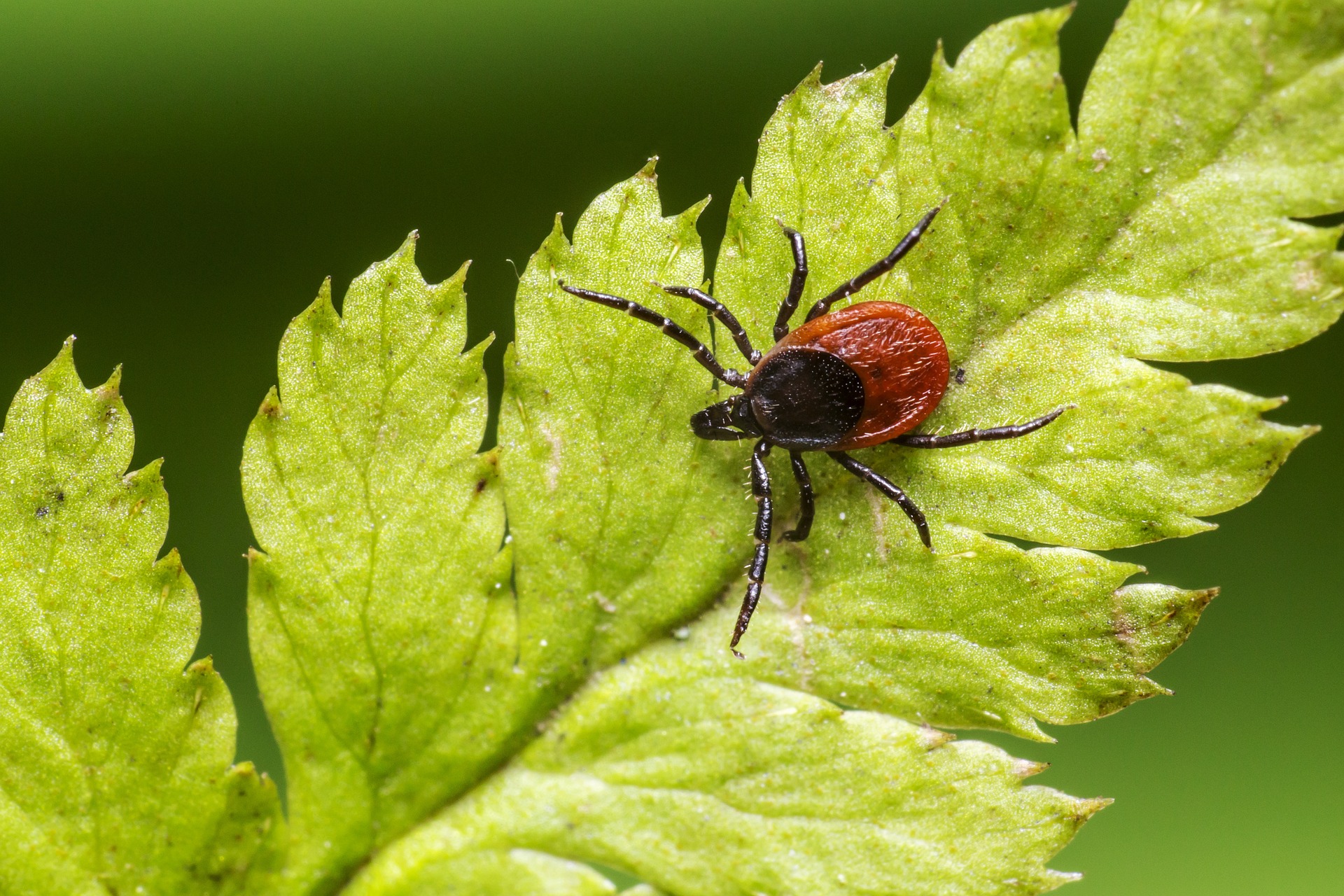
By almost every measure, ticks are among nature's most successful survivors. They have existed for well over 100 million years—long before humans first walked the Earth—and today inhabit forests, grasslands, deserts, mountains, parks, suburban neighborhoods, and even our own backyards. Barely larger than a sesame seed in some stages of life, these tiny arachnids are responsible for transmitting more diseases to humans in North America than any other insect or arachnid.
While many tick bites result in little more than temporary irritation, others can lead to serious illnesses that, if left untreated, may cause long-term disability or even become life-threatening. The good news is that knowledge, prevention, and prompt action dramatically reduce the risks.
Ticks belong to the arachnid family, making them relatives of spiders, mites, and scorpions rather than insects. Scientists estimate that ticks have inhabited Earth for more than 100 million years, adapting remarkably well through dramatic climate changes and even the extinction of the dinosaurs.
Worldwide, more than 900 species of ticks have been identified. Only a relatively small number regularly bite humans, but those species have become highly efficient at locating hosts and transmitting disease-causing bacteria, viruses, and parasites.
Unlike mosquitoes, which feed for only minutes, ticks often remain attached for several days while slowly feeding on blood. This prolonged feeding is one reason they can efficiently transmit infectious organisms.
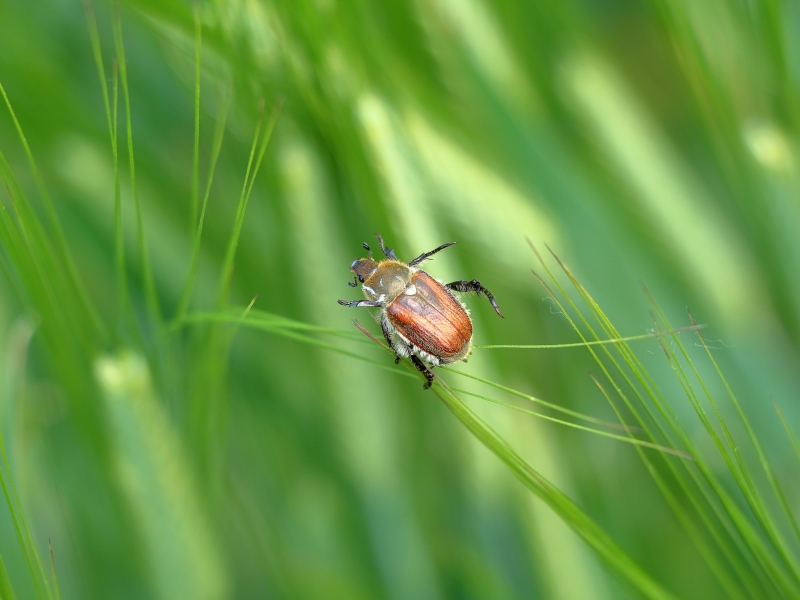
Ticks thrive in humid environments where vegetation offers protection from direct sunlight.
Their favorite habitats include:
- Wooded hiking trails
- Tall grasses and meadows
- Shrub-covered hillsides
- Leaf litter beneath trees
- Brush along streams
- Wildlife corridors
- Parks and nature preserves
- Golf course roughs
- Backyard landscaping bordering open space
Contrary to popular belief, ticks do not jump or fly.
Instead, they practice a behavior known as "questing." They climb onto grasses, shrubs, or low branches, extending their front legs while waiting patiently for an animal—or unsuspecting person—to brush past.
Ticks feed on an extraordinary variety of hosts, including:
- Deer
- Mice
- Rats
- Rabbits
- Squirrels
- Birds
- Coyotes
- Foxes
- Raccoons
- Opossums
- Dogs
- Cats
- Horses
- Livestock
Ironically, while deer often carry large numbers of ticks, the white-footed mouse is among the most important reservoirs for the bacteria responsible for Lyme disease in many parts of North America.
Pets can also transport ticks indoors, allowing them to crawl onto people hours later.

Ticks occur in nearly every state, although species and diseases vary by region.
The Northeast and Upper Midwest report the highest numbers of Lyme disease cases.
The Southeast is home to several aggressive tick species capable of transmitting multiple illnesses.
The Rocky Mountain region has its own unique tick populations.
Even Southern California, once considered relatively low-risk, has experienced increasing reports of ticks carrying disease-causing organisms, particularly in foothill, canyon, mountain, and coastal open-space environments.
Where wildlife thrives, ticks are usually nearby.
Ticks pass through four stages:
- Egg
- Larva
- Nymph
- Adult
Each stage requires a blood meal before progressing to the next.
The nymph stage deserves particular attention because these ticks are extremely small—often no larger than a poppy seed—and easily escape detection. Most human Lyme disease infections are believed to occur from nymphal ticks.
Adult female ticks may lay several thousand eggs before dying, allowing populations to expand rapidly under favorable conditions.
Most people never feel the bite.
Ticks secrete substances that numb the skin while simultaneously preventing blood from clotting. This enables them to feed quietly for days without attracting attention.
Common attachment sites include:
- Behind the knees
- Groin
- Waistband
- Armpits
- Scalp
- Hairline
- Neck
- Behind the ears
- Between the toes
- Along bra lines
- Around the beltline
Children often have ticks attached around the scalp and neck.
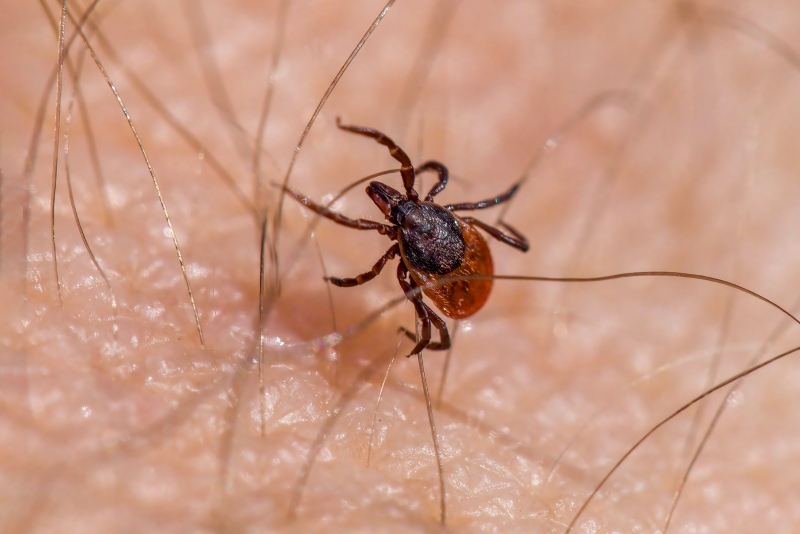
Prevention remains the most effective defense.
Wear:
- Long pants
- Long sleeves
- Closed shoes or boots
- Light-colored clothing to make ticks easier to spot
Tuck pants into socks when hiking through dense vegetation.
Avoid brushing against:
- Tall grass
- Dense shrubs
- Overhanging branches
- Leaf piles
Walking in the center of maintained trails significantly lowers exposure.
Products containing DEET provide effective protection on exposed skin.
Permethrin-treated clothing offers excellent protection and continues working through multiple washings.
Never apply permethrin directly to skin.
Reduce tick habitat by:
- Mowing regularly
- Removing leaf litter
- Trimming shrubs
- Creating gravel or mulch barriers between lawns and wooded areas
- Limiting deer access when possible
After outdoor activities:
- Inspect your clothing.
- Shower within two hours if possible.
- Carefully examine your entire body using a mirror.
- Check children thoroughly.
- Examine pets before they enter the home.
Prompt removal greatly lowers disease transmission.
Remain calm.
The goal is complete removal.
Step 1Use fine-point tweezers.
Step 2Grasp the tick as close to the skin as possible.
Step 3Pull upward steadily.
Do not twist.
Do not jerk.
Avoid crushing the tick.
Step 4Wash the bite with soap and water.
Then disinfect using rubbing alcohol or iodine.
Step 5Dispose of the tick by:
- Sealing it in tape
- Placing it in alcohol
- Flushing it down the toilet
Some experts recommend saving the tick in a sealed container with the date and location should later identification become necessary.

Old remedies persist despite decades of medical evidence showing they are ineffective.
Do not:
- Burn the tick with a match
- Cover it with petroleum jelly
- Apply nail polish
- Smother it with oils
- Squeeze its body
- Crush it with your fingers
These methods may actually increase the chance of disease transmission.
Medical attention should be sought if:
- The tick was attached for many hours.
- It appears swollen with blood.
- You cannot remove all mouthparts.
- A rash develops.
- Fever occurs.
- You experience joint pain.
- Severe fatigue develops.
- Facial weakness appears.
- Flu-like symptoms occur within several weeks.
In some situations, physicians prescribe preventive antibiotics after high-risk bites.
Lyme Disease: The Most Recognized Tick-Borne IllnessLyme disease is caused by the bacterium Borrelia burgdorferi.
Typical early symptoms include:
- Fever
- Chills
- Fatigue
- Headache
- Muscle aches
- Swollen lymph nodes
Many—but not all—patients develop the classic expanding "bull's-eye" rash.
Without treatment, infection may spread to:
- Joints
- Heart
- Nervous system
- Brain
Fortunately, most cases respond well to antibiotics when diagnosed early.
Ticks transmit many illnesses besides Lyme disease.
These include:
- Rocky Mountain spotted fever
- Anaplasmosis
- Ehrlichiosis
- Babesiosis
- Powassan virus disease
- Tularemia
- Colorado tick fever
Some illnesses progress rapidly and require immediate treatment.
Rocky Mountain spotted fever, despite its name, occurs throughout much of the United States and can become life-threatening if antibiotics are delayed.
Powassan virus, though rare, can cause severe inflammation of the brain.
Yes.
Some people develop a reaction known as Alpha-gal syndrome.
Following certain tick bites, the immune system begins reacting to a sugar molecule found in beef, pork, lamb, venison, and other mammalian meats.
Symptoms may include:
- Hives
- Abdominal pain
- Vomiting
- Difficulty breathing
- Anaphylaxis
Unlike most food allergies, reactions often occur three to six hours after eating red meat.
Some individuals remain affected for years.
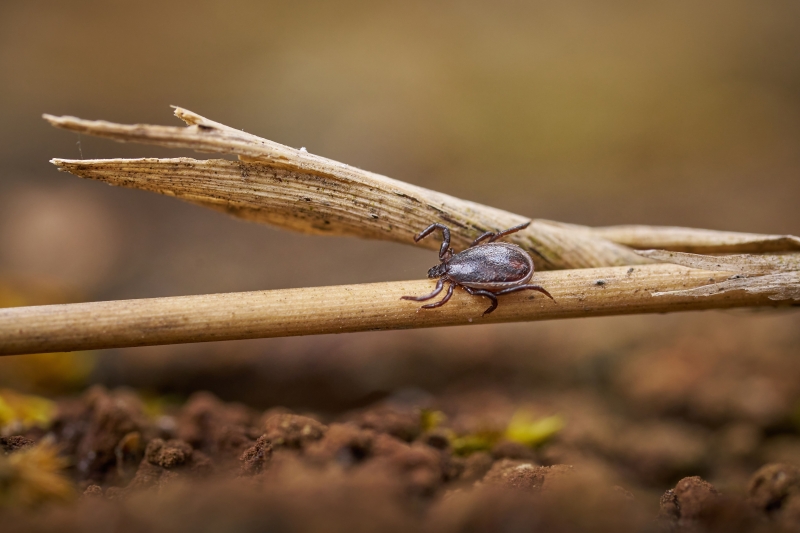
Most tick bites do not result in disease.
However, because it is impossible to know immediately whether a tick carries harmful organisms, every bite deserves careful attention.
The greatest dangers arise when:
- Ticks remain attached for long periods.
- Symptoms are ignored.
- Treatment is delayed.
- High-risk diseases go unrecognized.
Prompt removal significantly lowers the likelihood of many bacterial infections.
Most people recover completely following early diagnosis and appropriate treatment.
Some individuals experience lingering fatigue, muscle aches, or joint discomfort for weeks or months after treatment, though the reasons remain an area of active medical research.
Early recognition remains the single most important factor in achieving an excellent outcome.
The most effective protection requires only a few minutes.
After every hike, gardening session, camping trip, golf outing, or walk through natural areas:
- Shower.
- Perform a thorough tick check.
- Inspect children.
- Examine pets.
- Wash outdoor clothing.
These simple habits dramatically reduce the risk of tick-borne illness.
Ticks may be among the smallest creatures encountered outdoors, yet they command enormous respect from physicians, epidemiologists, and public health experts. Their ability to transmit disease makes prevention far easier than treatment.
Fortunately, a few practical precautions—wearing appropriate clothing, using effective repellents, staying on maintained trails, and carefully checking for ticks after outdoor activities—provide powerful protection.
Nature remains one of life's greatest pleasures. Whether hiking a mountain trail, walking a neighborhood park, golfing, camping, or simply gardening in the backyard, awareness allows us to enjoy the outdoors safely. By recognizing where ticks live, understanding how they behave, and knowing exactly what to do after a bite, we can greatly reduce the risks while continuing to explore the natural world with confidence.